Beginner Drawing Lessons69 lessons
Quick daily exercises for artists just starting out. Each lesson is one object, one focused skill, and a clear step-by-step process. No prior training required.
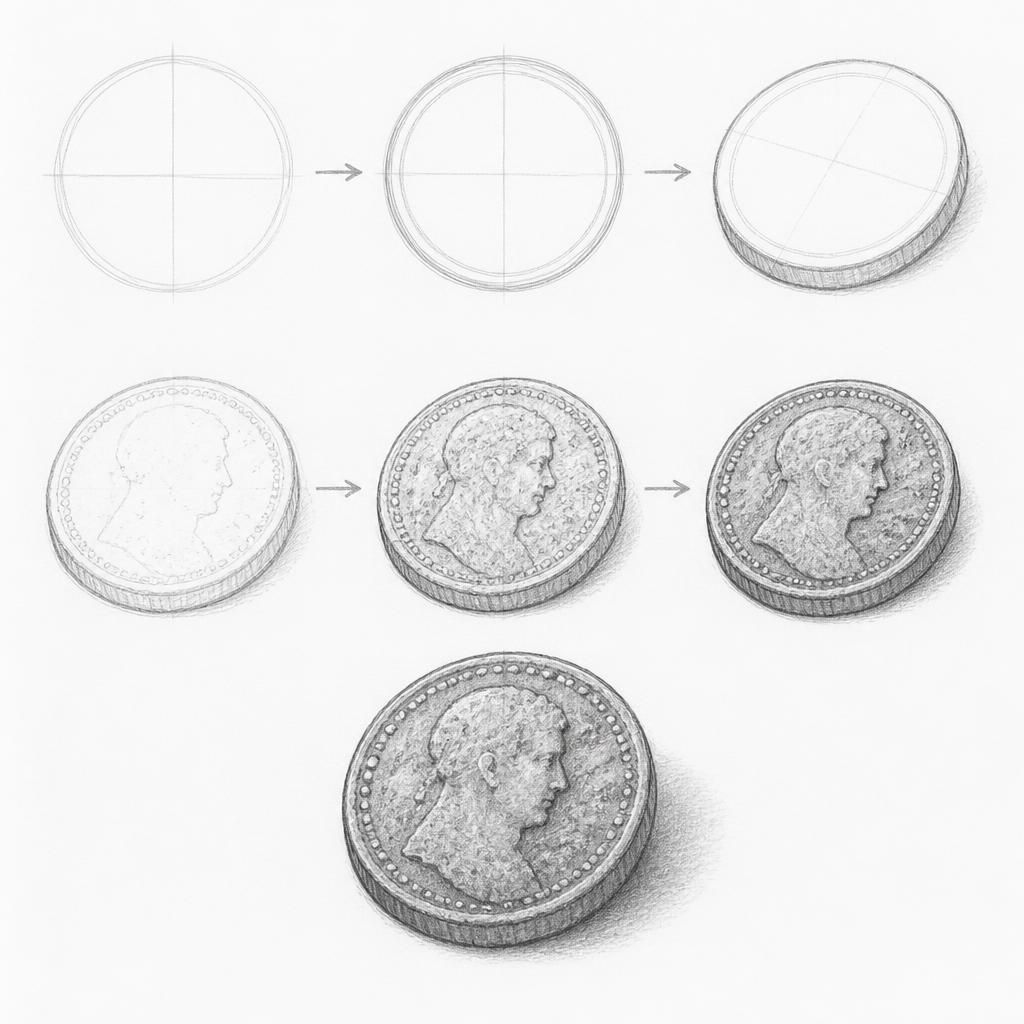
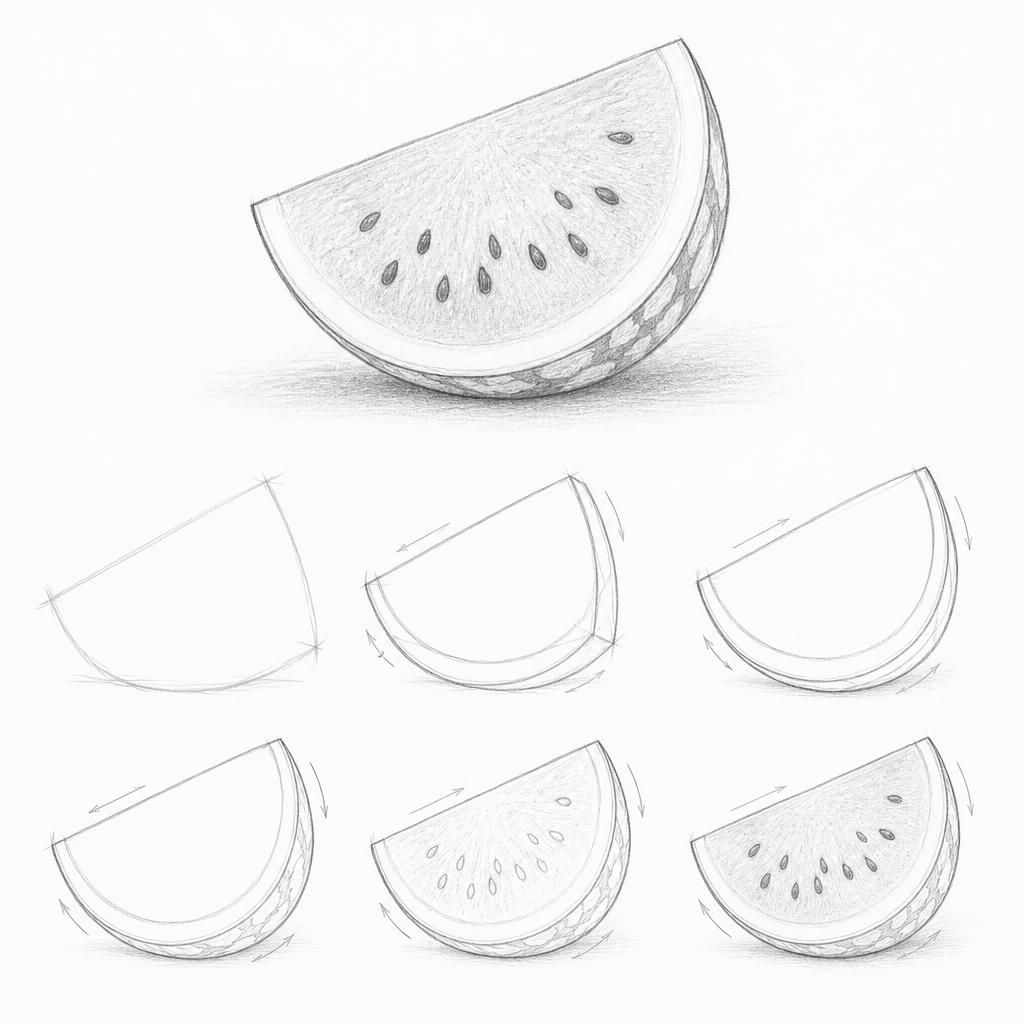
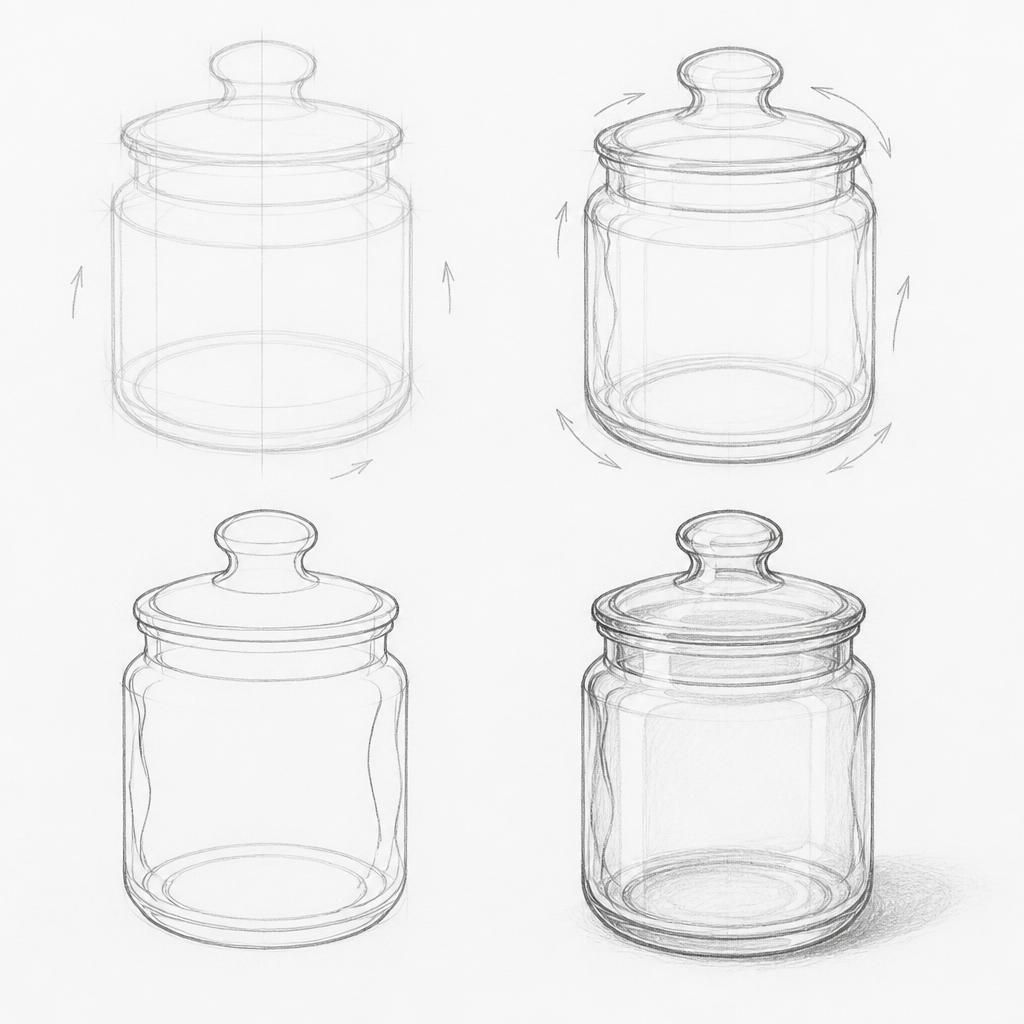
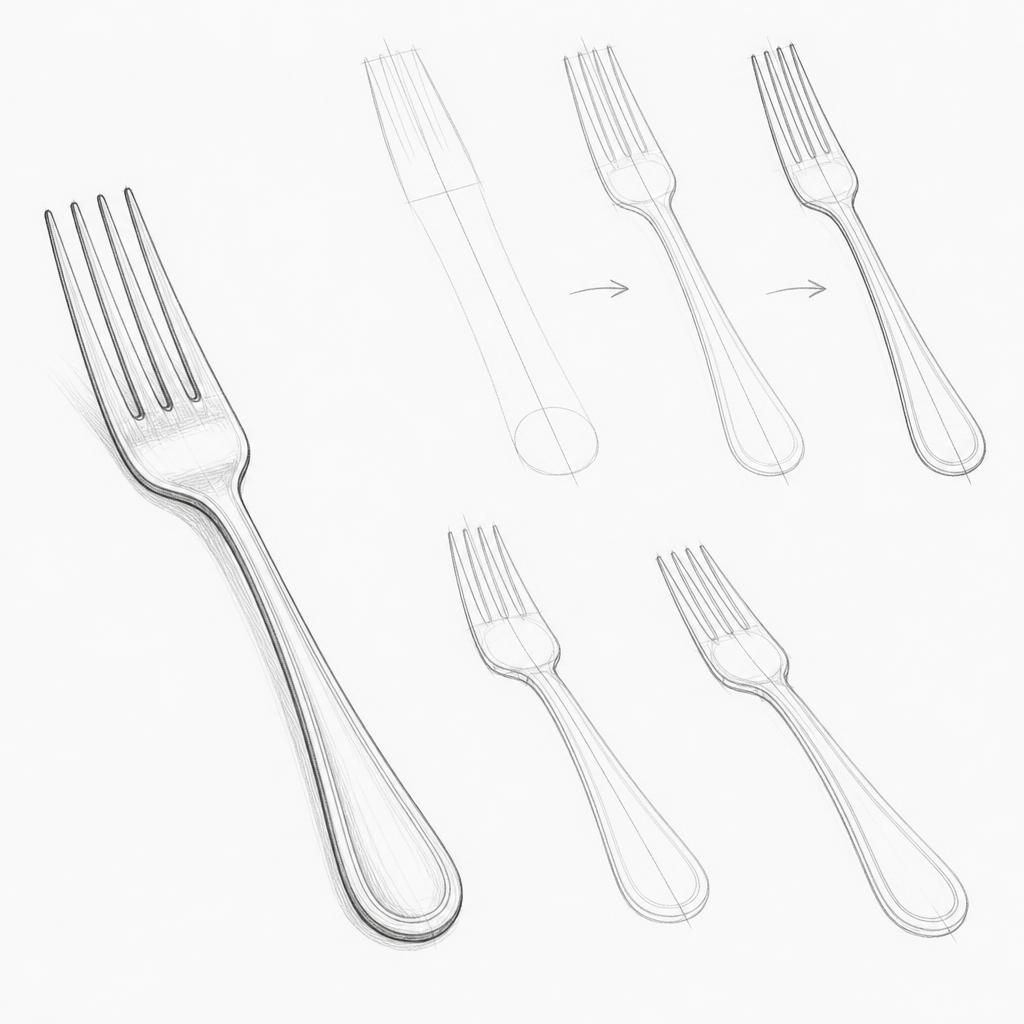
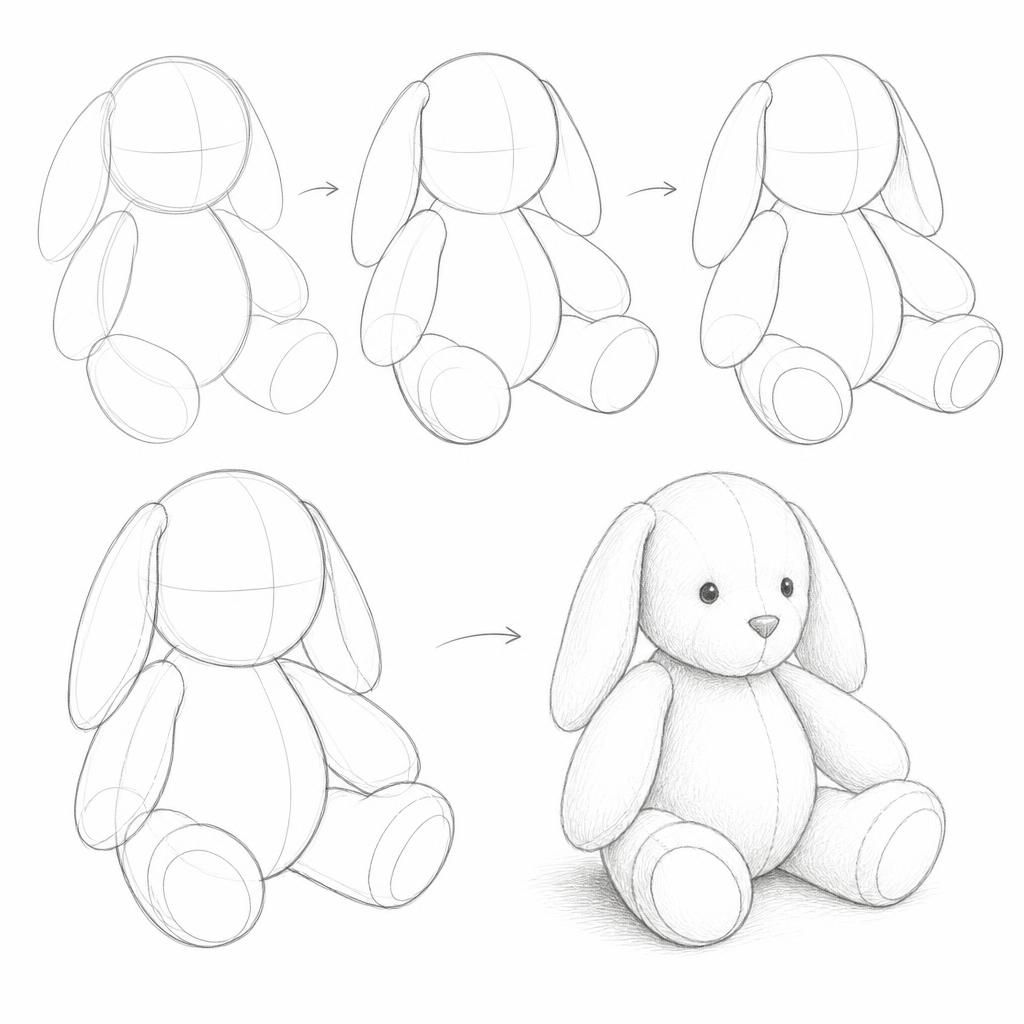
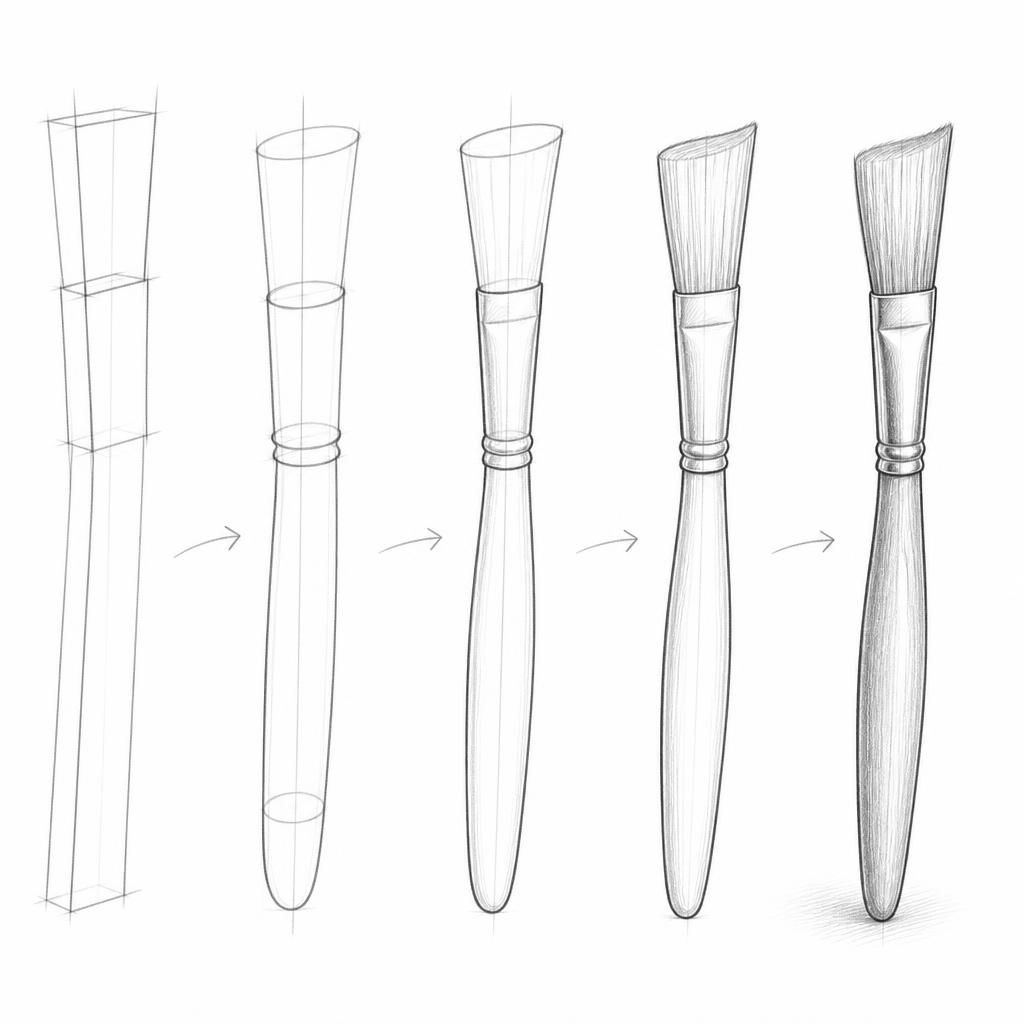
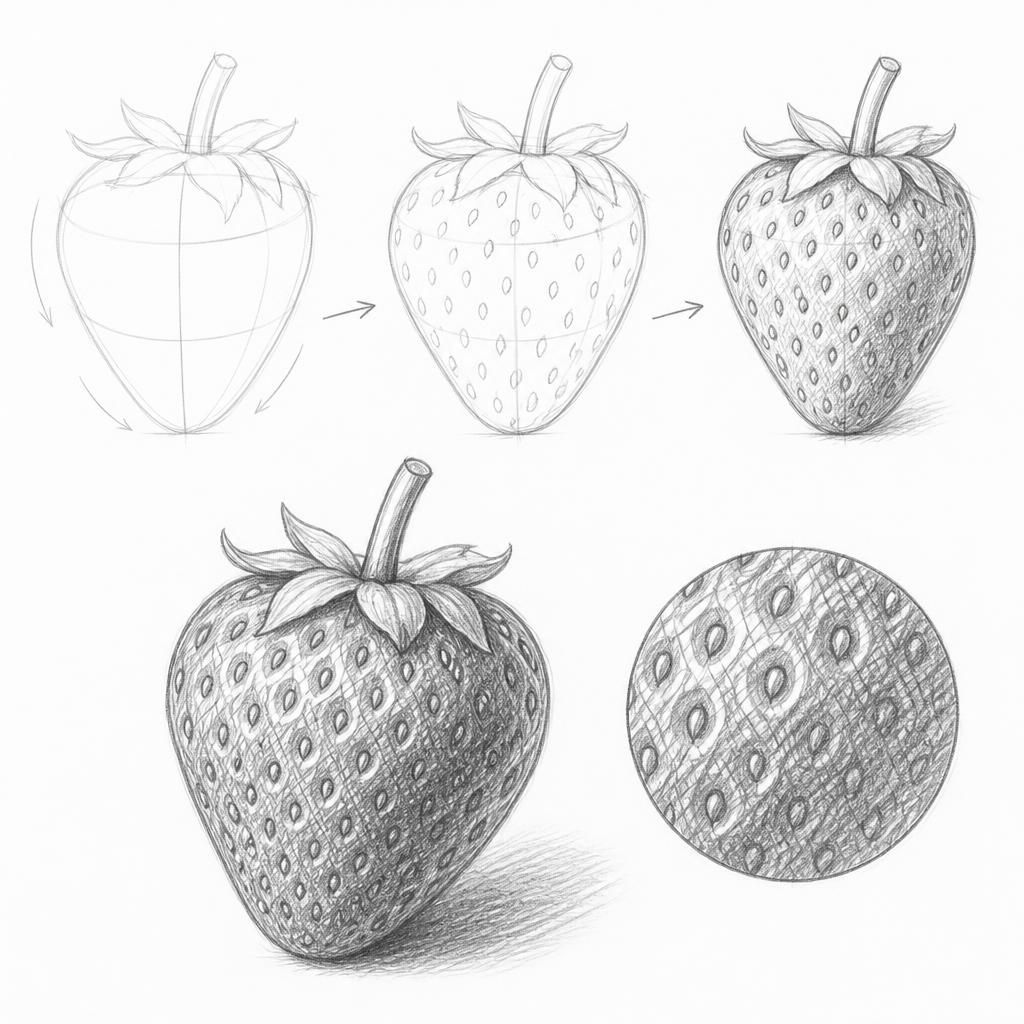
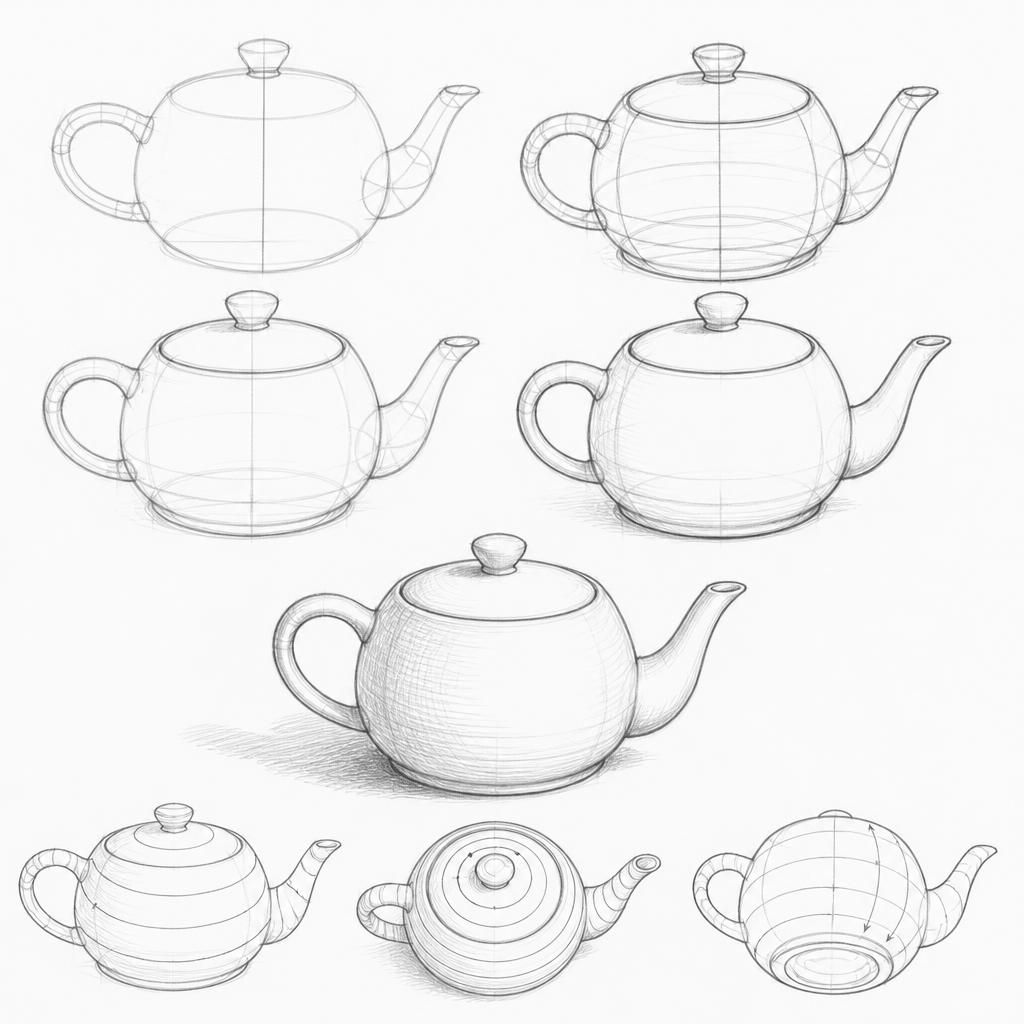
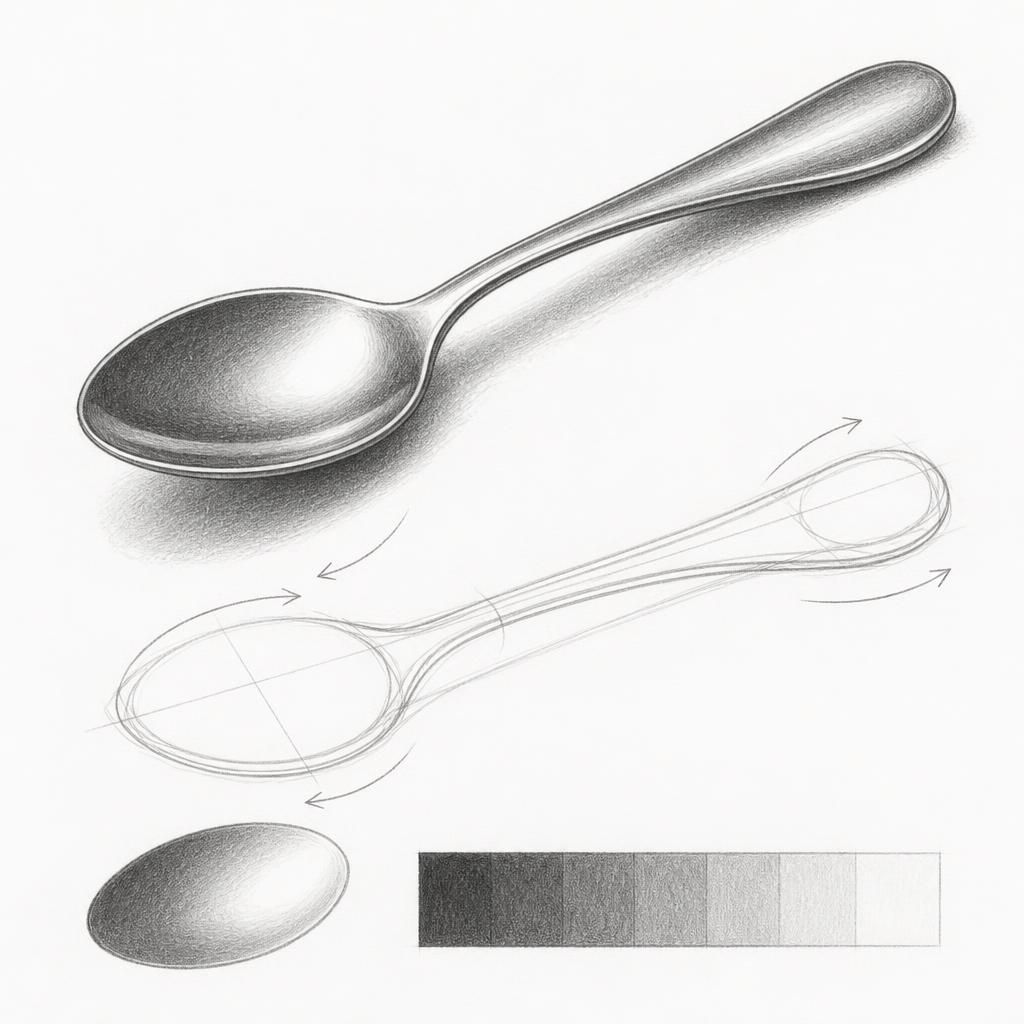
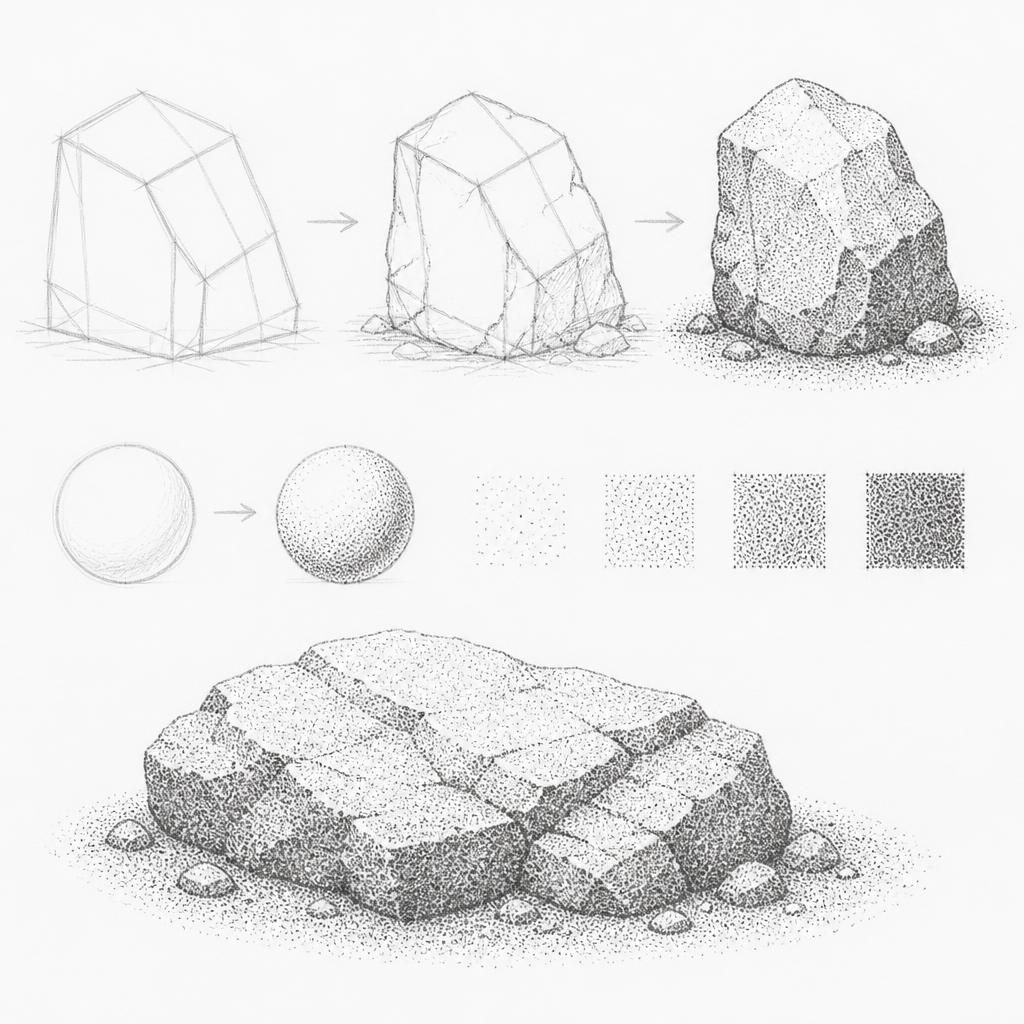
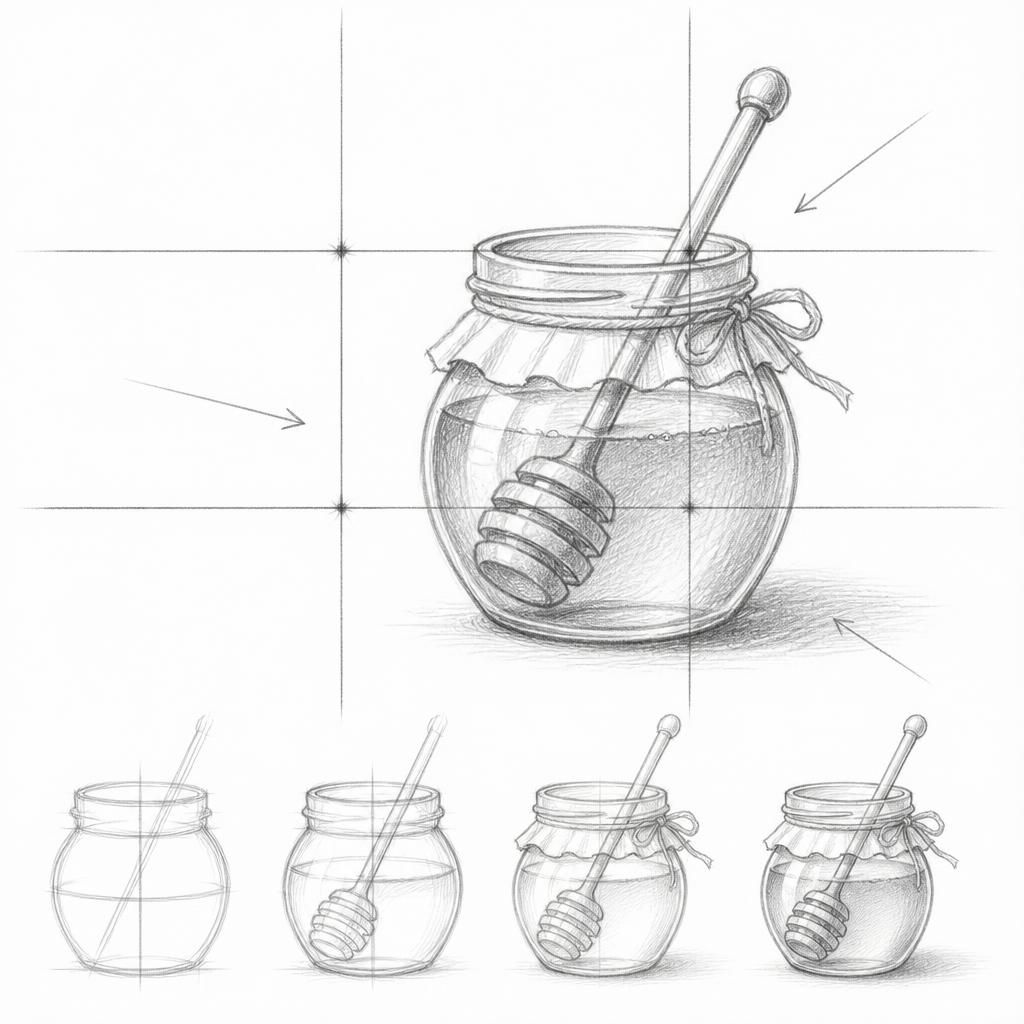
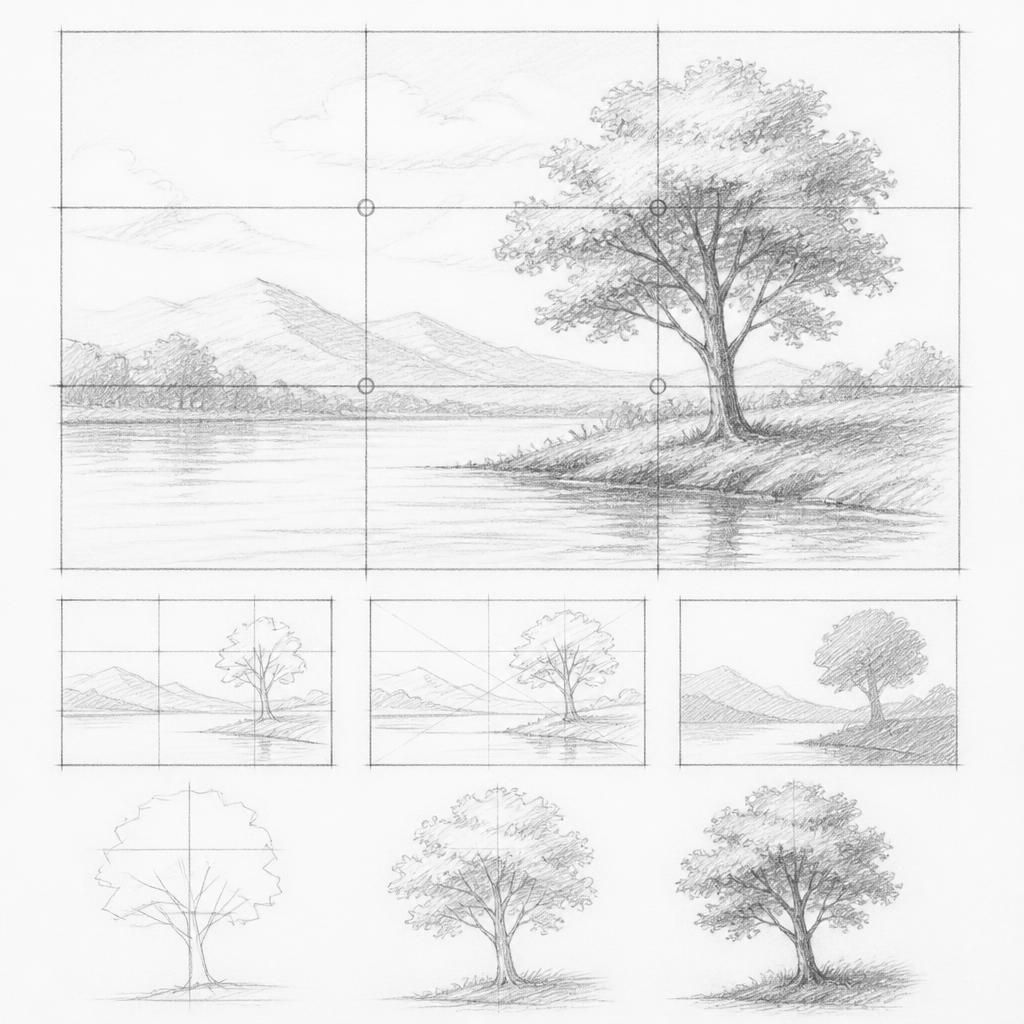
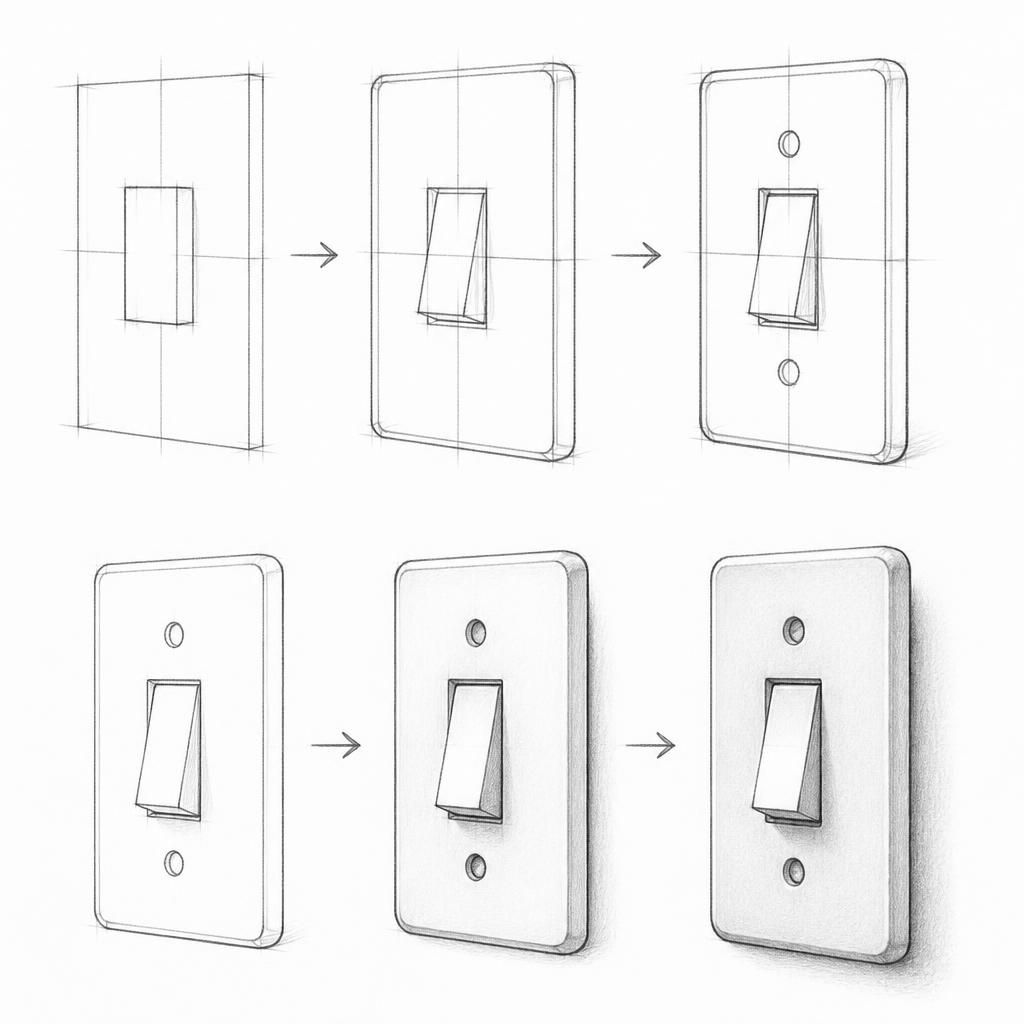
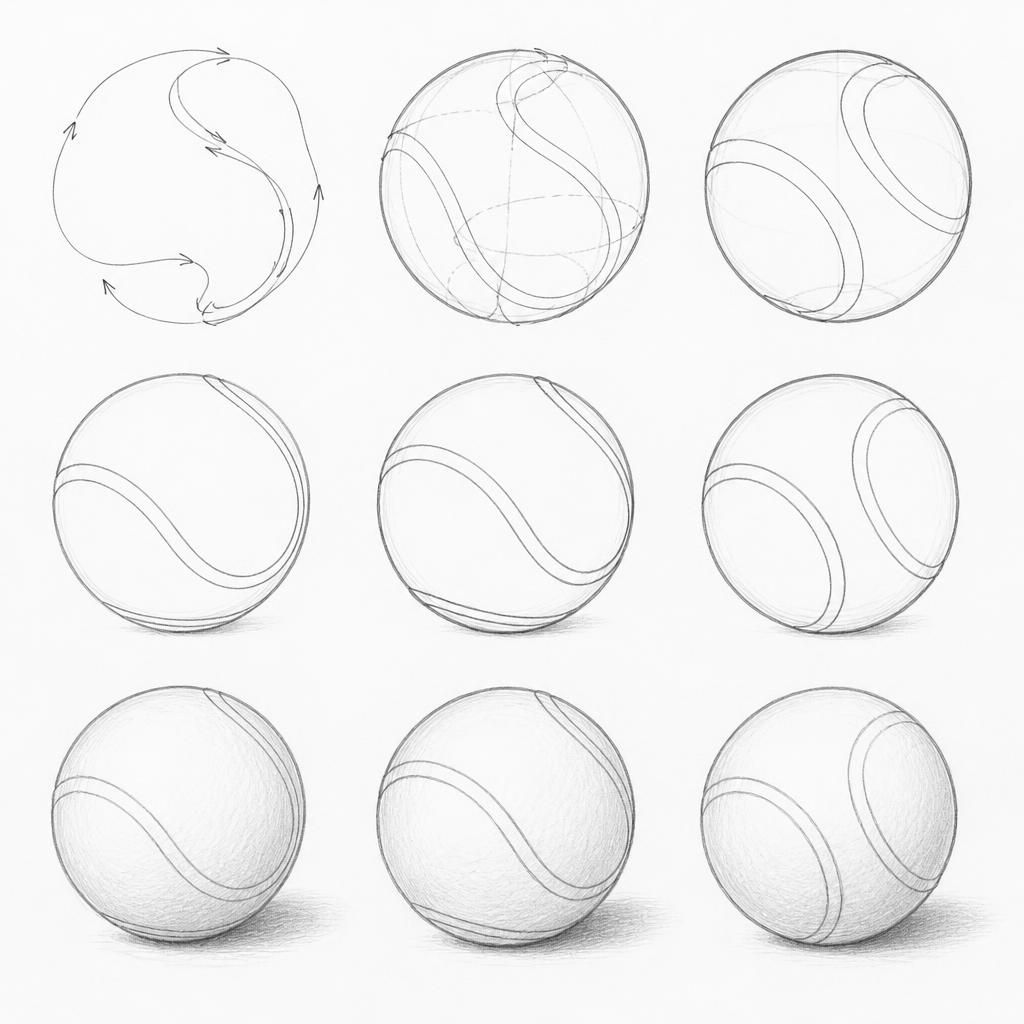
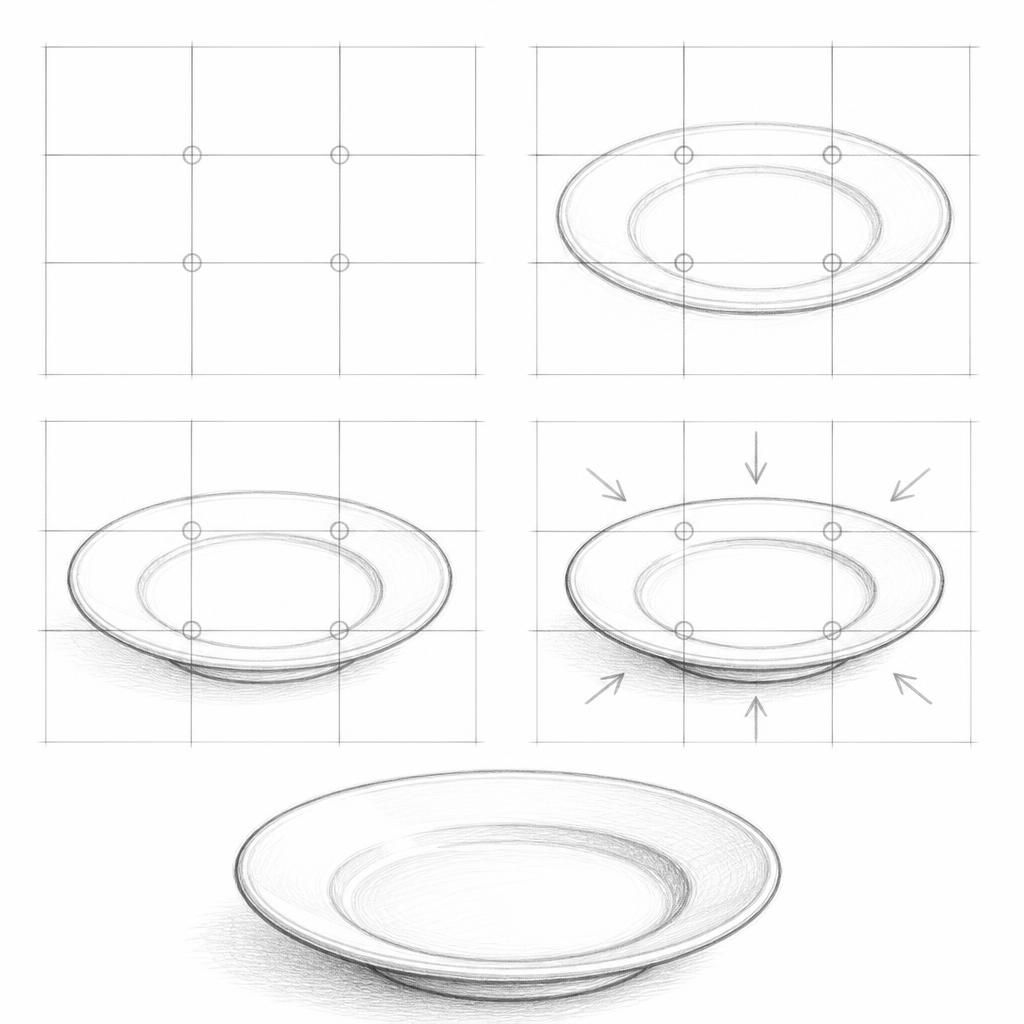
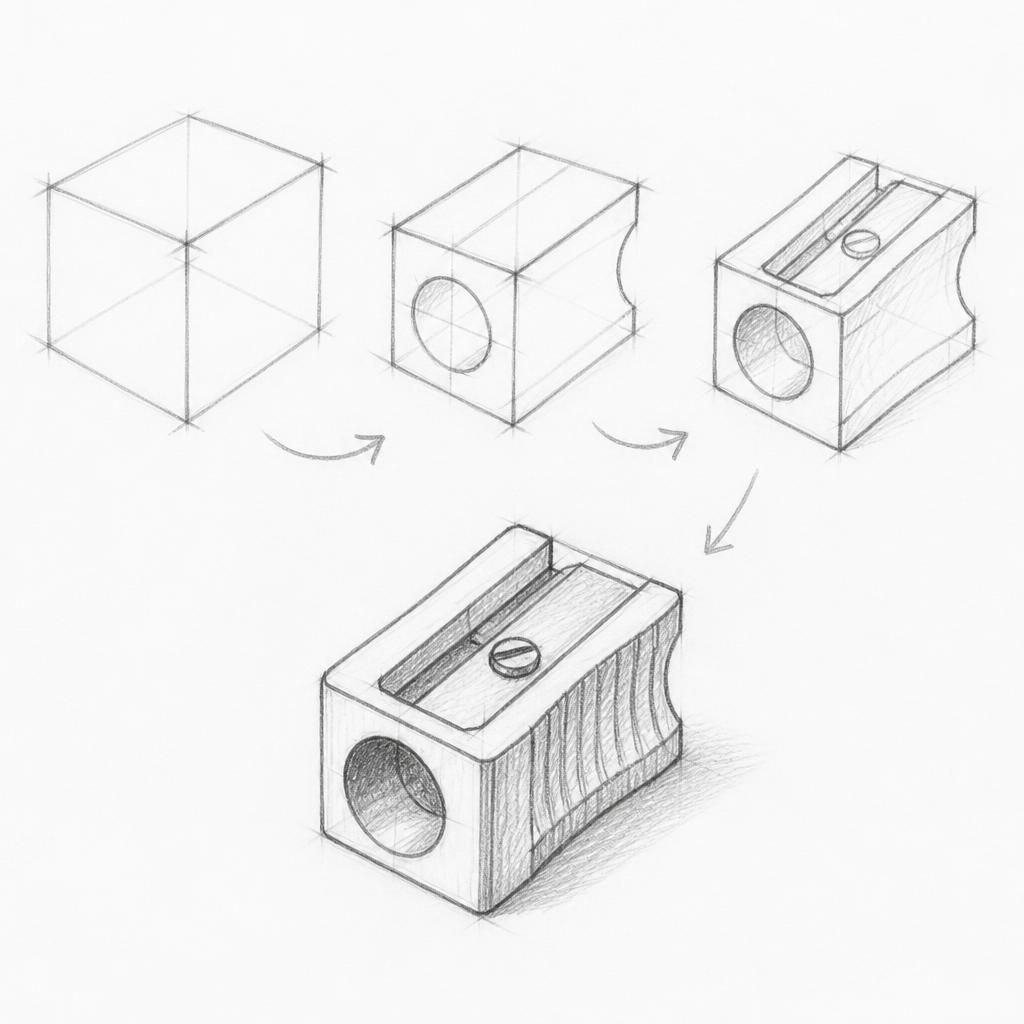
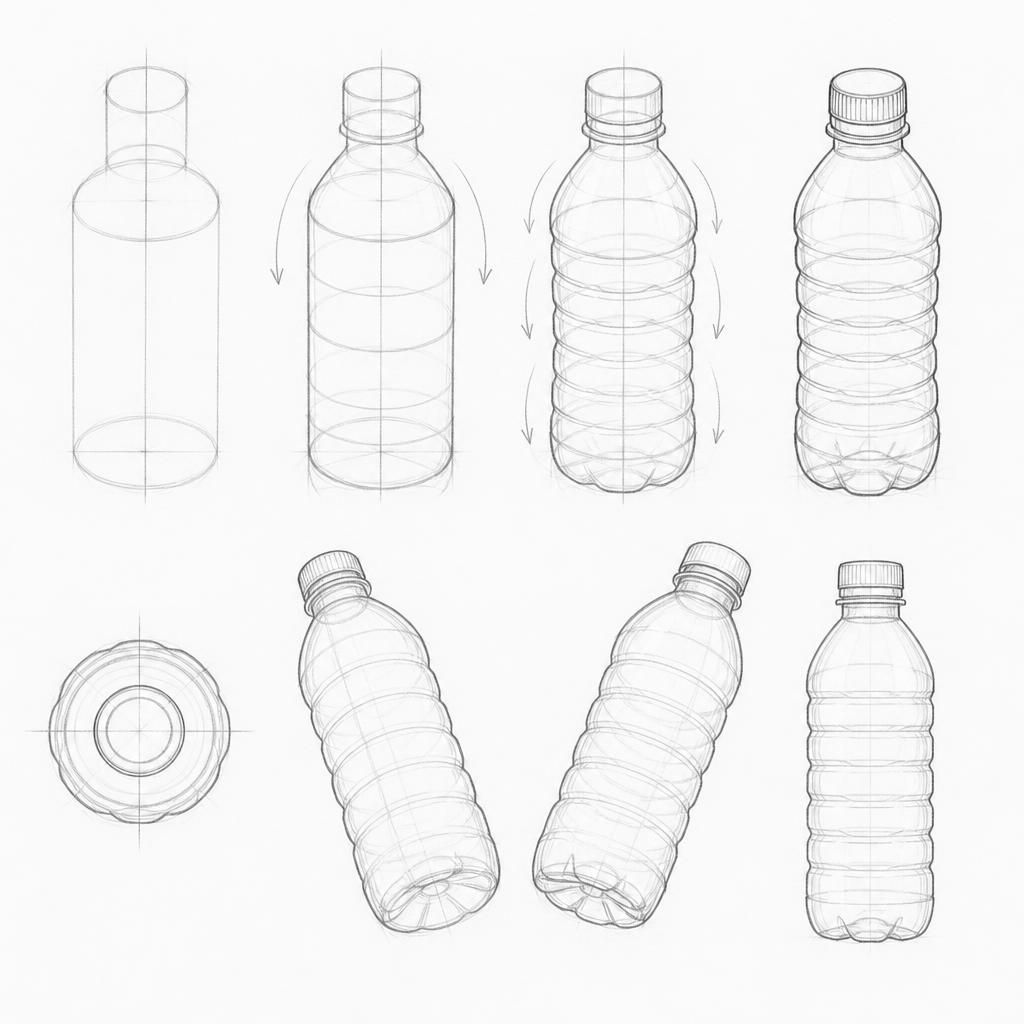
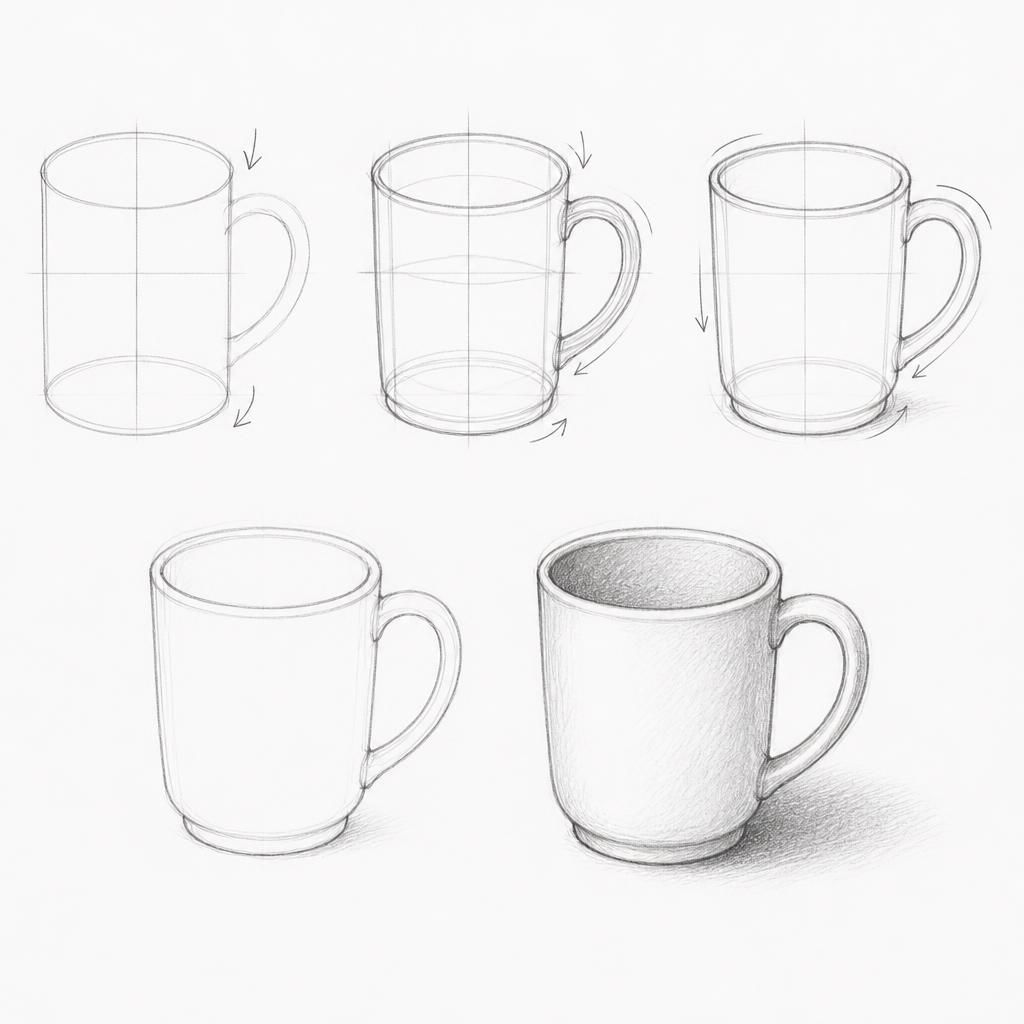
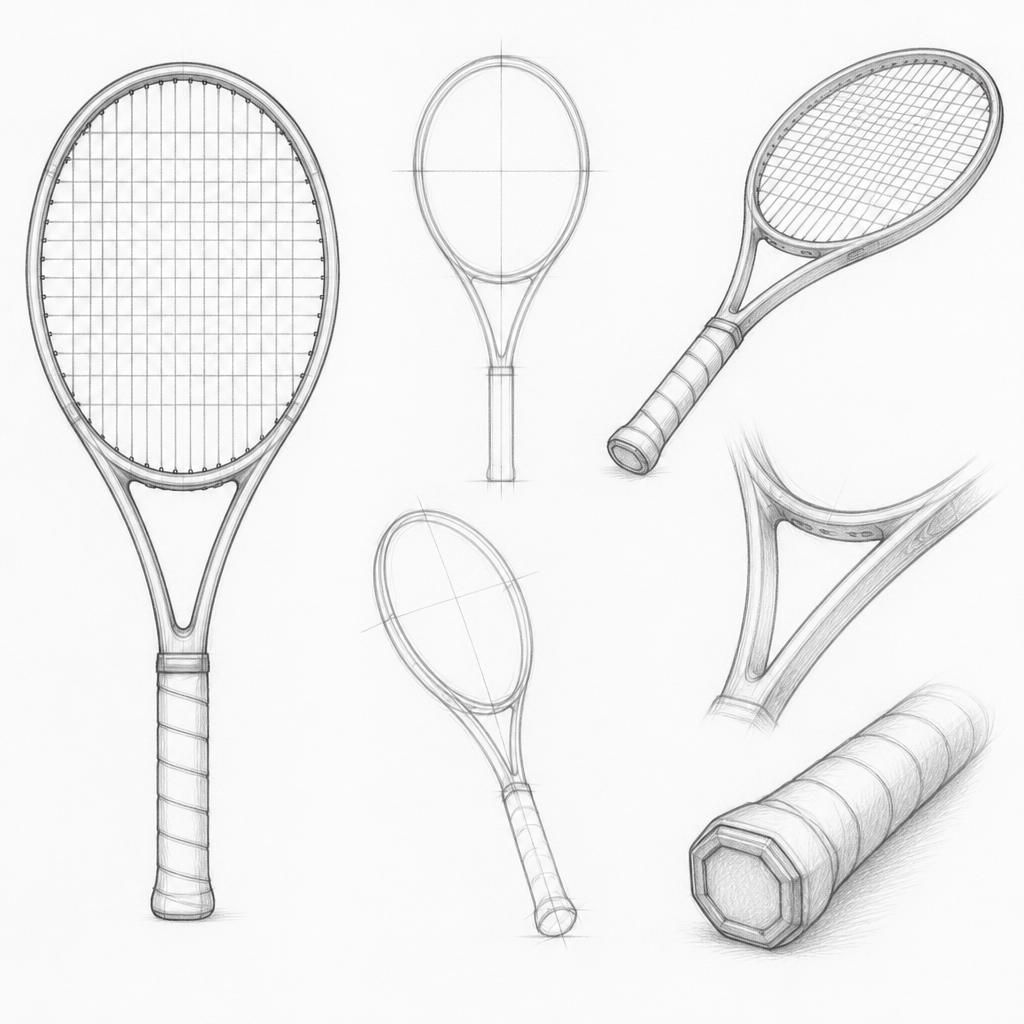
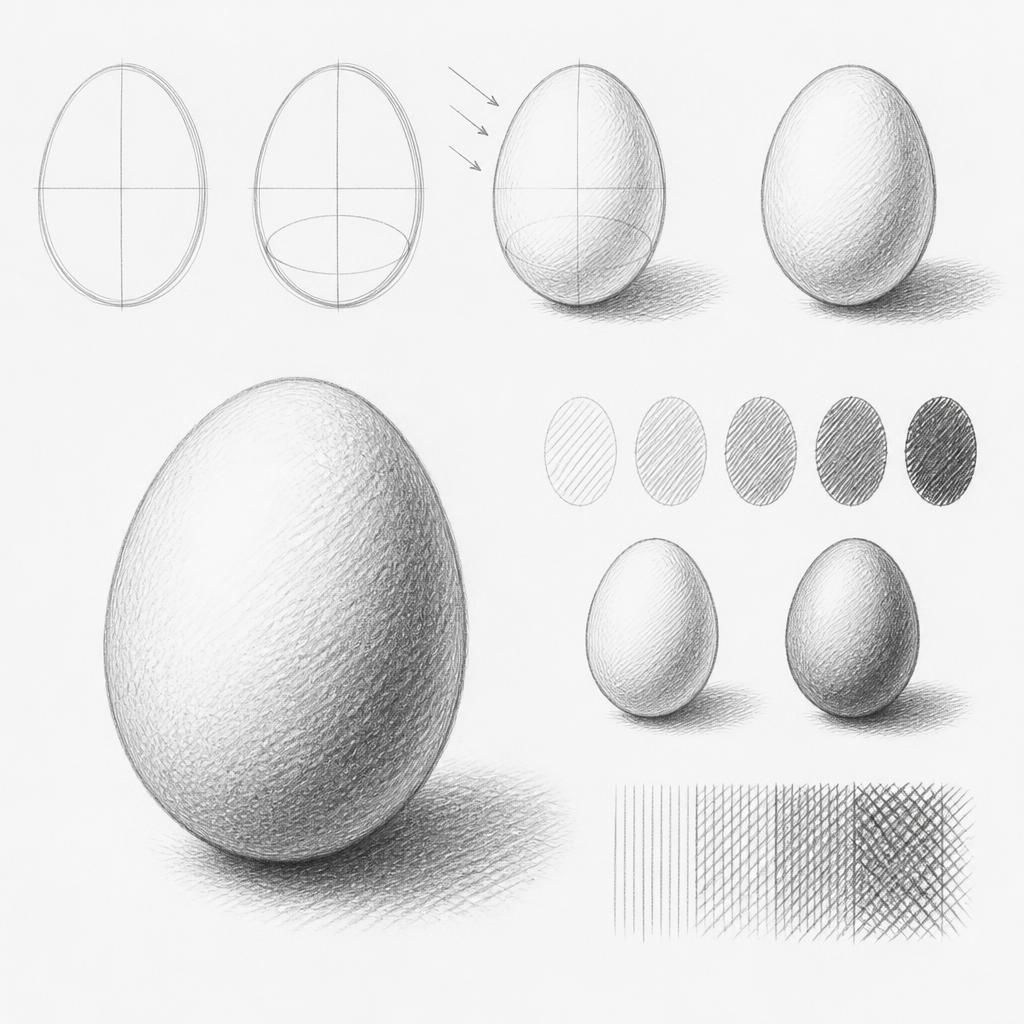
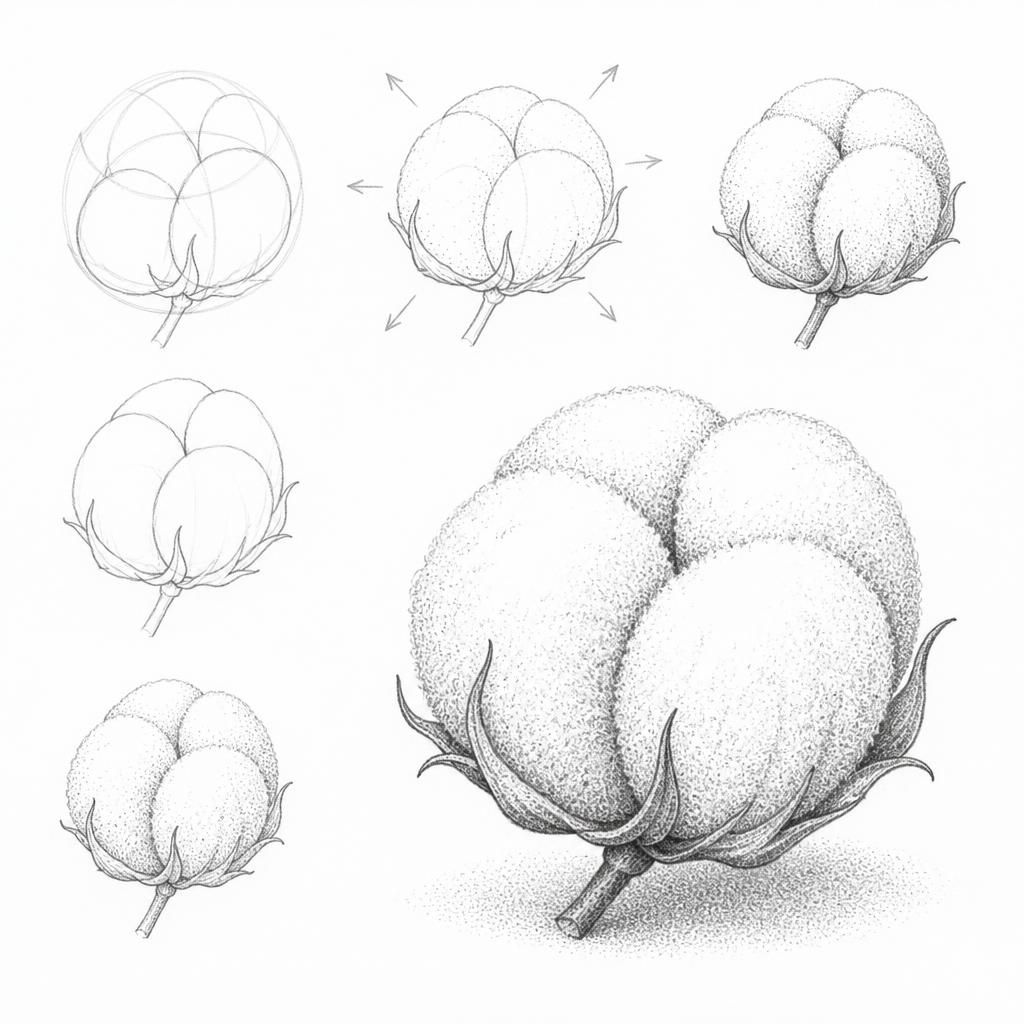
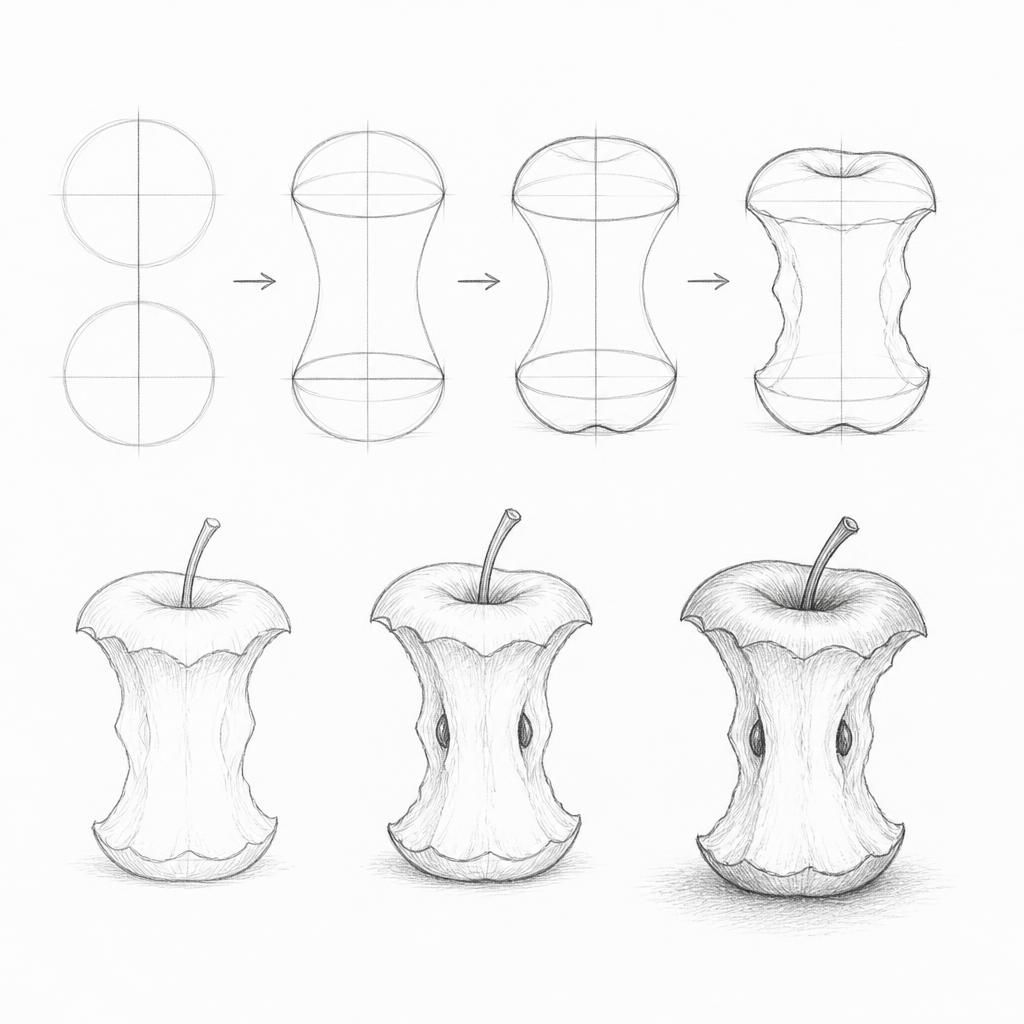
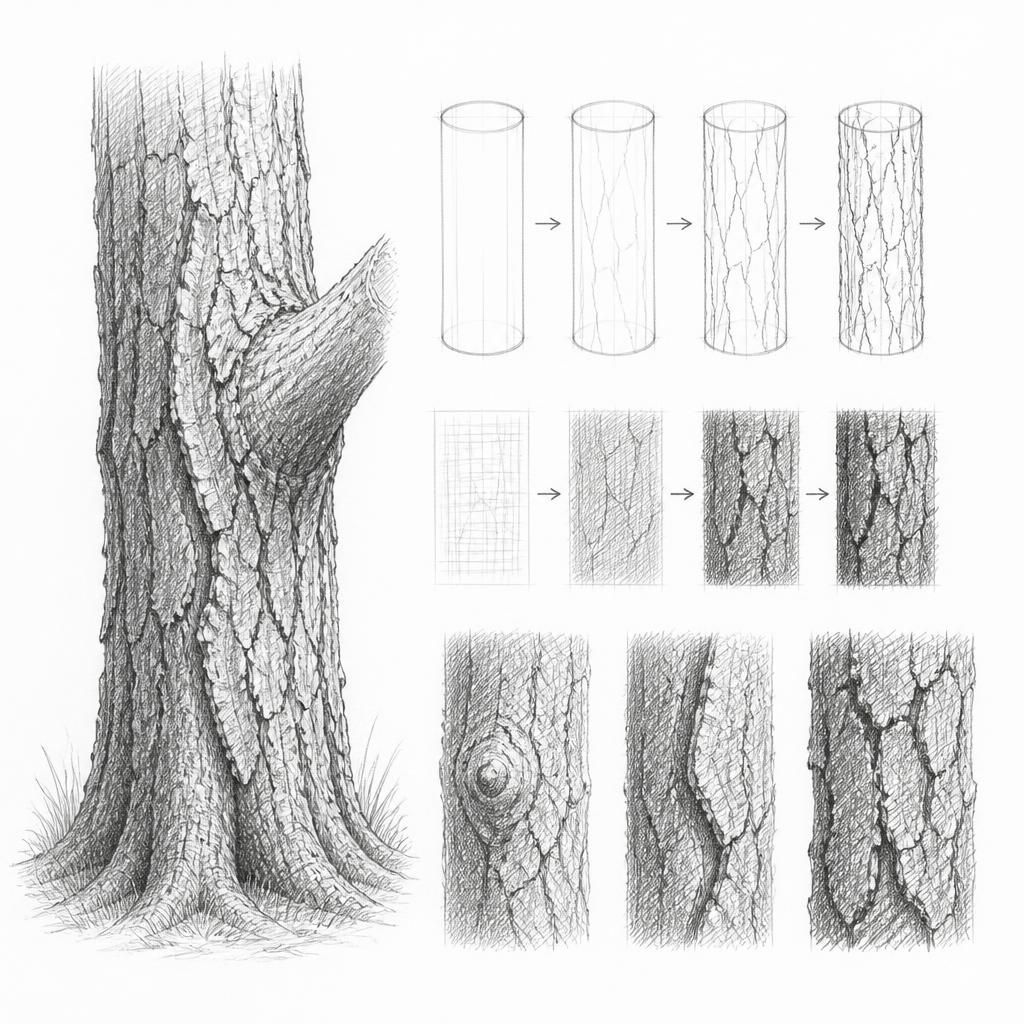
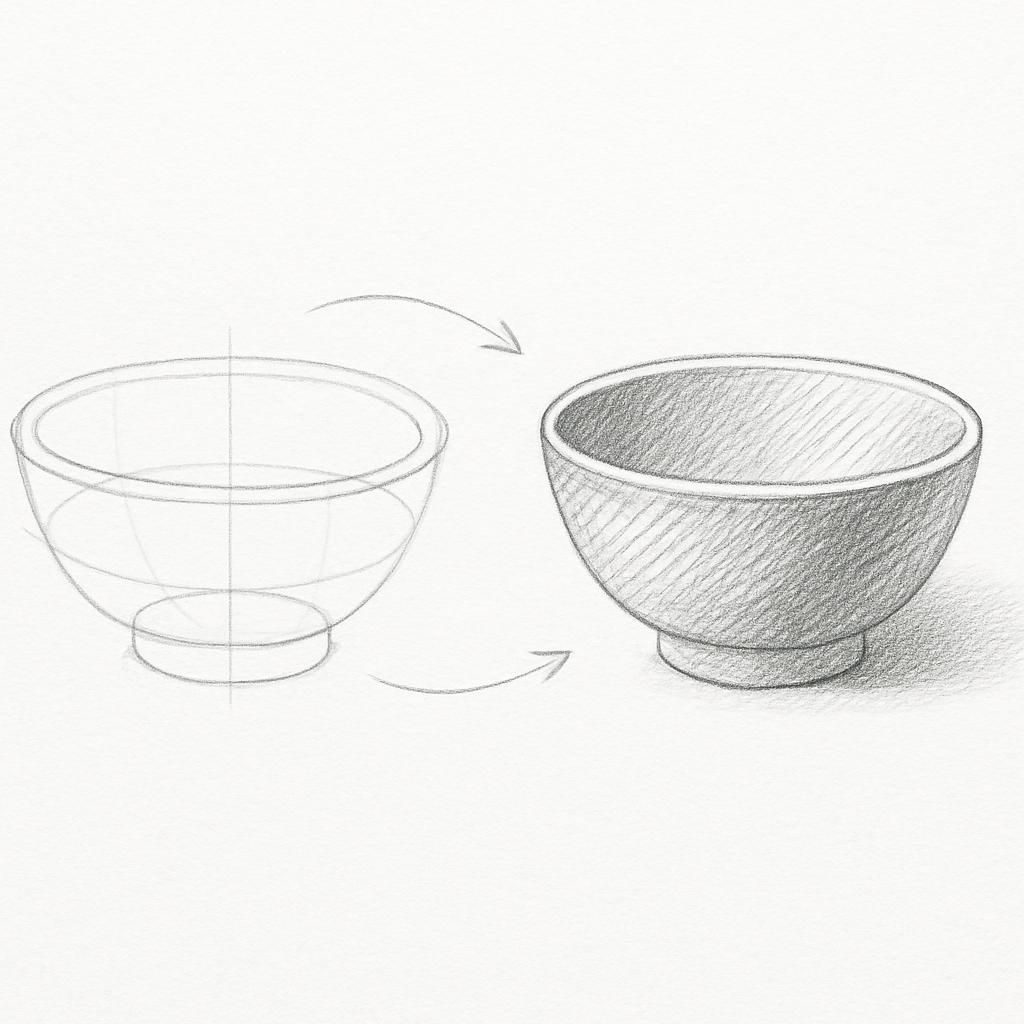
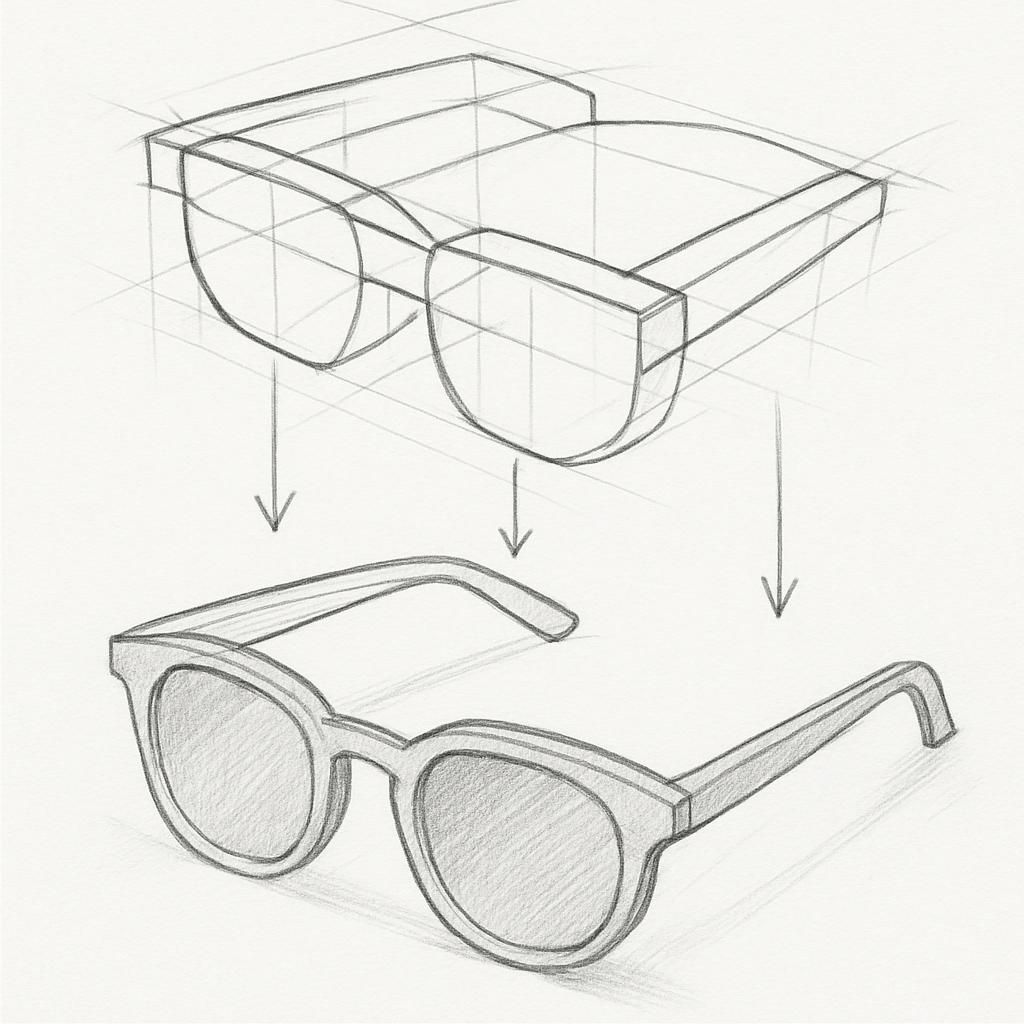
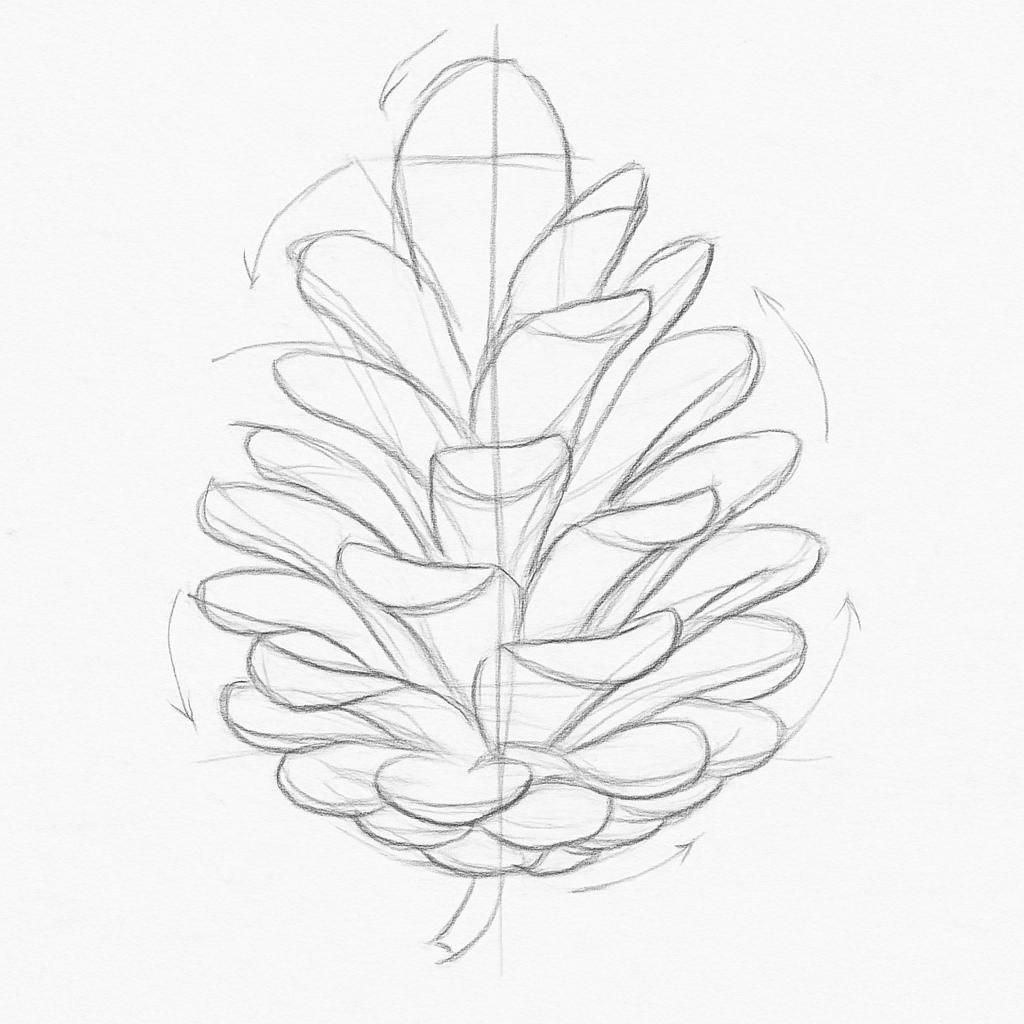
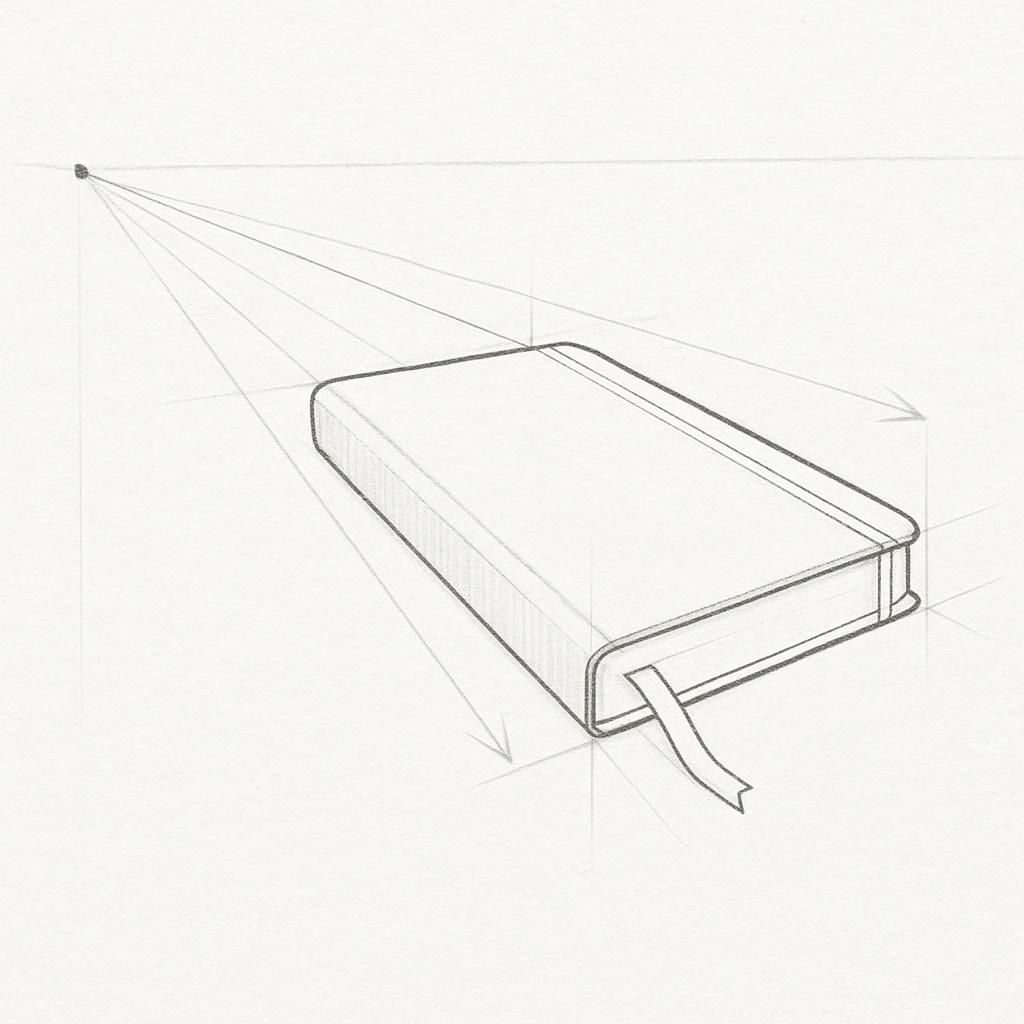
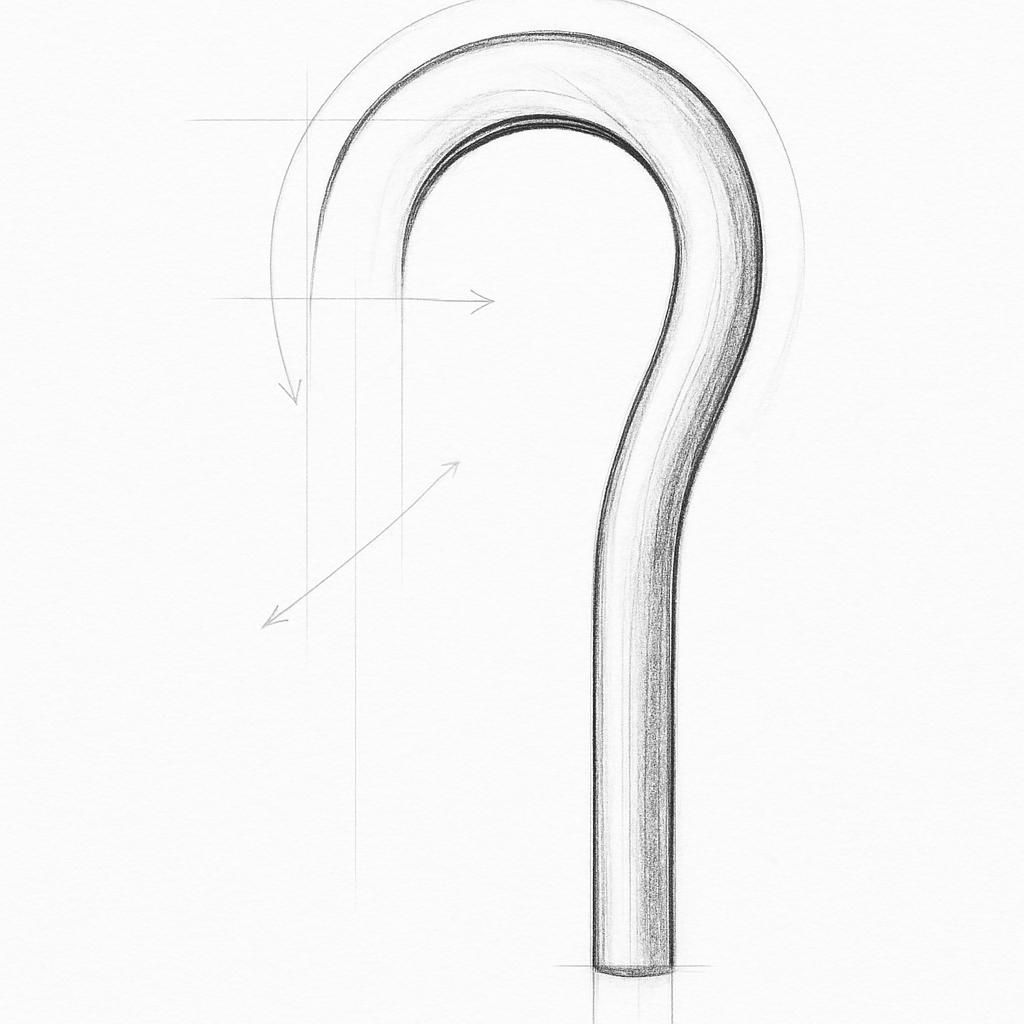
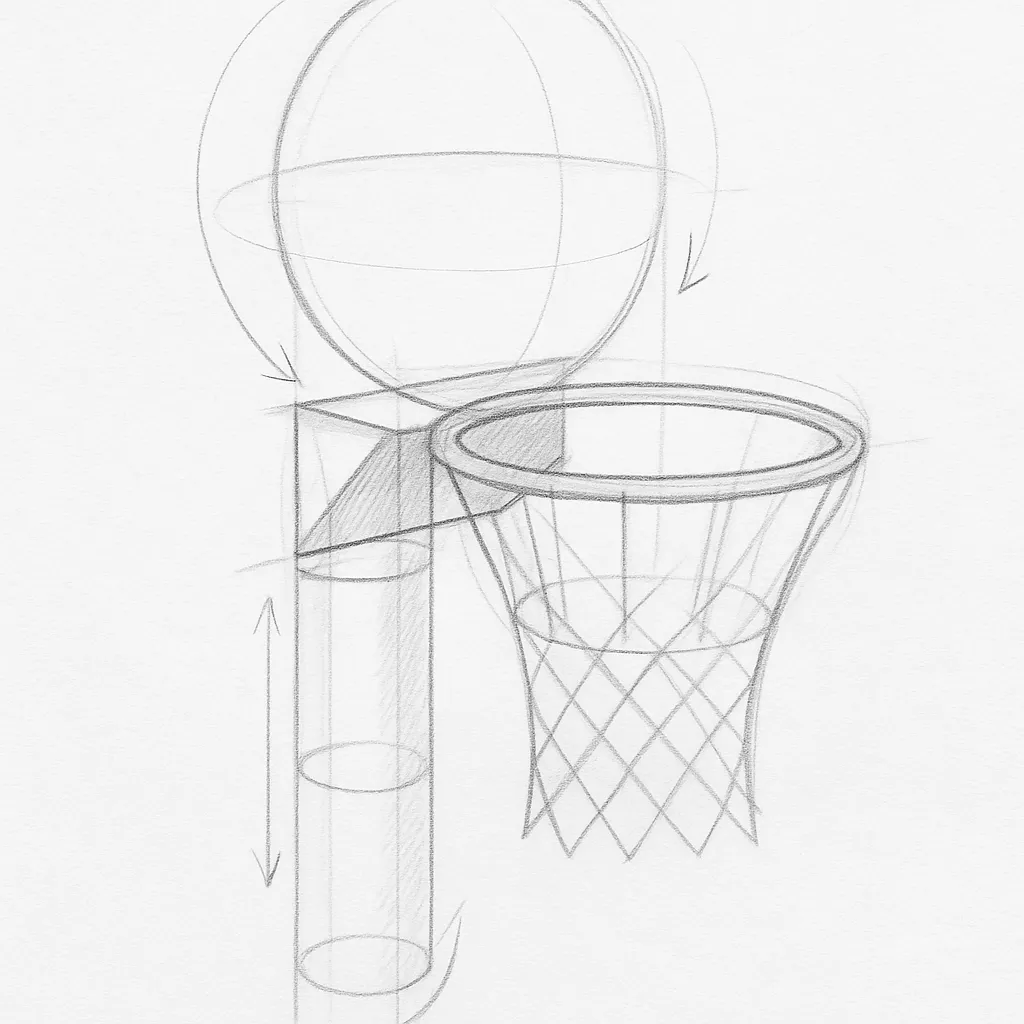
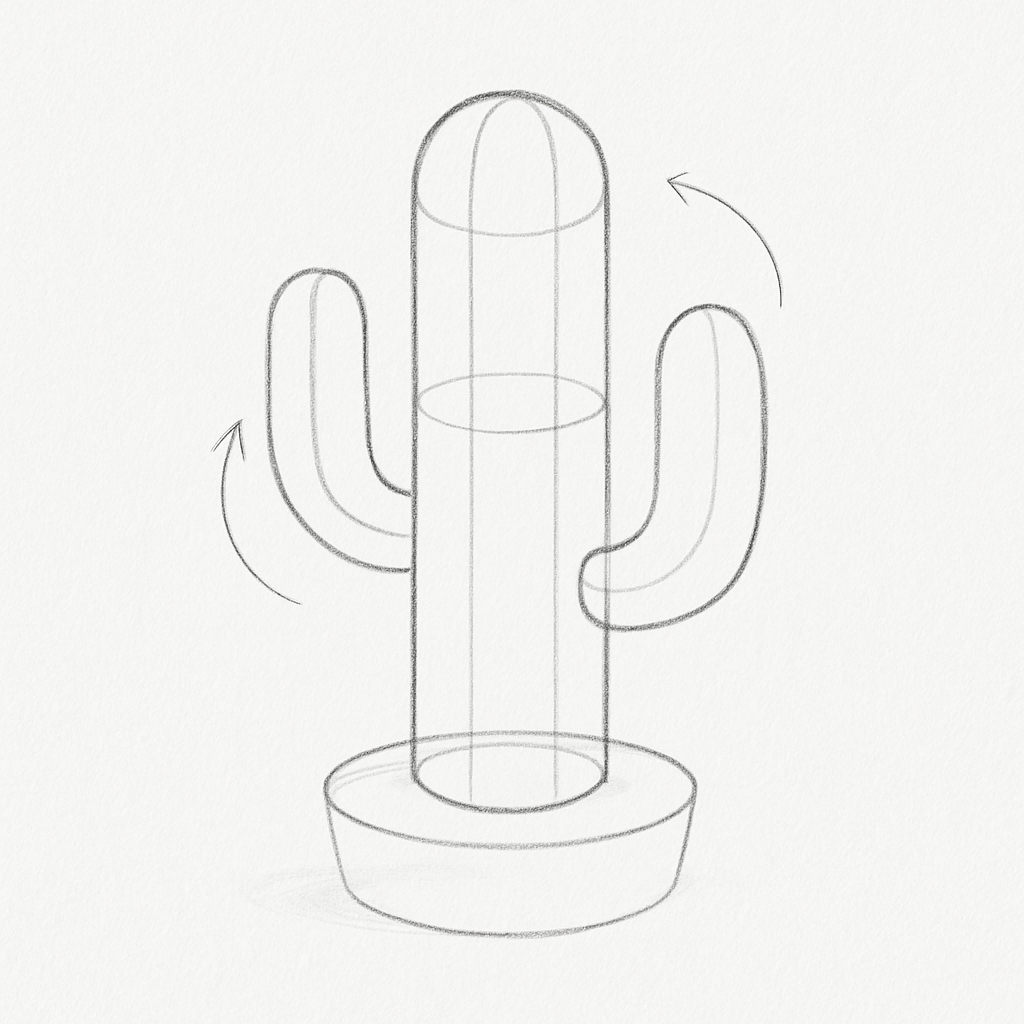
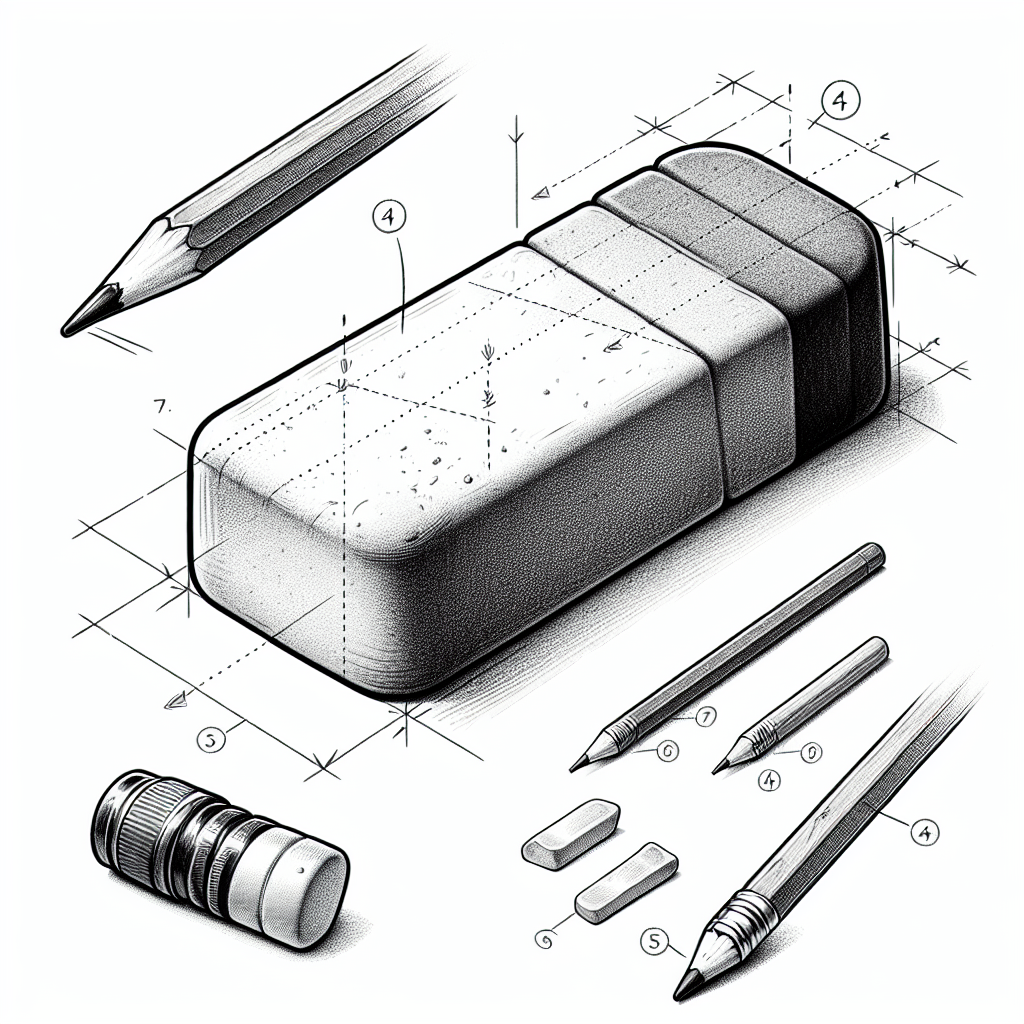
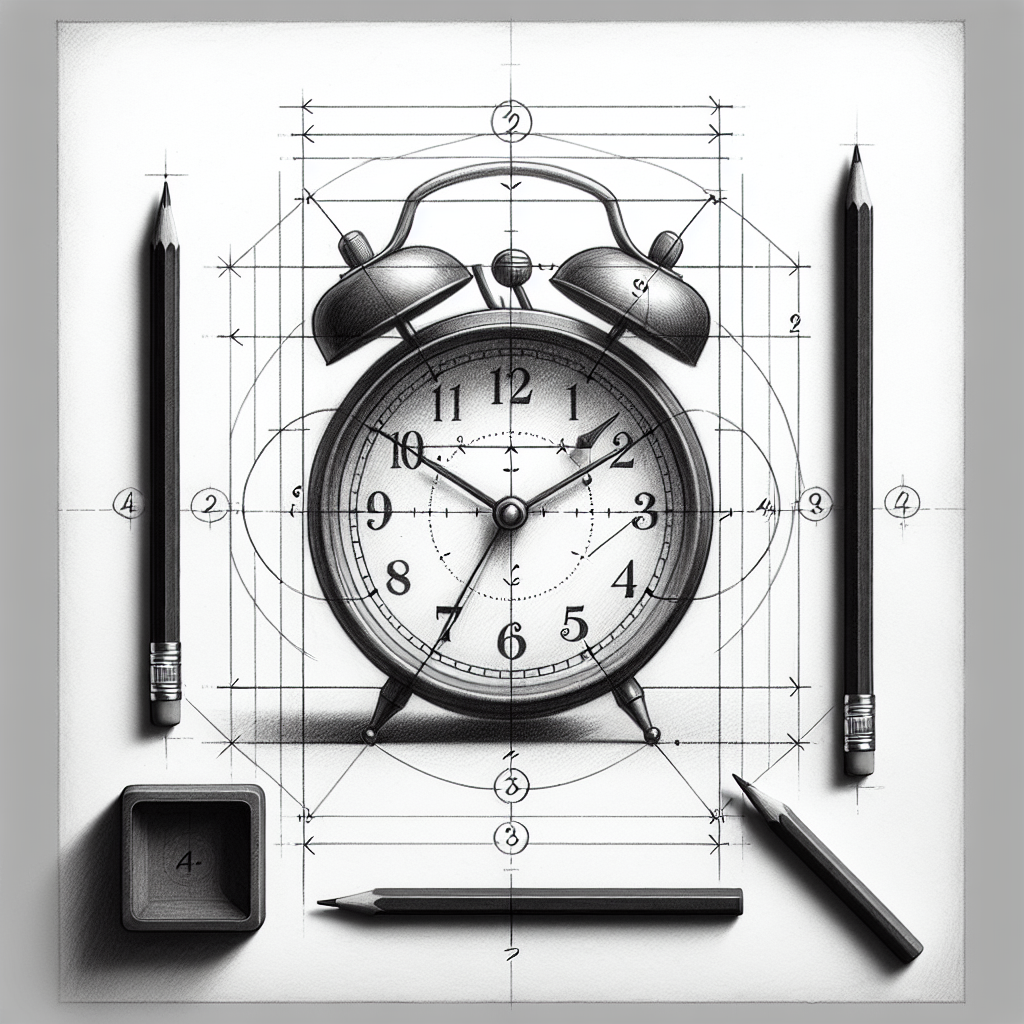
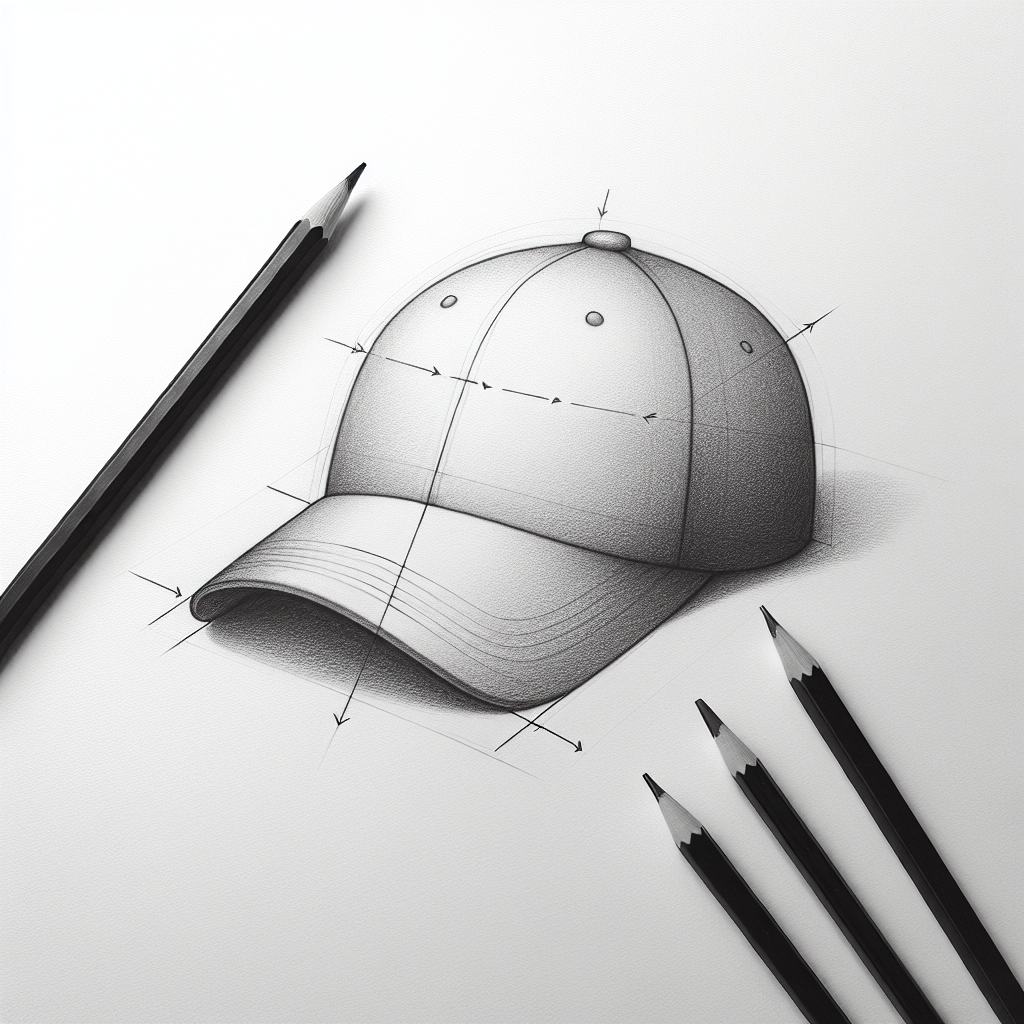
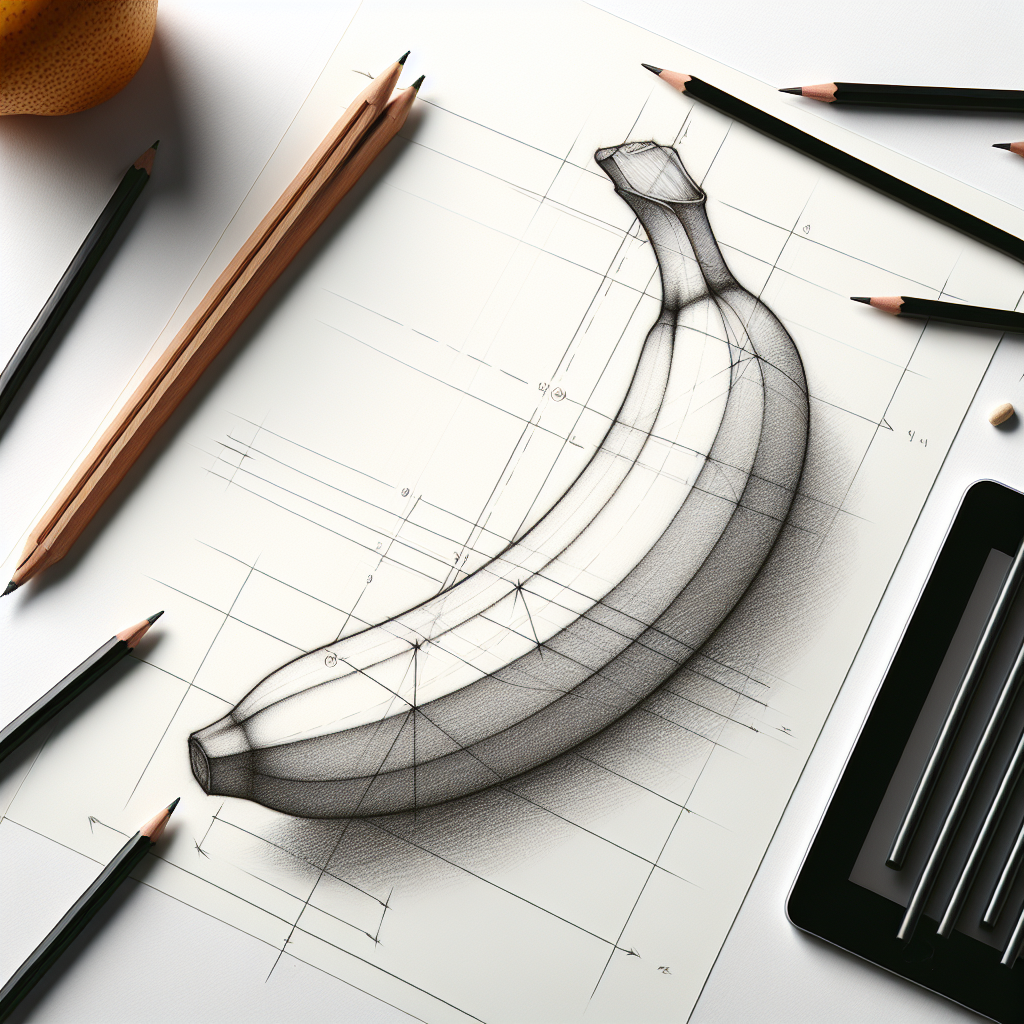
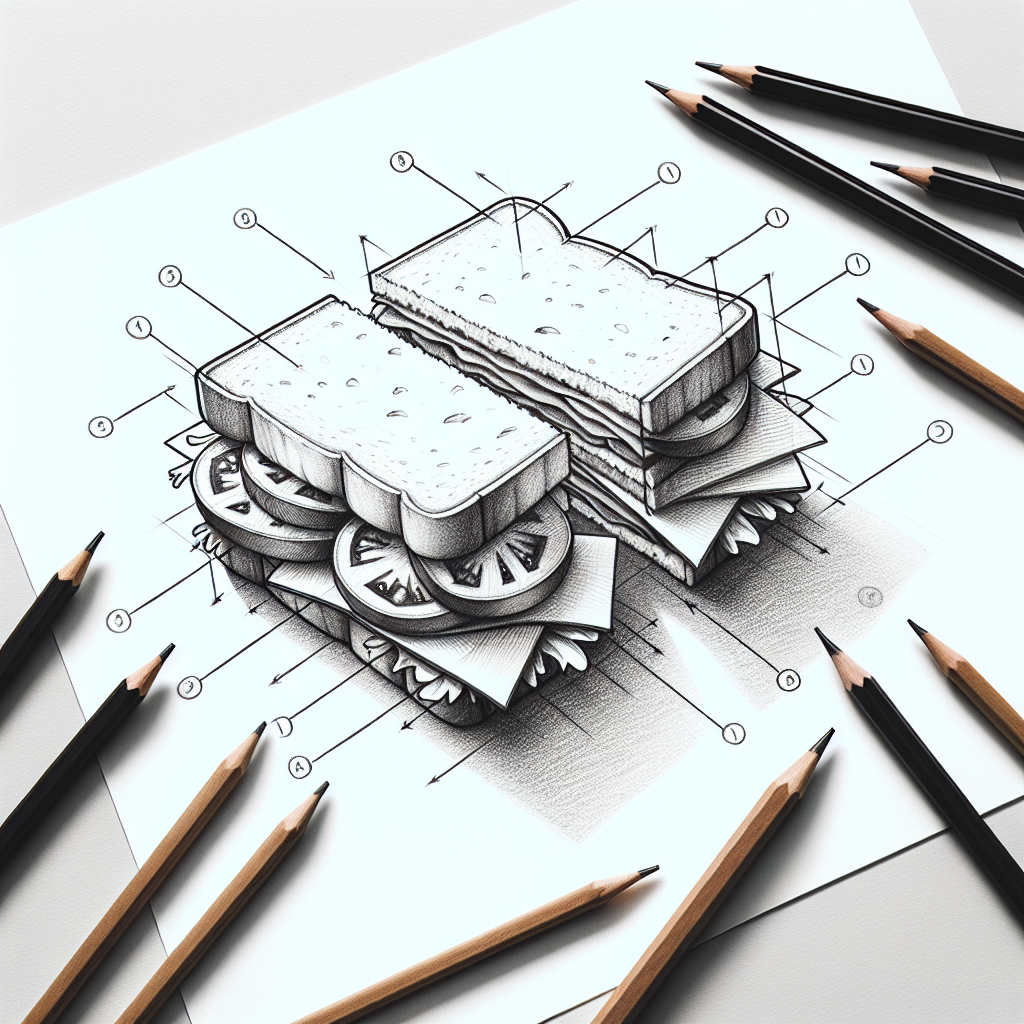
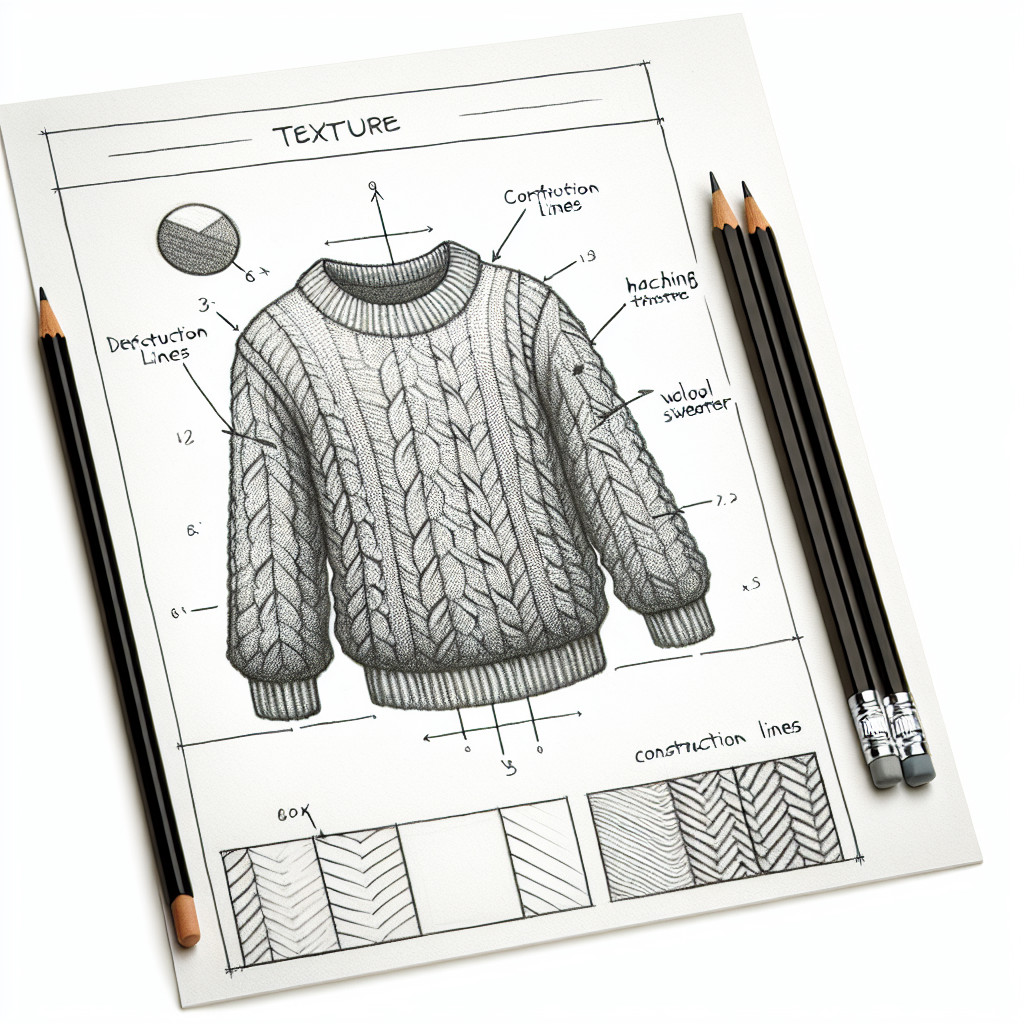
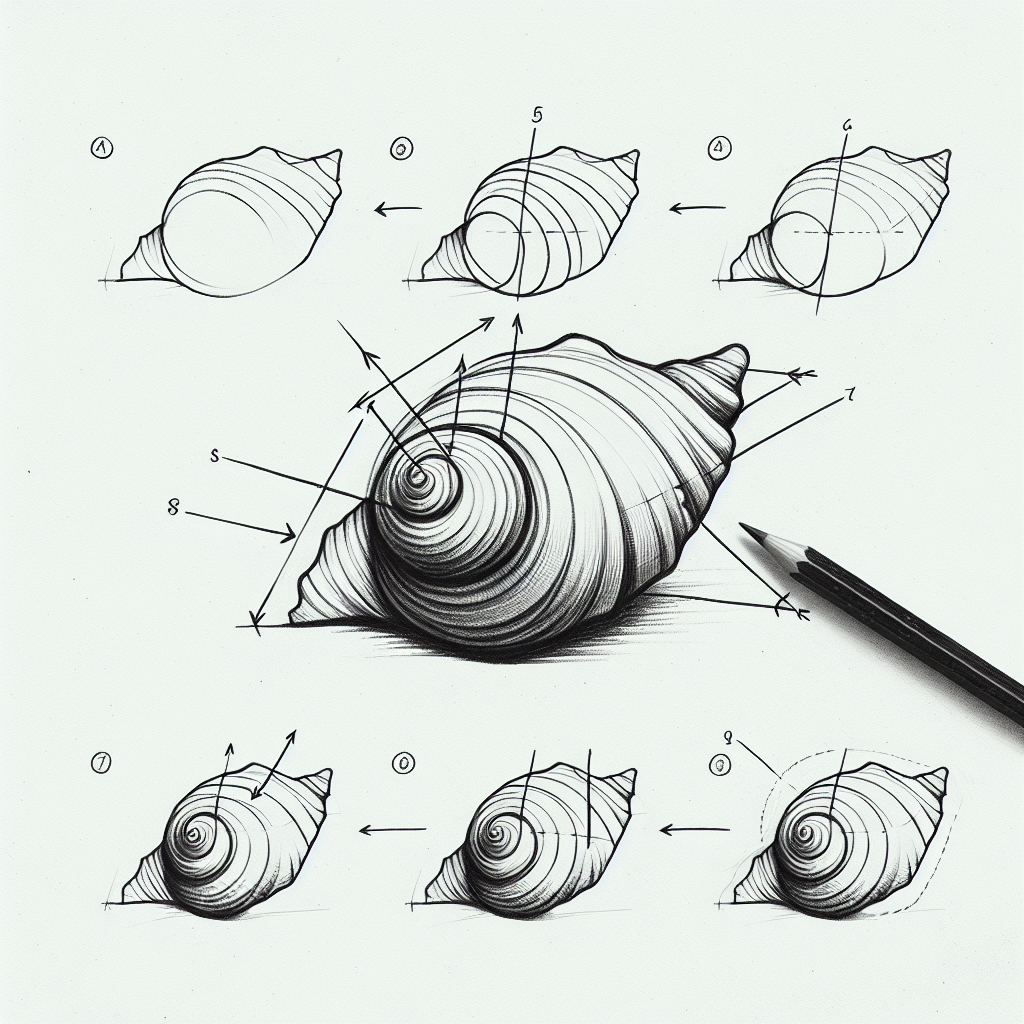
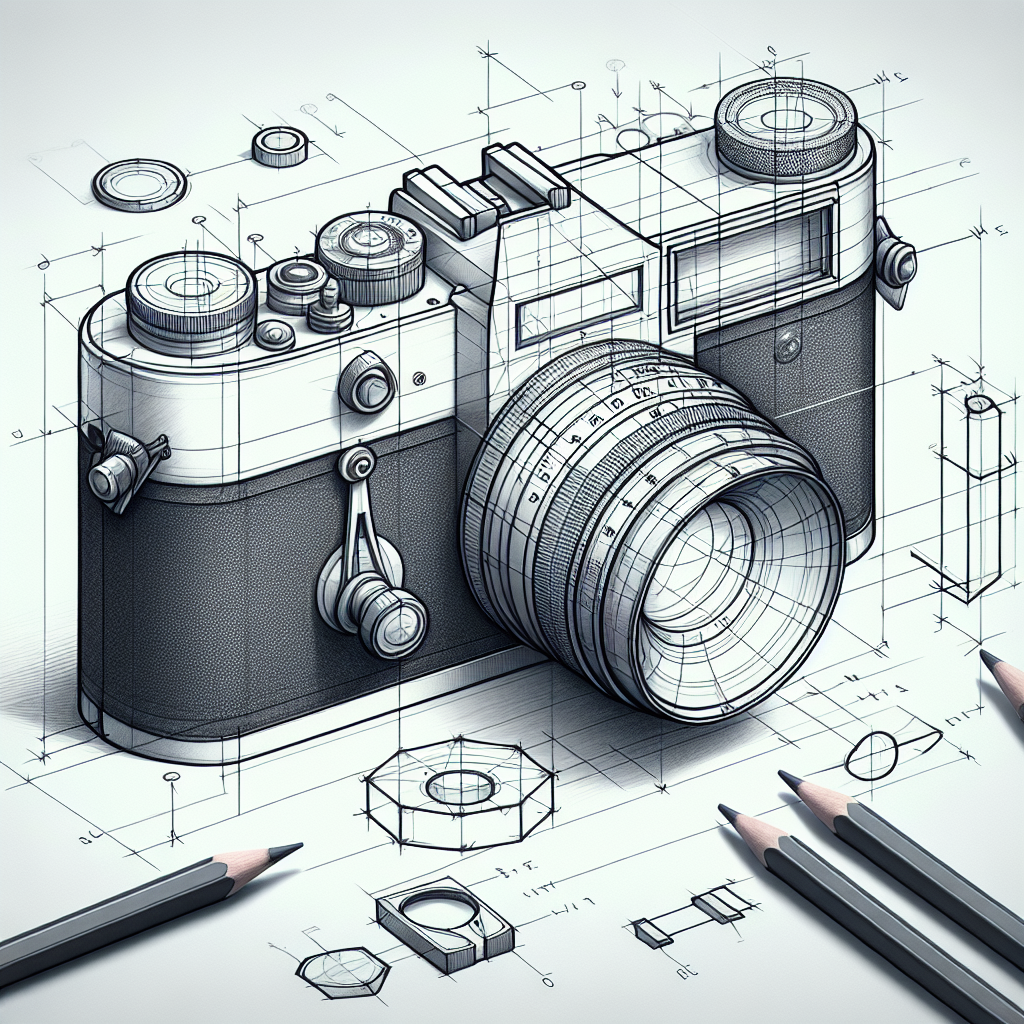
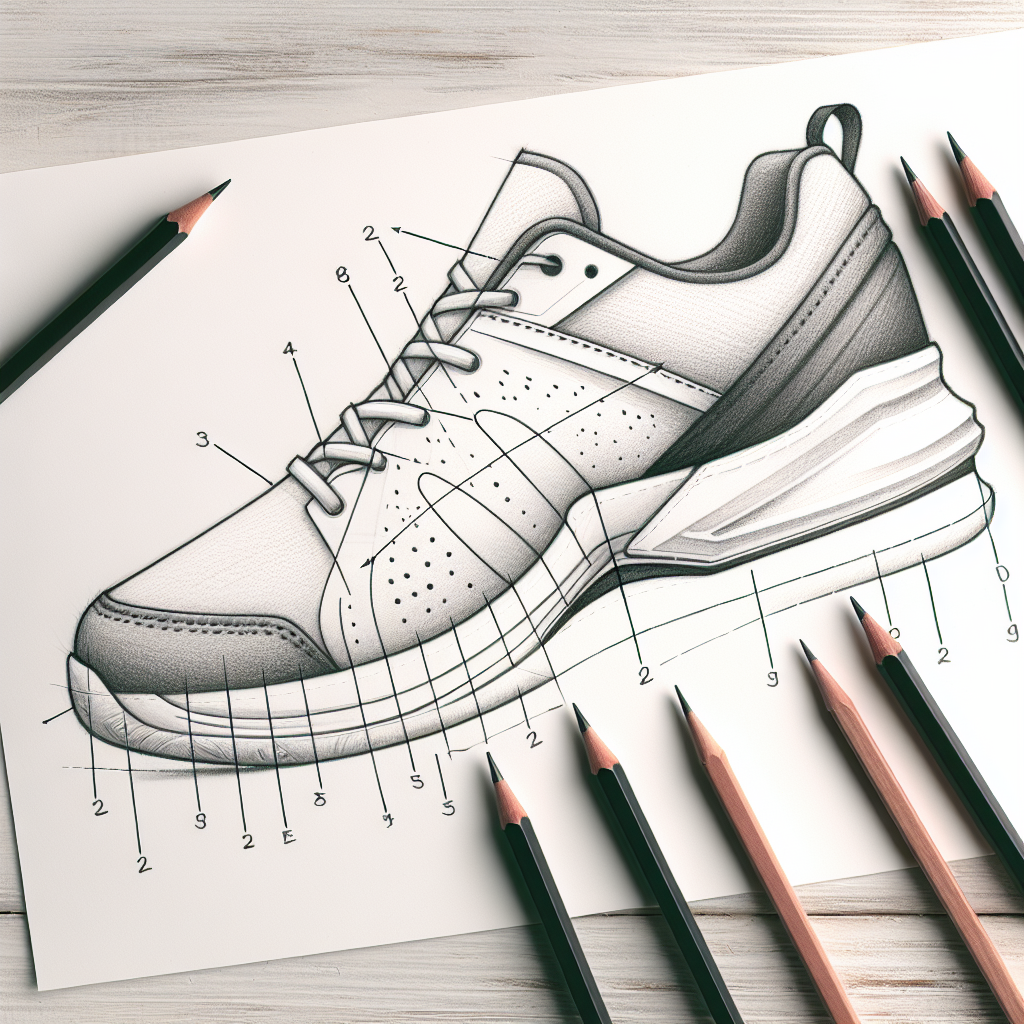
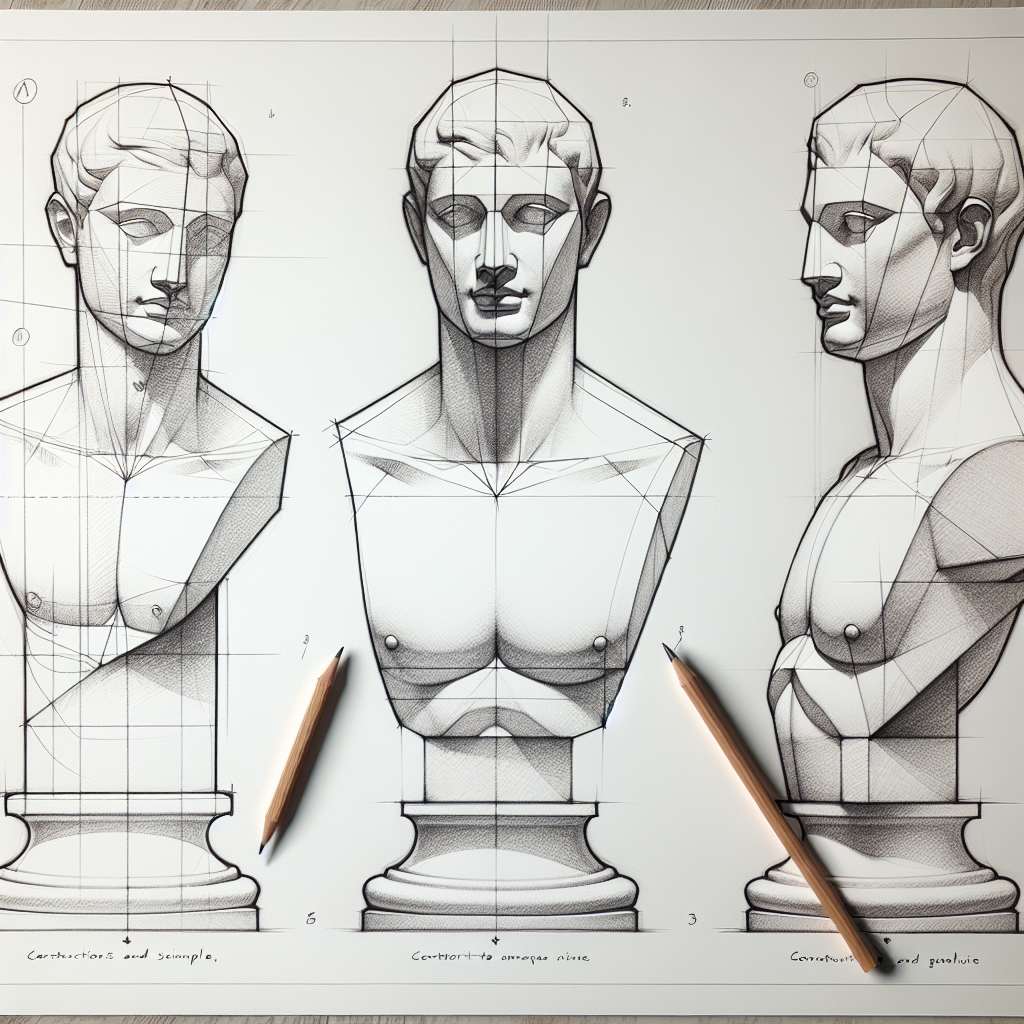
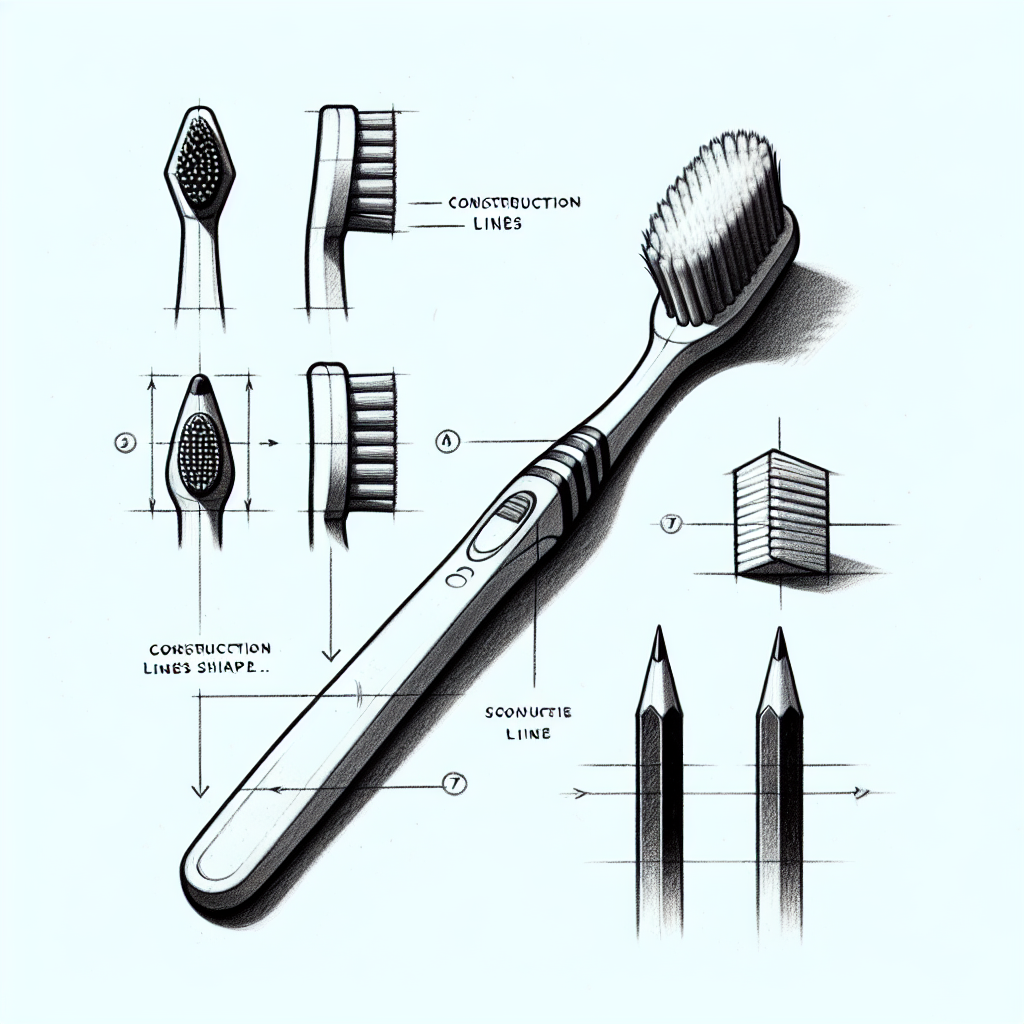
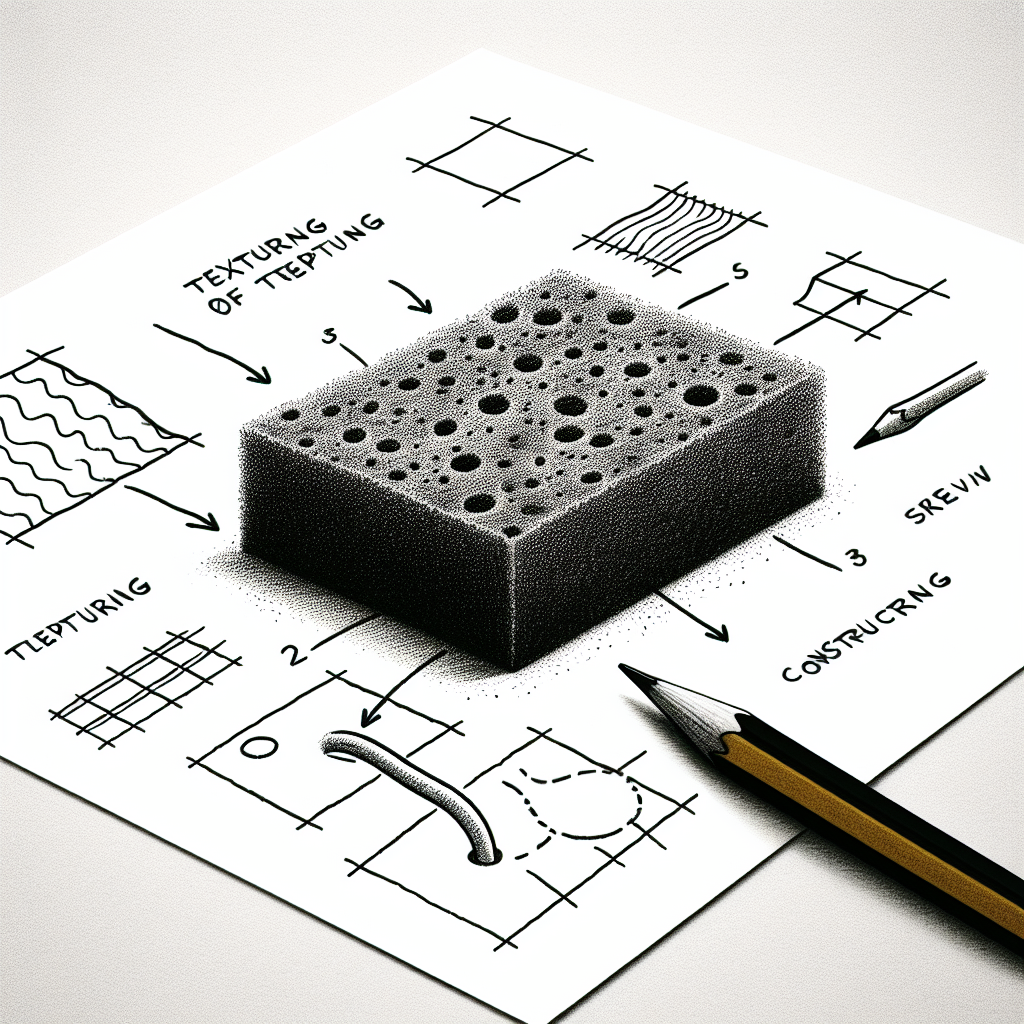
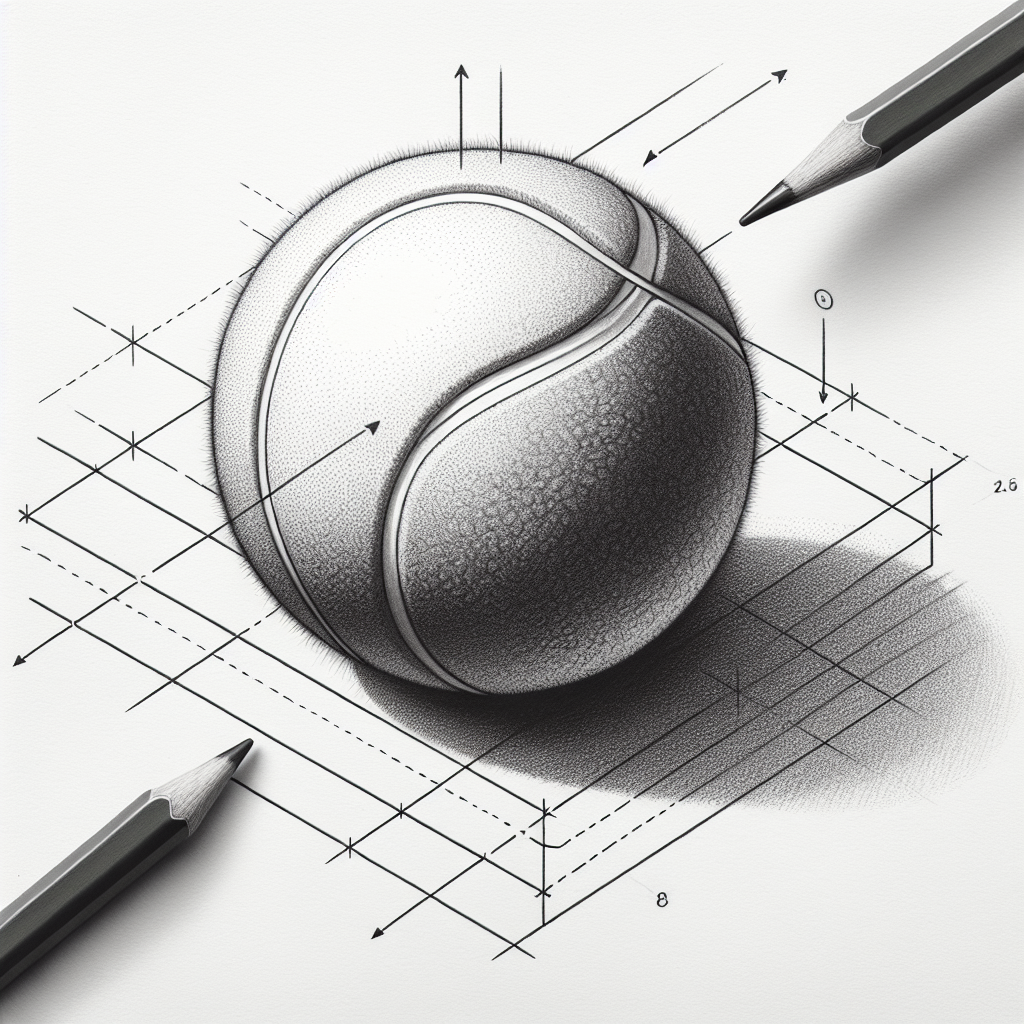
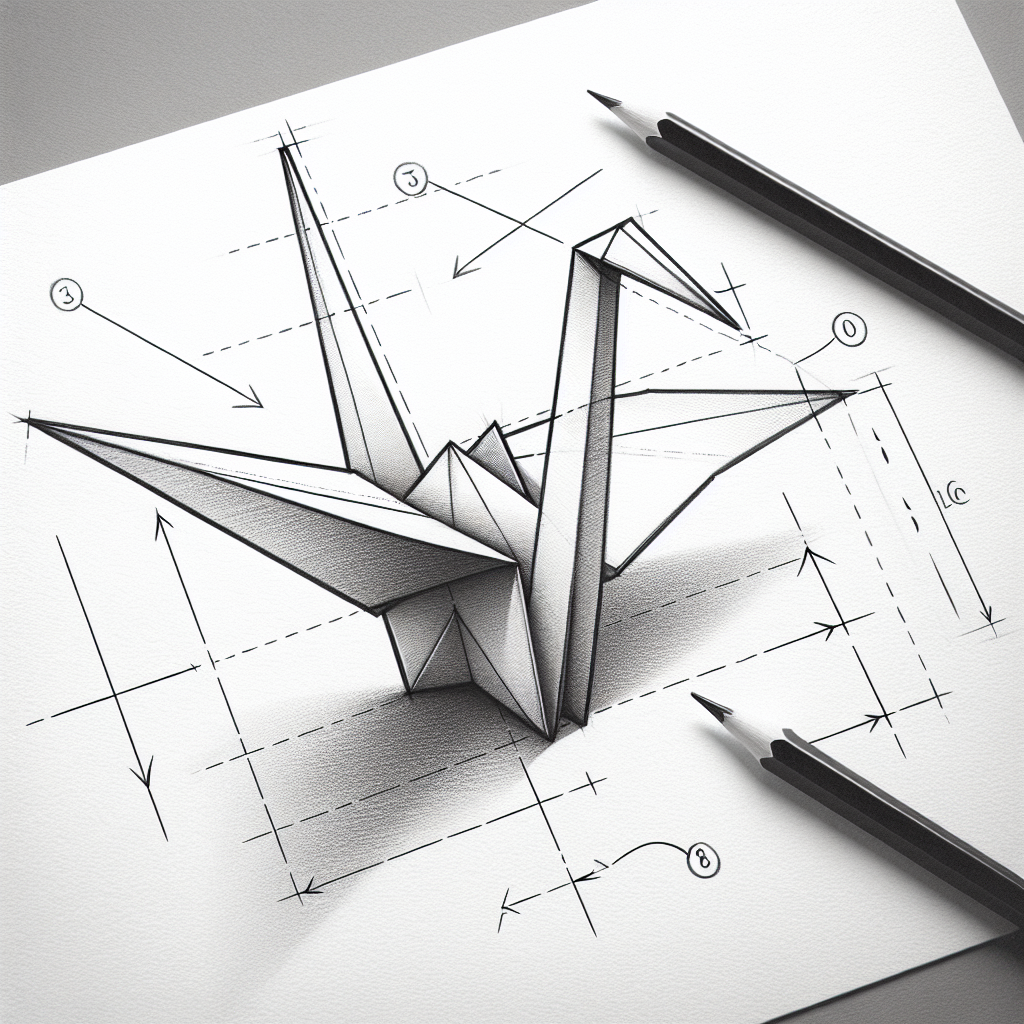
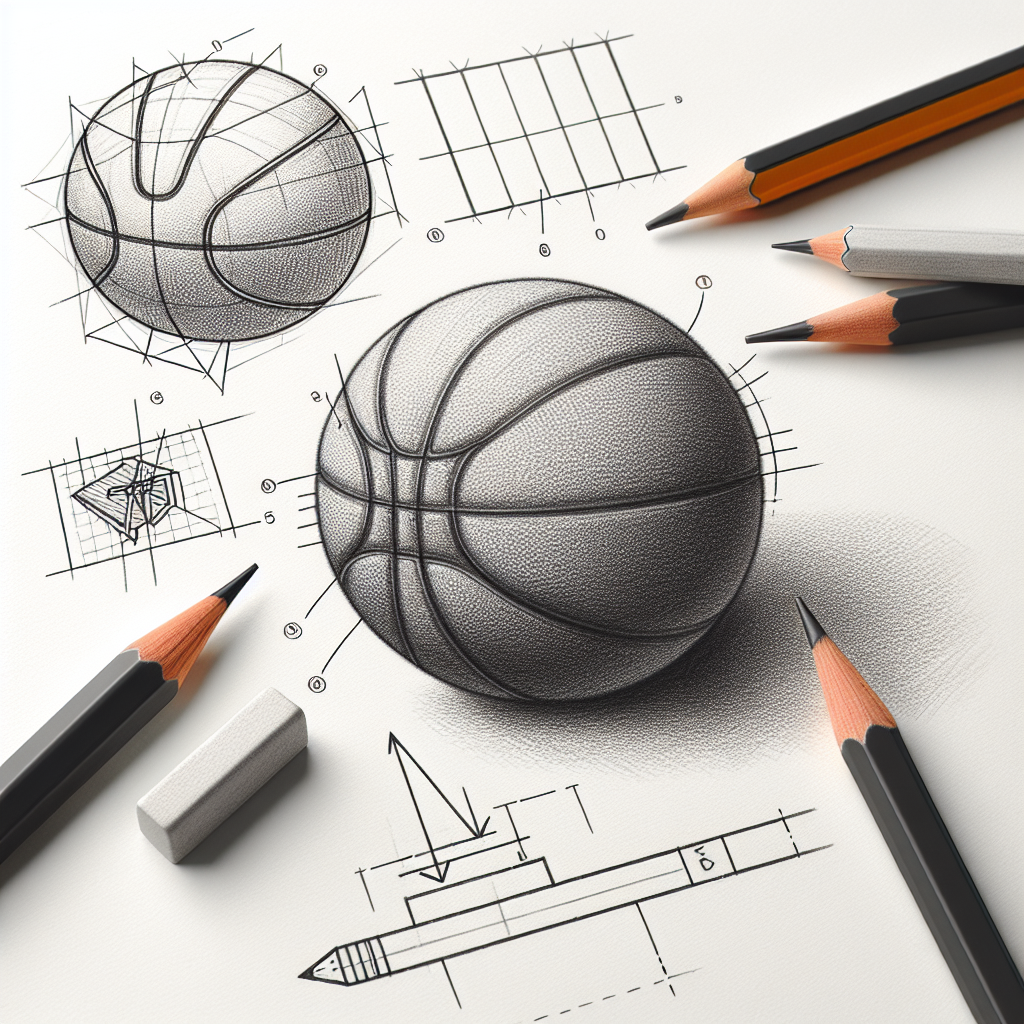
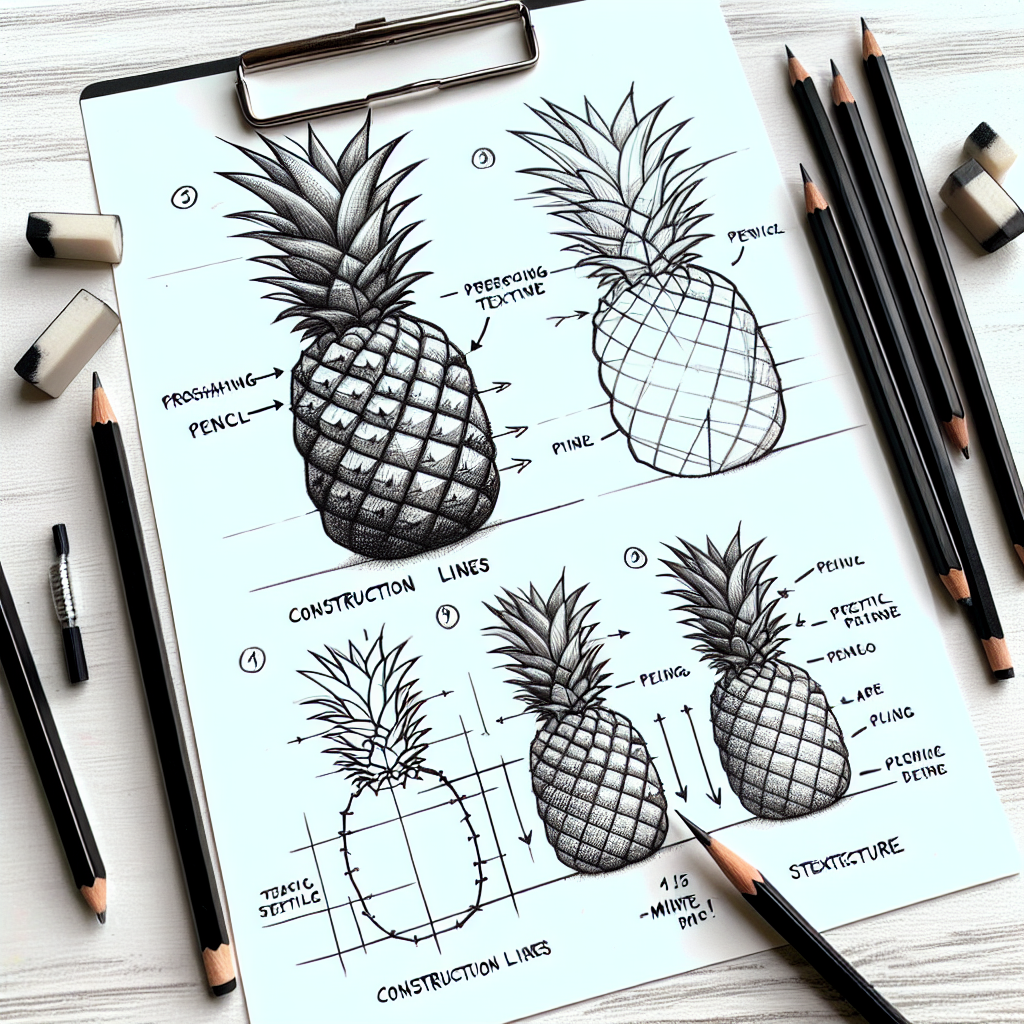
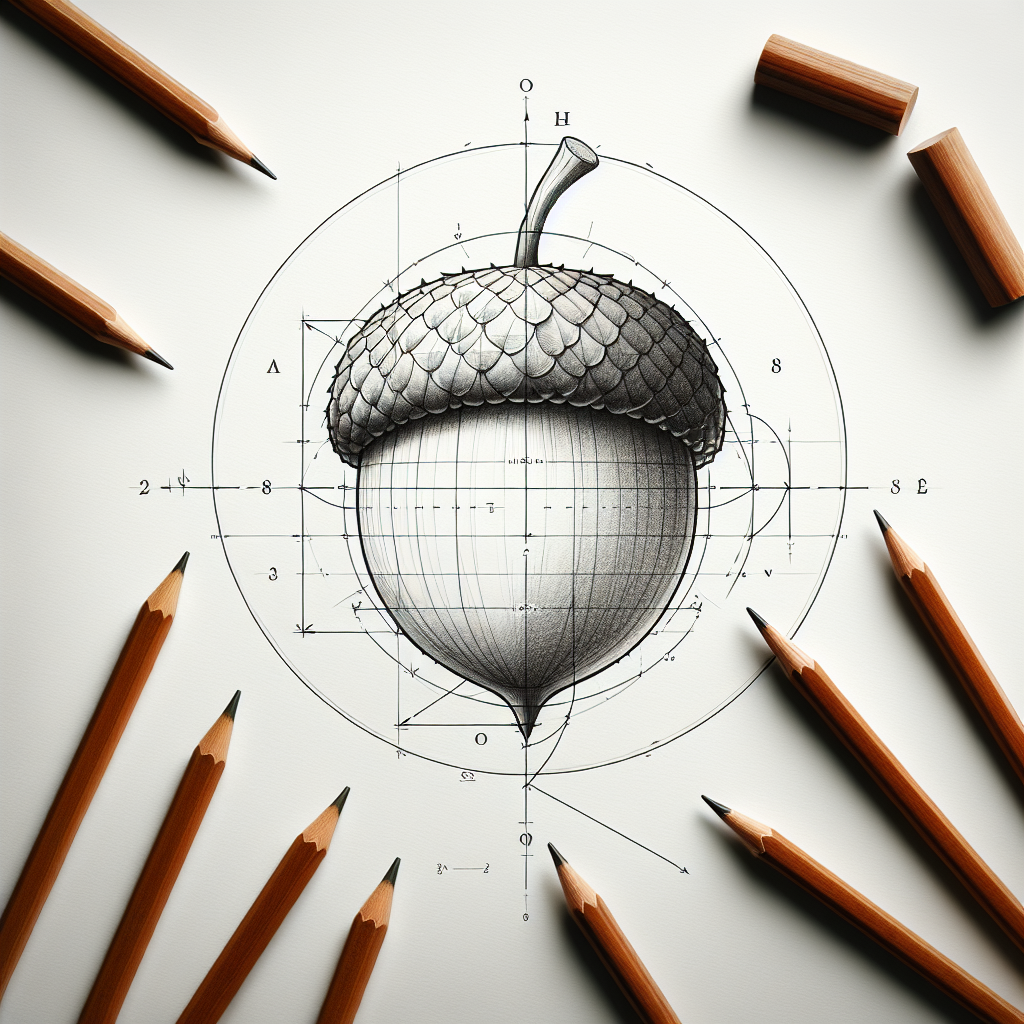
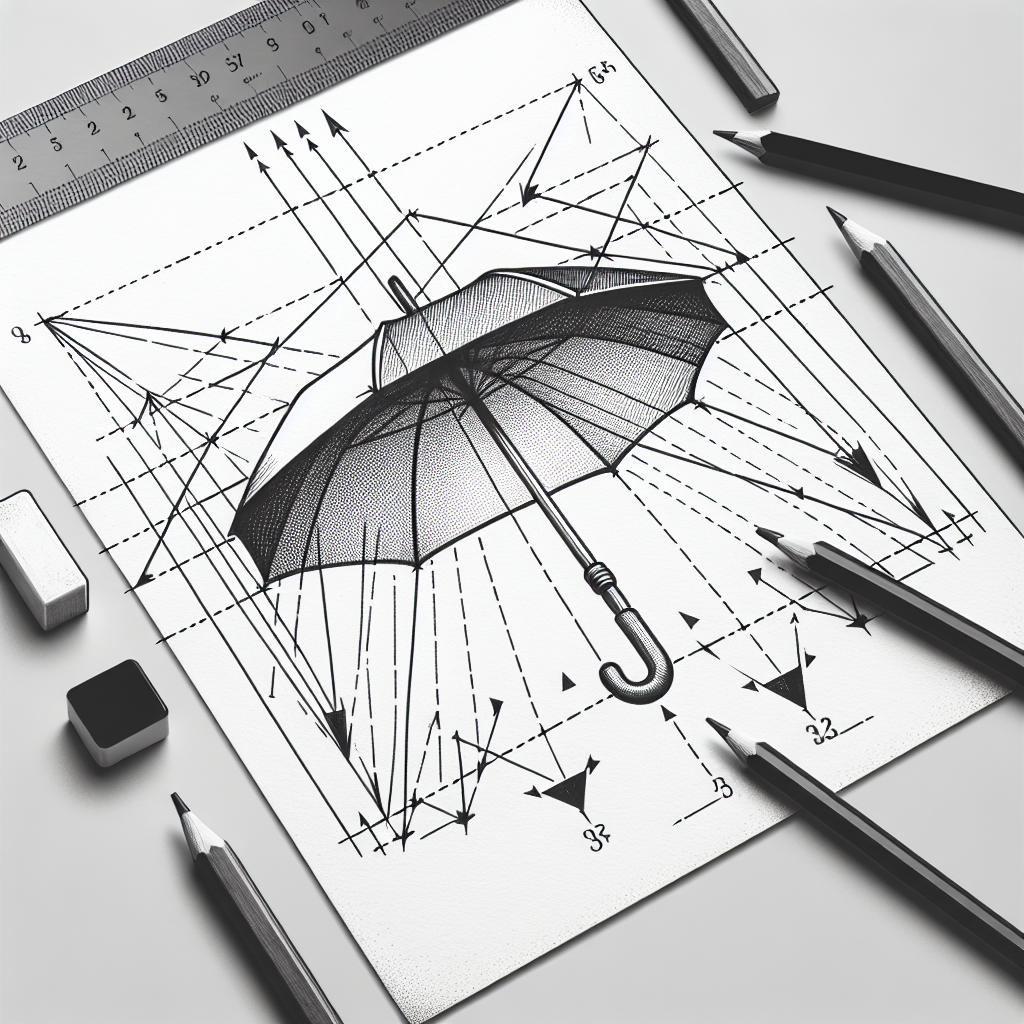
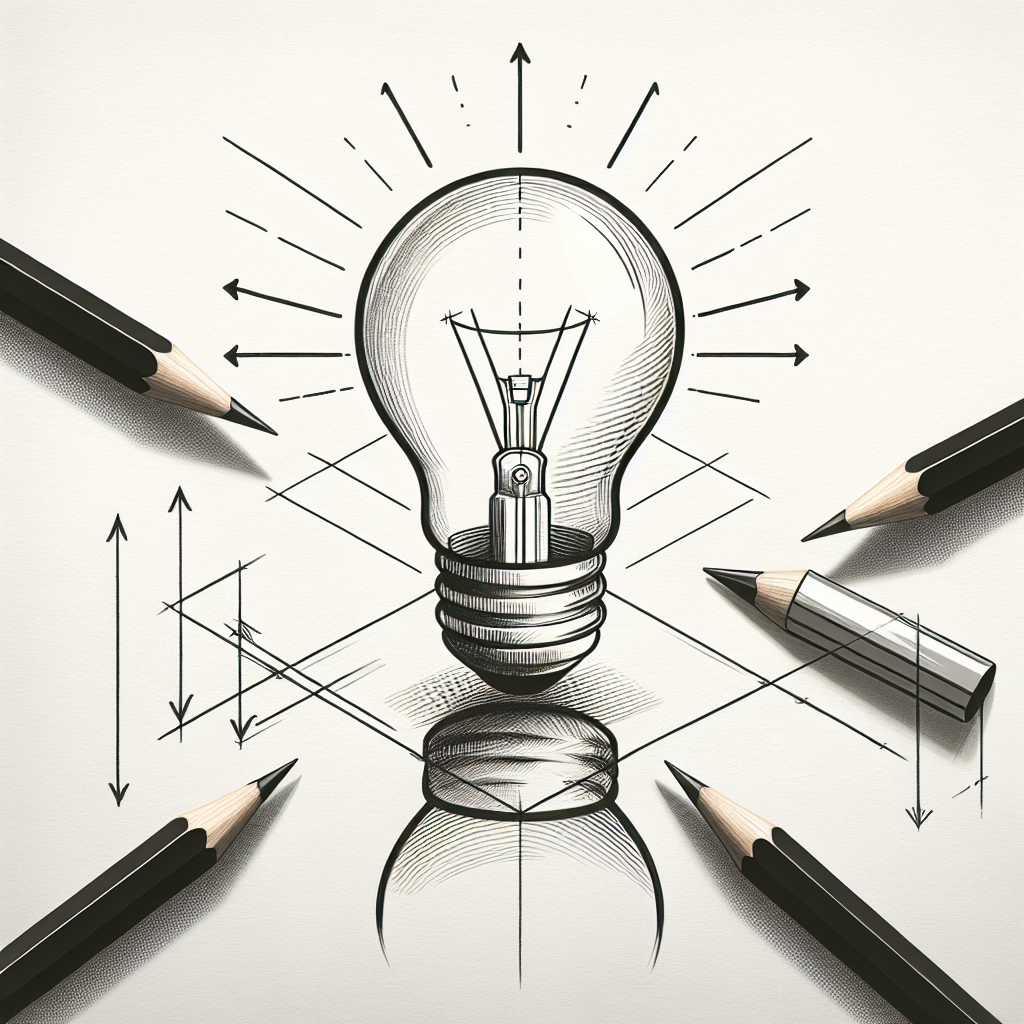
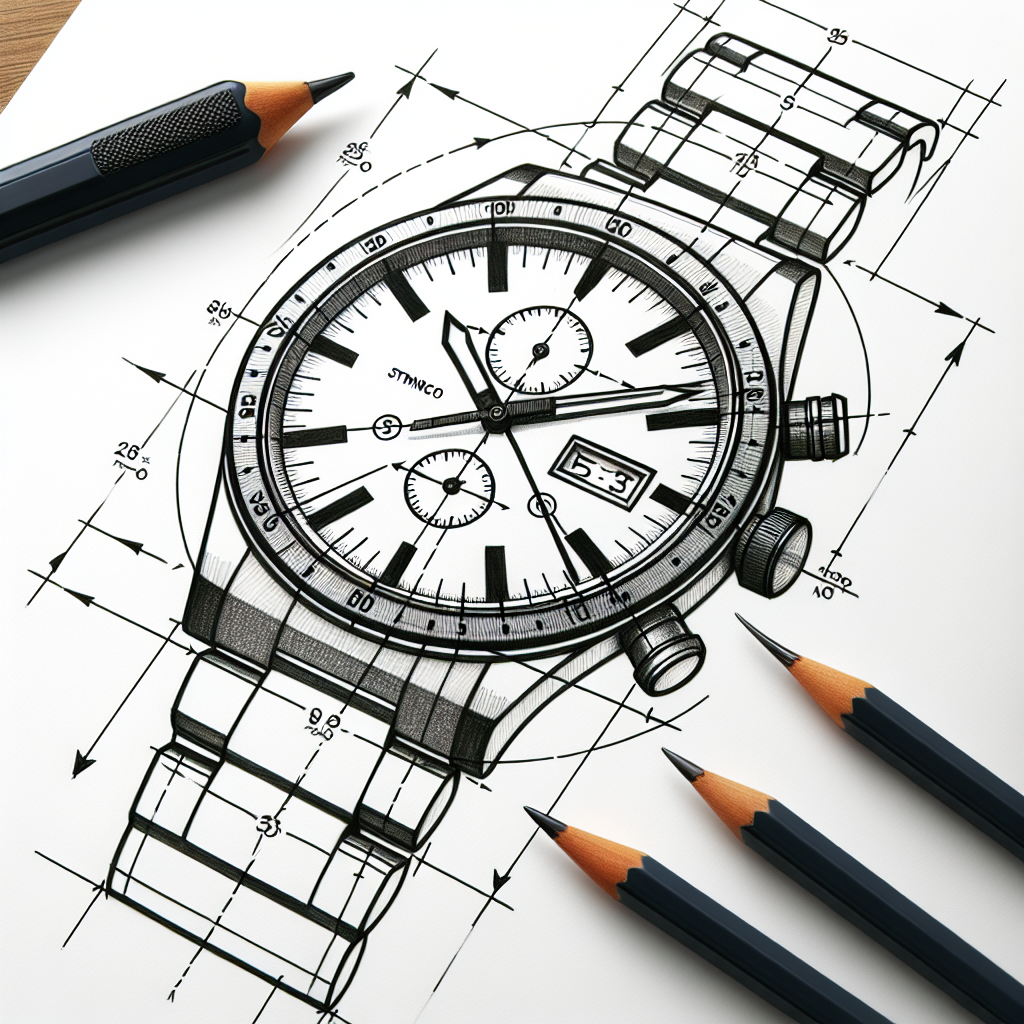
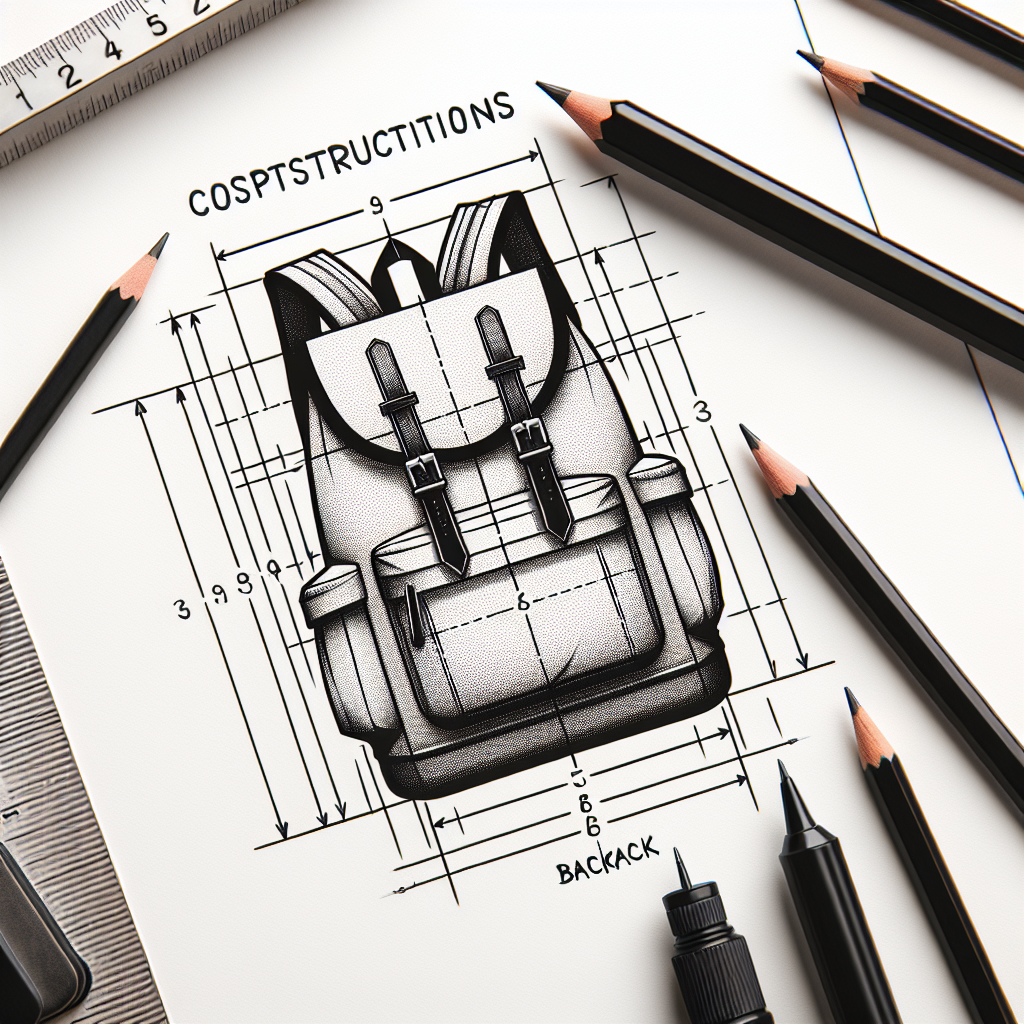
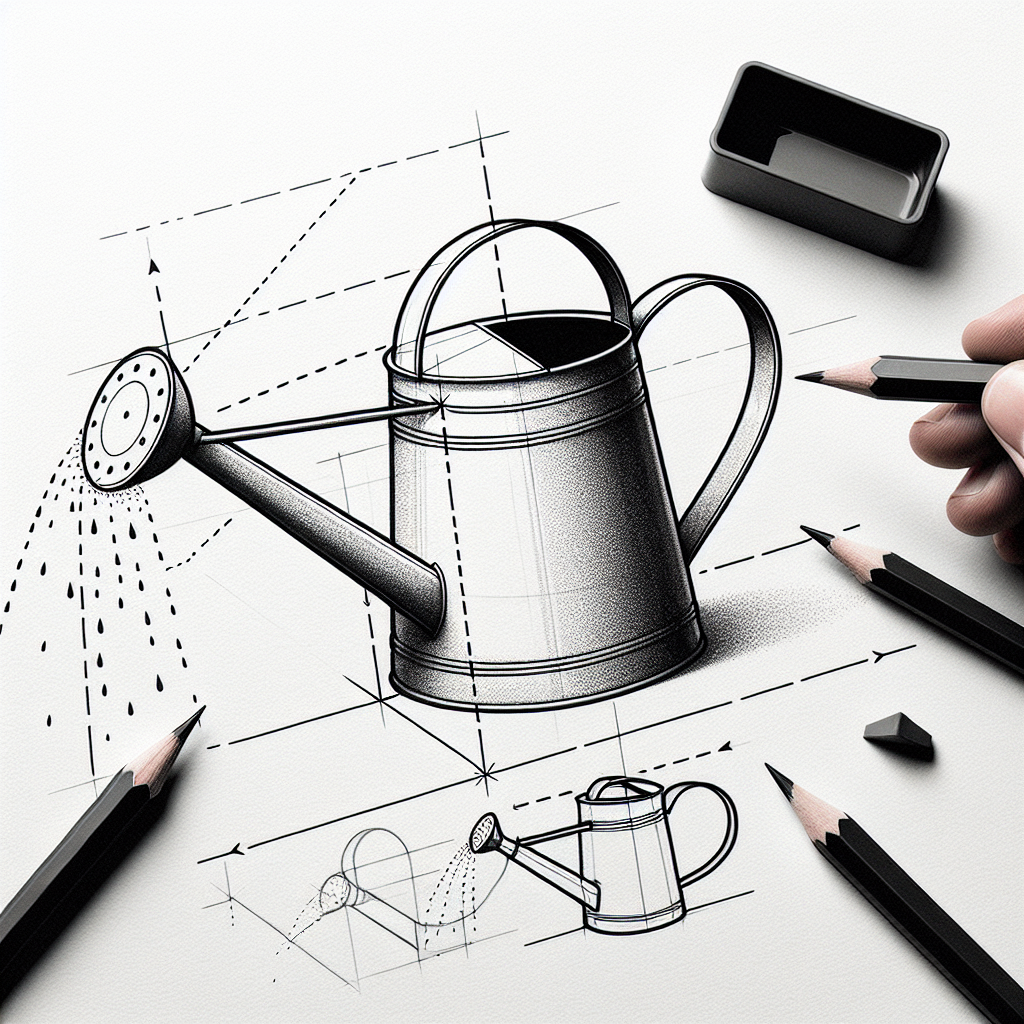
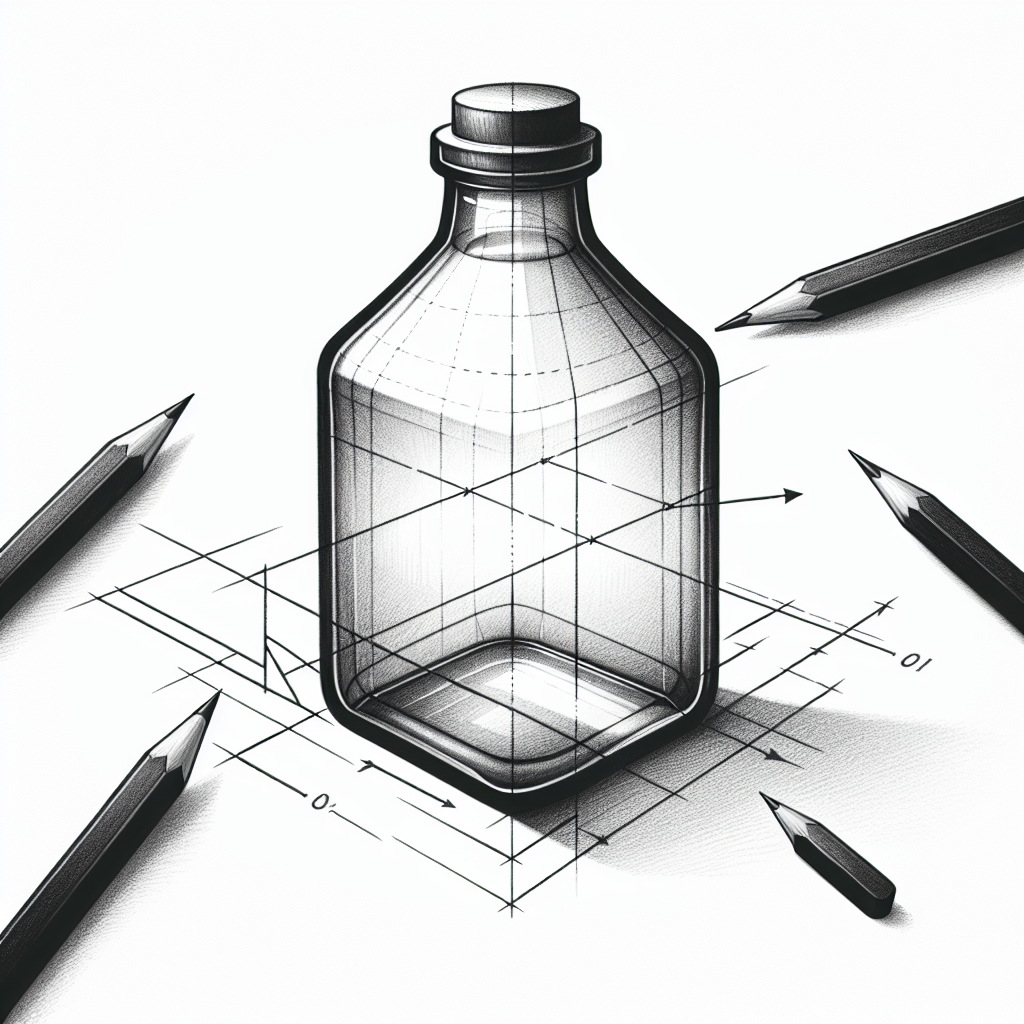
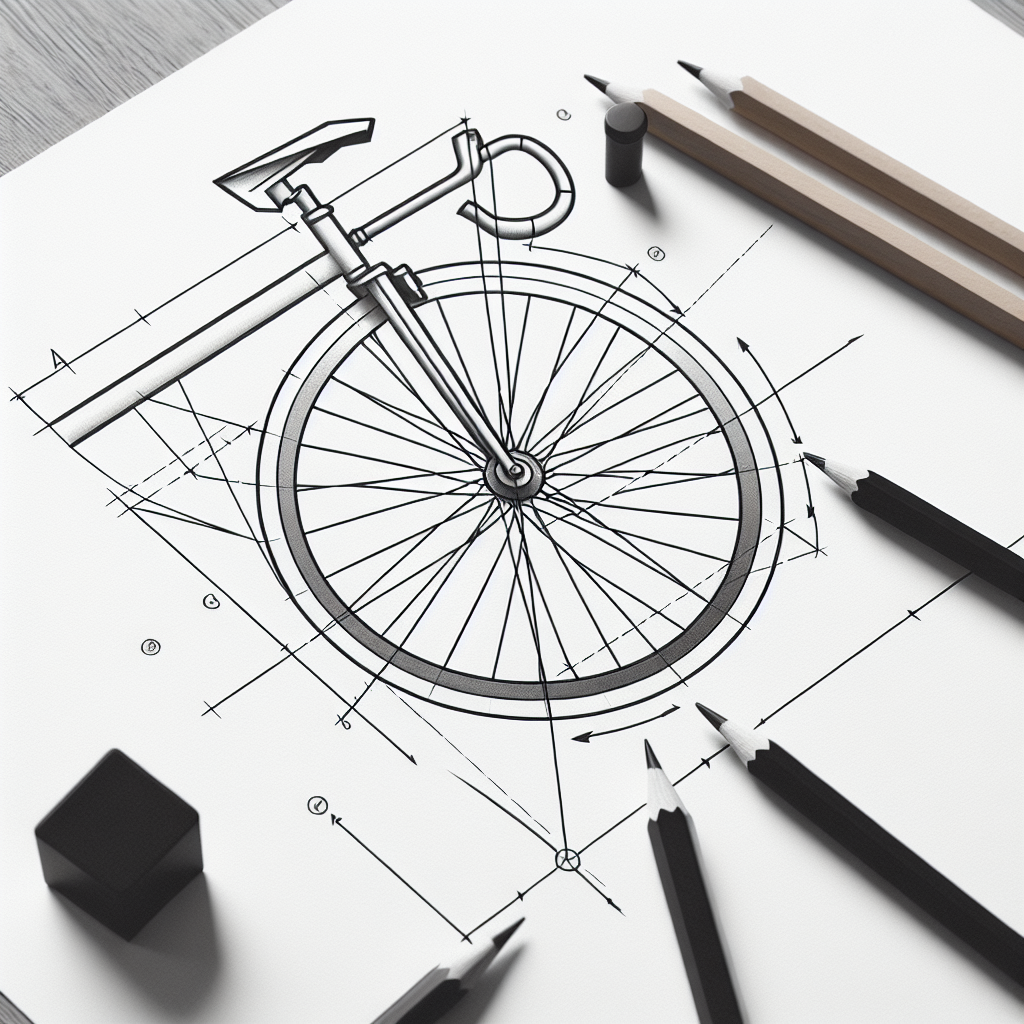
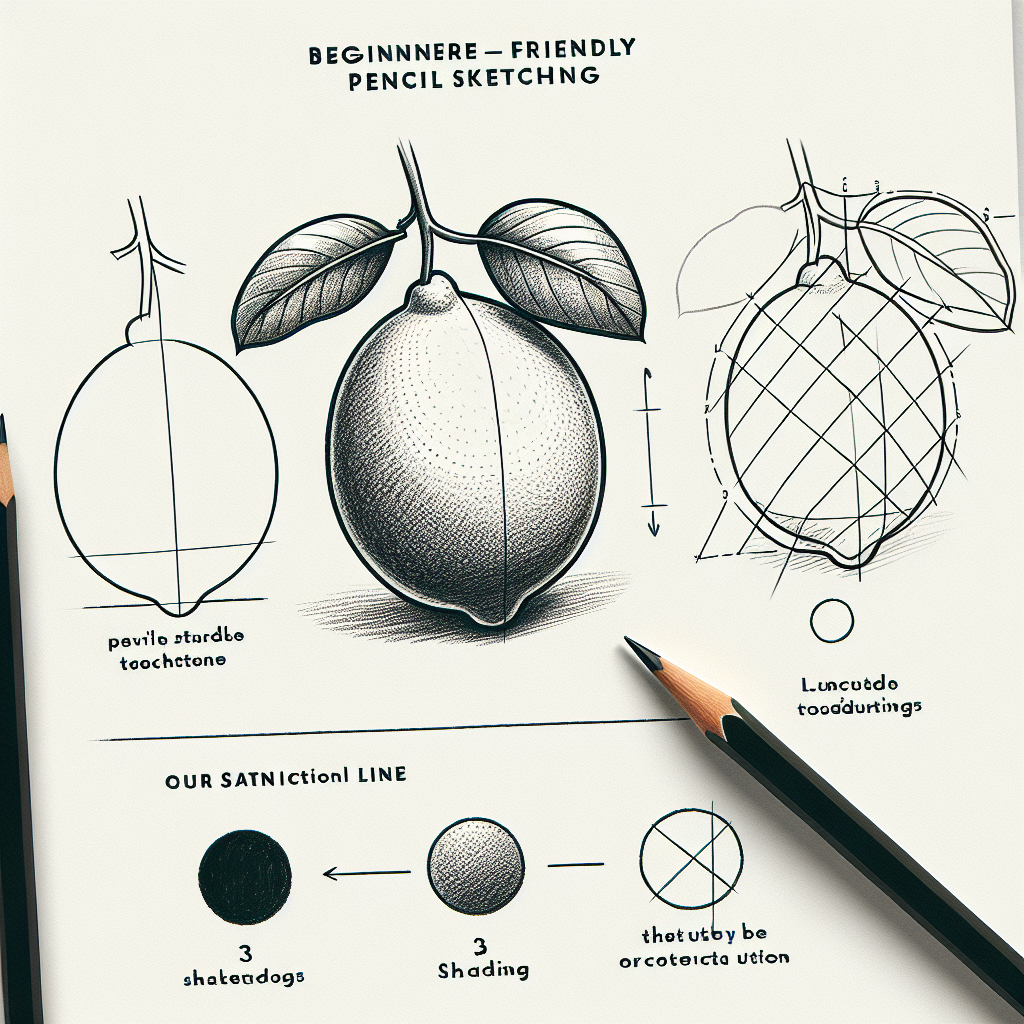
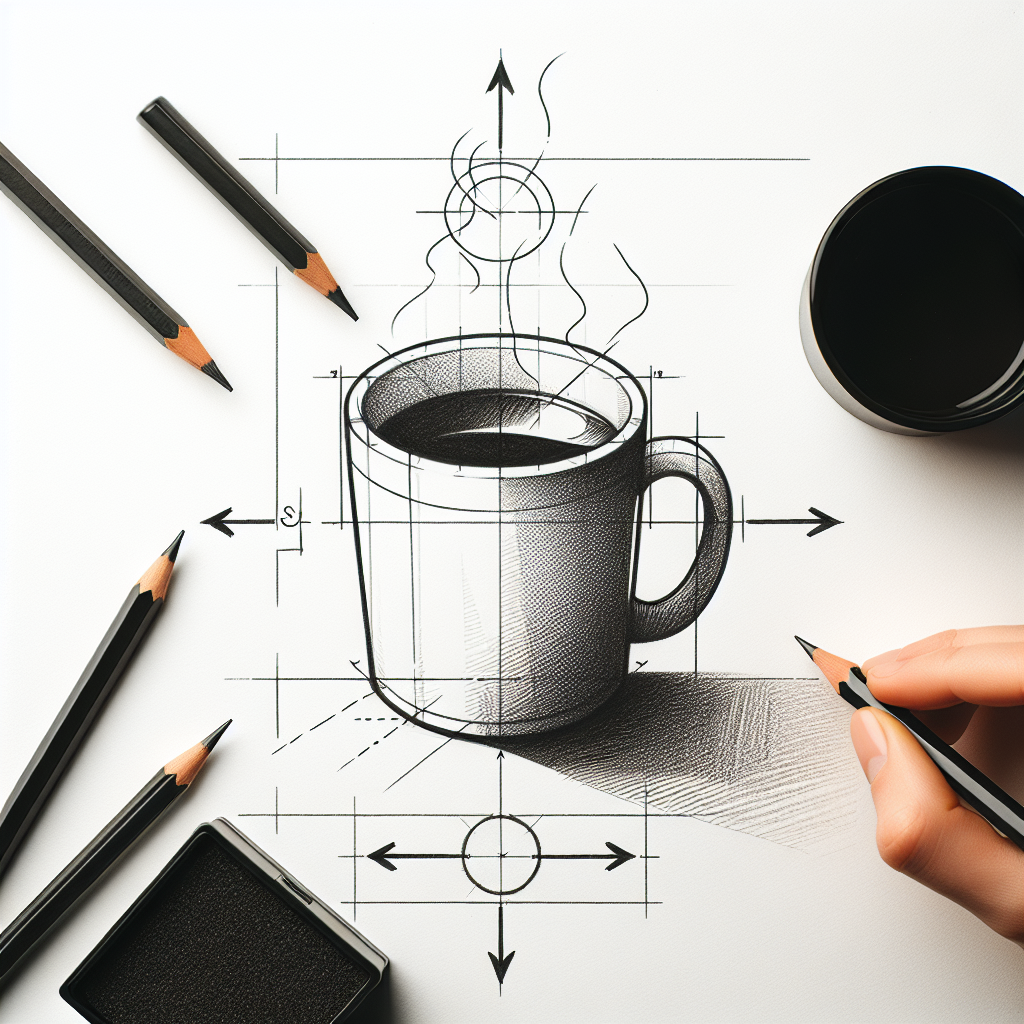
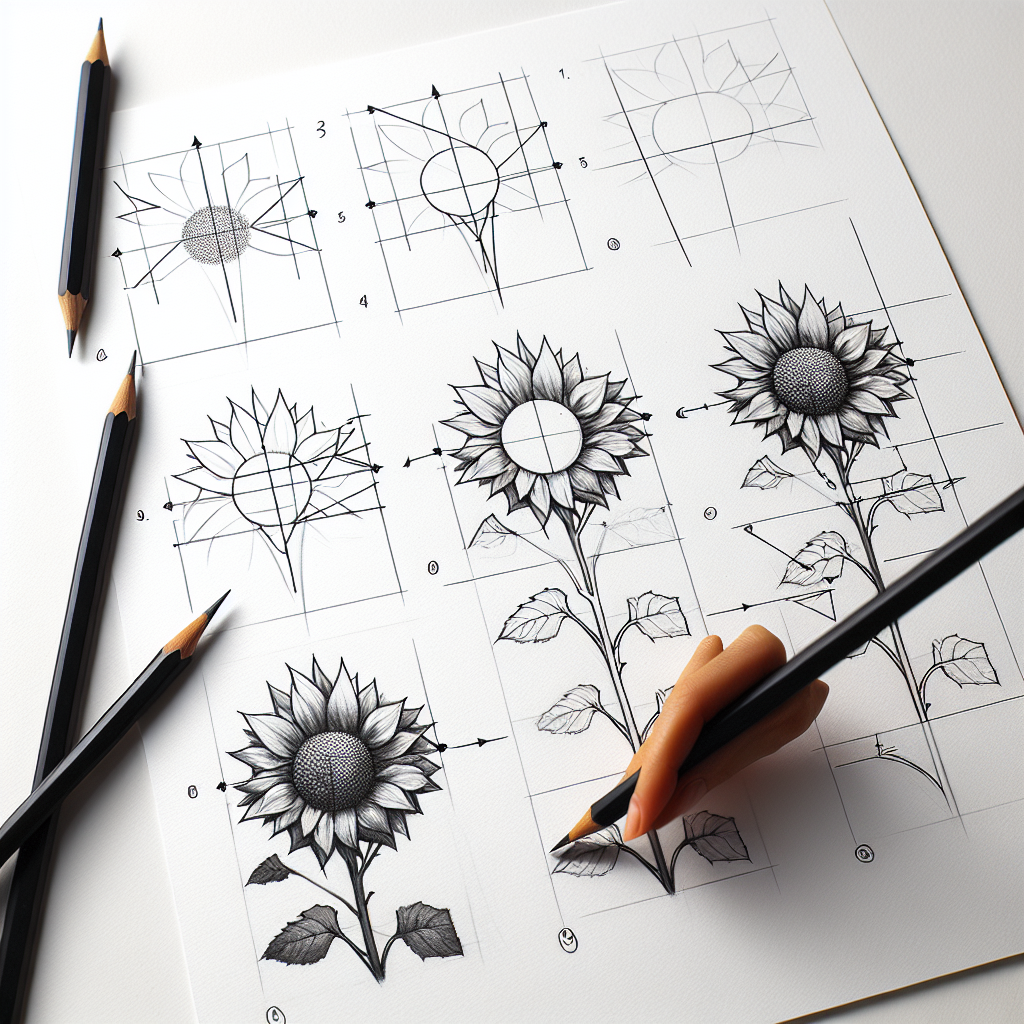
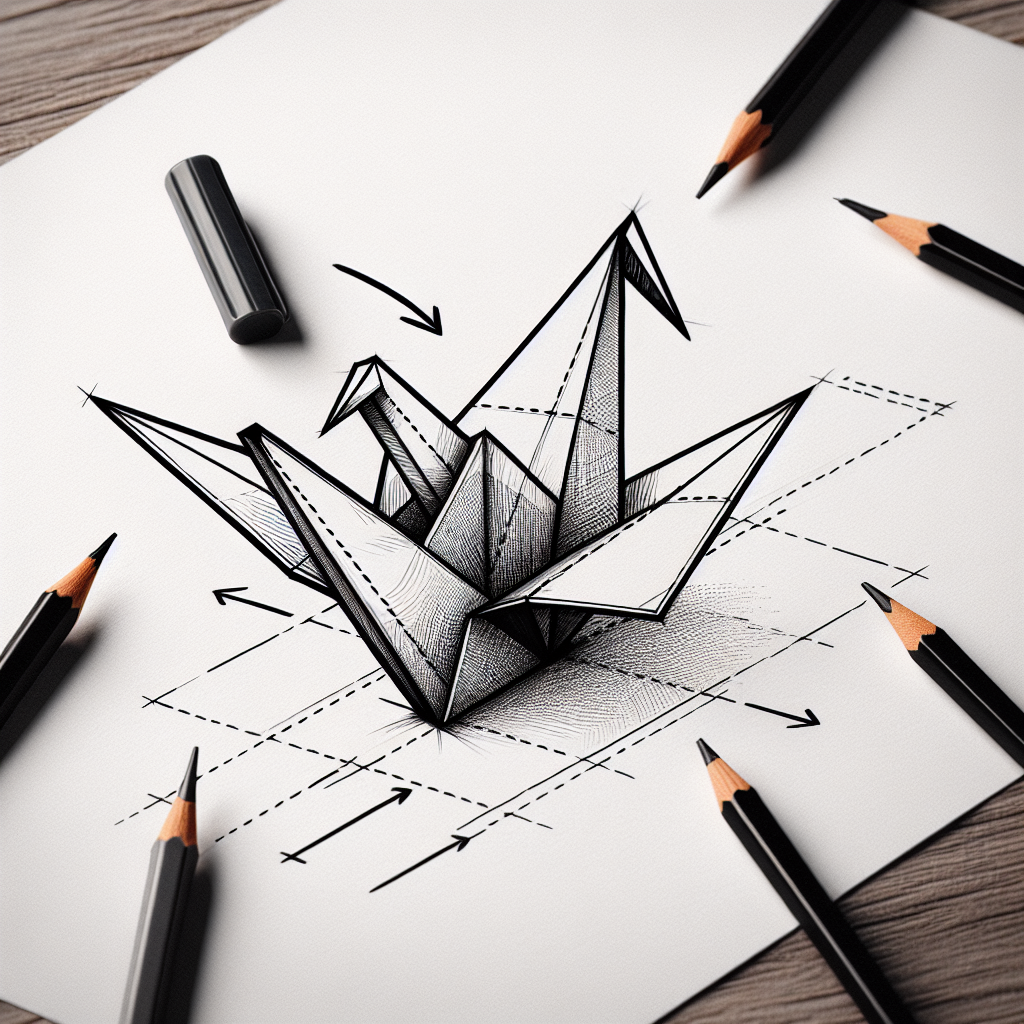
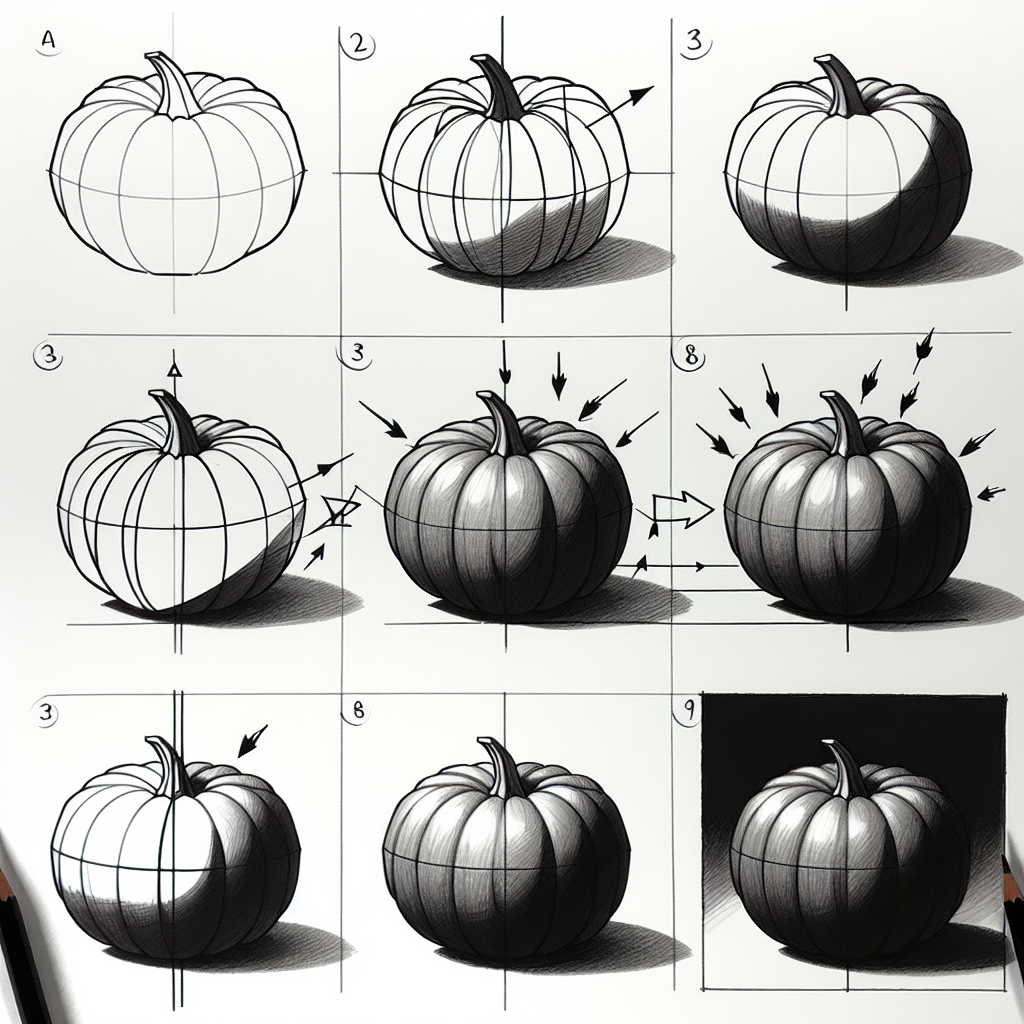
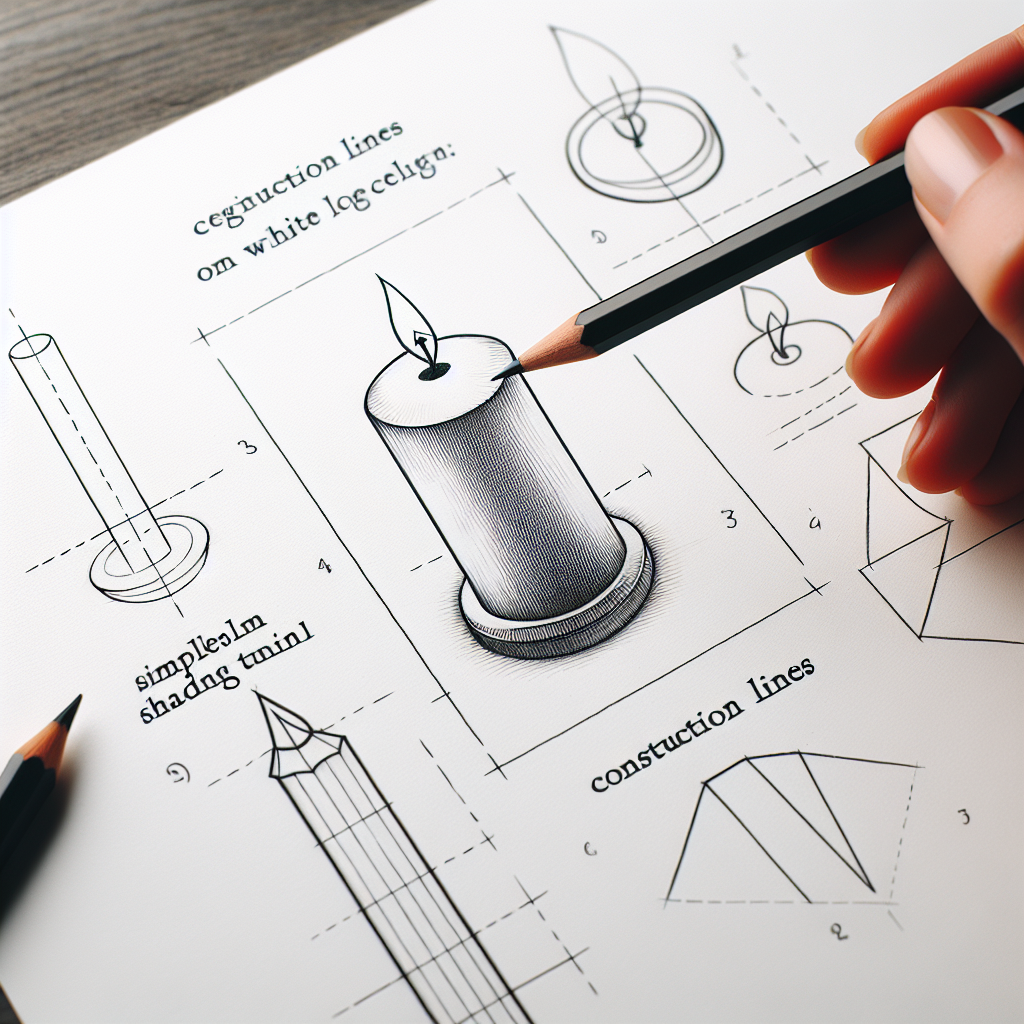
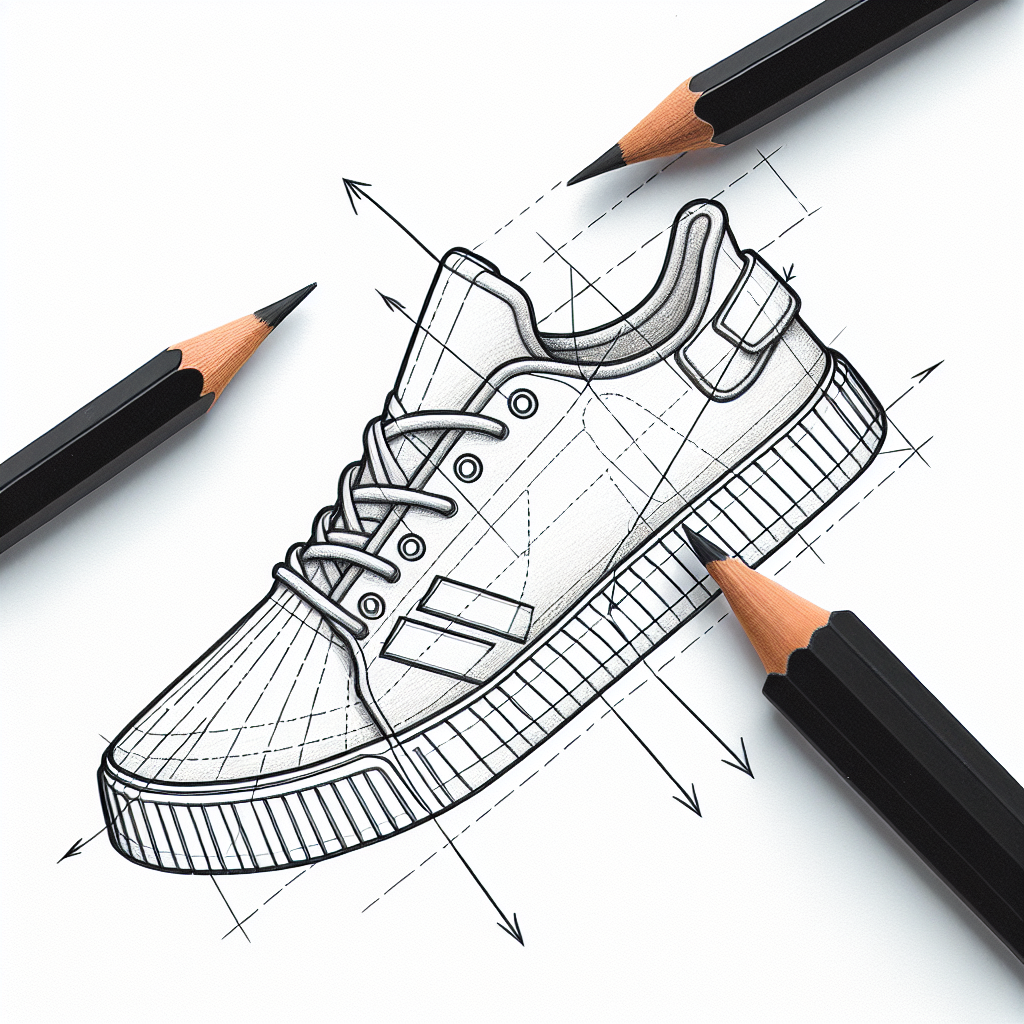
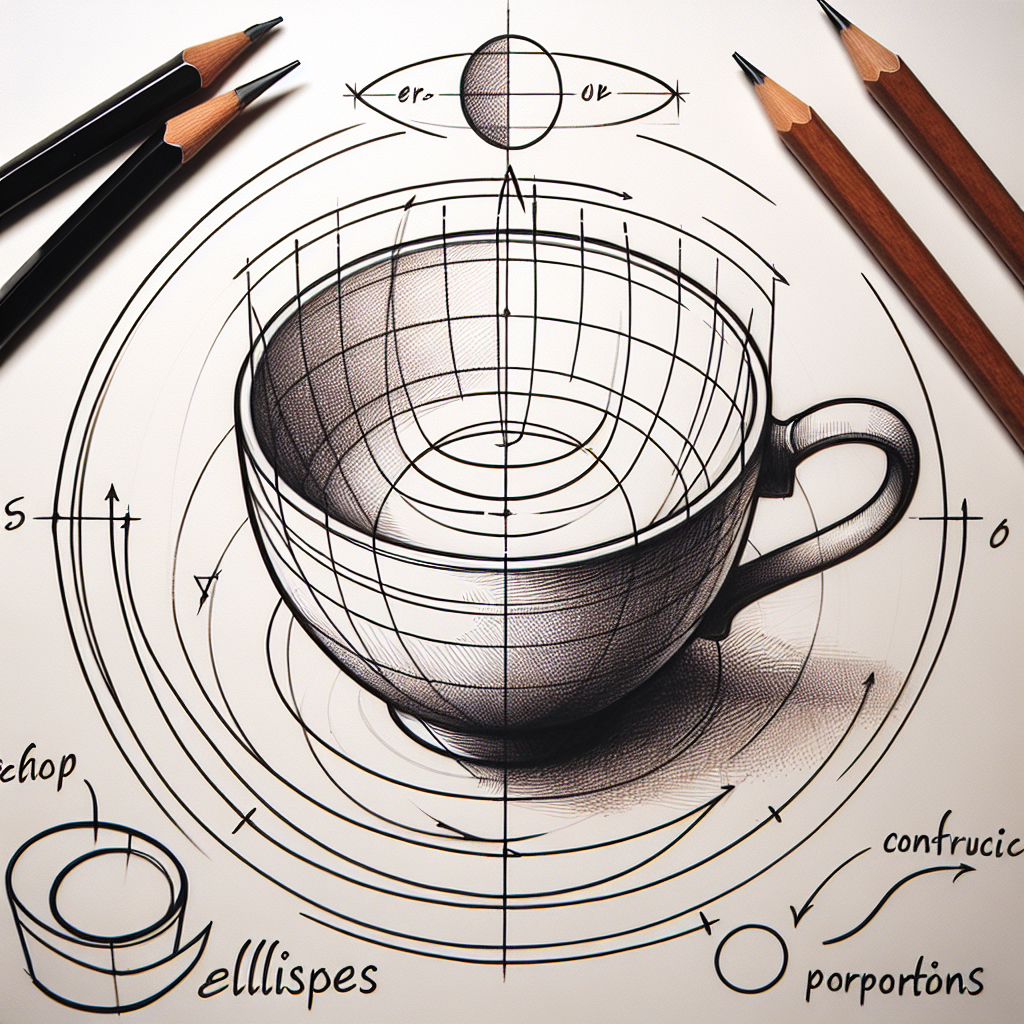
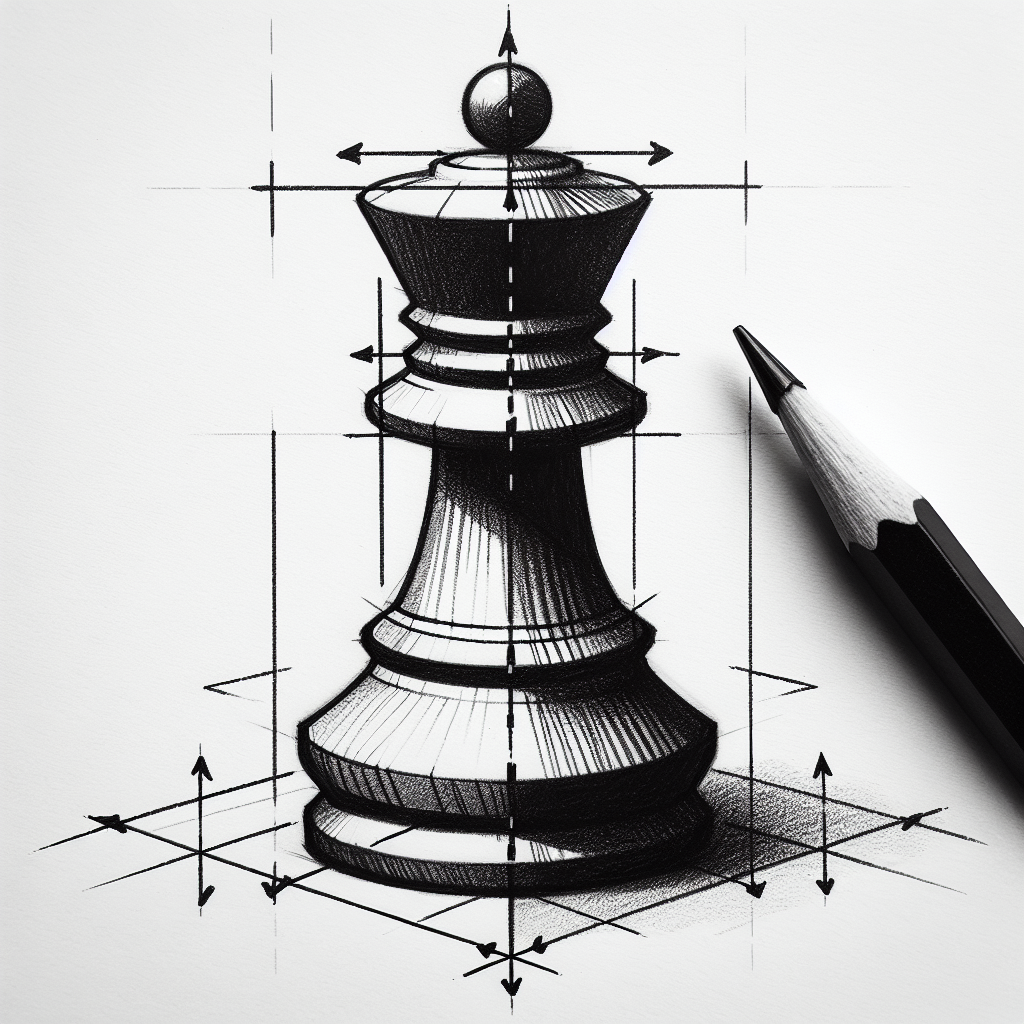
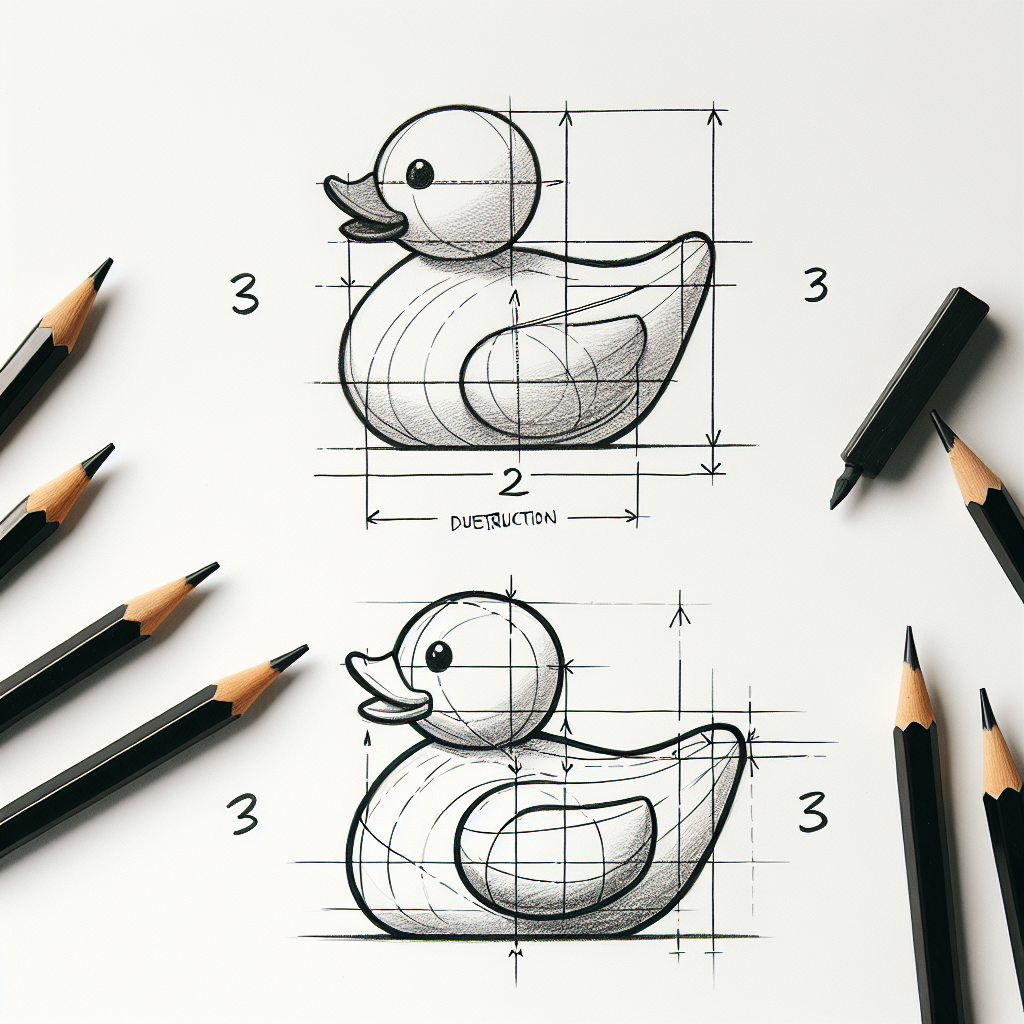
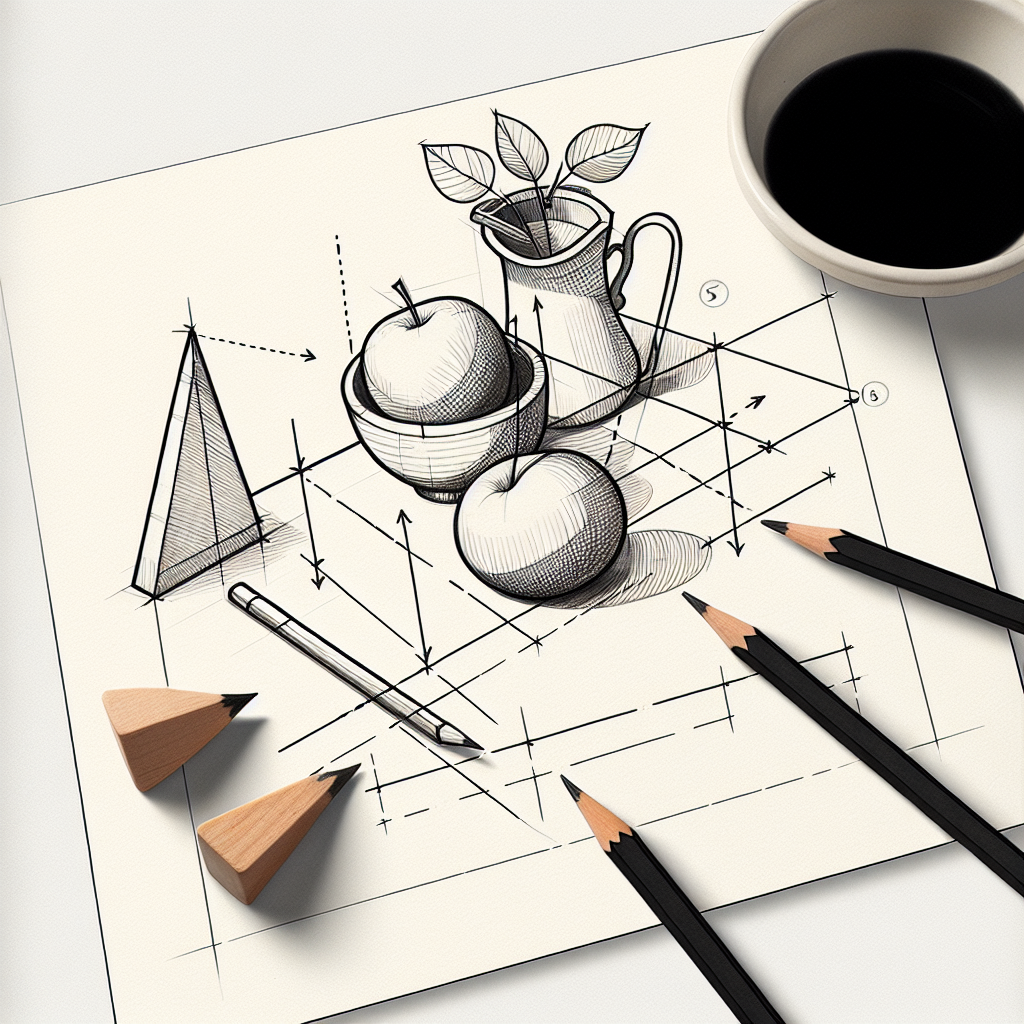
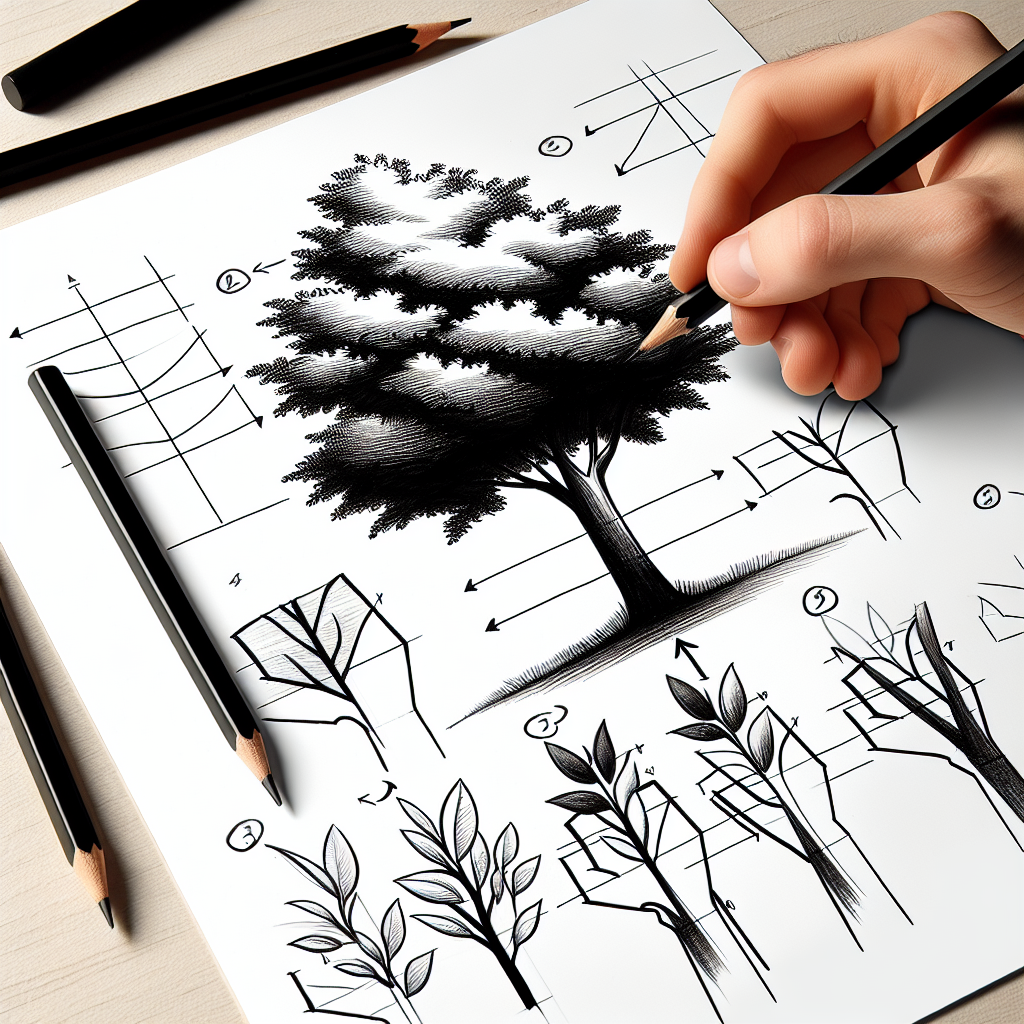
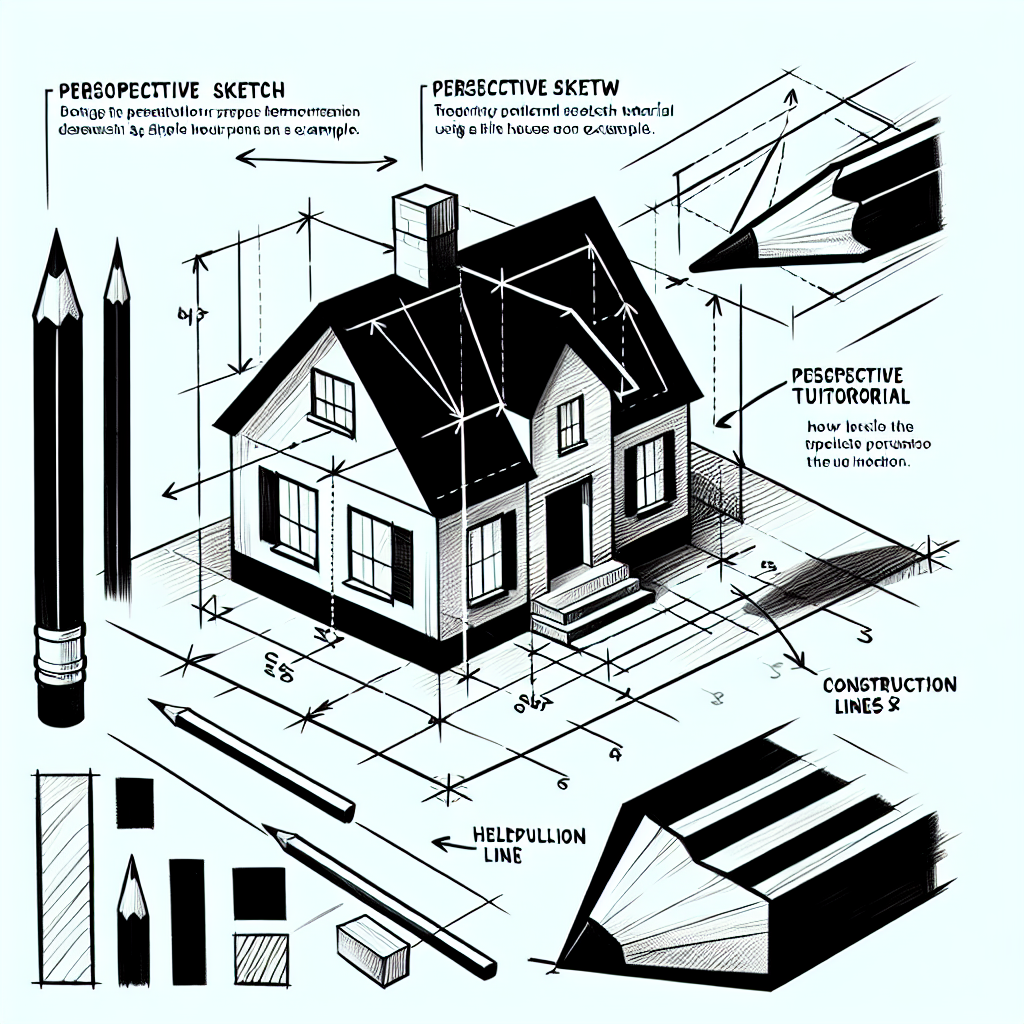
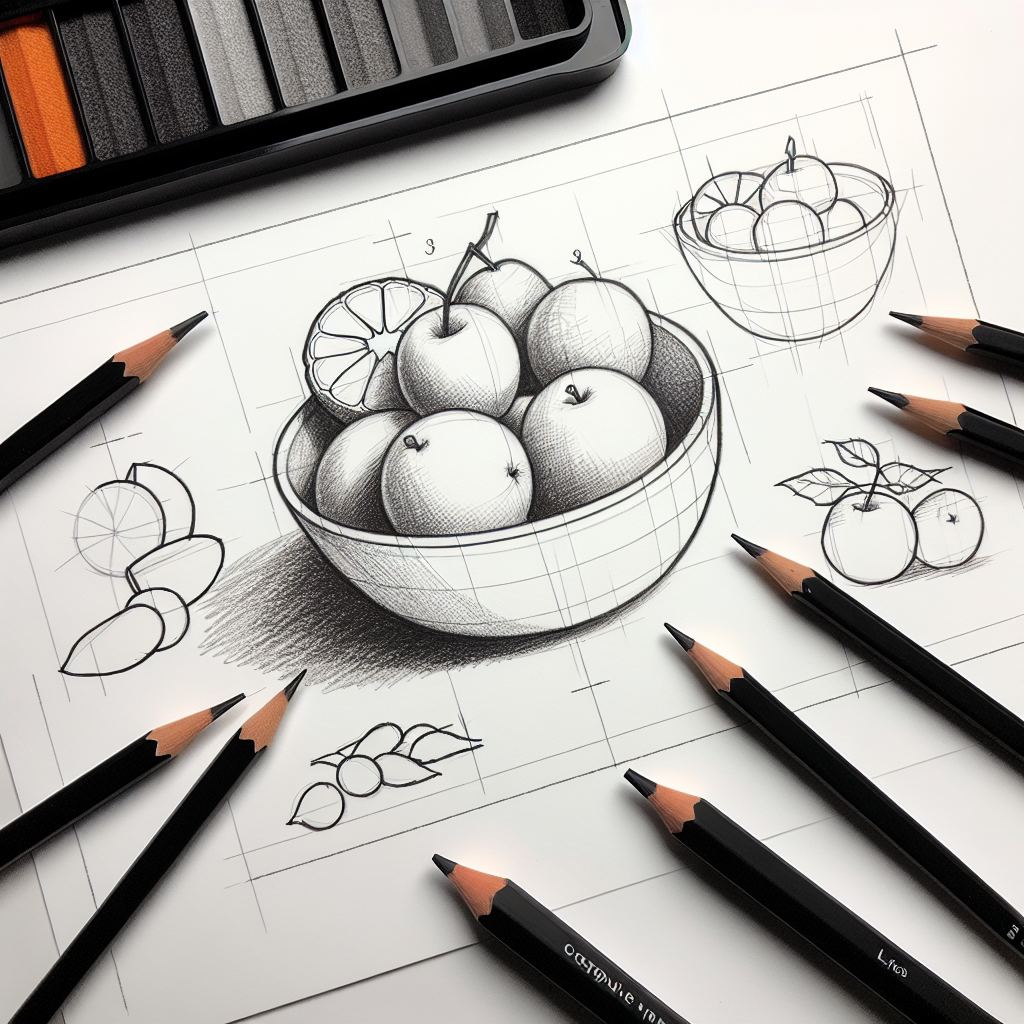
Starting out has less to do with talent than with teaching your hand to slow down and your eye to actually look. These lessons keep the scope small, one object and one skill at a time, so you can build good habits before things get complicated.
Loosen your grip and build with shapes
Hold the pencil further back than you would for writing, and rough a subject in with light, searching lines before you commit to anything. Almost everything you will ever draw starts as a box, a cylinder, a sphere, or an egg. Getting comfortable seeing those underlying forms is the single most useful habit a beginner can build, and it quietly makes every harder subject easier.
See values, not outlines
Real objects do not have outlines. They have edges, where one value meets another. Squint at your subject to flatten it into simple light, mid, and dark shapes, then lay those in with the side of your pencil instead of tracing a hard line around everything. A clean three-step value scale, from bare paper to your darkest dark, is worth drilling until it feels automatic. Pressing too hard and outlining-then-filling are the two habits to unlearn early.
You're ready to move up when...
Progress at this stage is quiet. You stop white-knuckling the pencil, you erase less because your first marks land closer, and a drawn cube starts to look like it has real weight. Once you can construct a simple object from basic shapes and shade it into something solid, you are ready for intermediate work.