What you'll learn
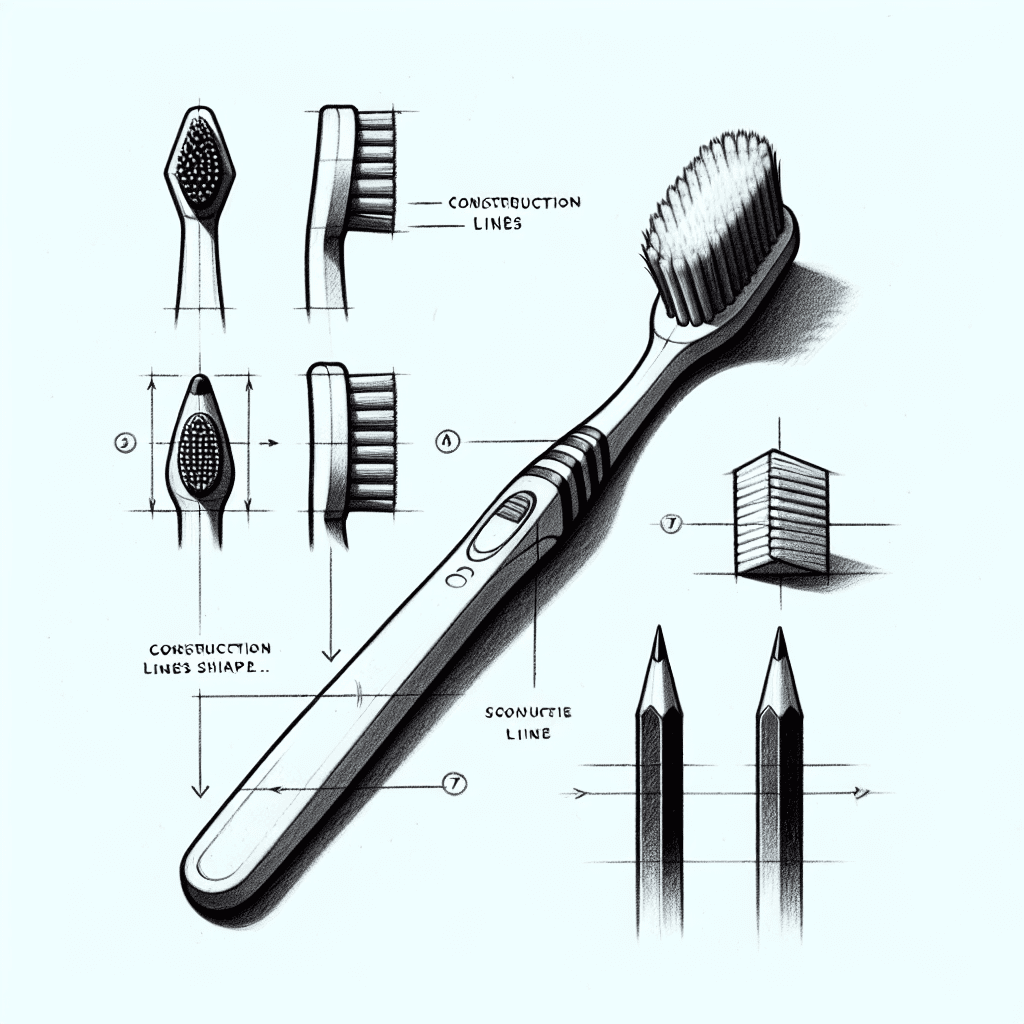
Drawing a toothbrush helps beginners practice breaking down a recognizable object into simple geometric shapes. This exercise focuses on understanding proportions and connecting these shapes to form a complete object.
What you'll need
Step-by-step: how to draw toothbrush
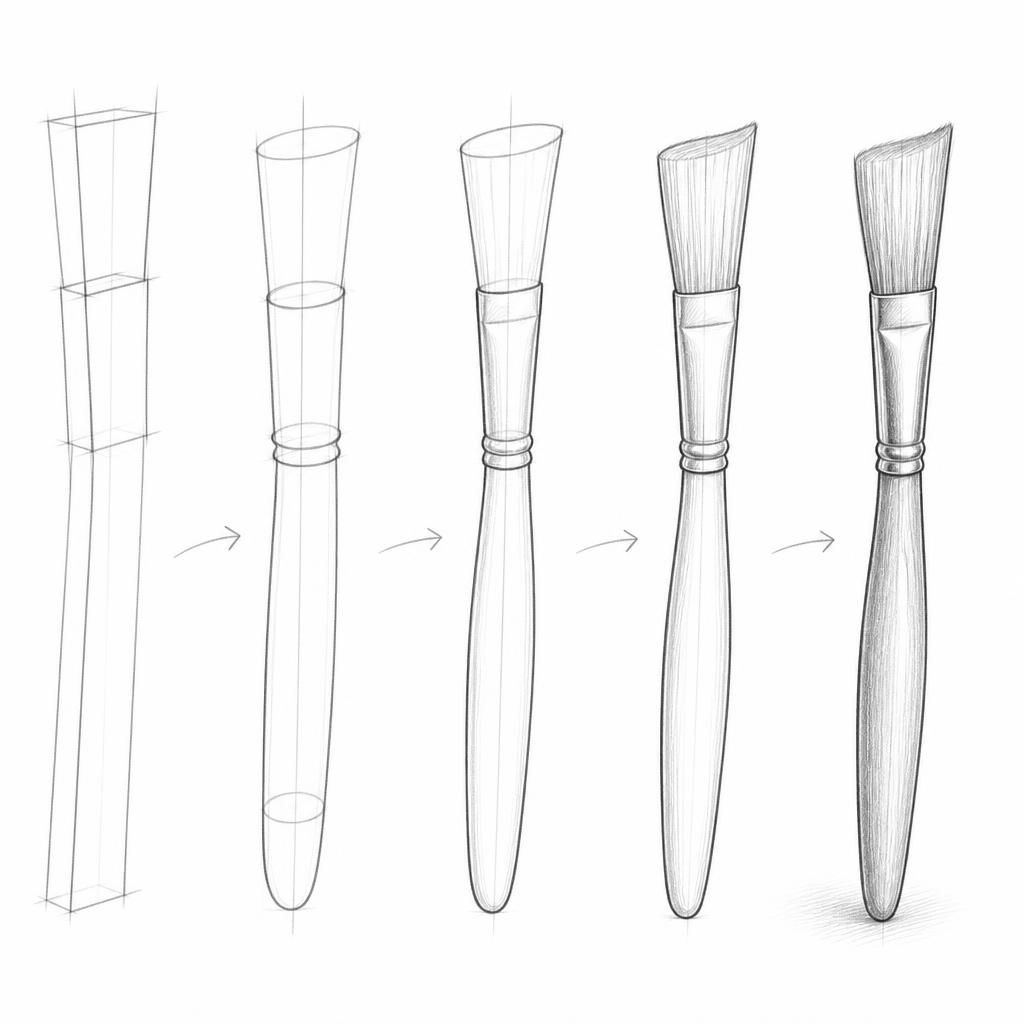
Start by drawing a long, narrow rectangle for the handle of the toothbrush. Ensure the proportions look correct for a handle.
Add a smaller rectangle at one end of the handle to represent the head of the toothbrush.
Draw a series of short, parallel lines extending from the smaller rectangle to represent the bristles. Focus on keeping these lines evenly spaced.
Refine the shape of the handle by adding a slight curve or taper towards one end to show its ergonomic design.
Add details such as a rubber grip texture on the handle by drawing small ovals or lines, and refine the shape of the bristles for a more realistic appearance.
Before you start: what to look at
Before drawing, observe how the light reflects off the toothbrush handle, especially around the curves. Notice the proportion between the handle and the head, ensuring the head is not too small or too large. Look closely at the base of the bristles and how they fan outwards, creating a subtle pattern.
Pro tips for drawing toothbrush
Common mistakes drawing toothbrush
Self-evaluation checklist
Evaluate your sketch by checking if the toothbrush's proportions look natural and whether the handle and head connect seamlessly. Ensure the bristles appear evenly spaced and textured.
Frequently asked questions
How do I draw the curve of the handle effectively?
Start with light, sketchy lines to capture the general curve. Pay attention to the ergonomic shape and adjust as needed, refining the curve in stages for accuracy.
What is the best way to represent the bristles?
Use short, evenly spaced lines to suggest the presence of bristles. Vary their length slightly near the edges to mimic the natural spread of real bristles.
How can I add texture to the handle for a more realistic look?
Observe the grip's texture on a real toothbrush. Use small ovals or lines to replicate this pattern, ensuring they follow the contour of the handle for a believable effect.
More drawing lessons
Get a new drawing lesson delivered to your inbox every morning, free.
Subscribe to Draw Daily →