What you'll learn
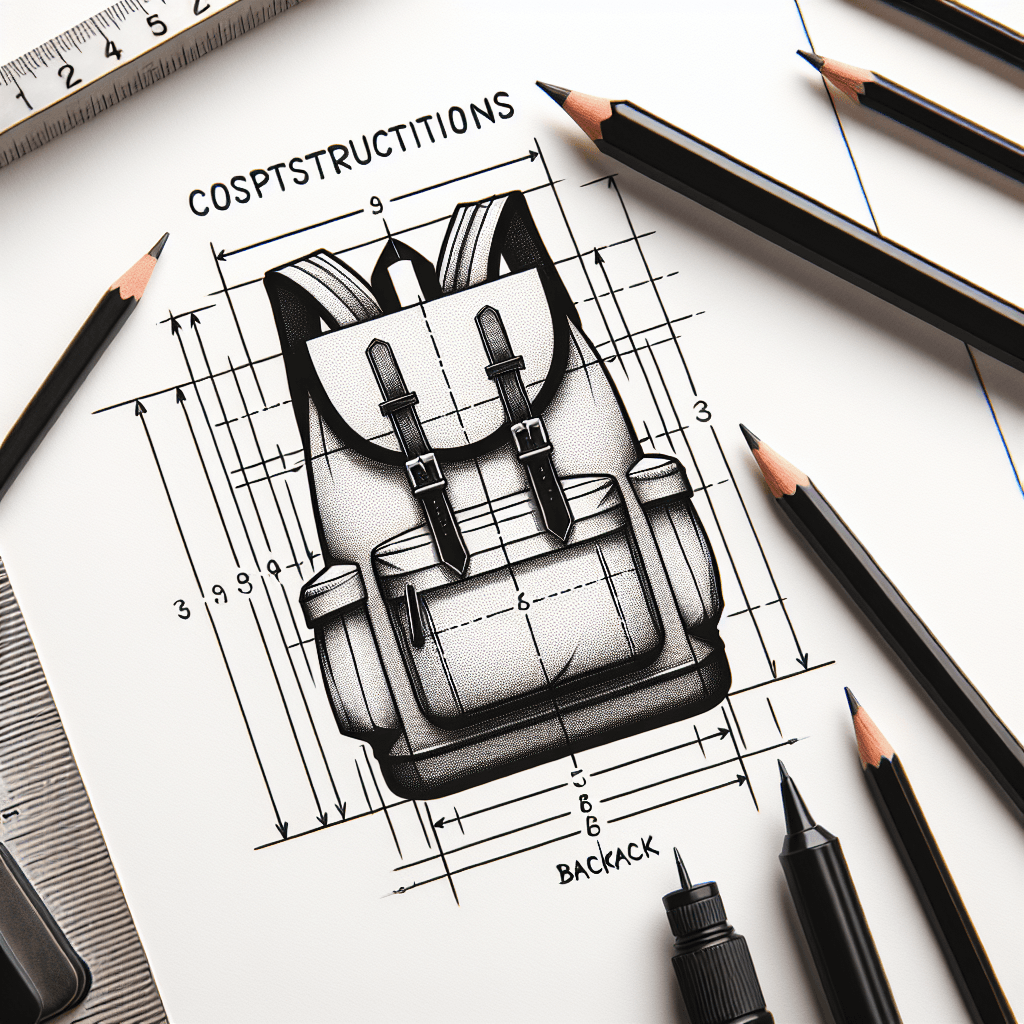
Drawing a backpack helps beginners understand proportions and relationships between parts, such as pockets, straps, and zippers. It's a common object with familiar features that can challenge your ability to maintain proportionate dimensions.
What you'll need
Step-by-step: how to draw backpack
Sketch the basic shape of the backpack, focusing on the overall form.
Outline the main structure, such as the front panel and side panels.
Add in details like the straps and pockets, ensuring they are proportionate to the main body.
Refine the shapes and lines to emphasize the backpack's structure.
Add any textures or stitching to bring out additional details.
Before you start: what to look at
Observe the top edge of the backpack where the zippers typically start. Notice how the straps connect to the body of the backpack and the curve they make. Pay attention to where shadows and highlights naturally fall on the fabric, especially around seams and stitching.
Pro tips for drawing backpack
Common mistakes drawing backpack
Self-evaluation checklist
Check if all parts of the backpack look proportionate and consistent with each other. Ensure the straps and pockets align logically with the main structure. Evaluate whether the backpack conveys a sense of depth and three-dimensionality.
Frequently asked questions
How can I make the backpack look three-dimensional?
Focus on the light source and how it affects the backpack. Use shading to create shadows and highlights, emphasizing its form and contours. This will add depth and dimension to your drawing.
How do I handle the texture of the backpack material?
Observe the fabric closely. Use different pencil techniques like hatching or stippling to represent rough or smooth textures. Pay attention to areas where the texture changes, such as near zippers or seams.
What's the best way to draw the straps?
Start by observing how they attach to the backpack, then sketch their general path and curvature. Ensure they are proportionate to the backpack's body and adjust their thickness to suggest weight and functionality.
More drawing lessons
Get a new drawing lesson delivered to your inbox every morning, free.
Subscribe to Draw Daily →