How to Practise Composition6 lessons
Where the subject sits on the page is usually more important than how the subject is drawn. These lessons use simple objects to rehearse composition decisions deliberately.
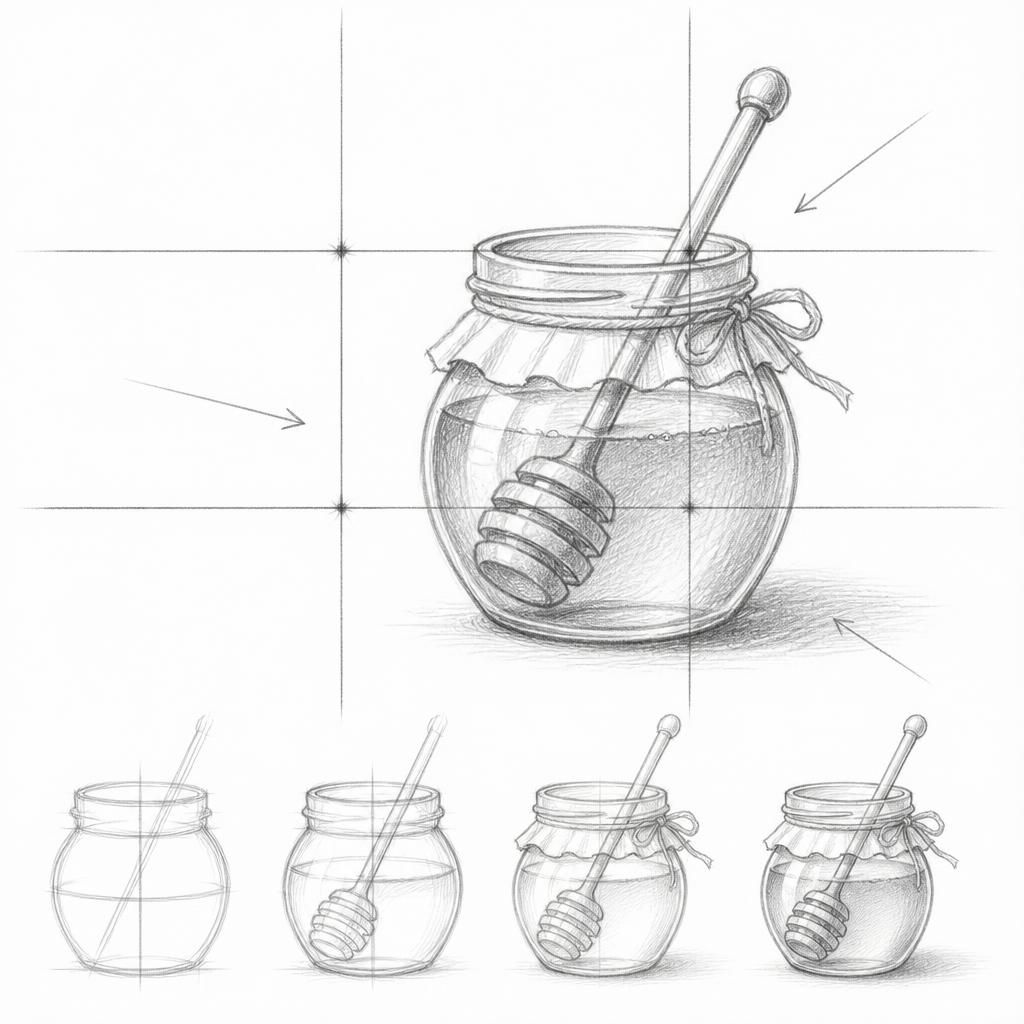
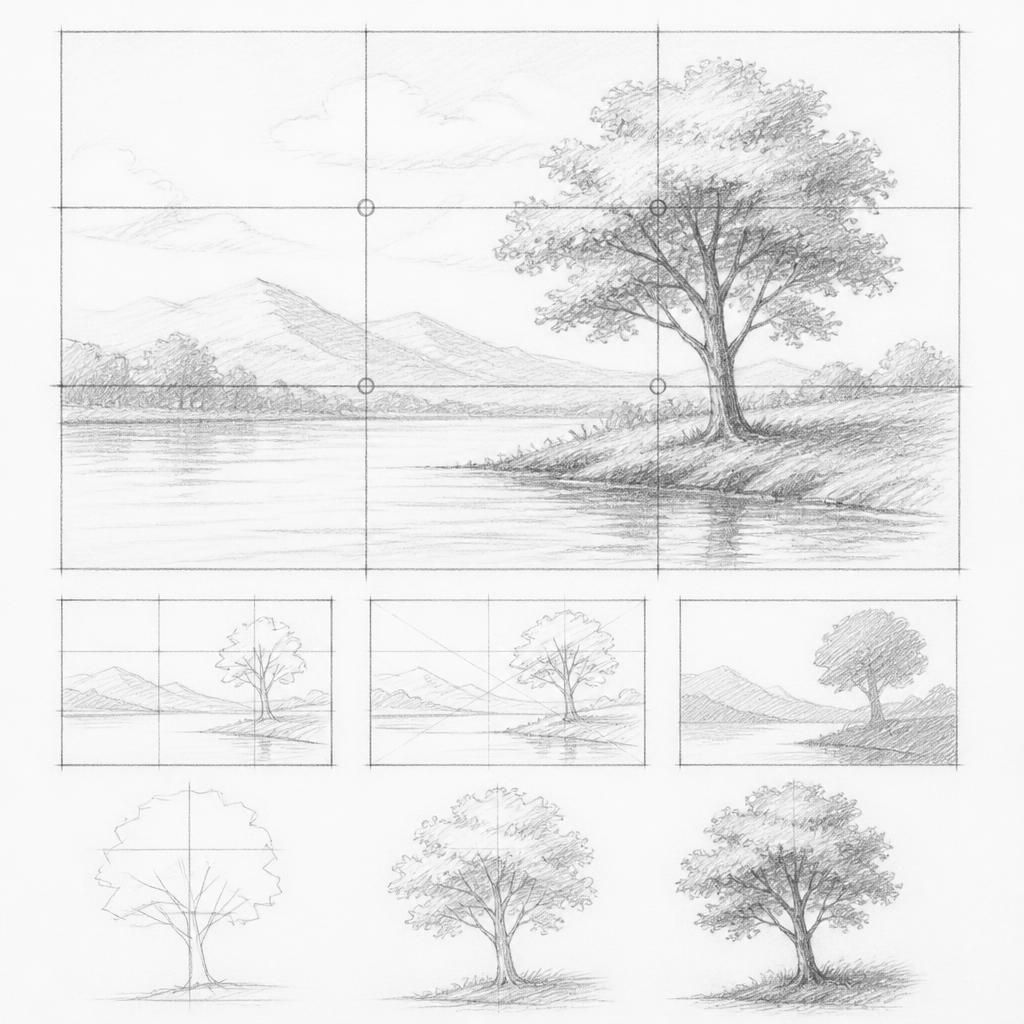
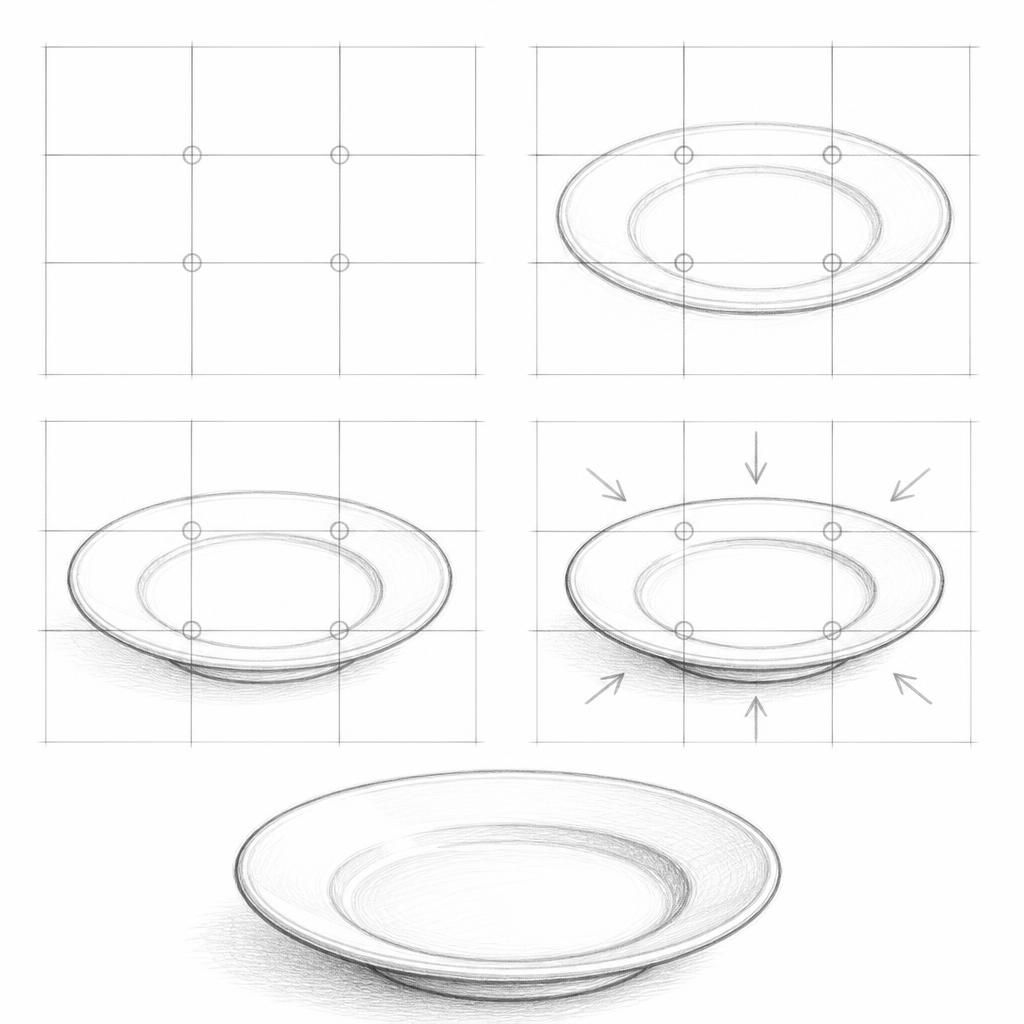
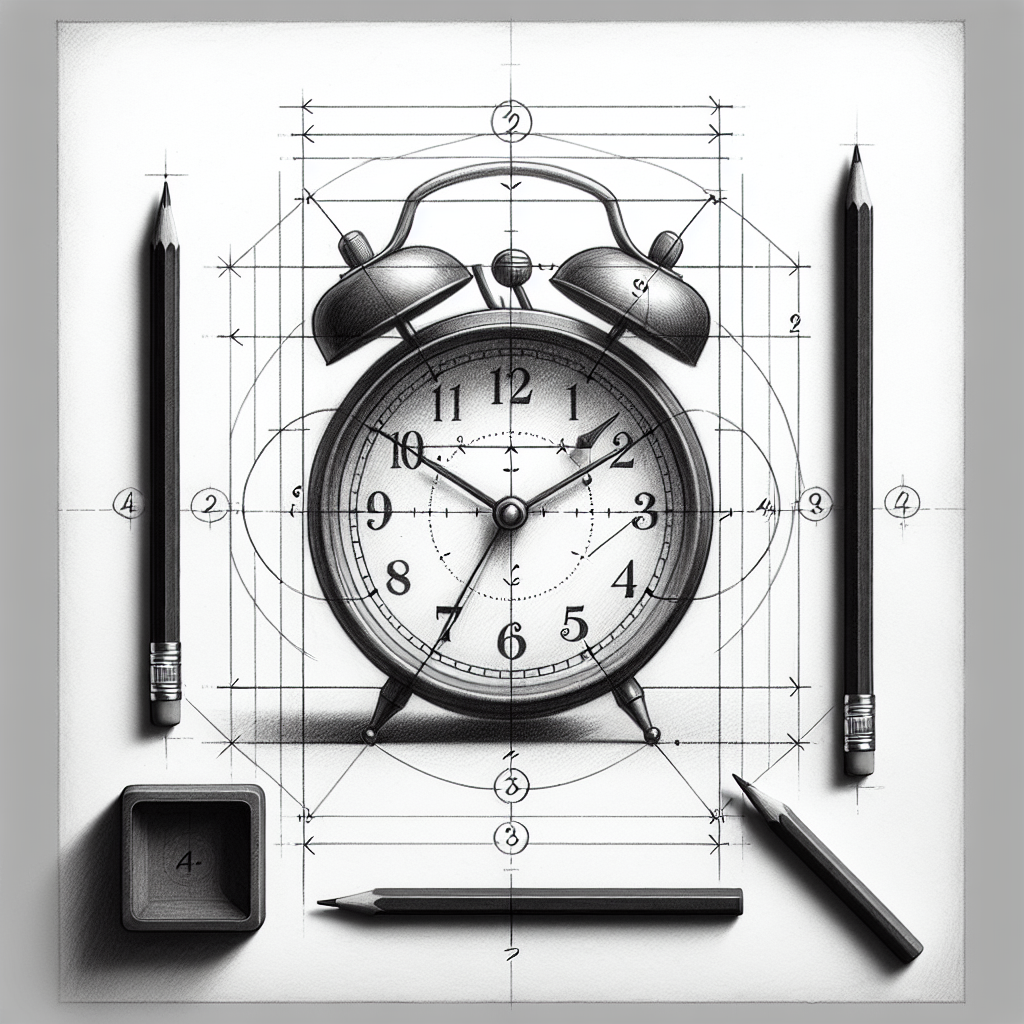
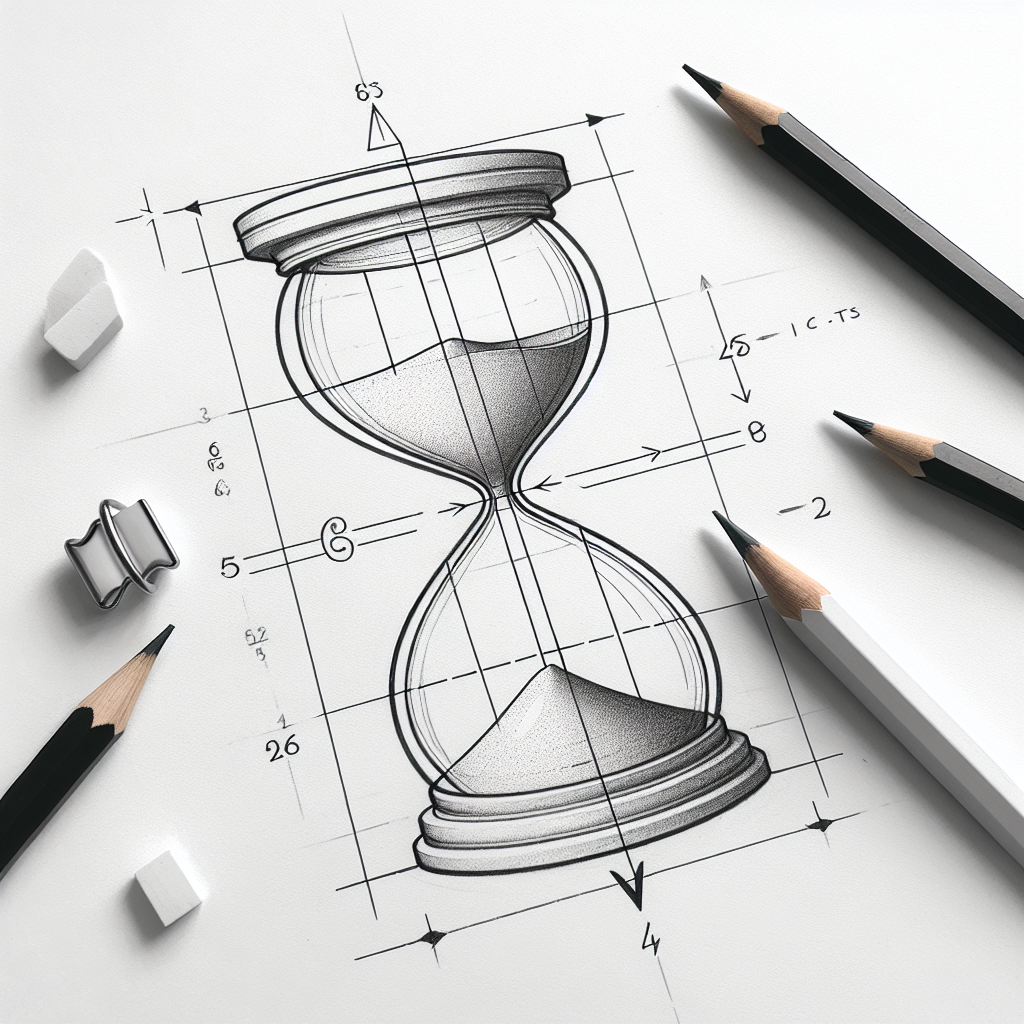
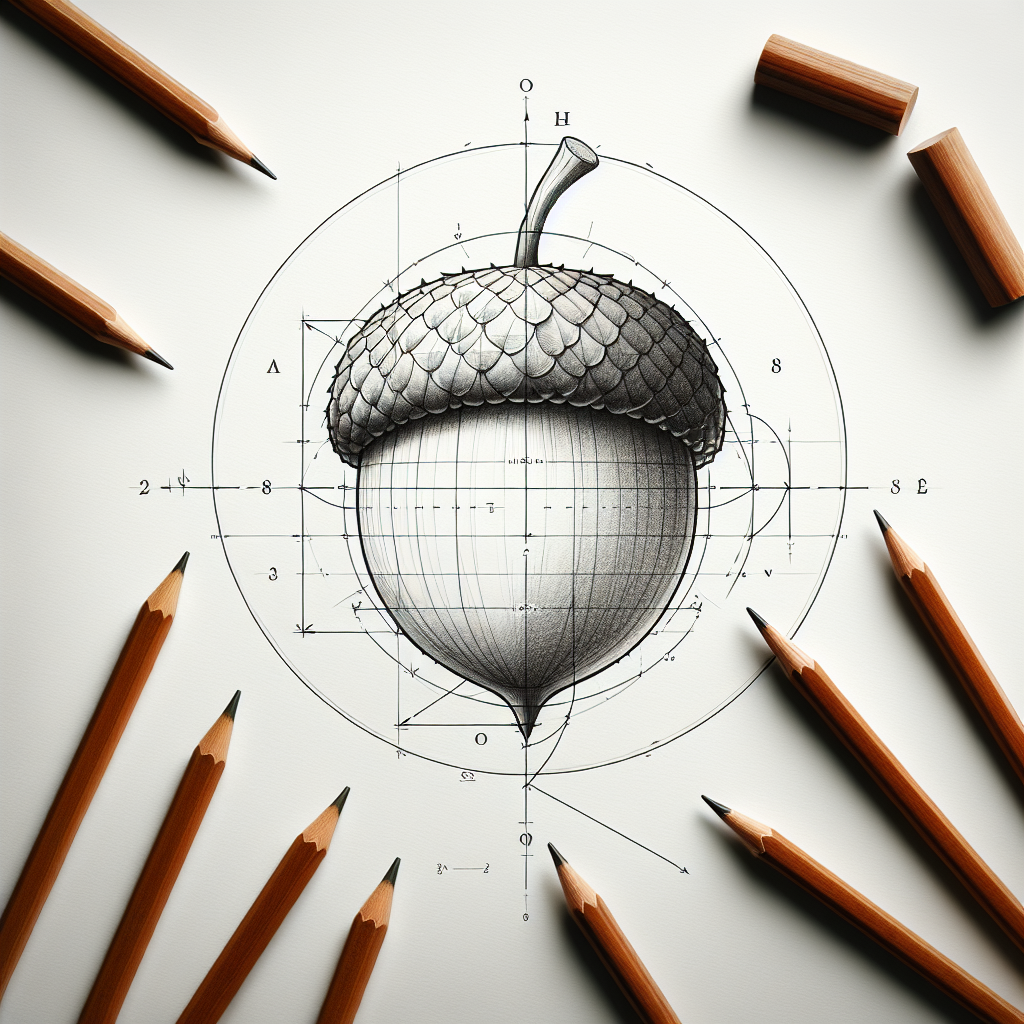
Where you place a subject on the page often matters more than how well you draw it. Composition is a set of deliberate decisions you make before committing, and they're worth rehearsing on even the simplest object.
Design the space, not just the object
The empty areas around your subject are part of the picture. Notice the shapes the background makes and how much breathing room sits above, below, and beside the object. A single pear can look considered or accidental depending entirely on how the space around it has been divided.
Try thumbnails before you commit
Sketch two or three tiny, quick versions of the same subject in different positions: centred, cropped in close, pushed off to one corner. These thumbnails cost seconds and reveal which arrangement has the most tension or balance before you've invested in a full drawing. Choosing a layout on purpose beats discovering, halfway in, that the composition was fighting you.
Use the frame with intent
Dead-centre placement is safe but often lifeless. Letting a subject sit off-centre, or cropping boldly past the edge, usually creates more interest. Placing the focal point roughly a third of the way in is a reliable starting instinct. The point isn't a formula but the habit of deciding where the edges fall rather than defaulting to the middle.