20-Minute Drawing Exercises11 lessons
A slightly longer block to add careful shading, texture, or layered detail to a focused subject.
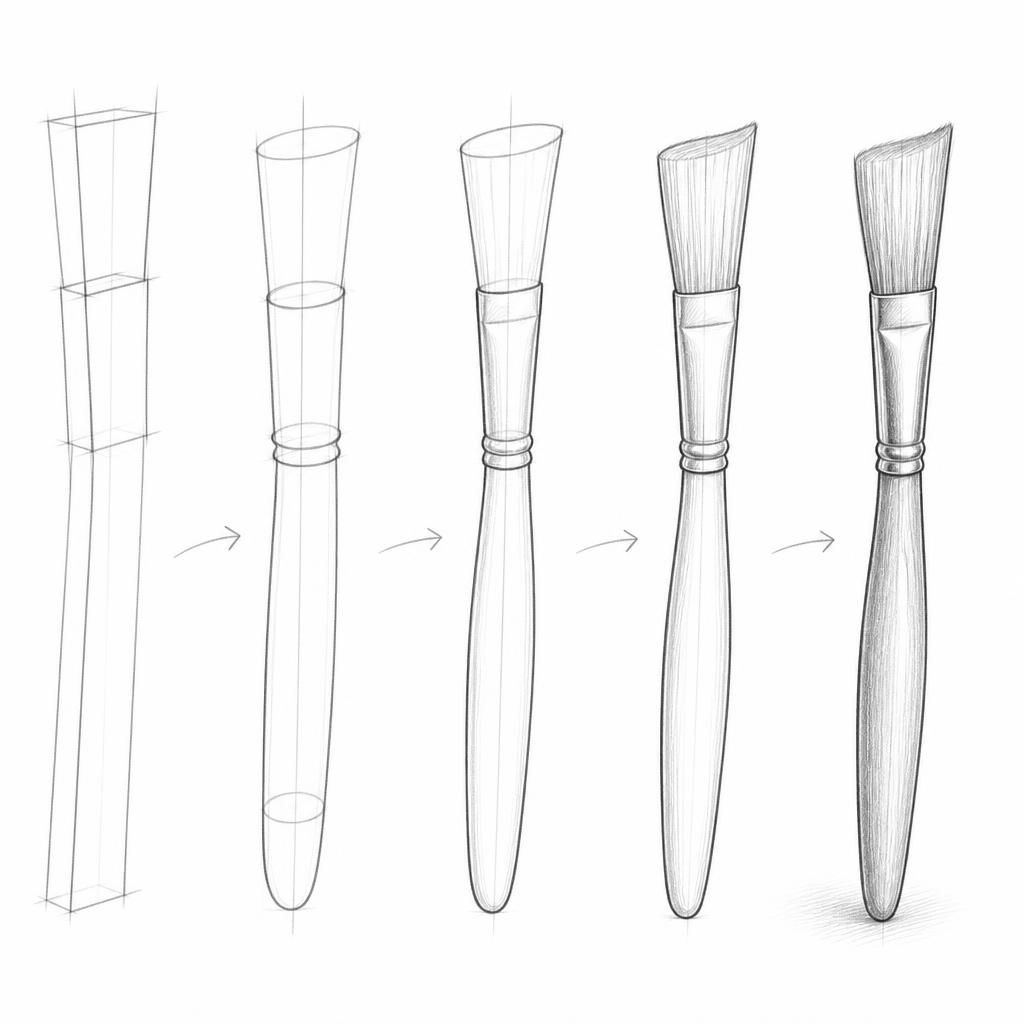
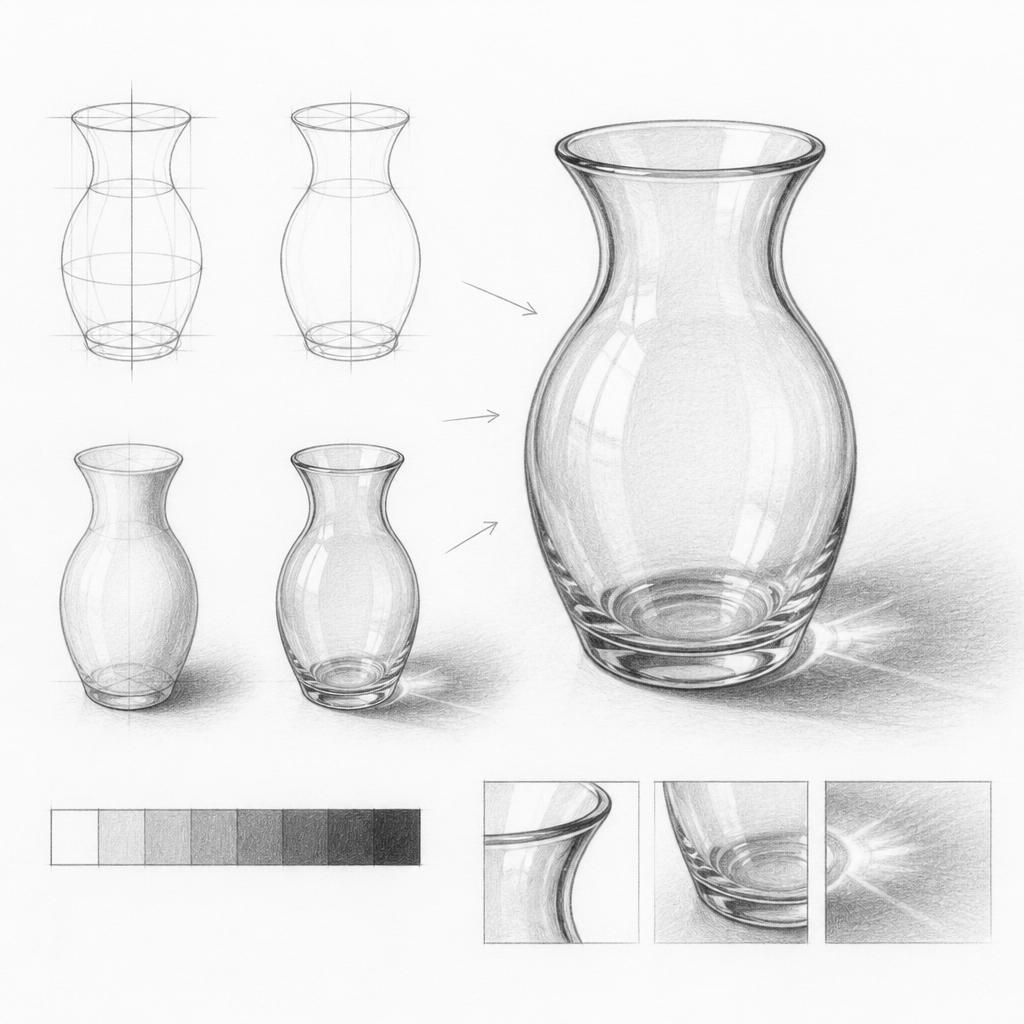
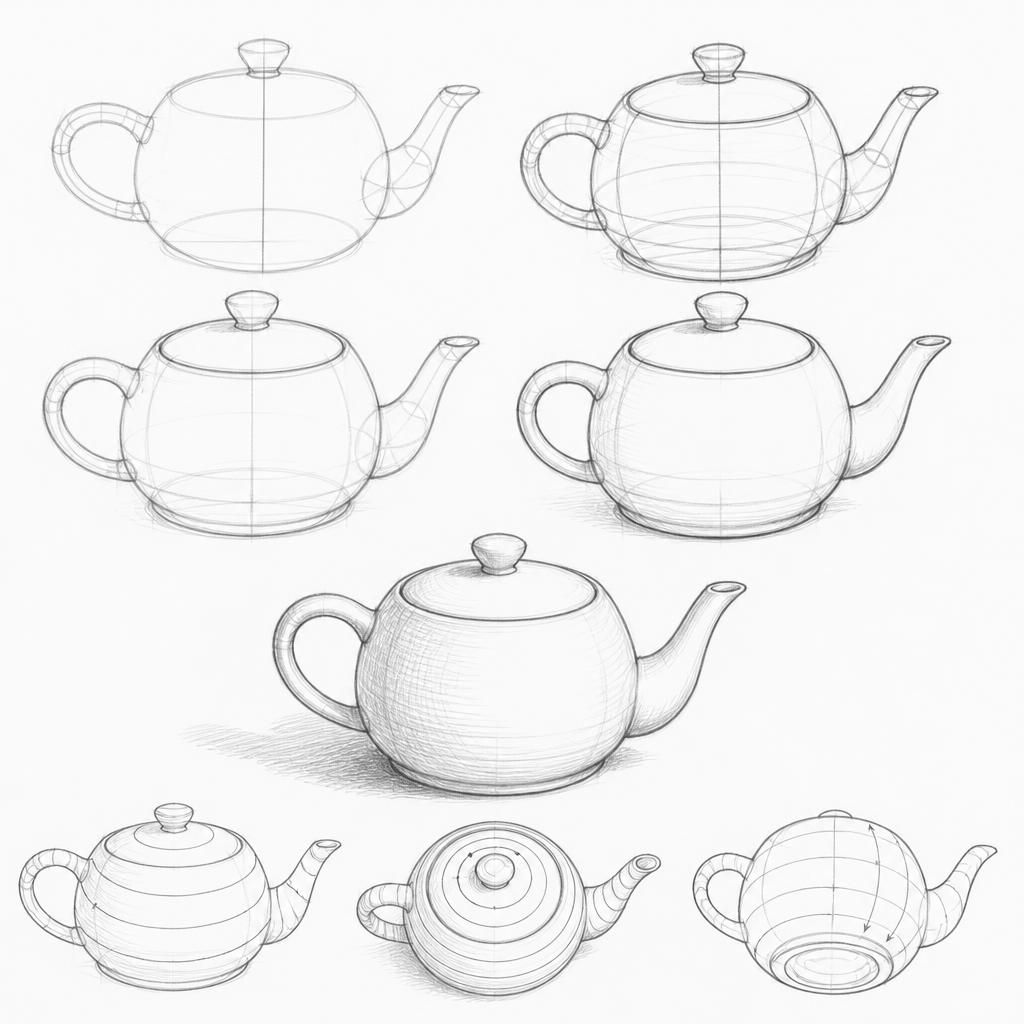
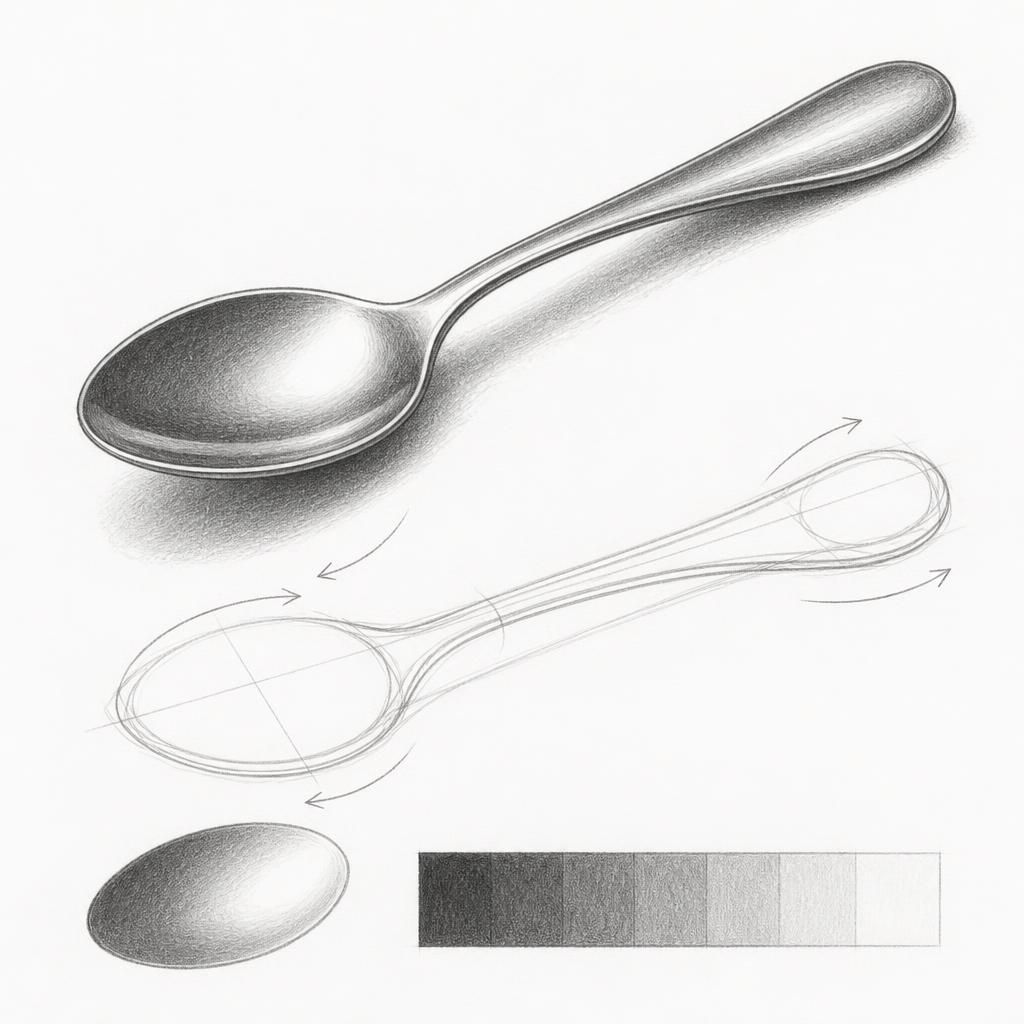
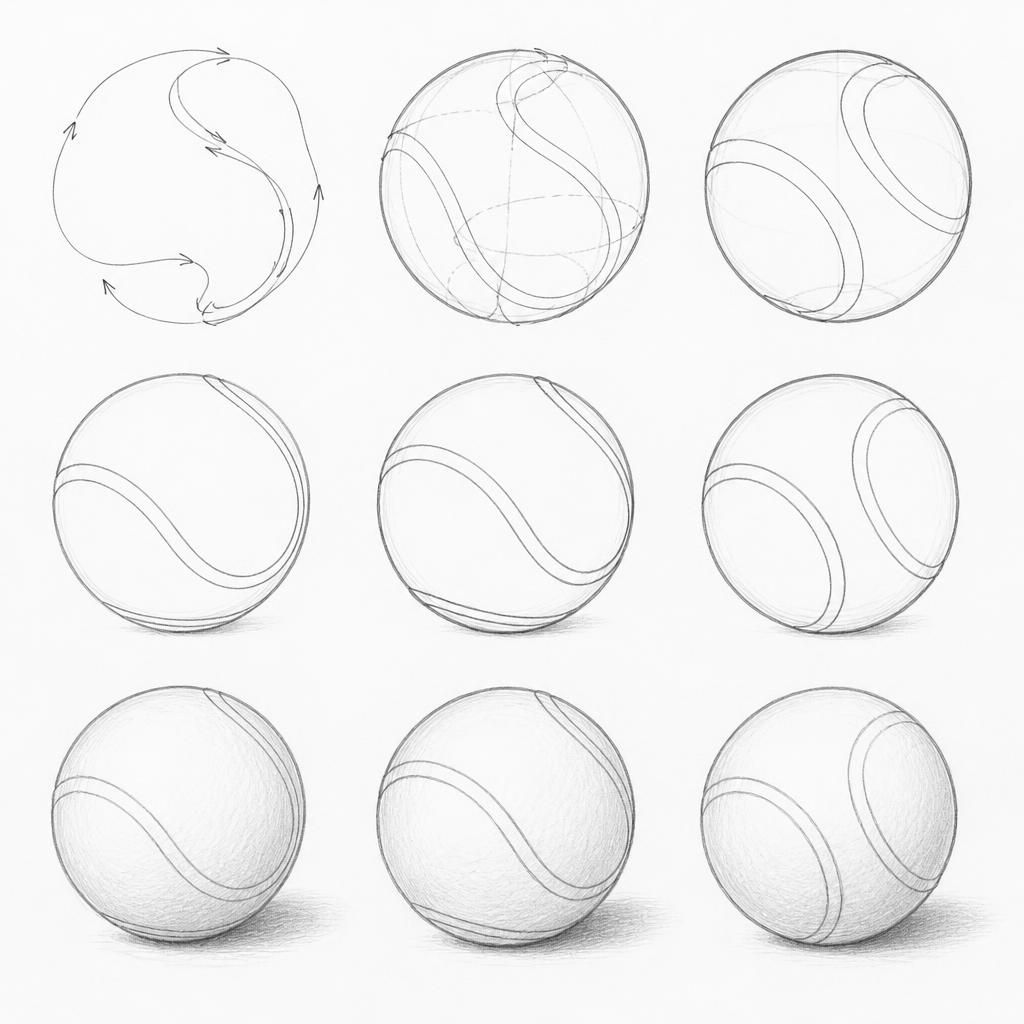
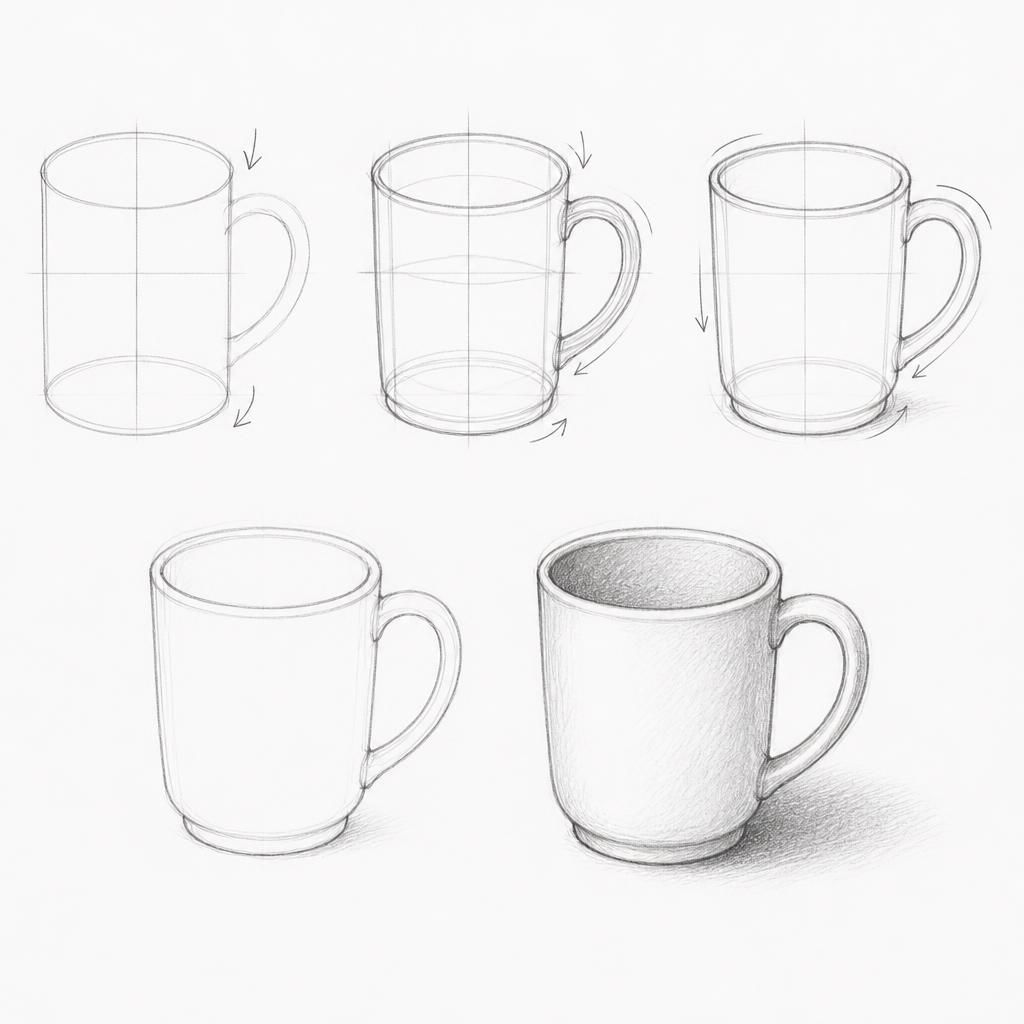
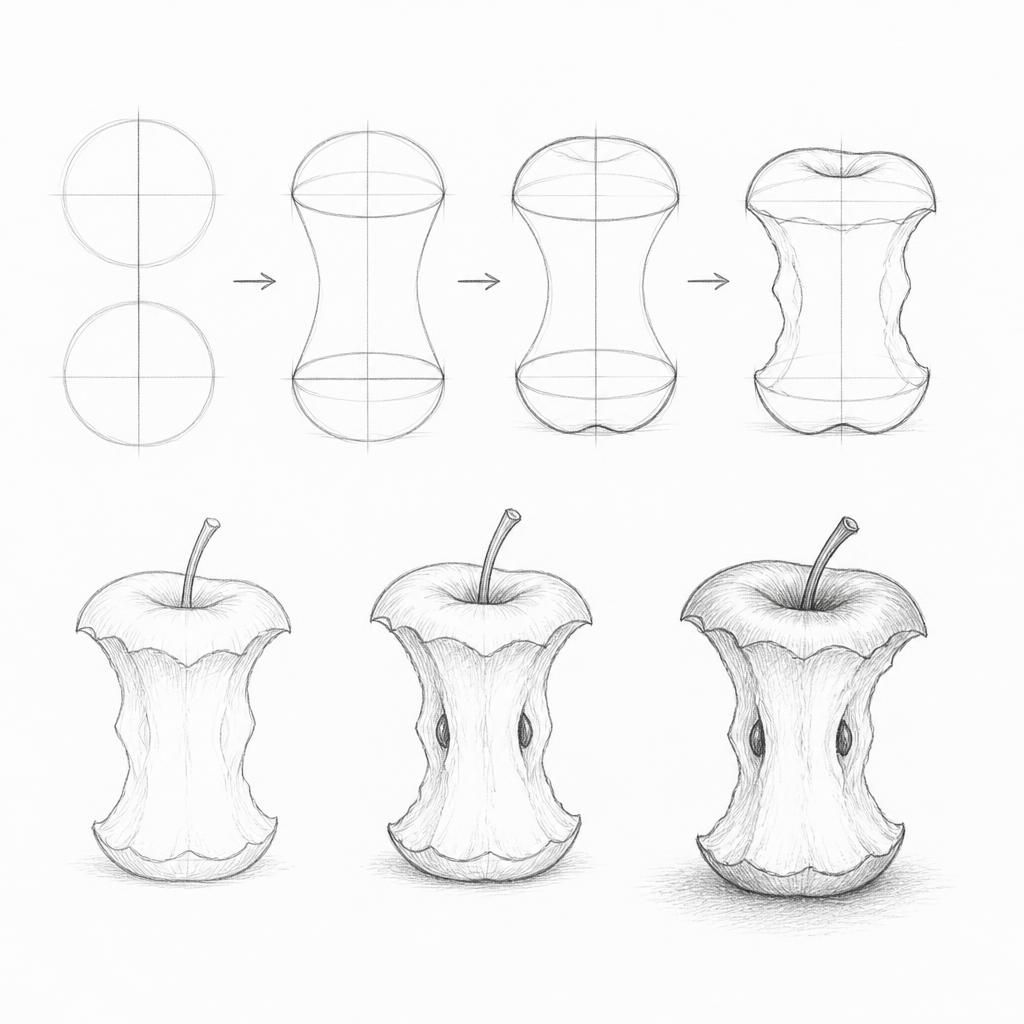
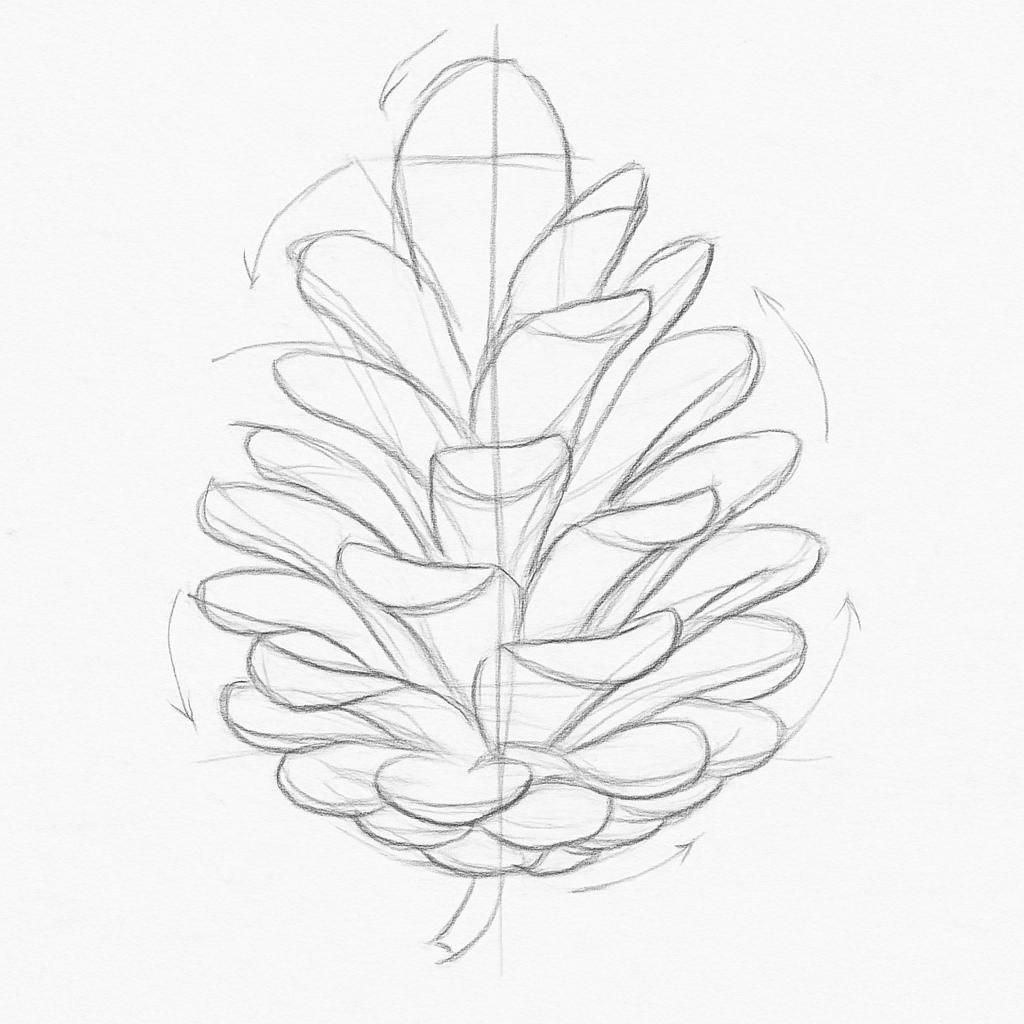
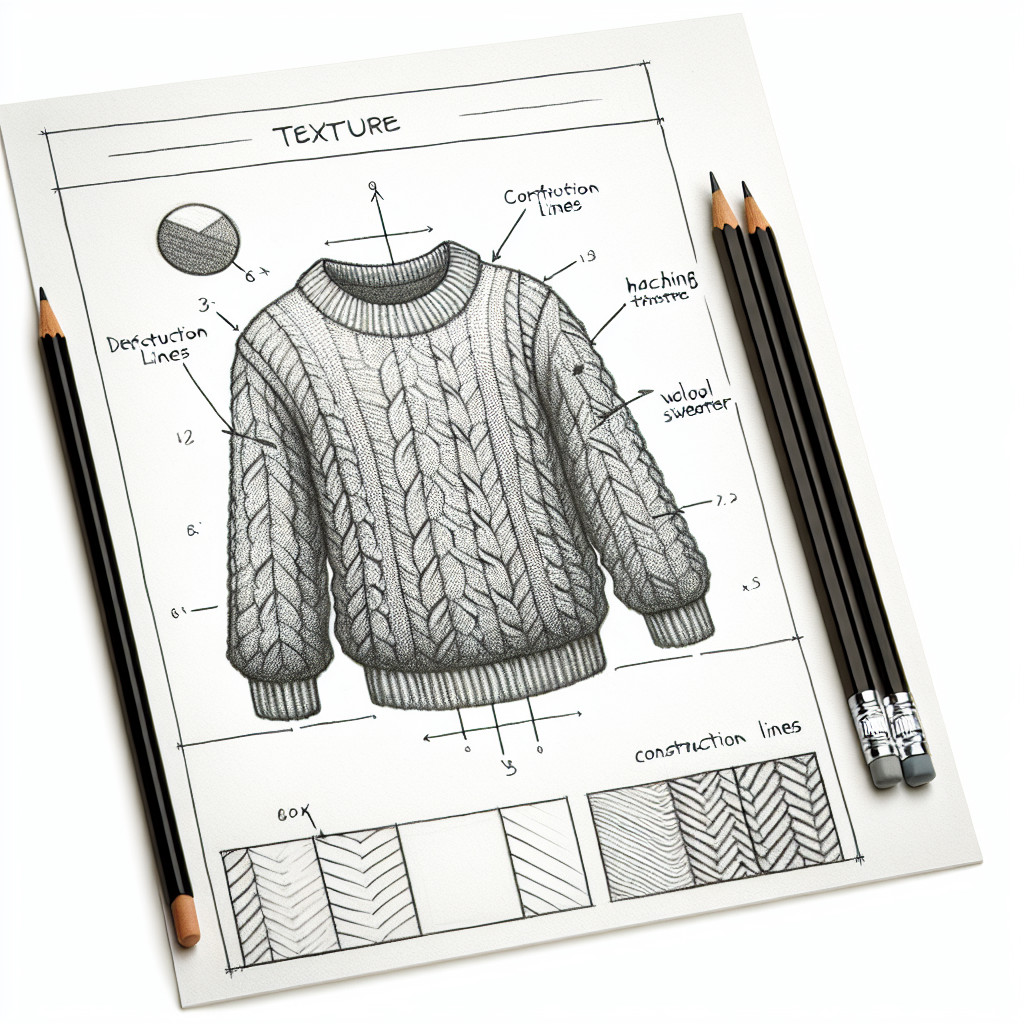
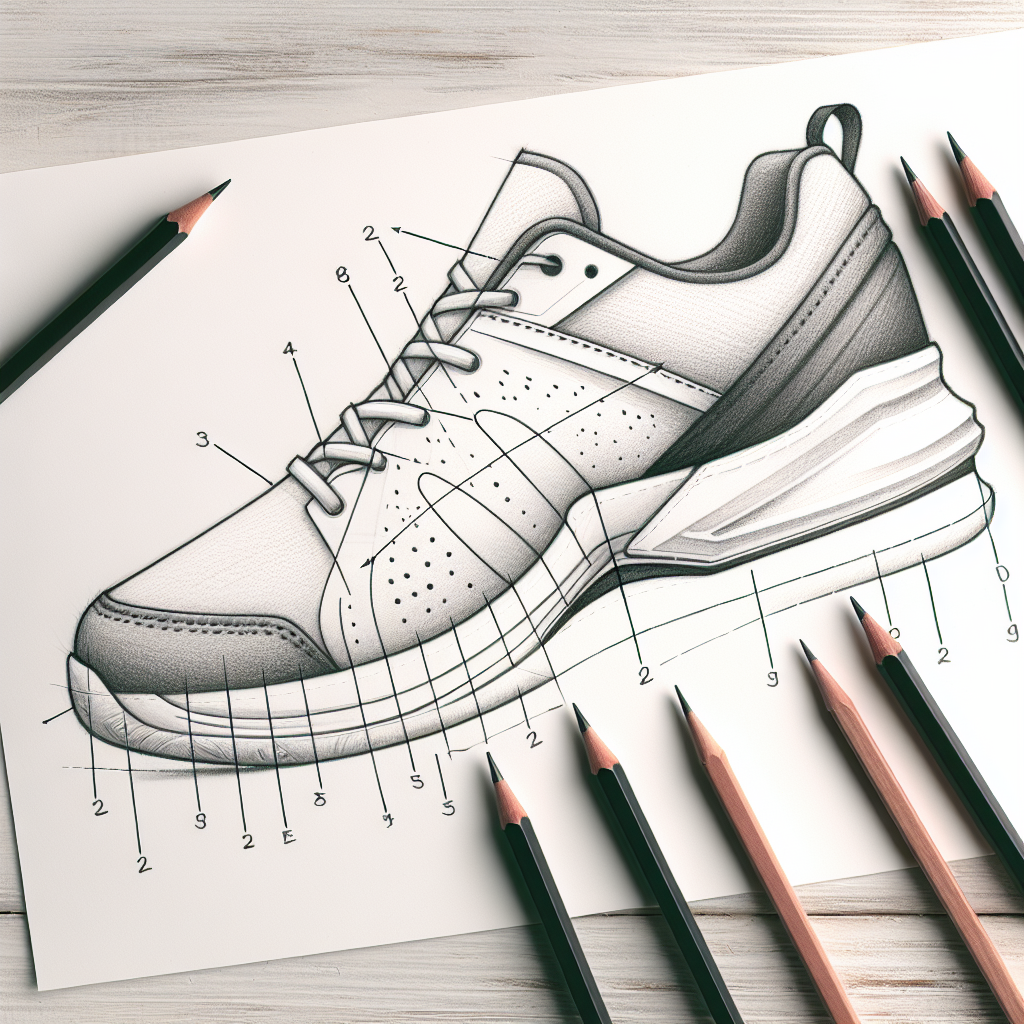
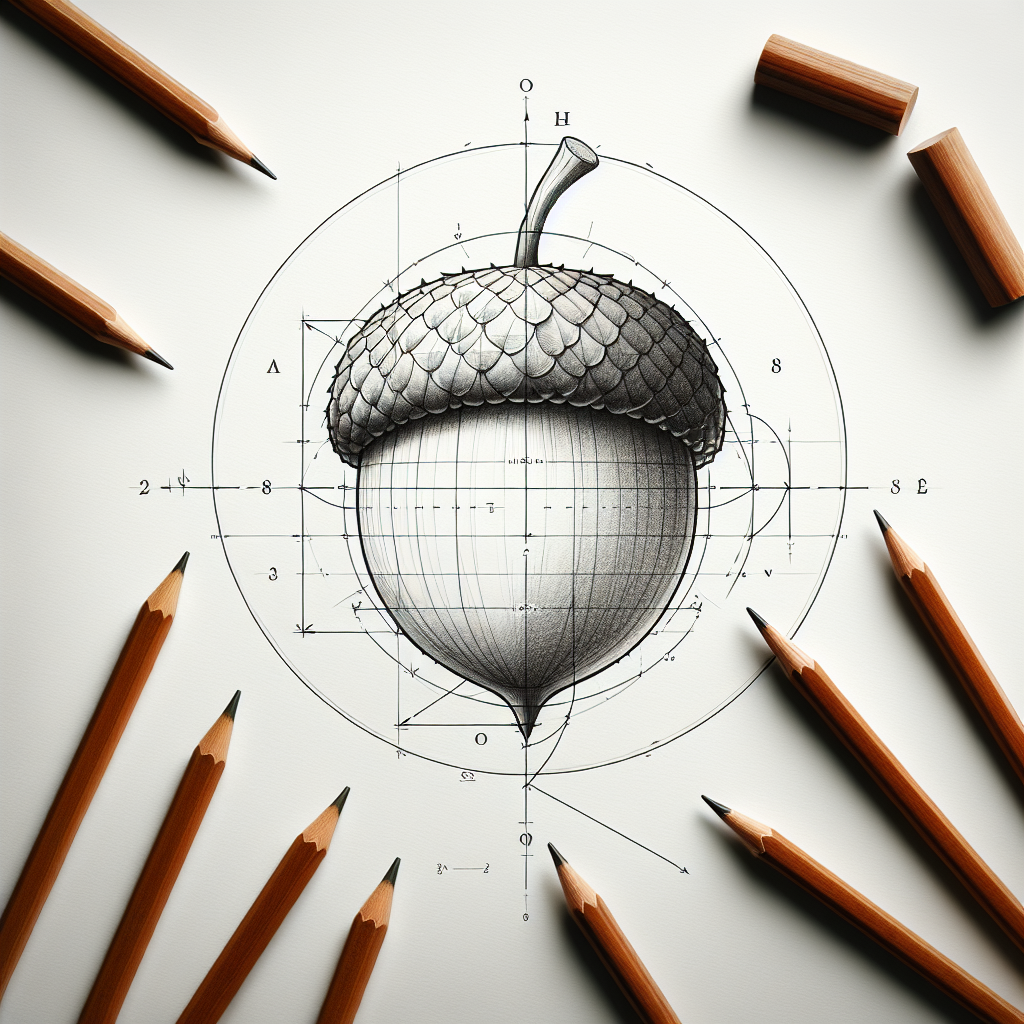
The extra five minutes over the sweet spot aren't for a bigger subject. They're for value and surface. Twenty minutes is where a drawing stops being a good outline and starts to look like it has weight and material.
Where the extra minutes go
Almost entirely into rendering. Build tone in layers, soft passes first and then deepening the shadows, so you're modelling form rather than filling in outlines. This is also enough time to characterise a real surface. The difference between the way you mark metal, fur, or glass starts to show up here.
Work in passes, not spots
Establish your construction fast, aiming to finish the block-in inside the first third, so you protect a full twelve-plus minutes for shading. Then squint at the subject to collapse it into two or three value groups, and lay those in as whole regions before you chase any local detail.
Keeping values clean
The classic twenty-minute mistake is pushing your darks in too hard and too early, ending up with a muddy grey where midtones and shadows blur together. Sneak up on the dark end gradually. Decide which spots stay pure paper-white before you start, because reserved highlights are what make the rendered areas convincing.