How to Practise Perspective8 lessons
Perspective is the grammar of believable space. These daily exercises build an intuition for vanishing points, eye level, and how objects change shape as they turn away from you.
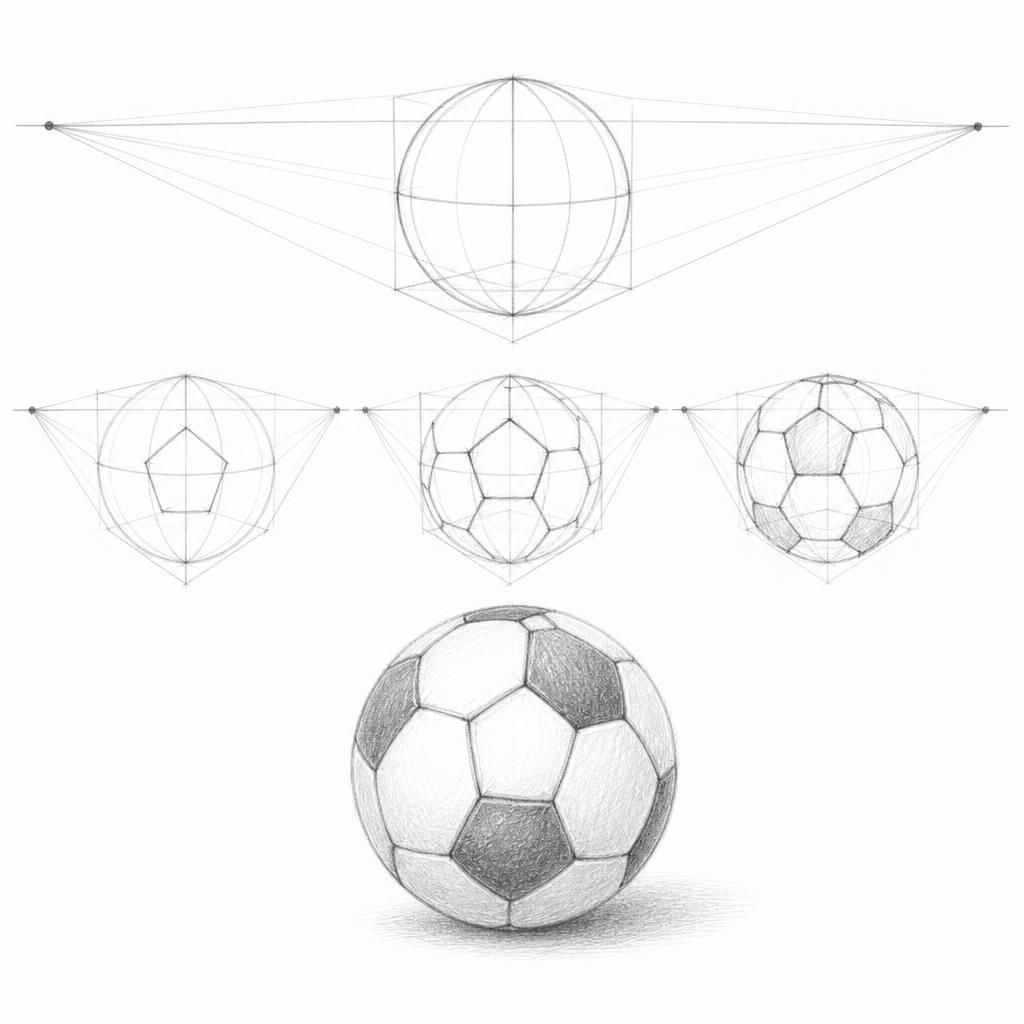
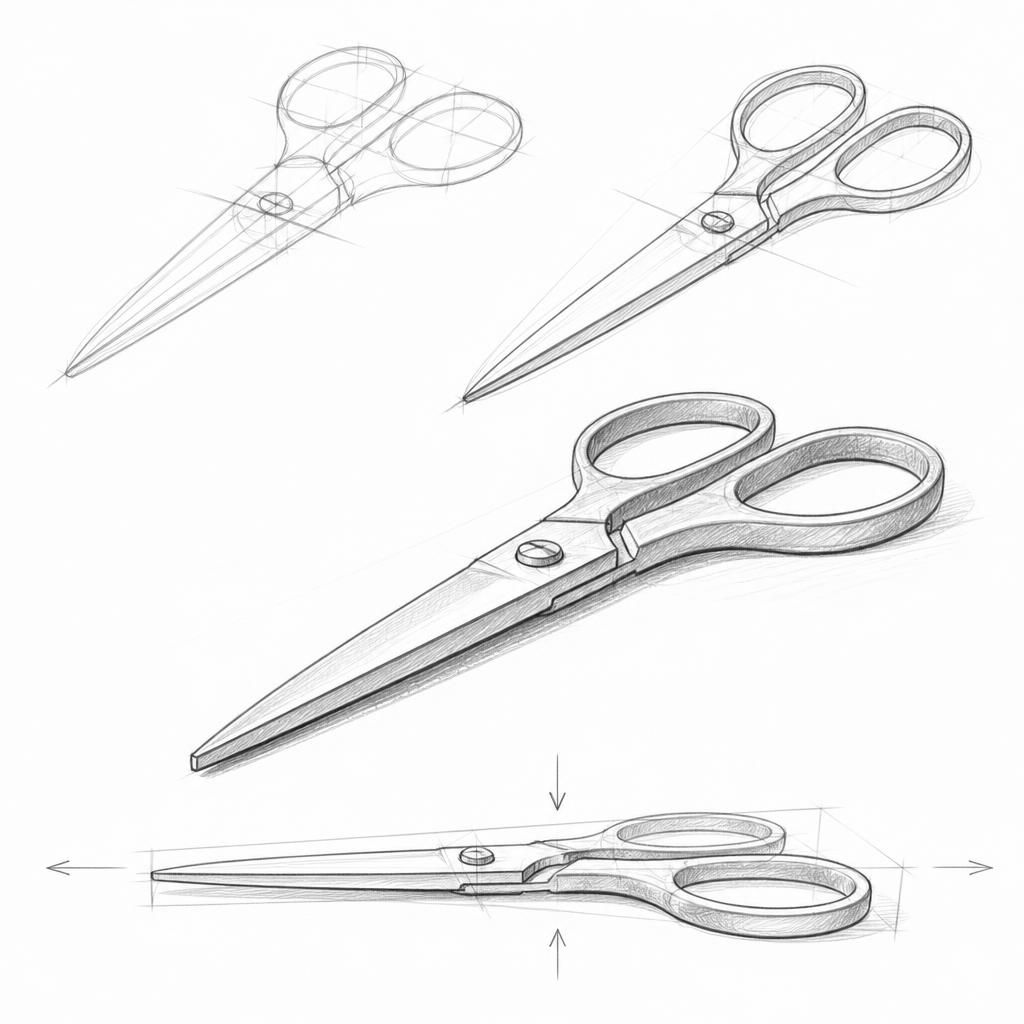
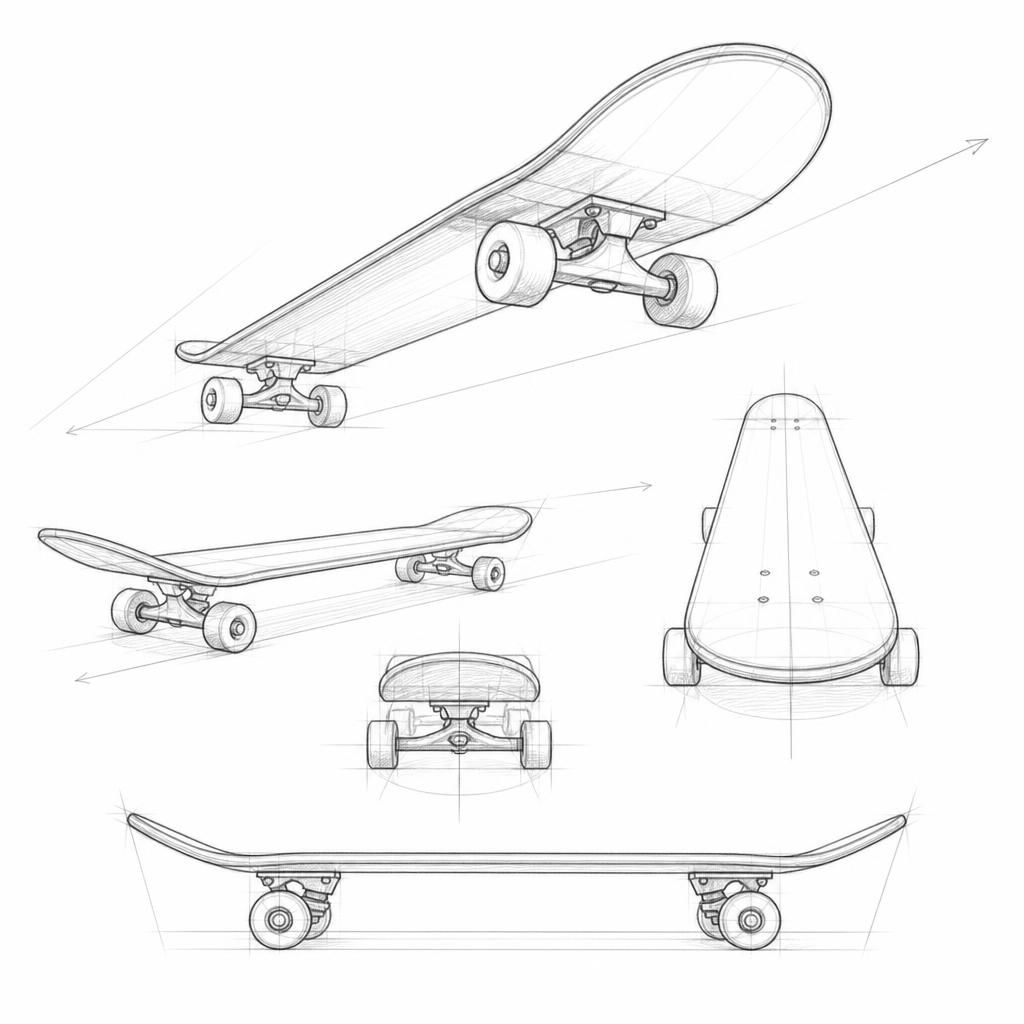
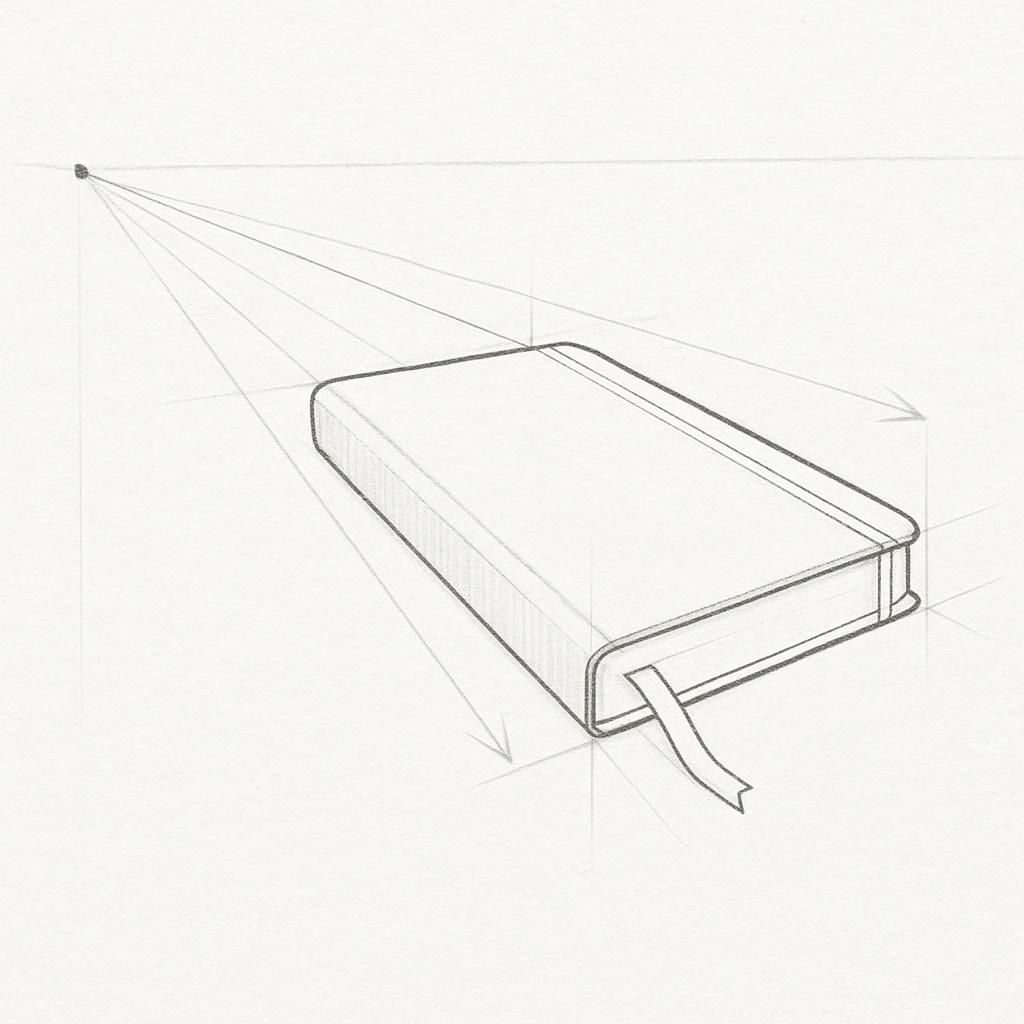
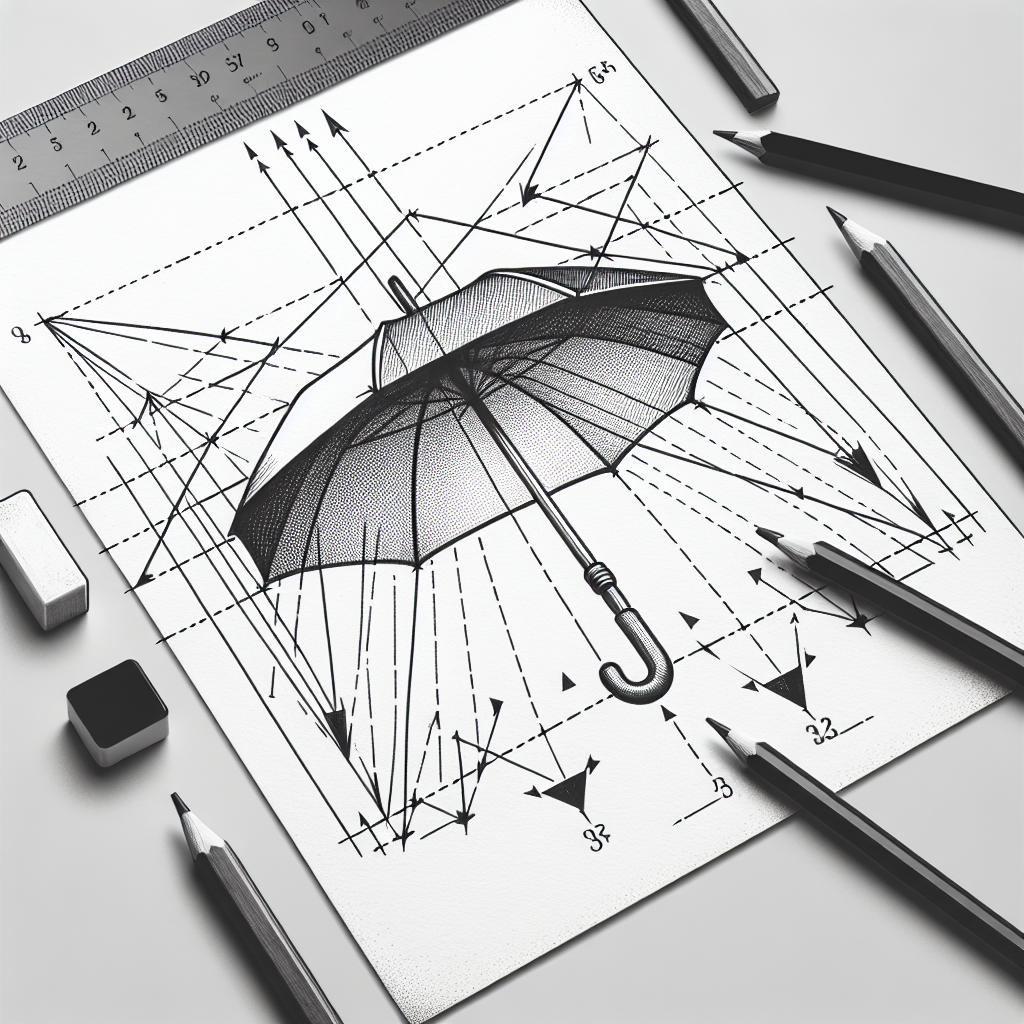
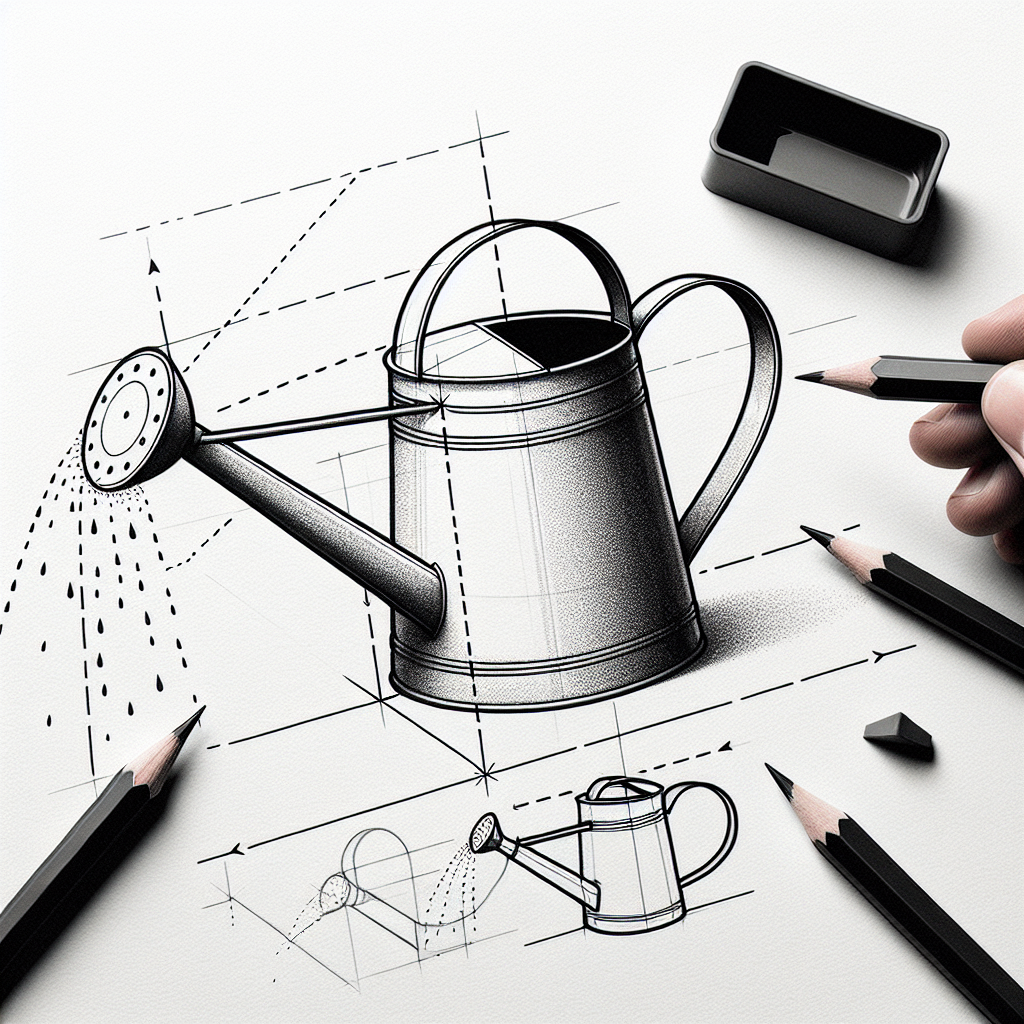
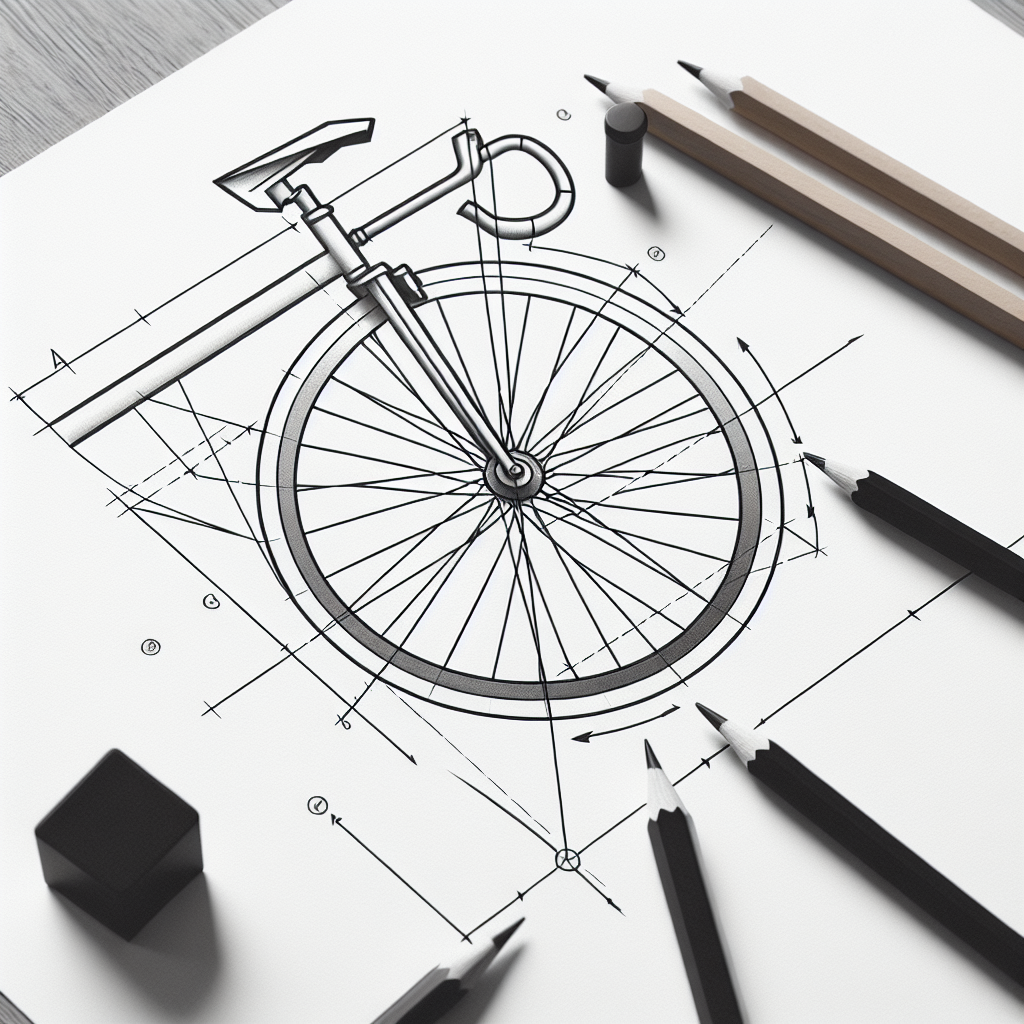
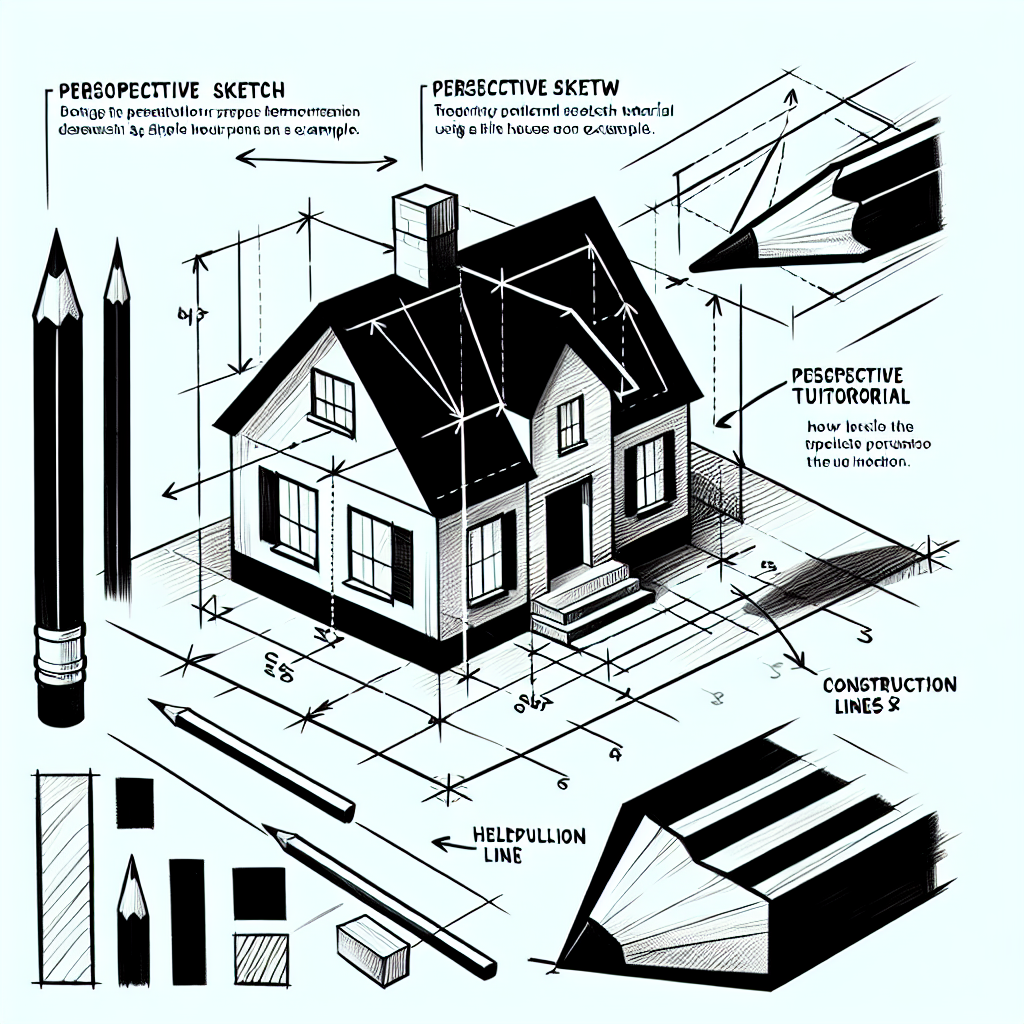
Perspective is just a set of rules for how the same object shrinks and tilts as it moves away from you. Learn to place a horizon and a vanishing point, and believable depth stops being guesswork.
Set your eye level first
The horizon line is your eye level. Everything above it you're seeing from below, everything under it you're seeing from above. Draw that line lightly before the object goes down, because it decides whether you're looking up at a mug or down into it. Most wonky sketches come from an eye level the artist never actually chose.
Send receding edges to a vanishing point
Parallel edges that run away from you converge on a shared point sitting on the horizon. Pick a box or a book and lightly rule its receding edges back to one or two vanishing points. You'll immediately spot which of your instinctive angles were off. Keeping every parallel set aimed at the same point is what makes a form sit solidly in space.
Foreshortening is measured, not guessed
When a surface tilts toward you it compresses. A circle flattens into a shallow ellipse, a long form looks stubbier than feels right. Trust the comparison you actually measure over what you 'know' the shape to be, because the mind stubbornly wants to draw the true length. Practising on a single tilted cylinder trains you to accept the compression your eye is reporting.