Intermediate Drawing Lessons24 lessons
For artists who already sketch confidently from reference and want to push into rendering, proportion, and more complex subjects.
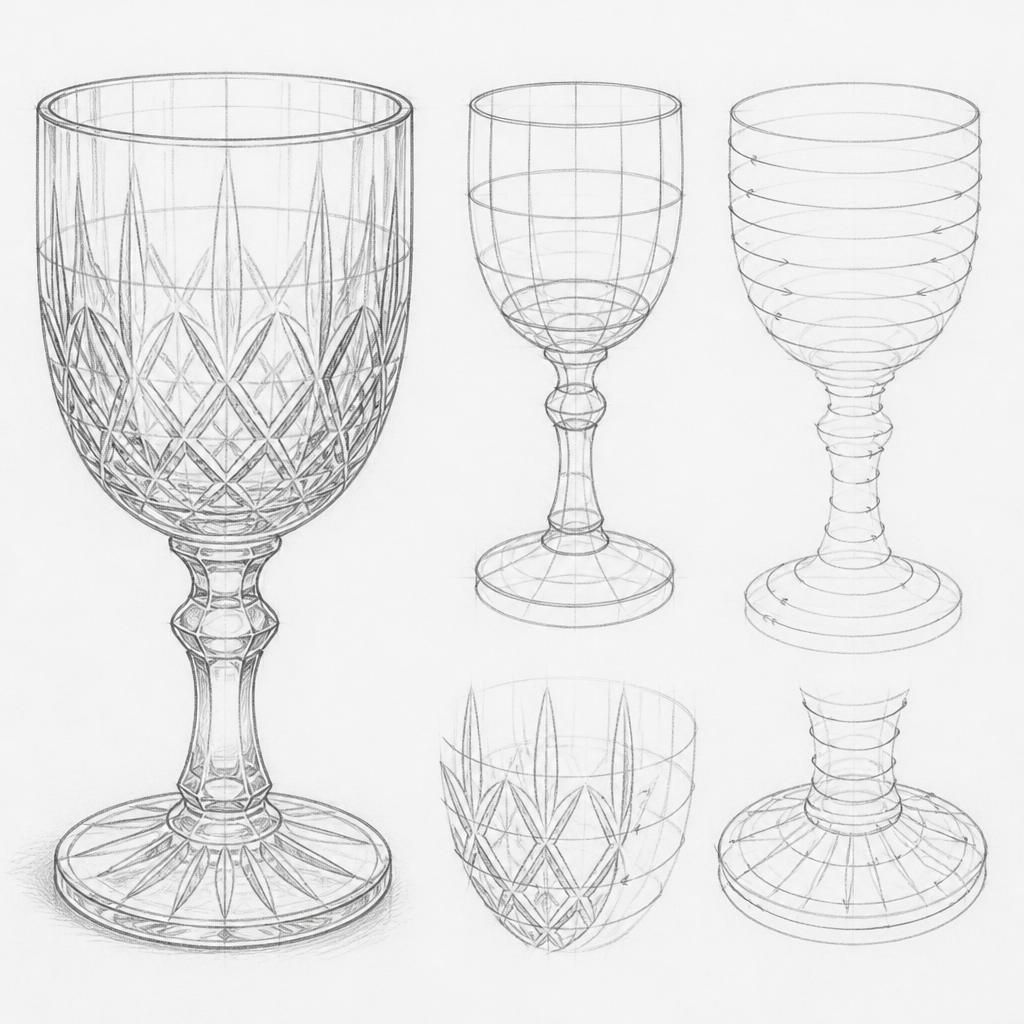
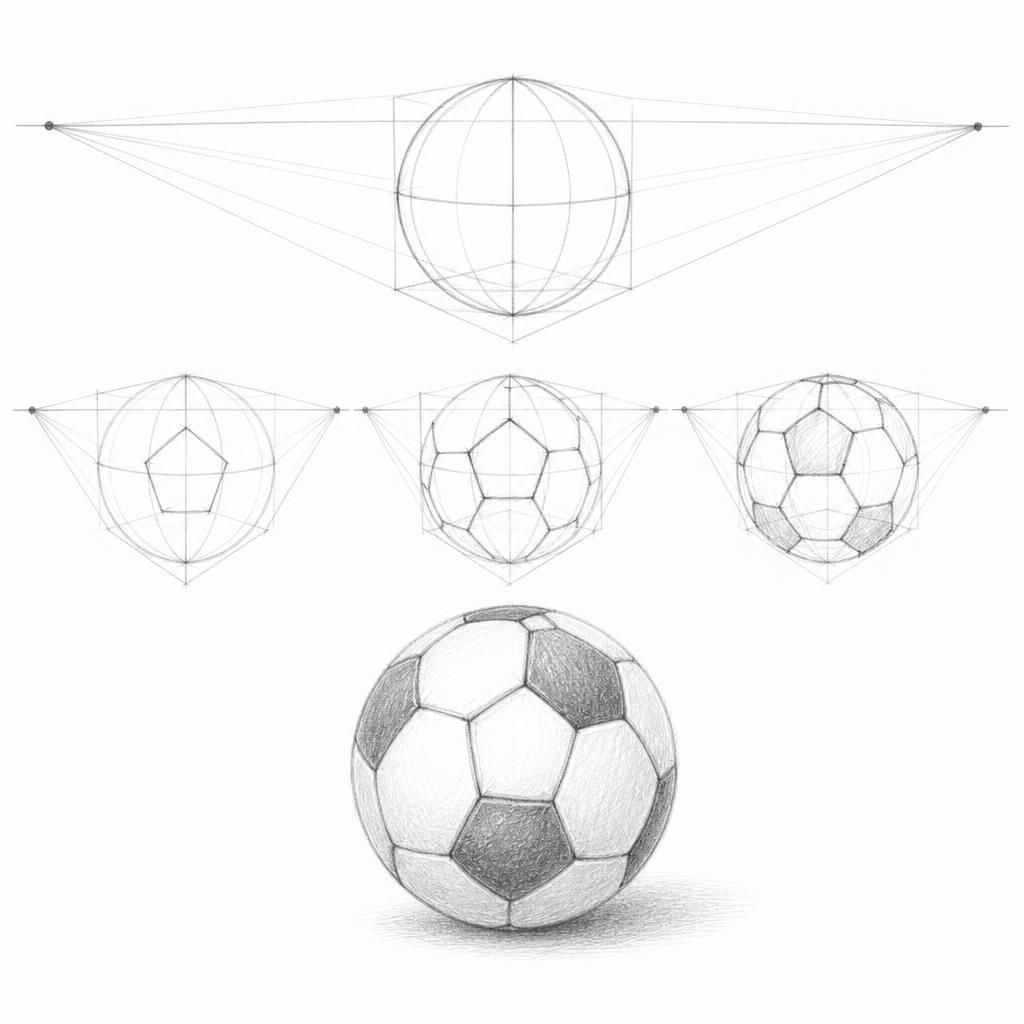
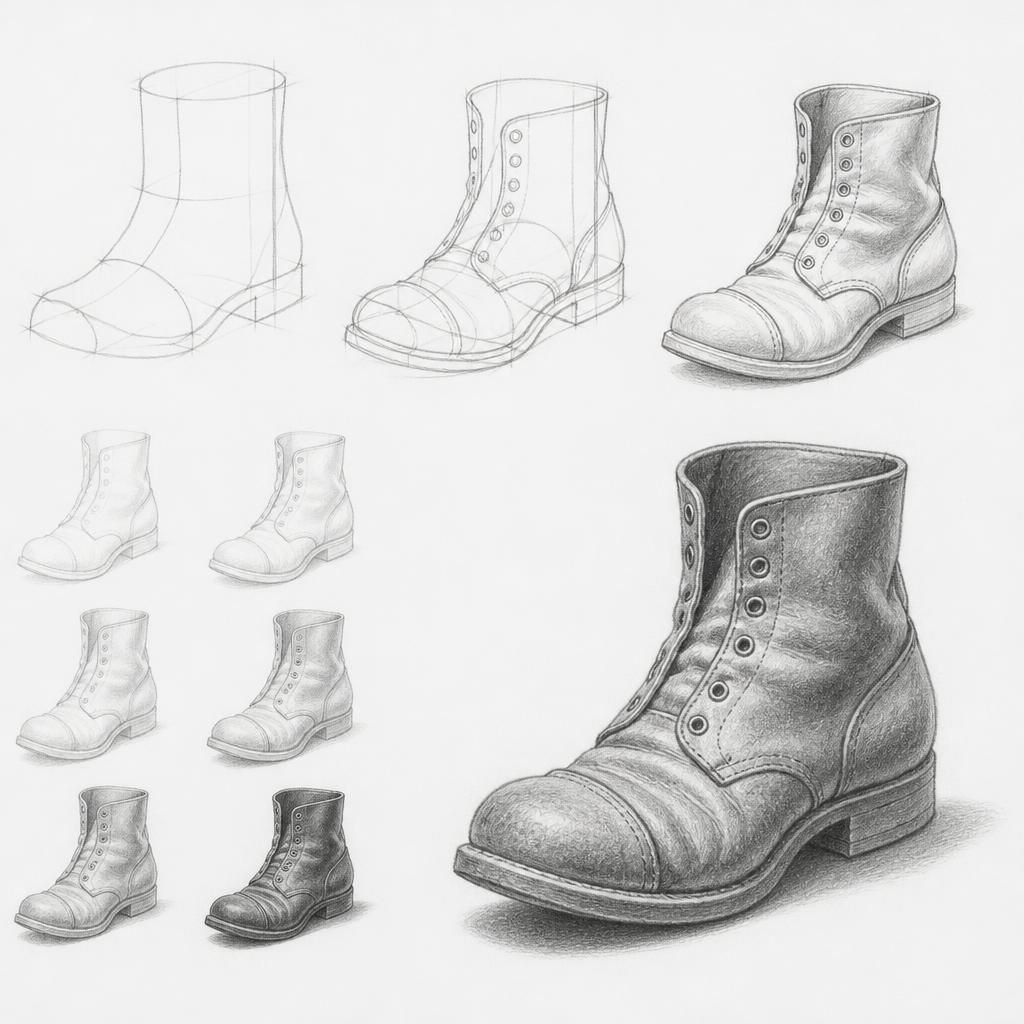
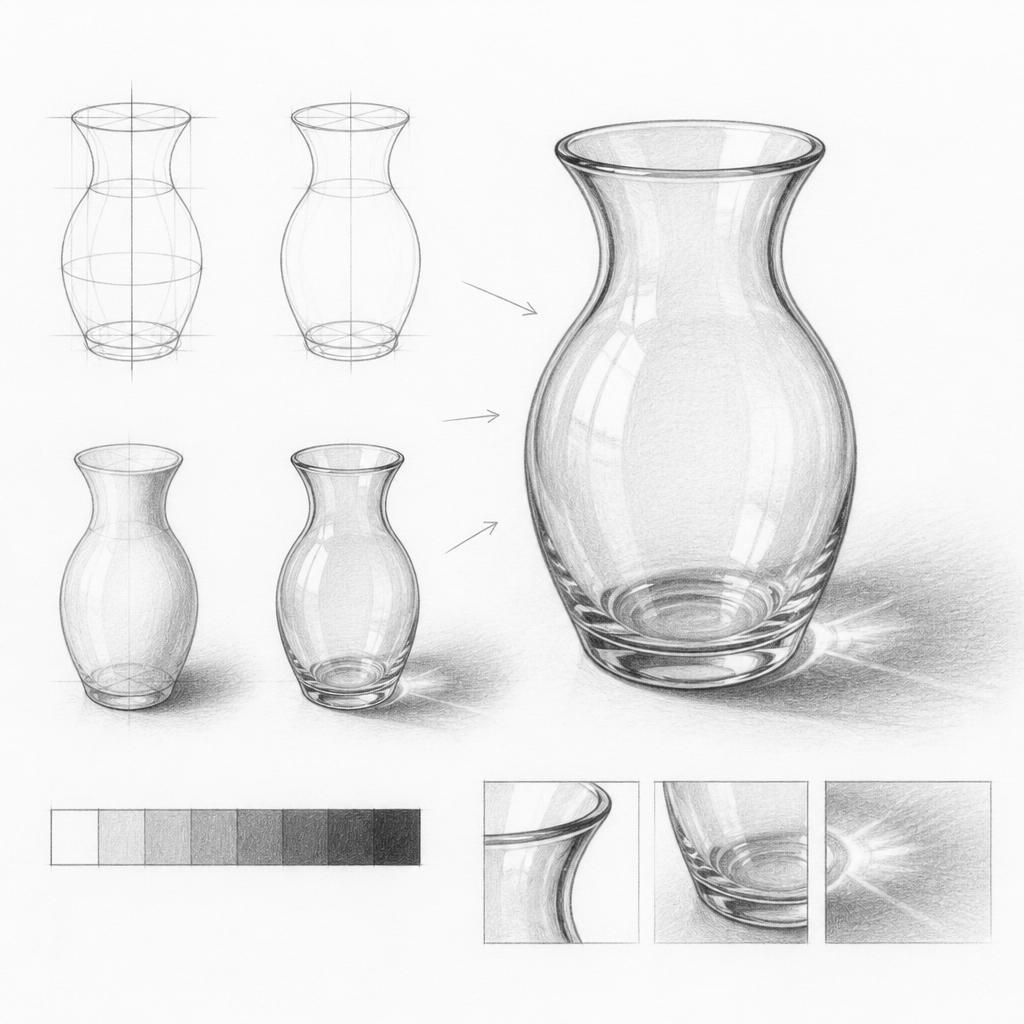
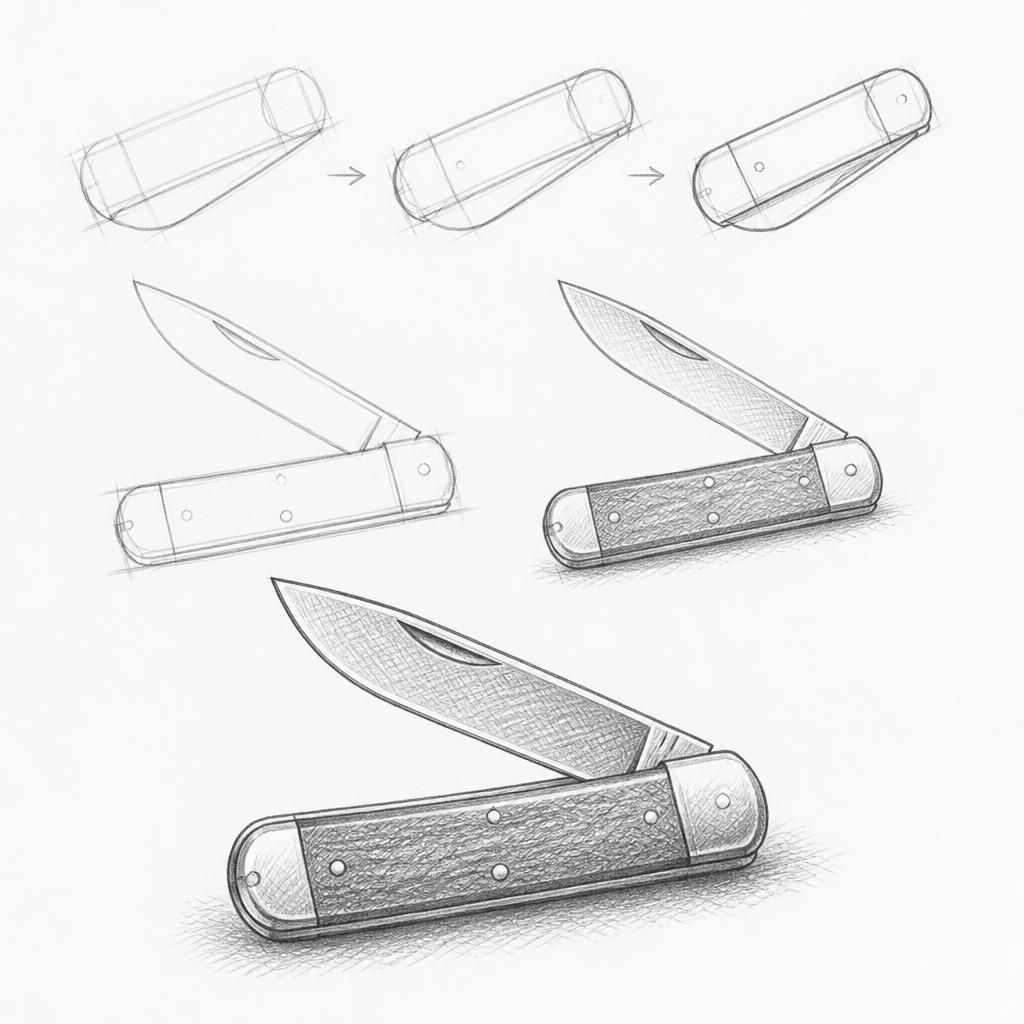
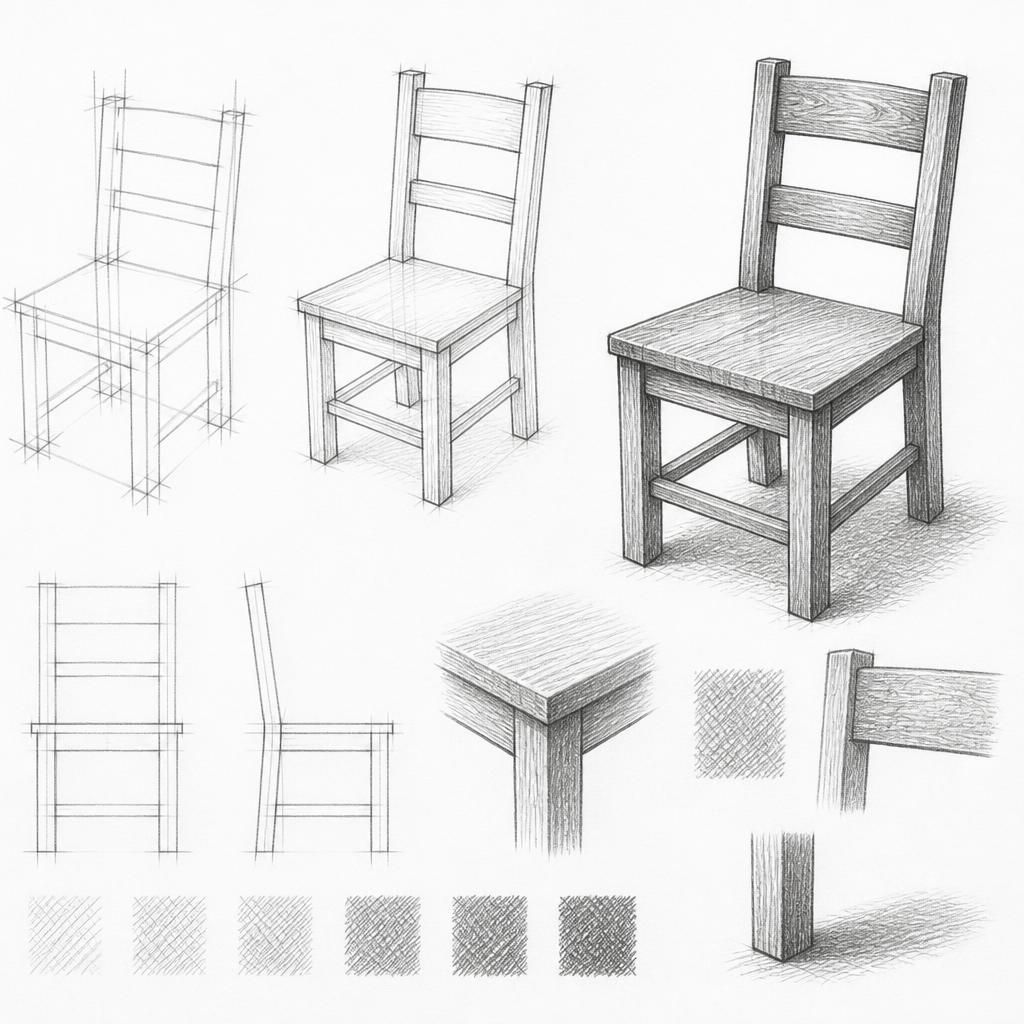
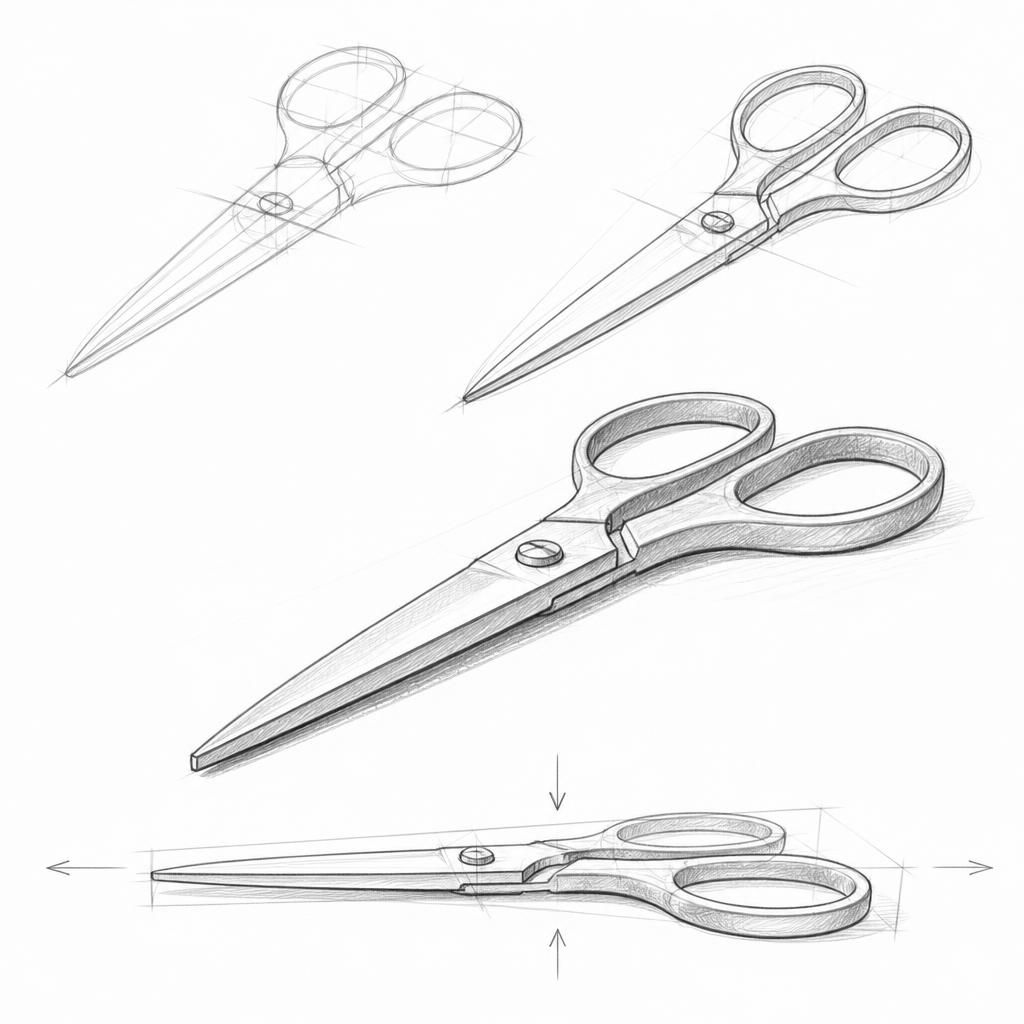
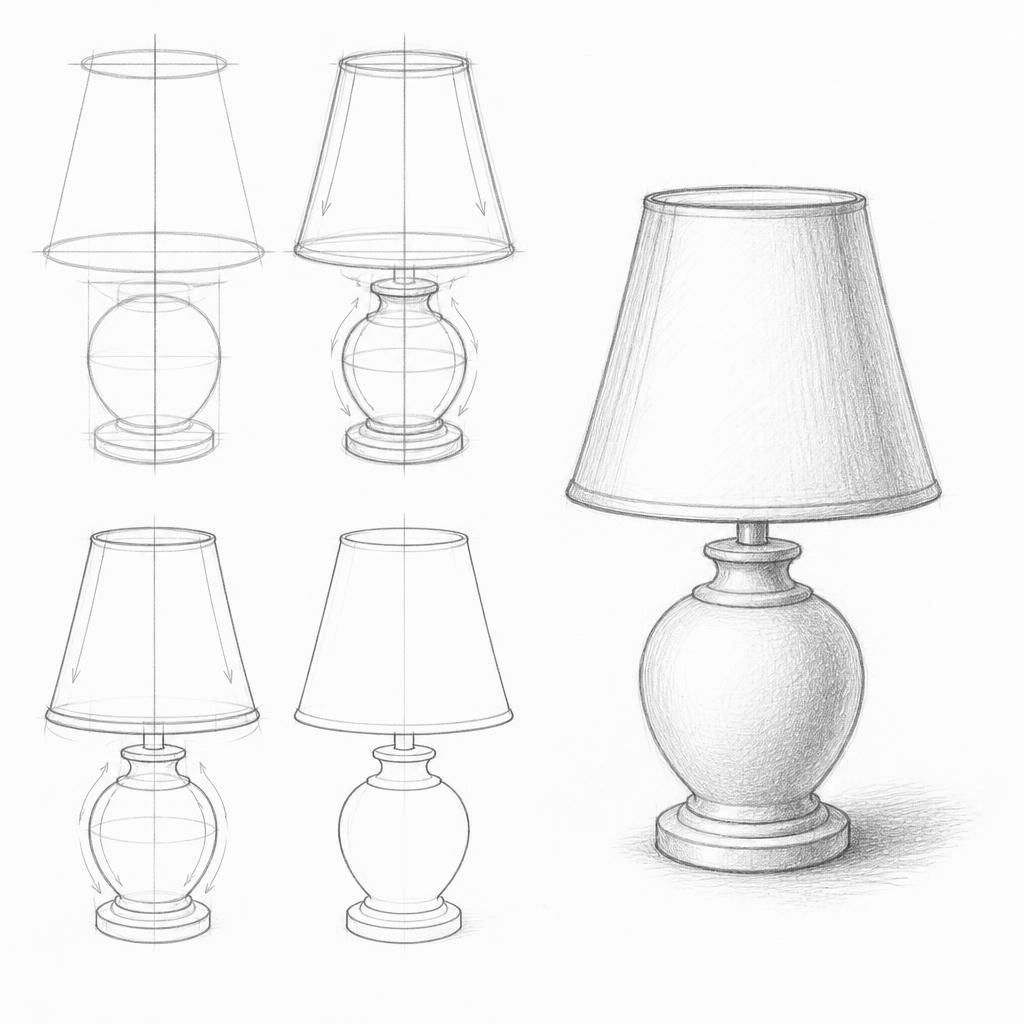
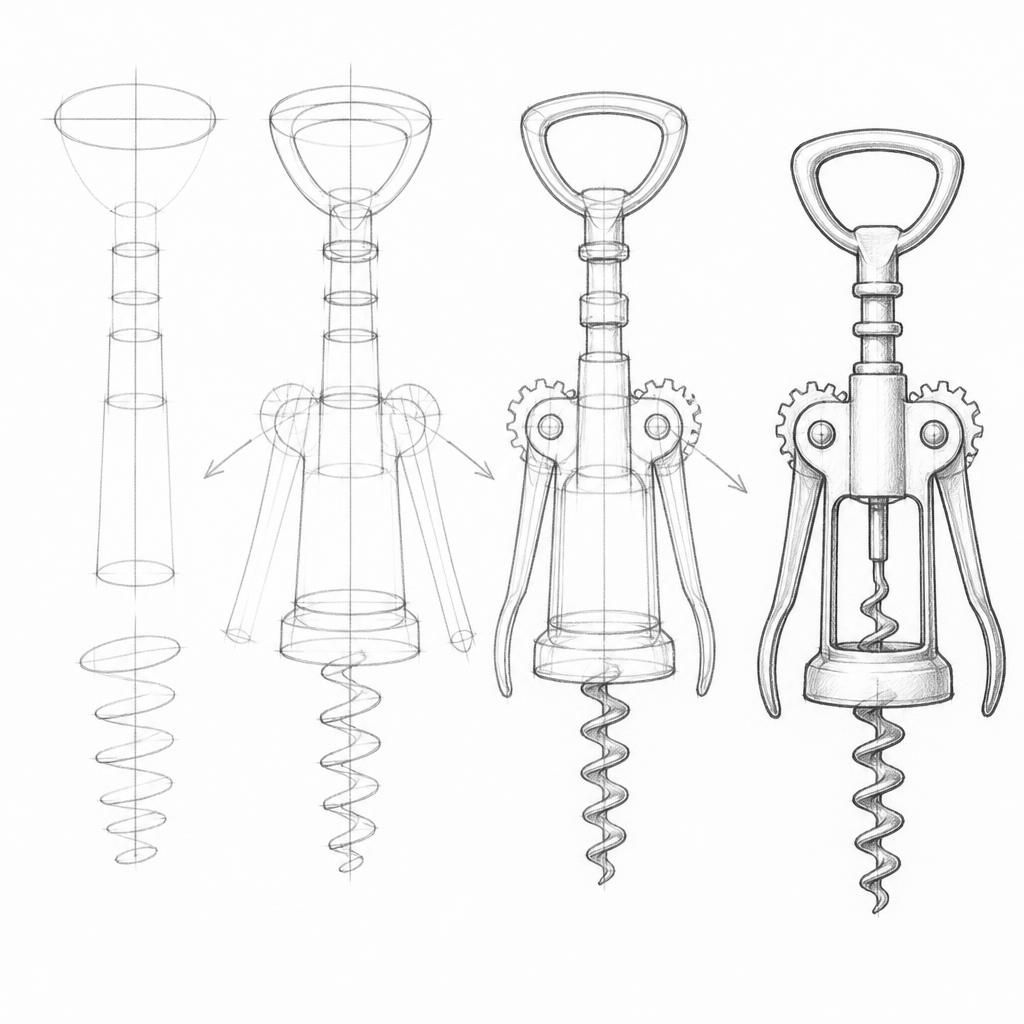
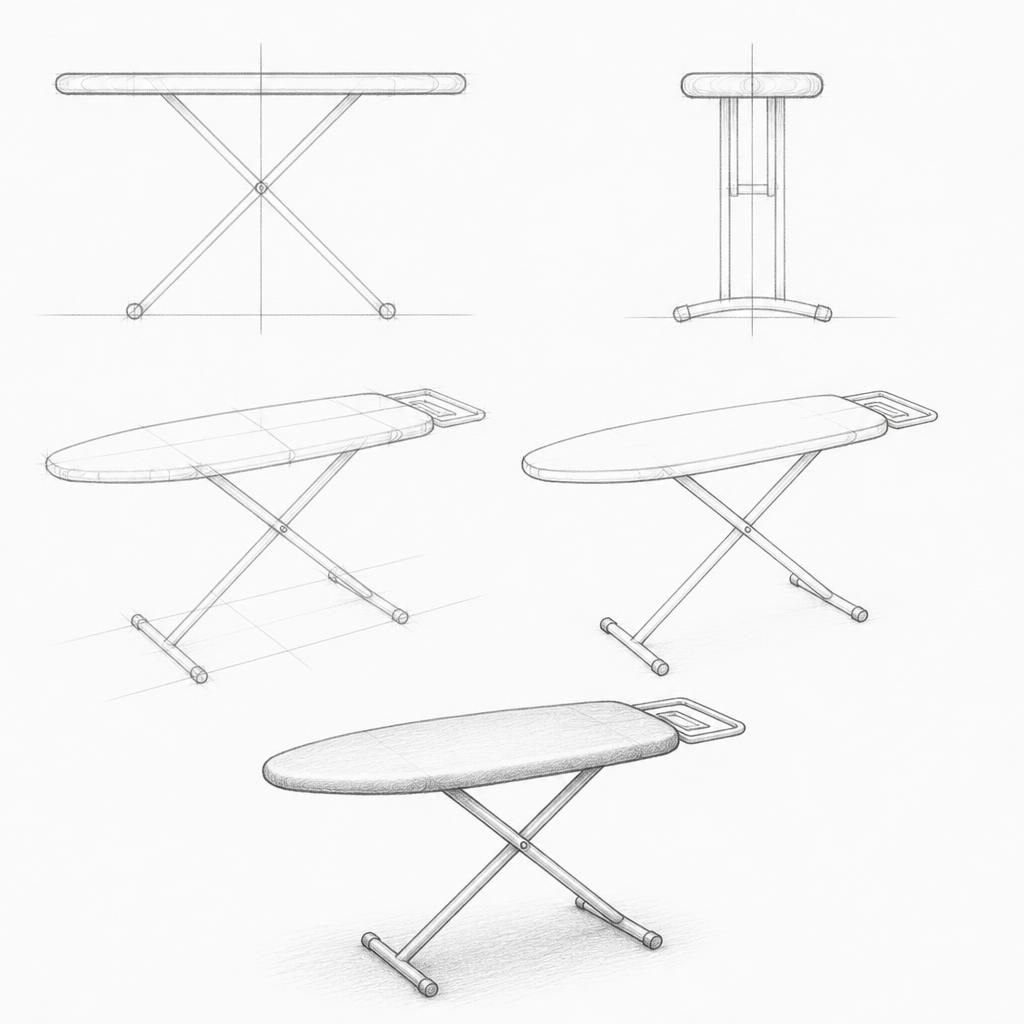
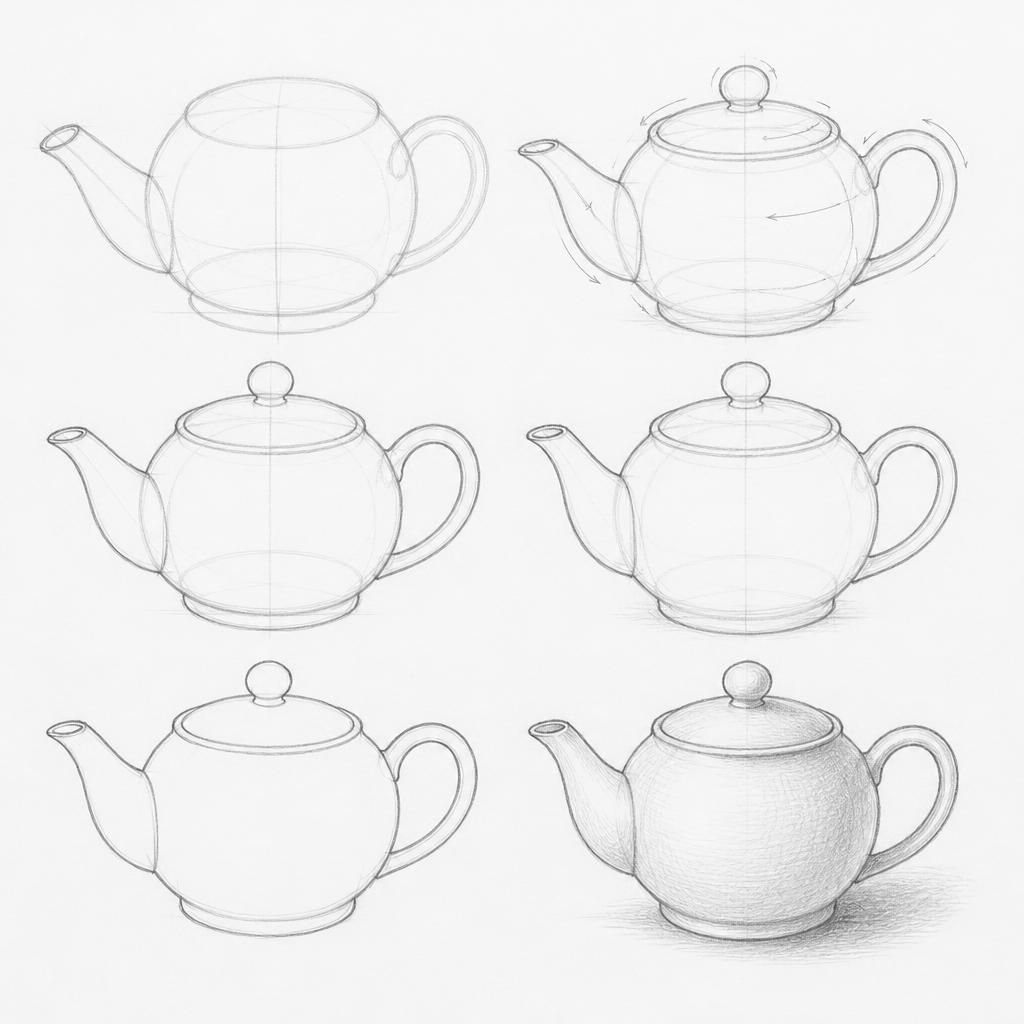
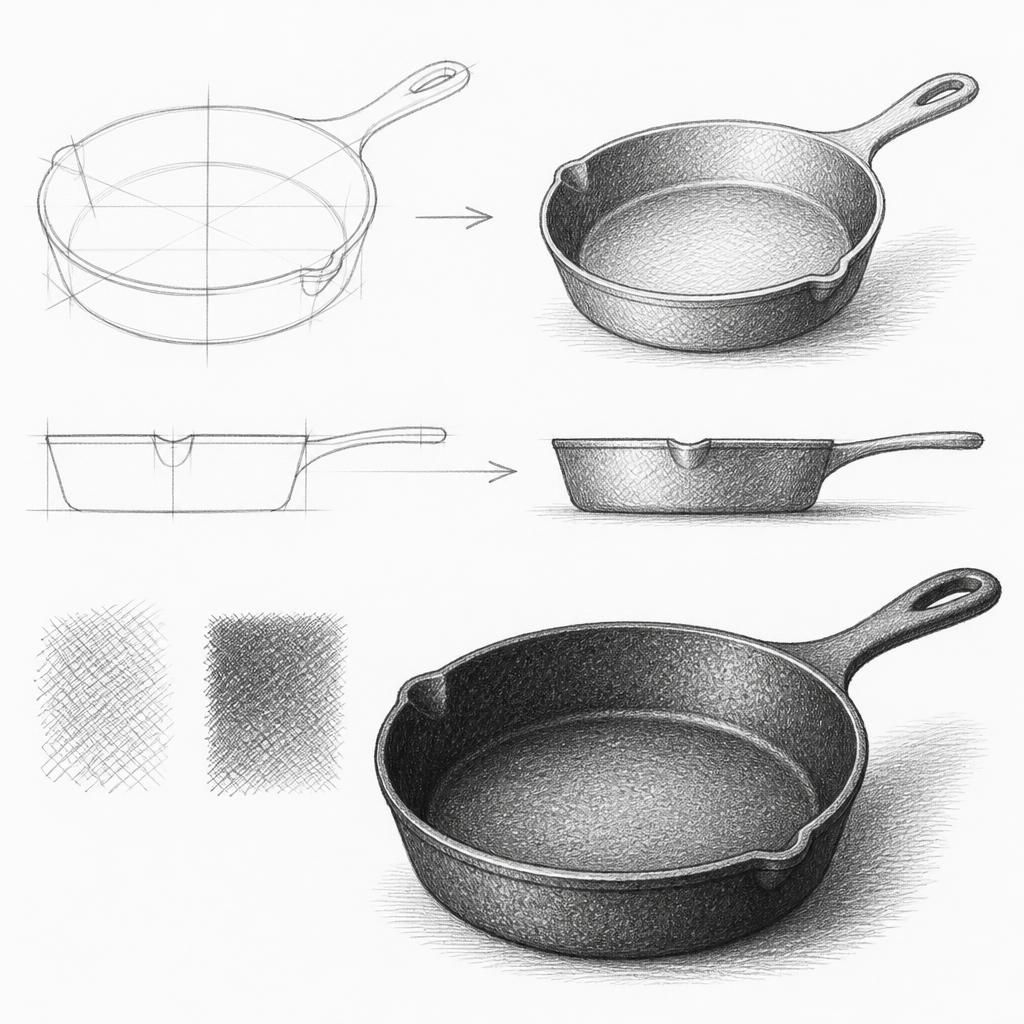
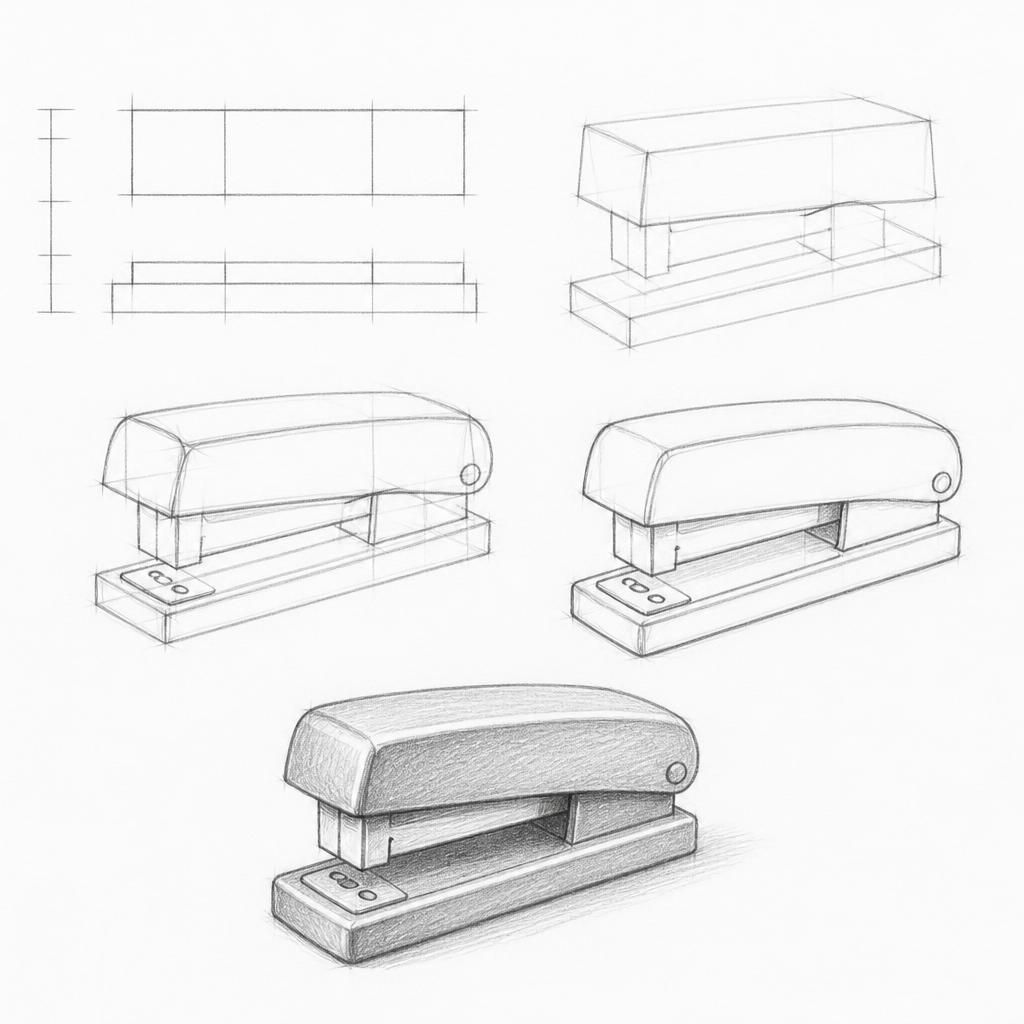
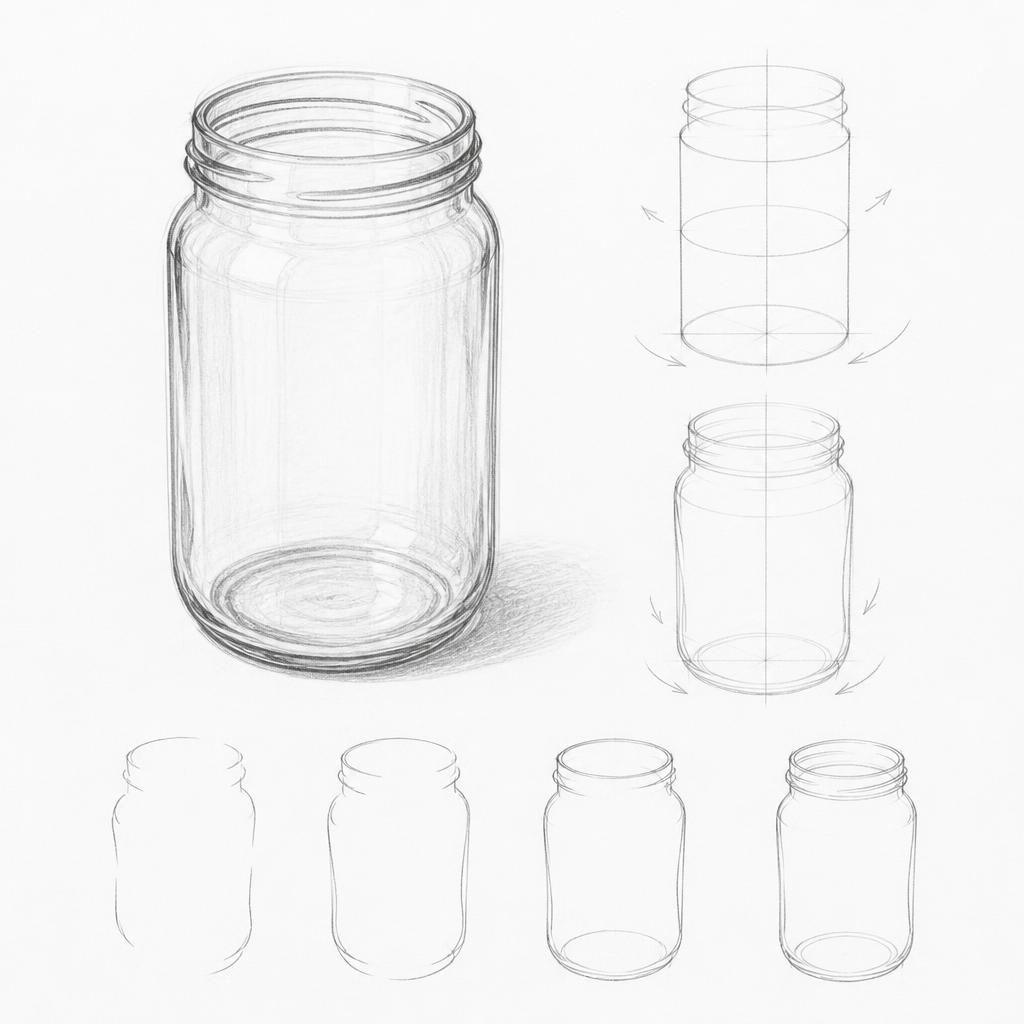
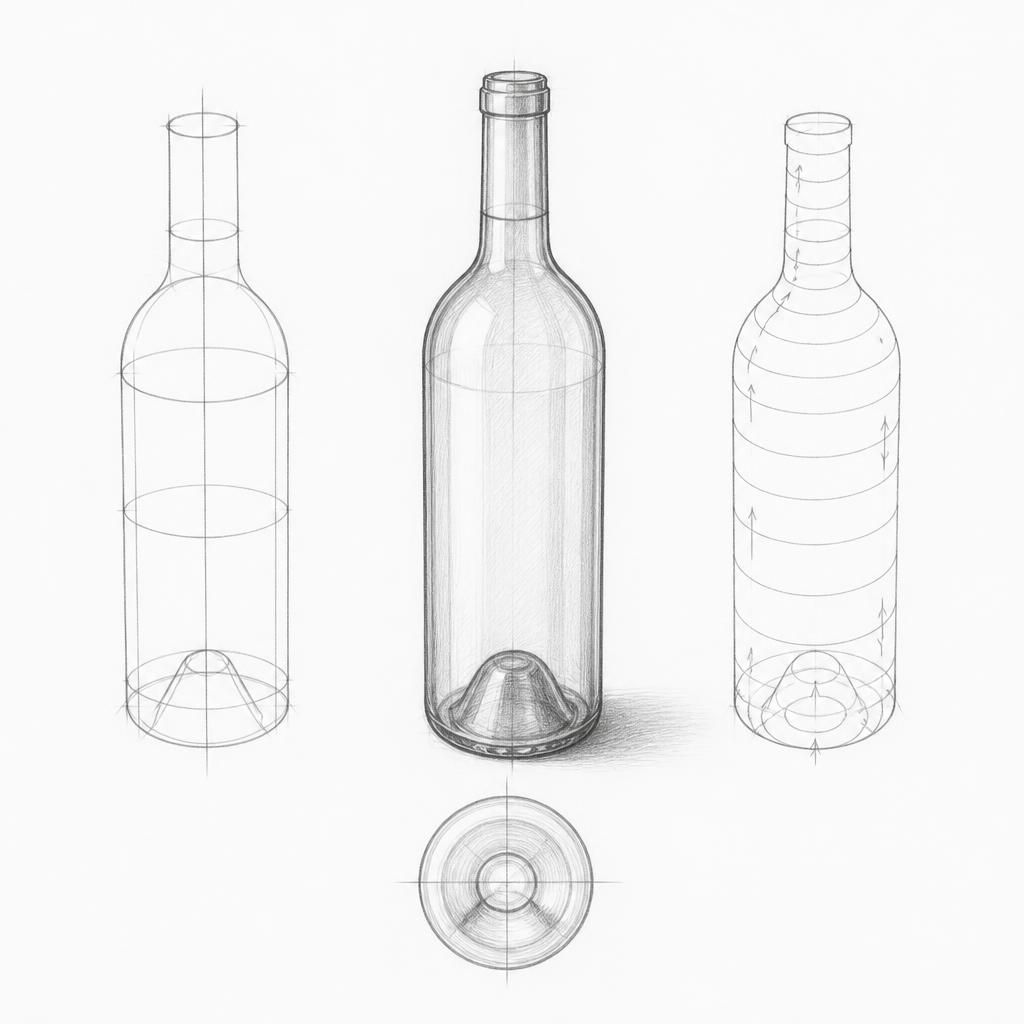
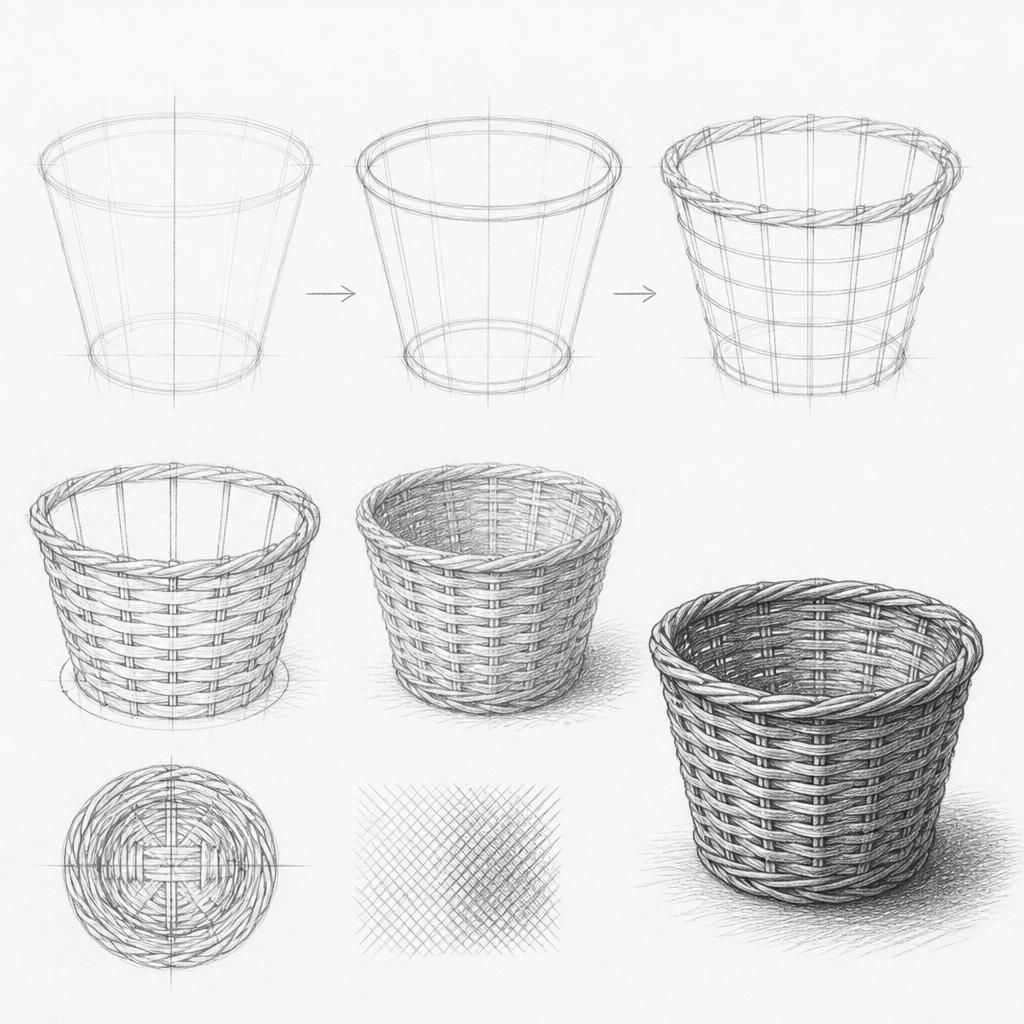
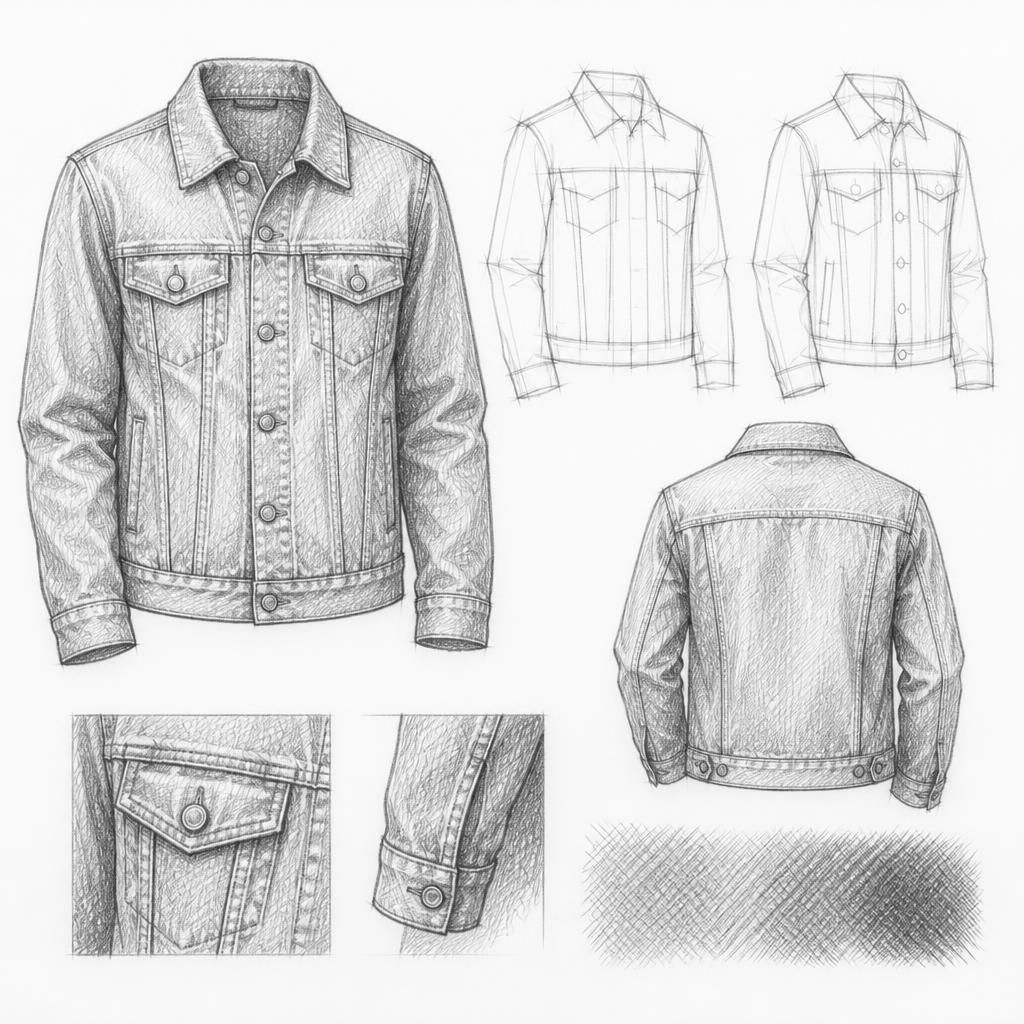
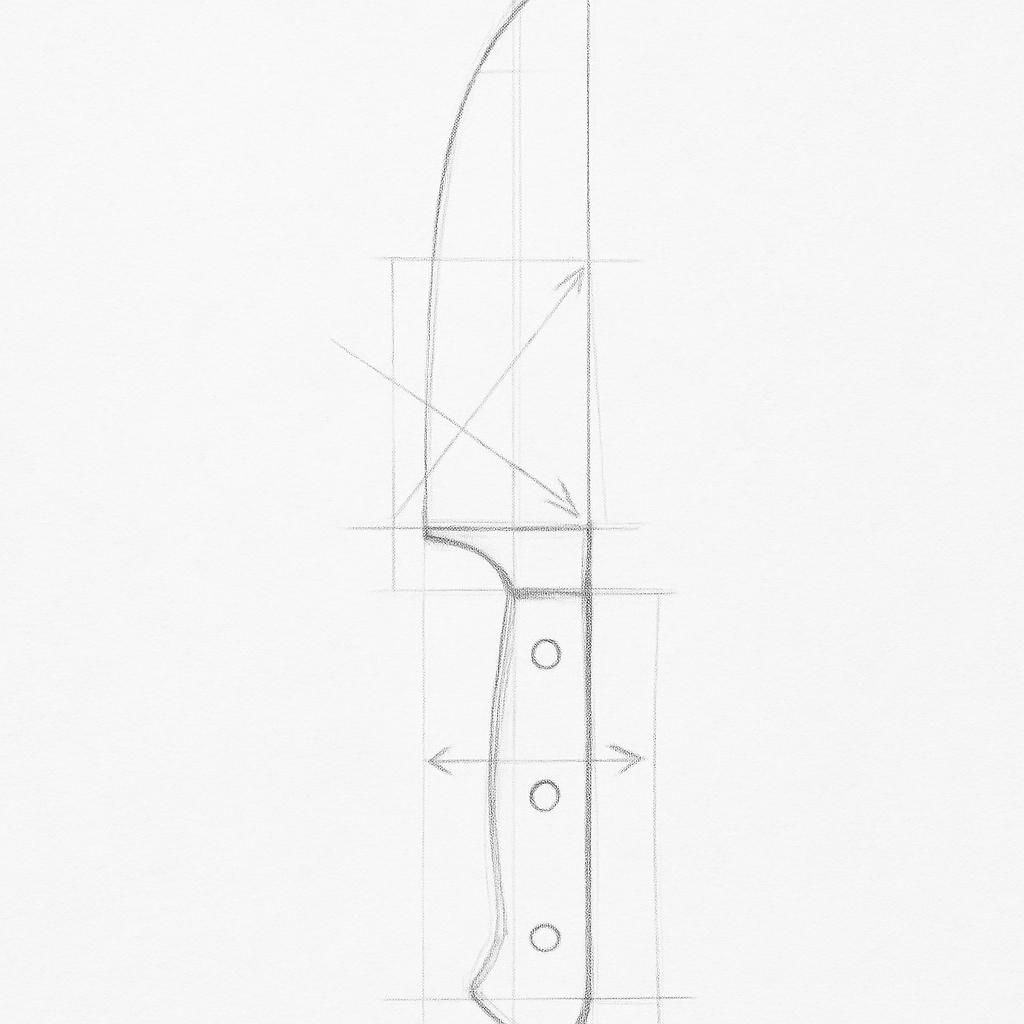
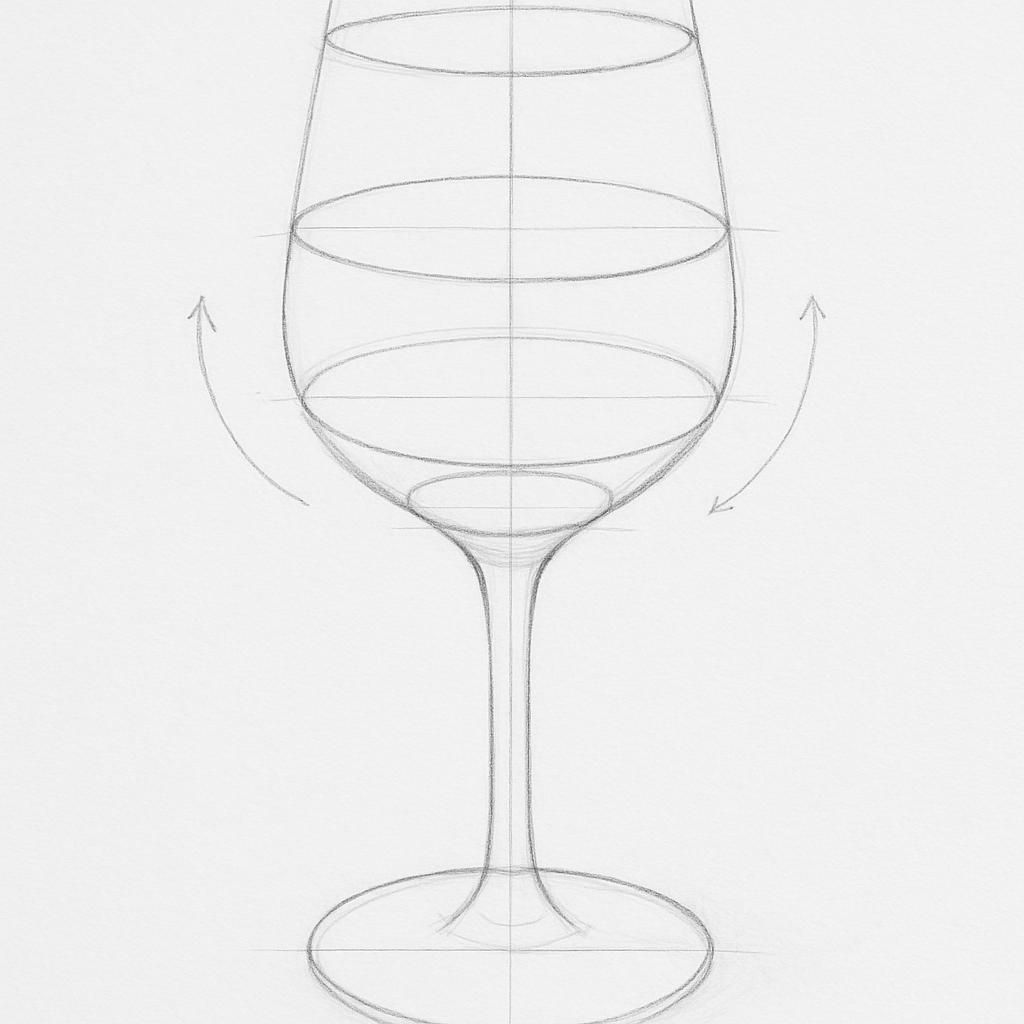
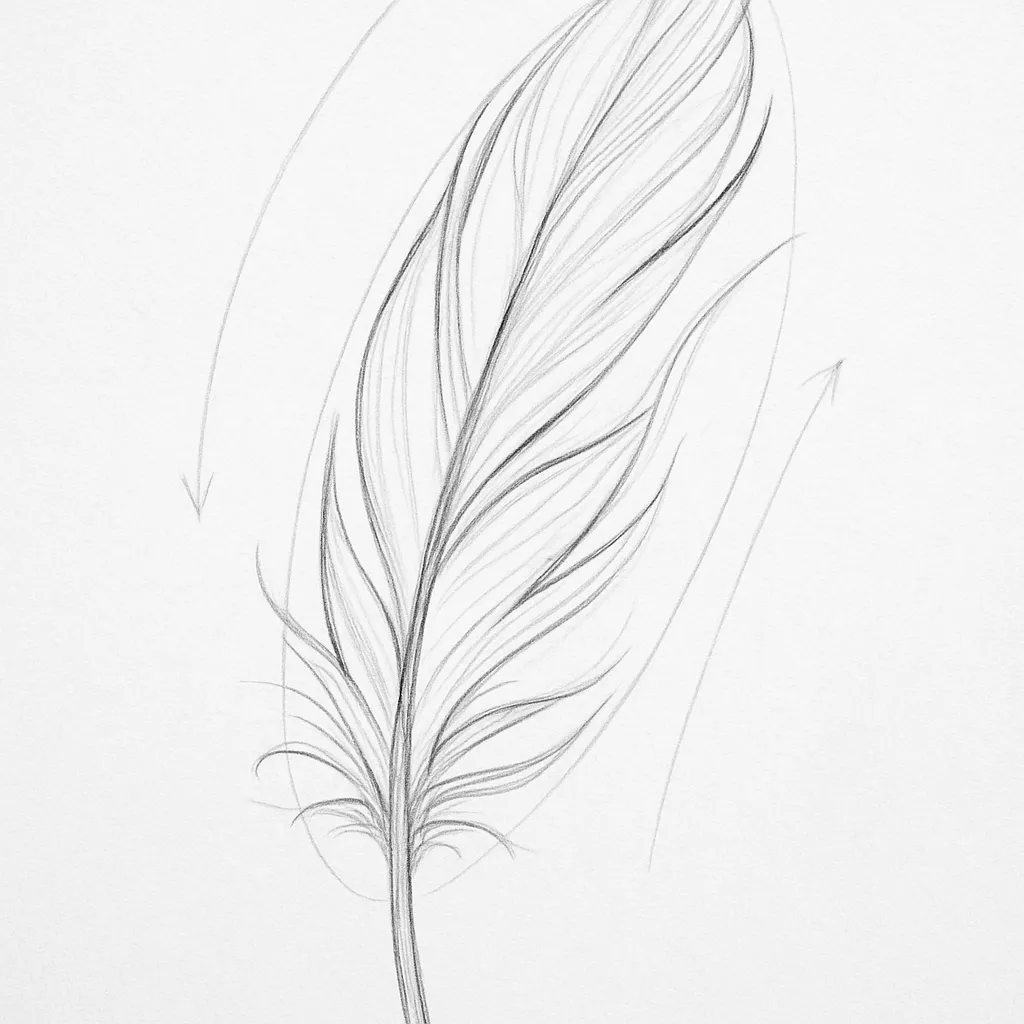
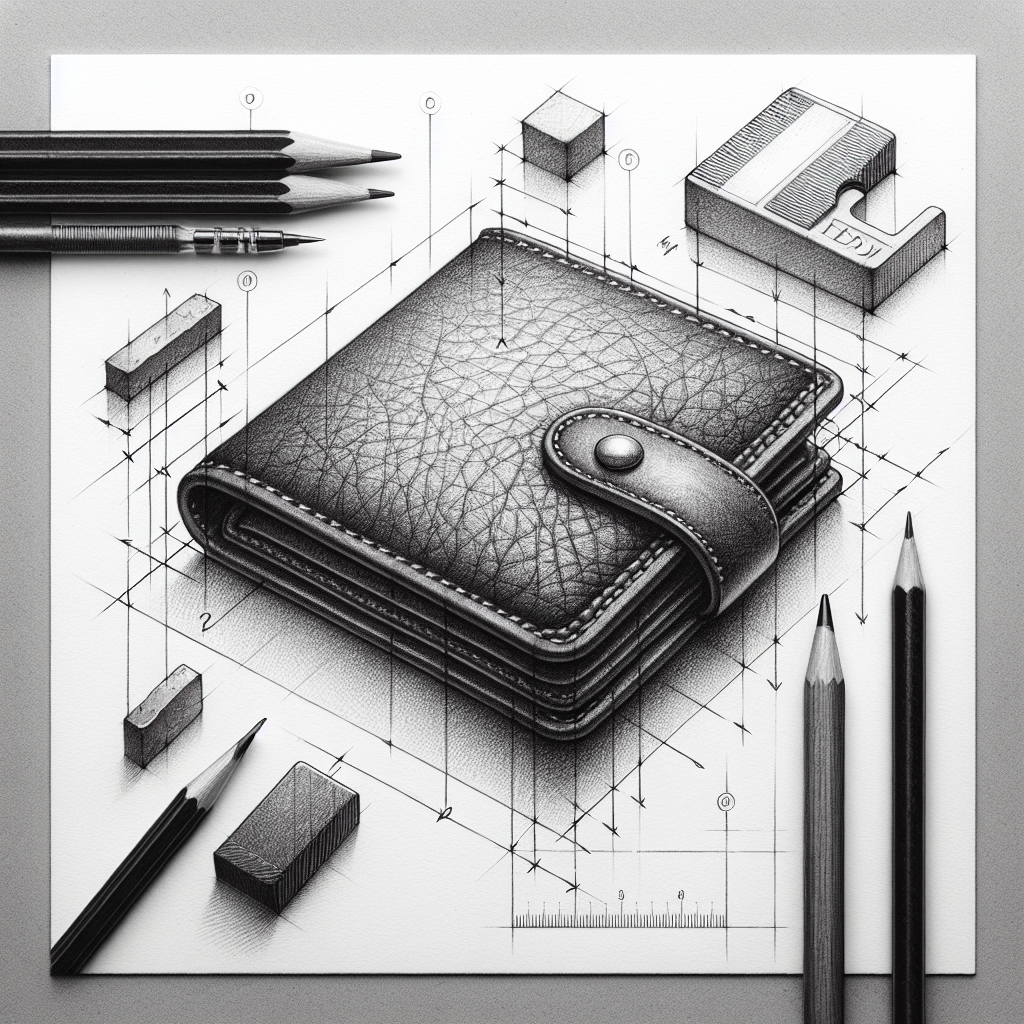
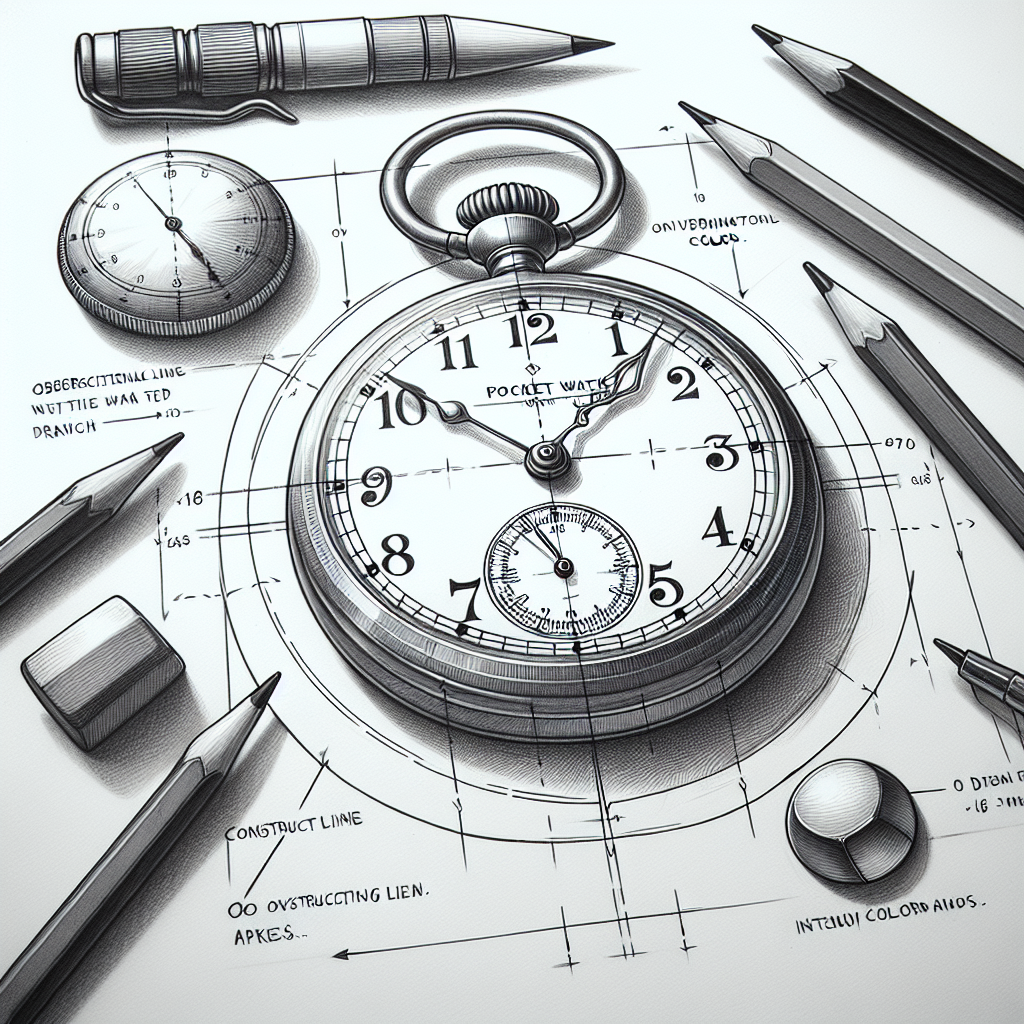
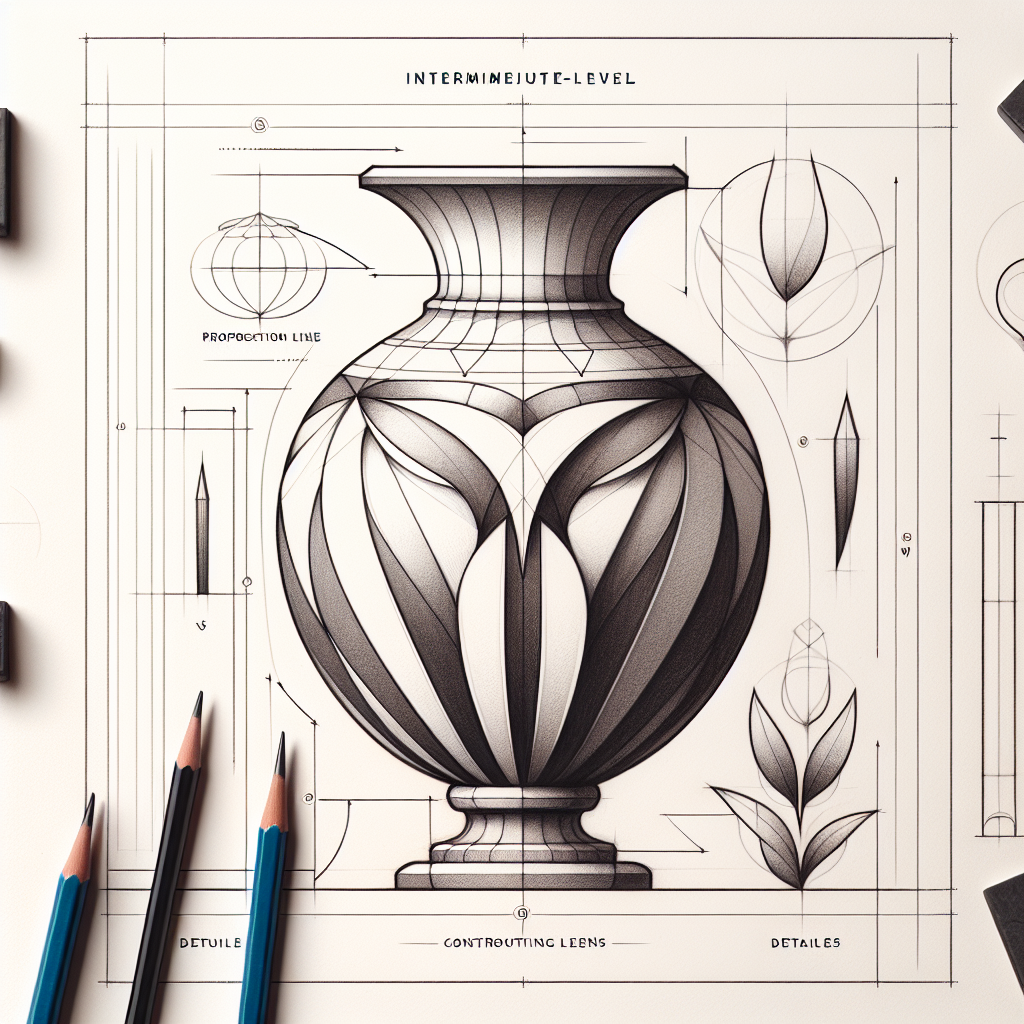
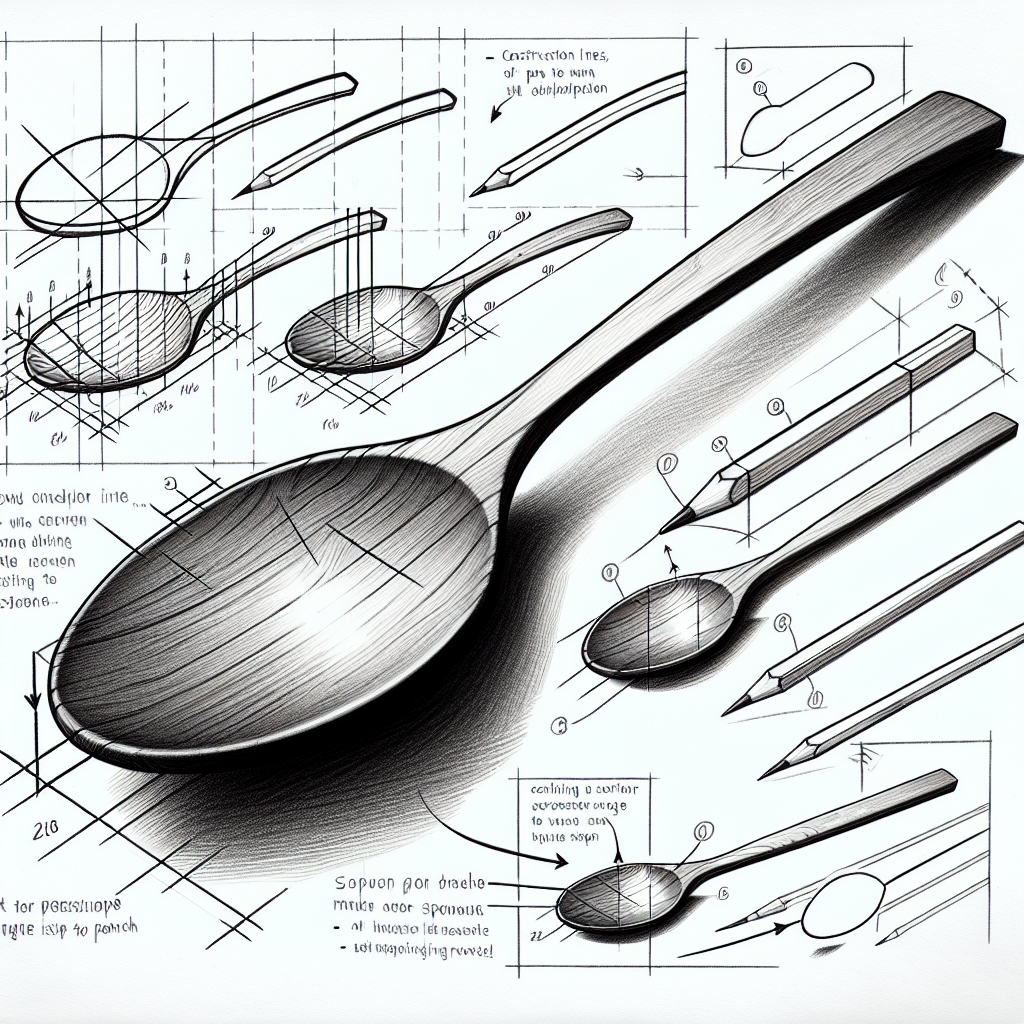
By now you can put down a recognisable sketch. The work ahead is making it accurate, three-dimensional, and controlled. These lessons push past confident outlines into measured proportion and a full range of tone.
Measure before you commit
The gap between an okay drawing and an accurate one is almost always proportion, and proportion is a skill you can train rather than a gift you either have or don't. Choose one unit, the height of a head or the width of a mug, and compare everything else against it by eye. Check angles against true vertical and horizontal. Lock in the big relationships before you fuss over any single detail.
Commit to the whole value range
Beginner drawings tend to hide in the safe middle greys. Intermediate work commits to the extremes: honest darks in the core shadows, clean highlights left as untouched paper, controlled transitions in between. Watch your edges just as closely. Soft where a form turns gently, crisp where two planes meet sharply. Managing that difference is what makes a surface feel rounded instead of cut from cardboard.
You're ready to move up when...
You have outgrown this level when proportion starts arriving without a formal measuring pass, when you can render a believable sphere or a fold of cloth straight from observation, and when you catch yourself wanting harder problems. Reflective materials, deep space, awkward angles. That appetite for difficulty is the signal to reach for advanced lessons.