30-Minute Drawing Exercises10 lessons
Studio-session length. Room for construction, rendering, and a proper critique pass on a single well-chosen subject.
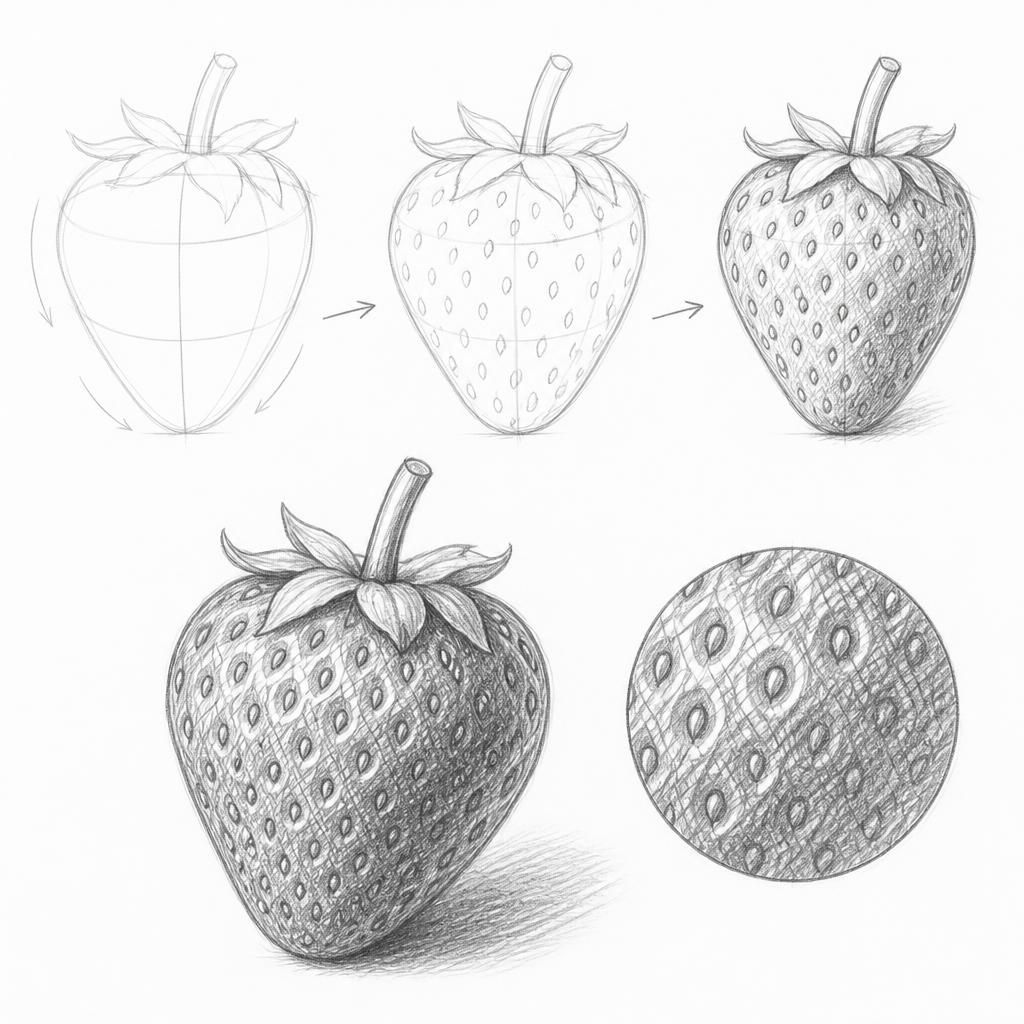
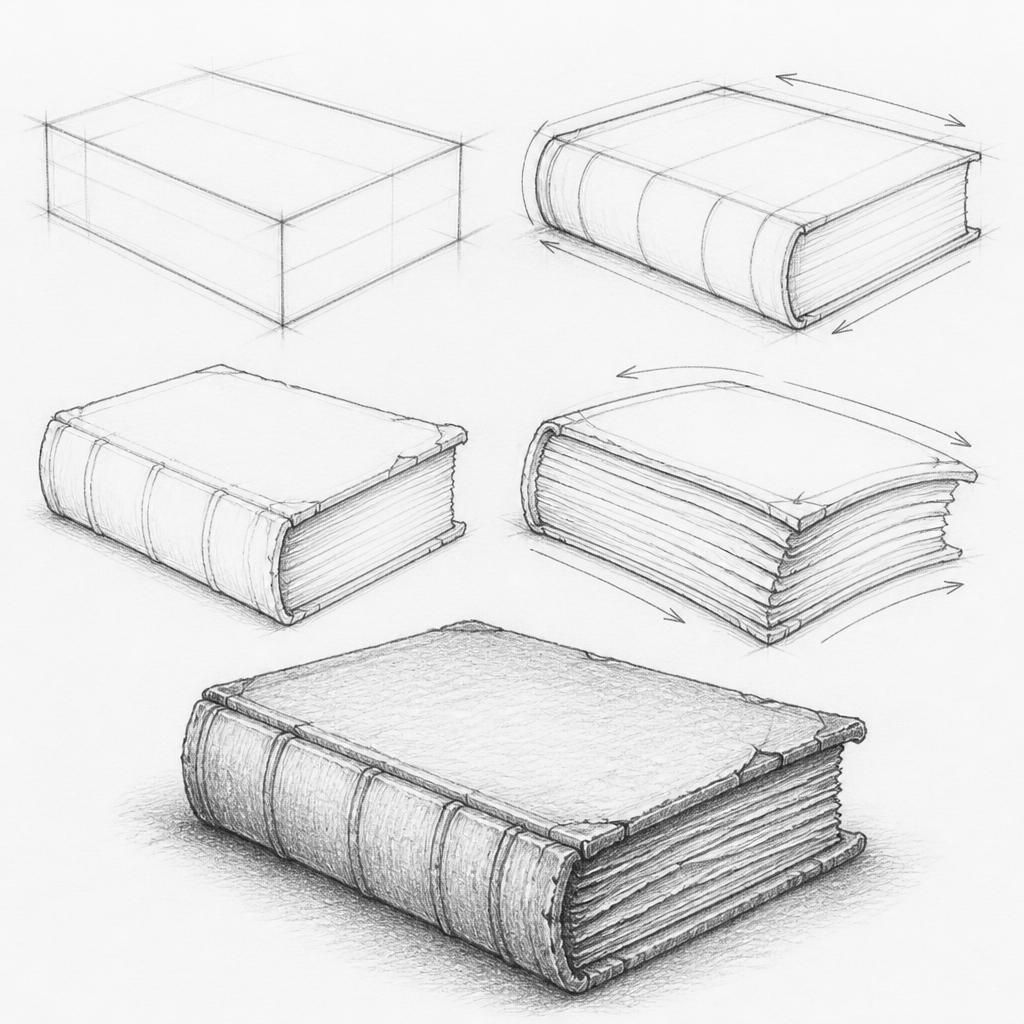
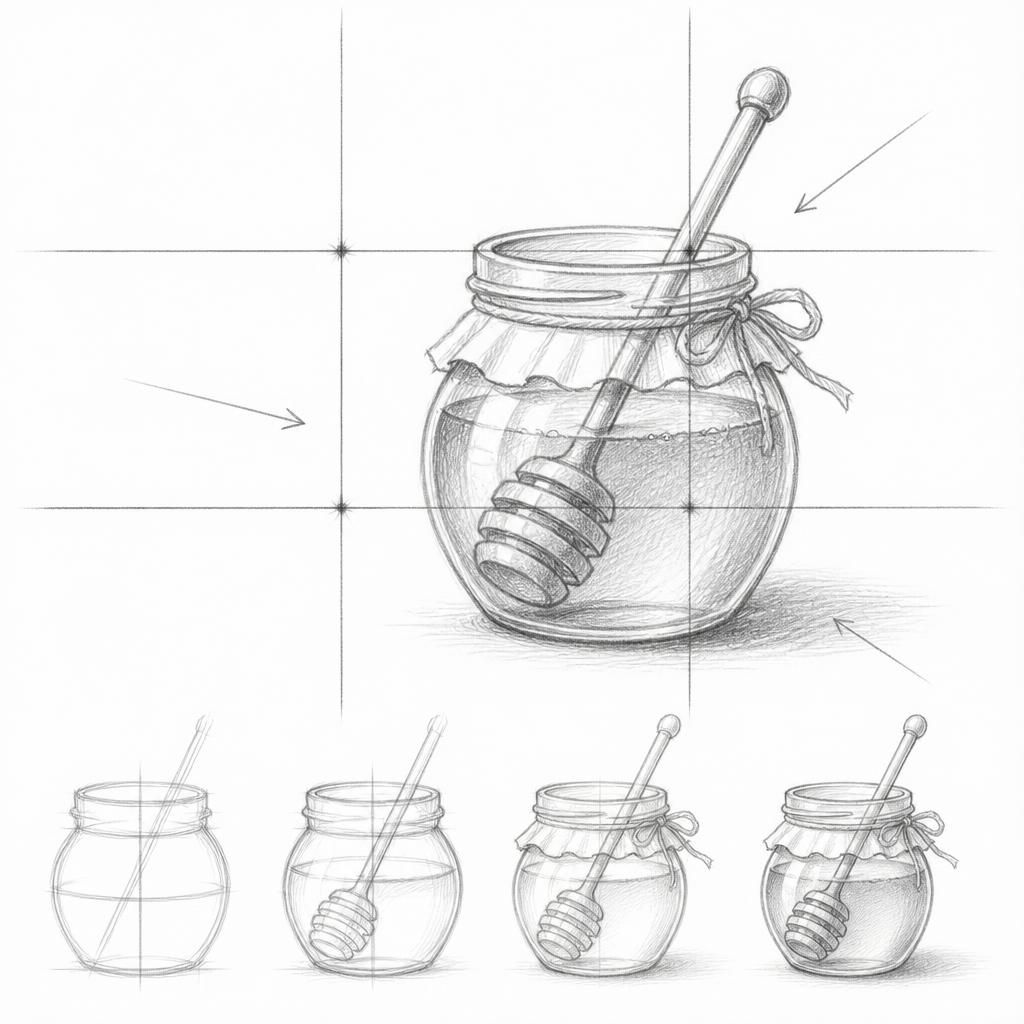
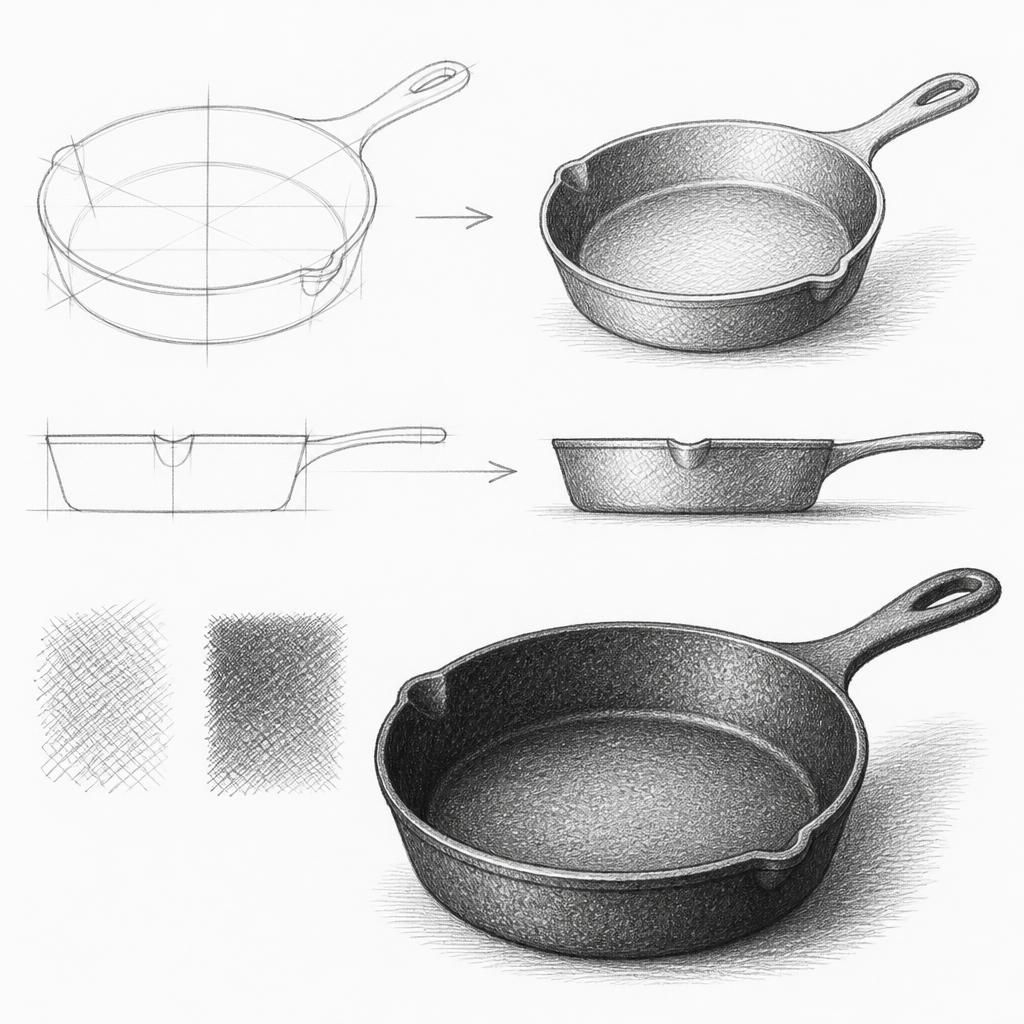
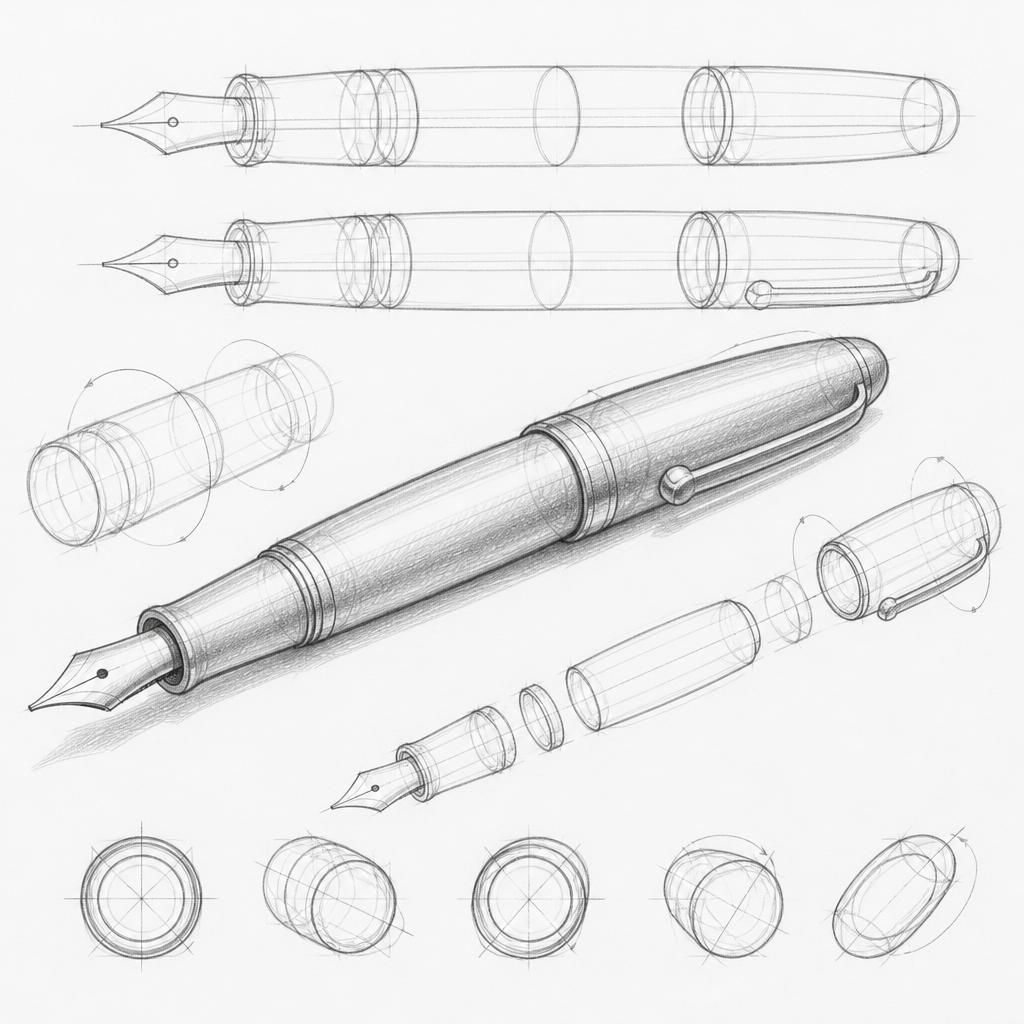
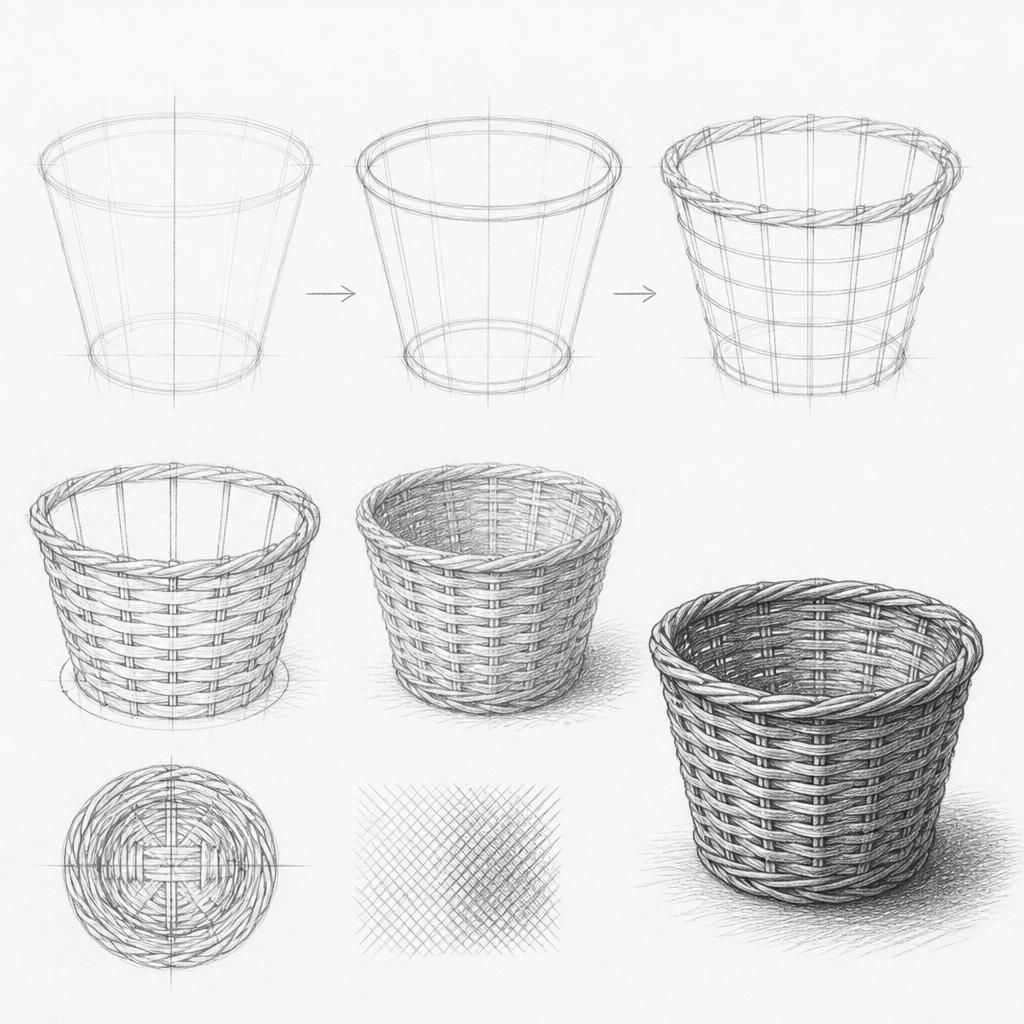
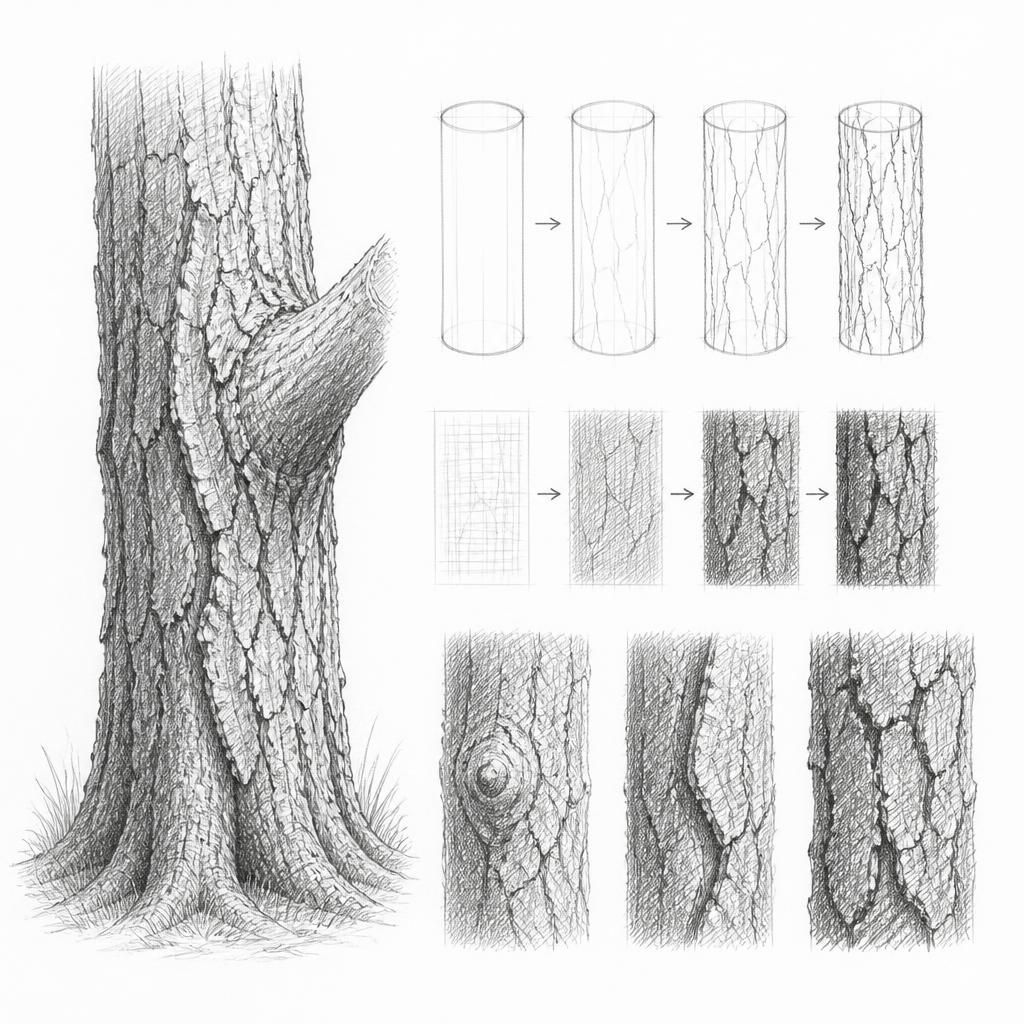
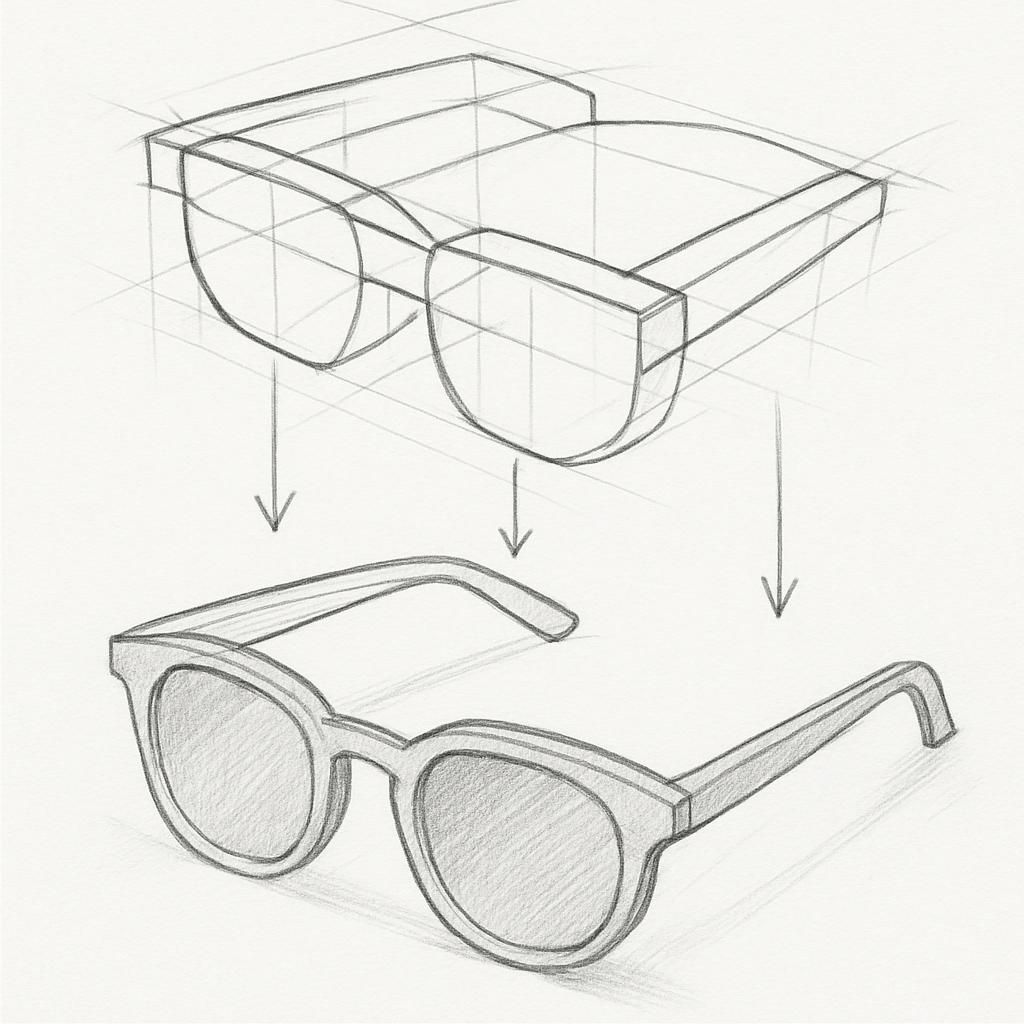
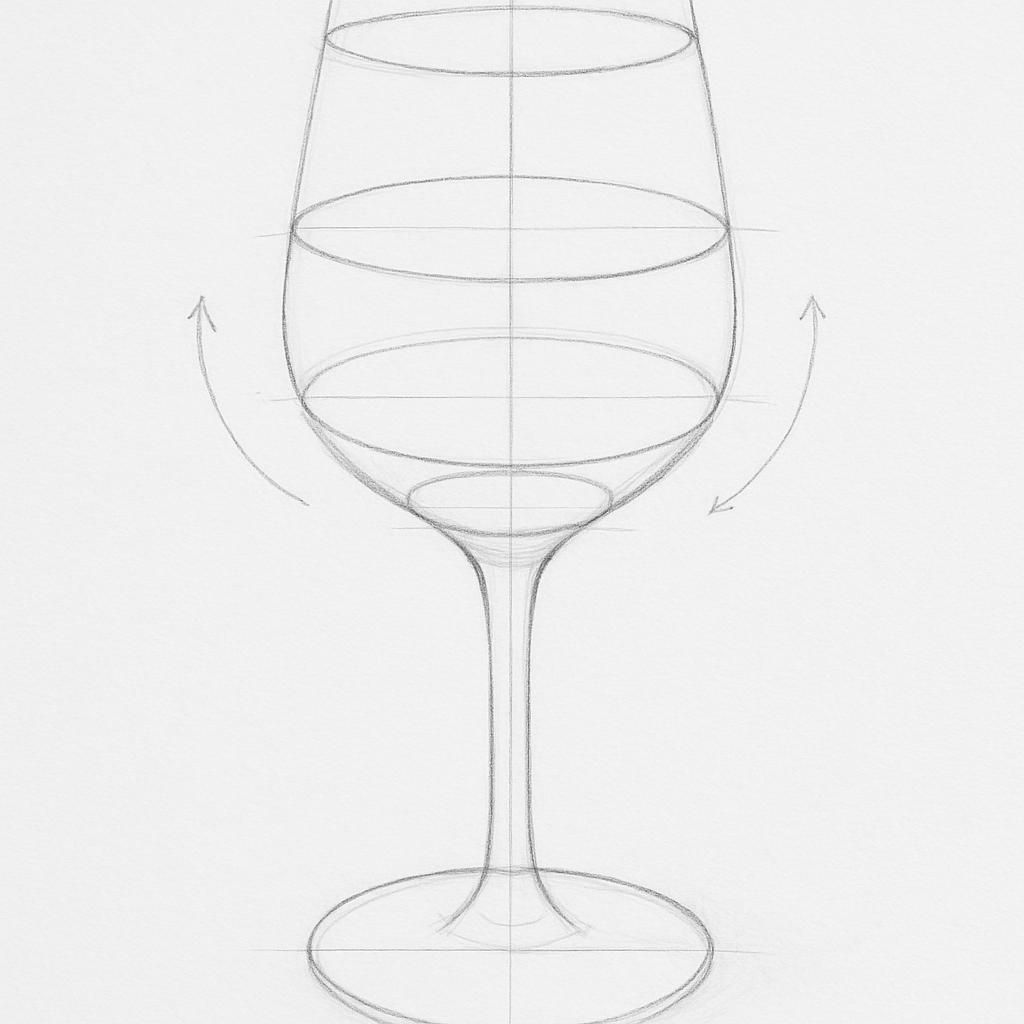
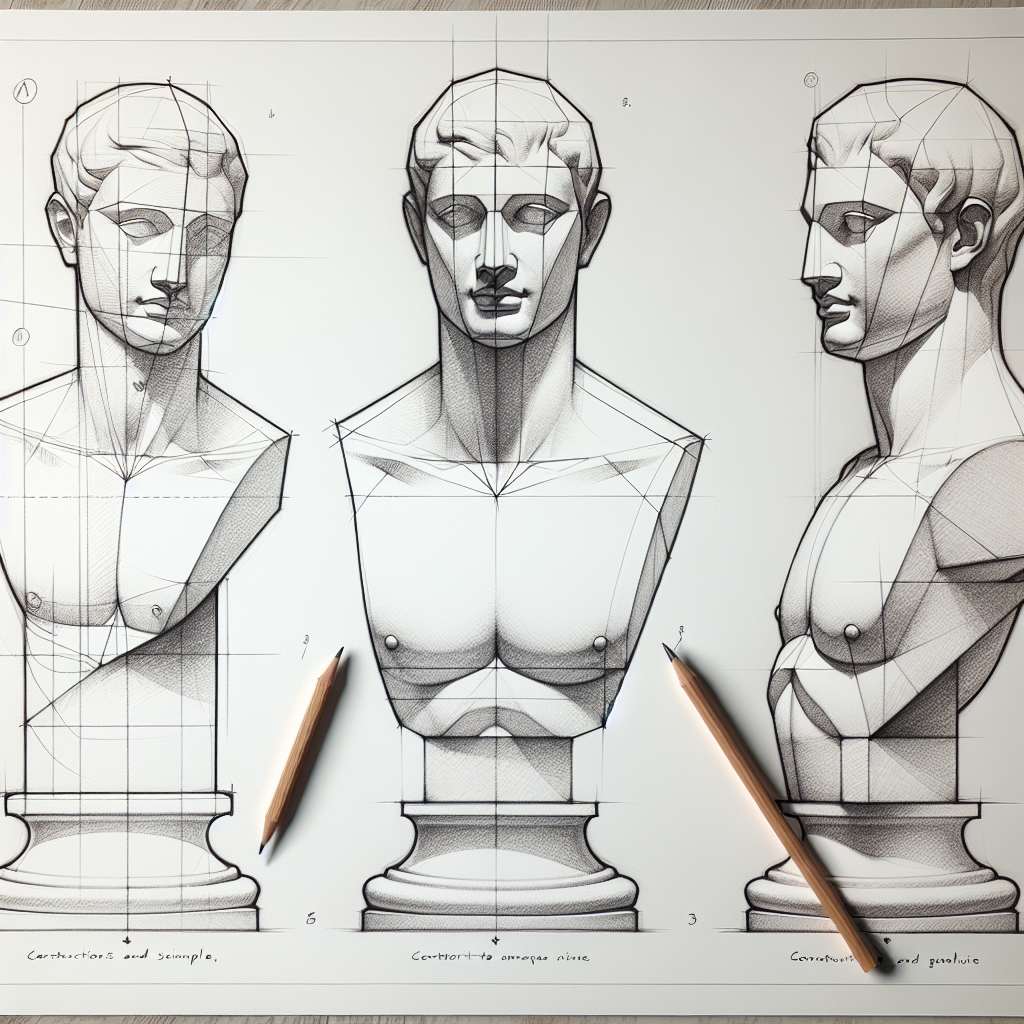
Half an hour is a proper studio session in miniature: enough runway for careful construction, a full value range, considered edges, and a genuine critique at the end. Spend it on one well-chosen subject, not a busy scene.
What a complete study includes
With thirty minutes you can do all the things the shorter boxes force you to cut. Construct accurately from measurement, render the whole value range from paper-white to your deepest dark, and pay attention to edges, where forms turn softly versus where they meet crisply. That edge control is often what separates a studied drawing from a stiff one.
Structuring the half hour
A reliable shape: about eight minutes measuring and constructing, seven blocking your major value masses, twelve rendering and refining edges, and a final three to critique. Front-loading the drawing well means the back half is enjoyable refinement rather than panic repair.
The critique pass, and overworking
Reserve the last few minutes to step back, compare honestly against the reference, and fix only the single biggest error you find. The real risk at this length isn't running out of time. It's grinding the graphite and fussing every area until the drawing goes dull and loses its freshness. Know when it's done and stop.