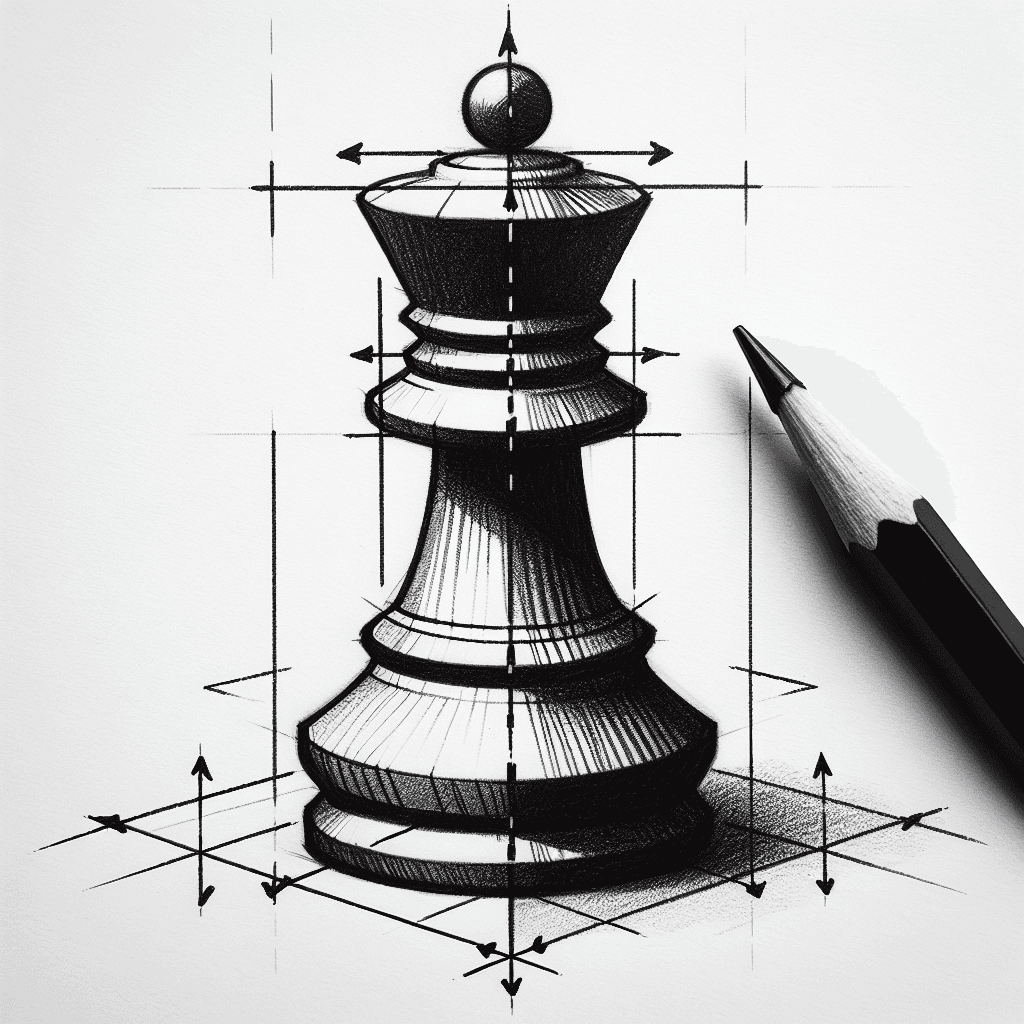
What you'll learn
Drawing a chess piece helps beginners focus on proportions and symmetry, as these pieces have distinct, recognizable shapes that require careful measurement to appear accurate.
What you'll need
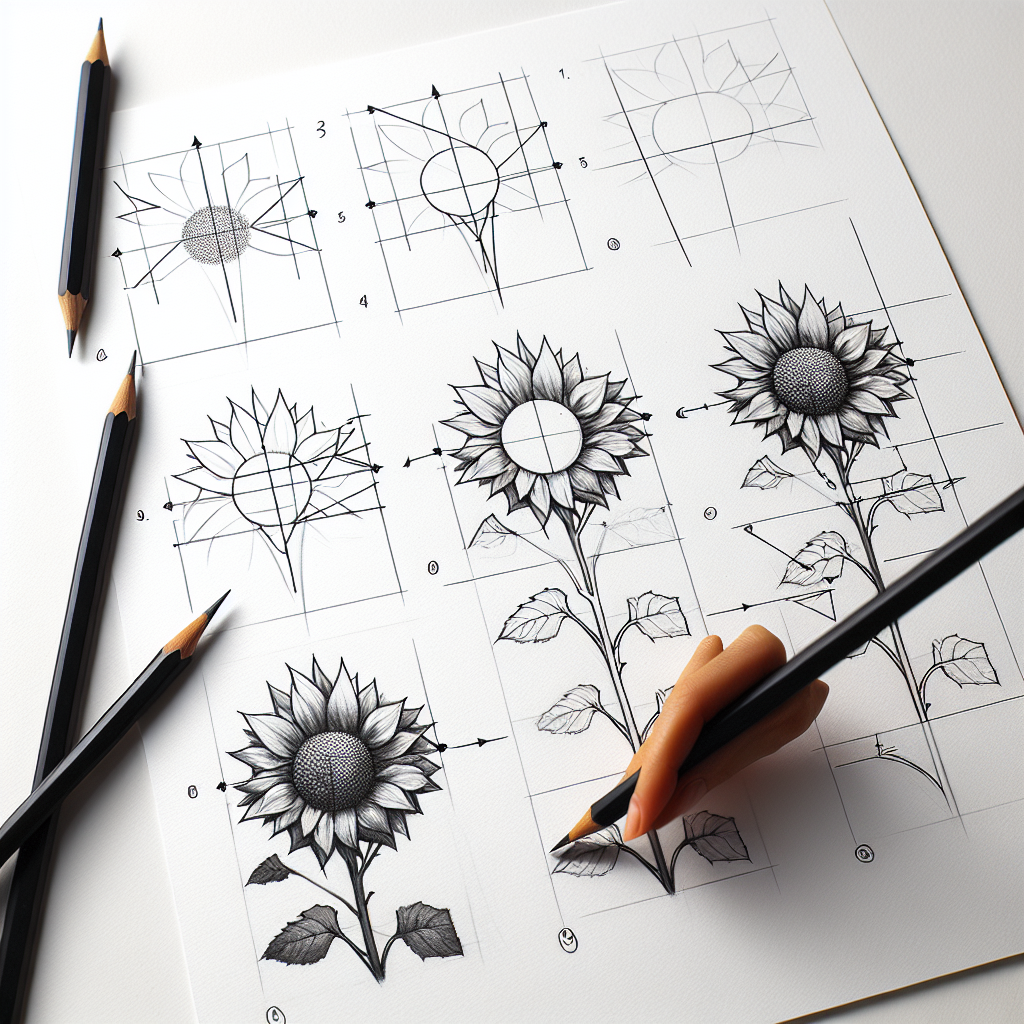
Step-by-step: how to draw chess piece
Start with a light sketch of the overall shape, focusing on the height-to-width proportions.
Draw the base of the piece, ensuring it is symmetrical.
Add the middle section, adjusting for the tapering or bulging as needed.
Sketch the top detail, distinct to the piece, such as the cross of a king or the curved top of a knight.
Refine your lines, emphasizing symmetry, and add shading to suggest form and depth.
Before you start: what to look at
Before drawing, examine the chess piece's top detail, like the cross on a king, as it defines the piece's identity. Notice the curve of the base and how it smoothly transitions into the middle section. Observe where the light hits the curves and how shadows define the piece's volume.
Pro tips for drawing chess piece
Common mistakes drawing chess piece
Self-evaluation checklist
Check if the chess piece looks balanced and symmetrical. Ensure the proportions between the base, middle, and top are consistent with the actual piece.
Frequently asked questions
How do I capture the intricate details of the top of a knight piece?
Focus on the silhouette first, as it's the most recognizable part. Then, lightly sketch the main curves and refine them gradually, paying attention to how light and shadow define the horse's head.
What material should I imagine when shading a chess piece?
Chess pieces are often made from wood or polished plastic, so think about how these materials reflect light. Aim for soft gradients to simulate the smooth surface, using sharper contrast for areas in shadow.
How can perspective affect the appearance of a chess piece?
If viewed from above or below, the proportion and curvature of the piece will change. Adjust the height-to-width ratio and emphasize the foreshortening effect to maintain the piece's realistic appearance.
More drawing lessons
Get a new drawing lesson delivered to your inbox every morning, free.
Subscribe to Draw Daily →