Advanced Drawing Lessons8 lessons
Longer exercises targeting the details that separate a good drawing from a great one: atmospheric perspective, materials, foreshortening, full value range.
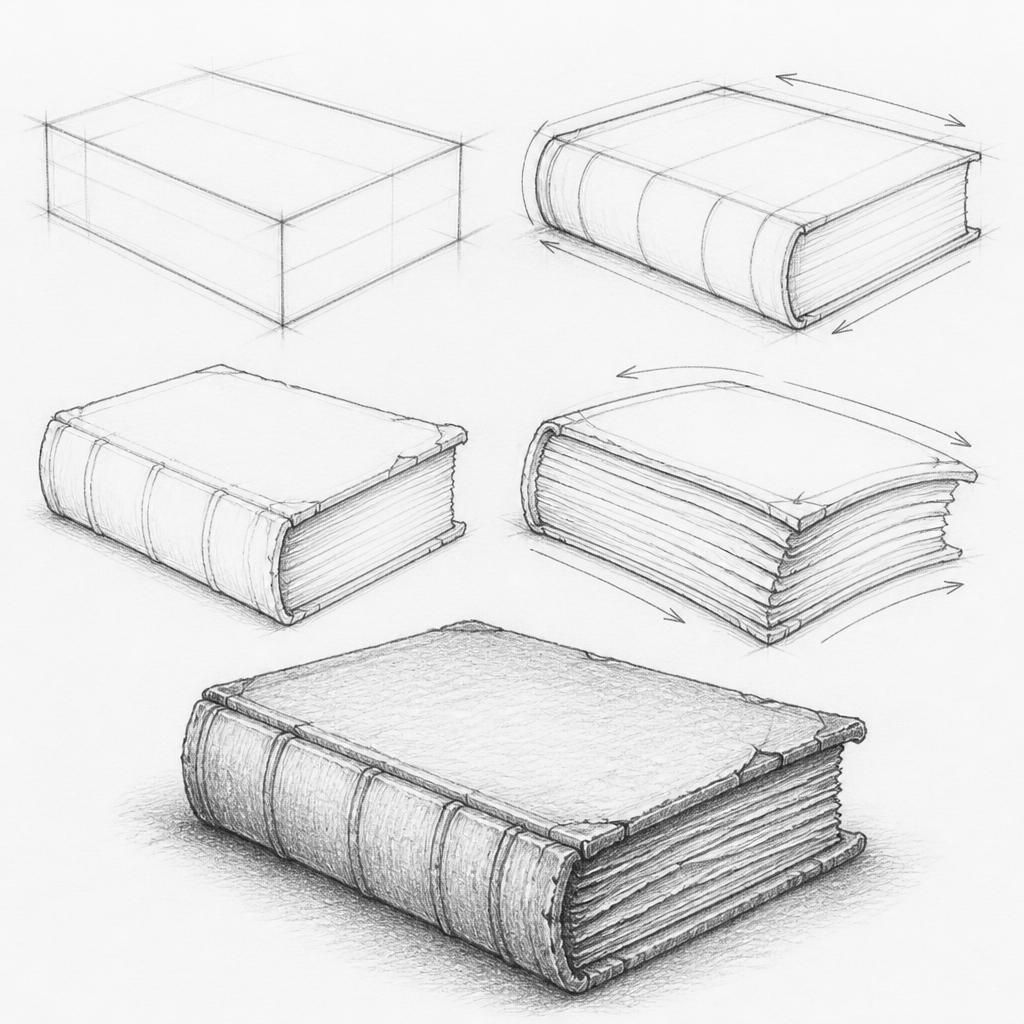
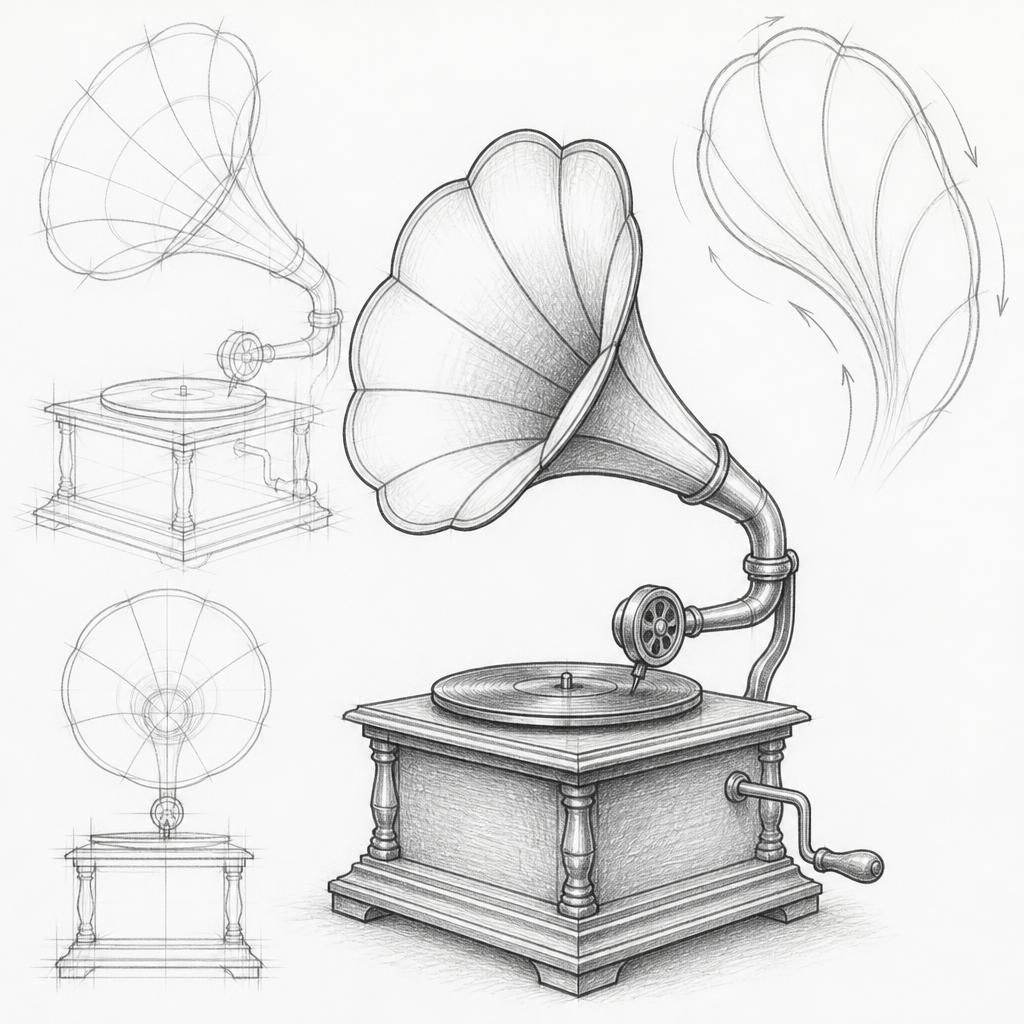
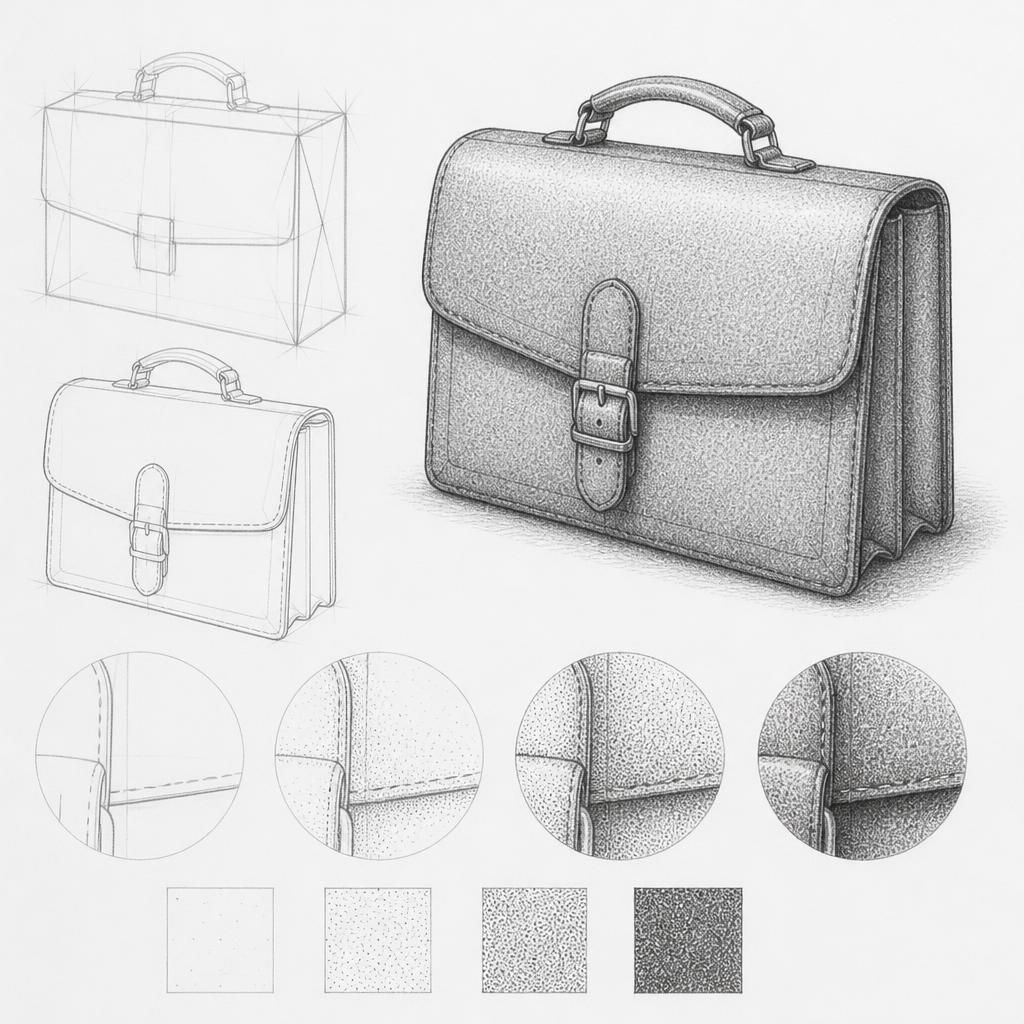
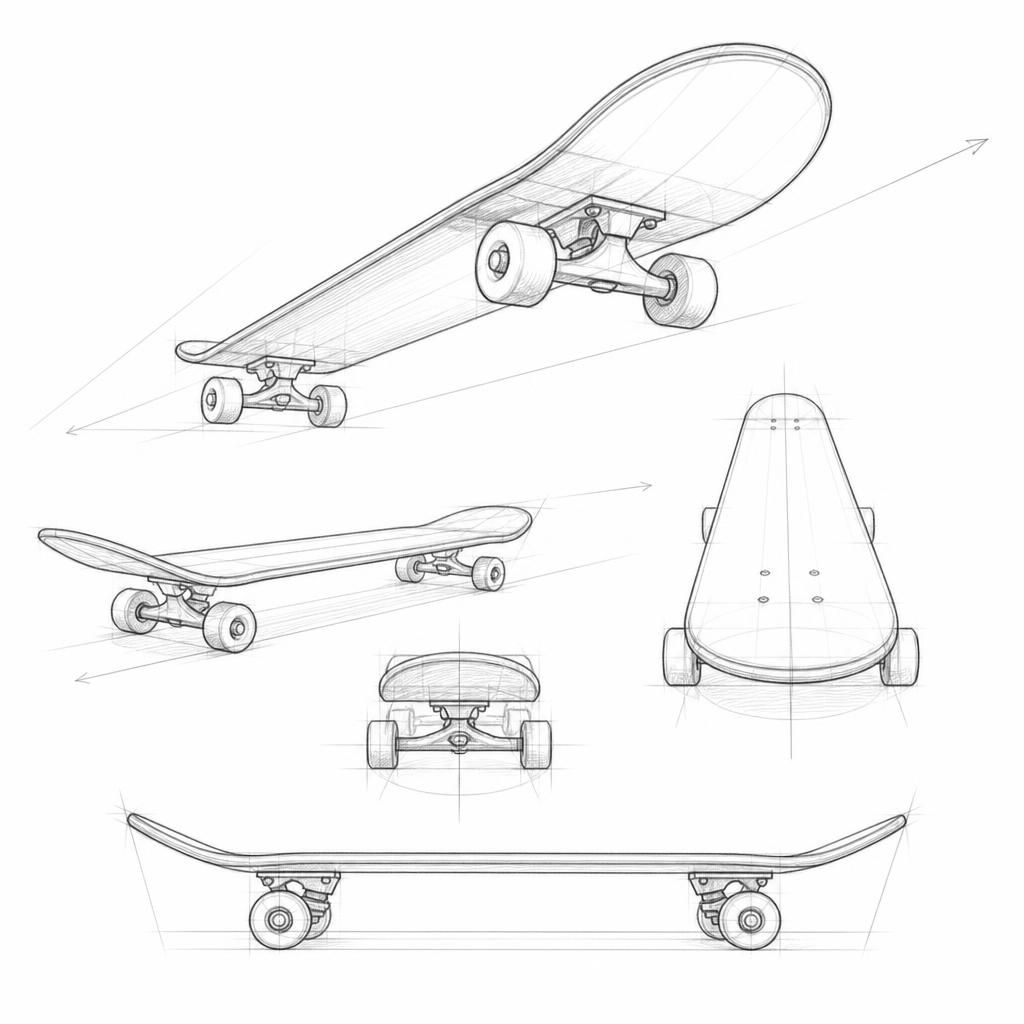
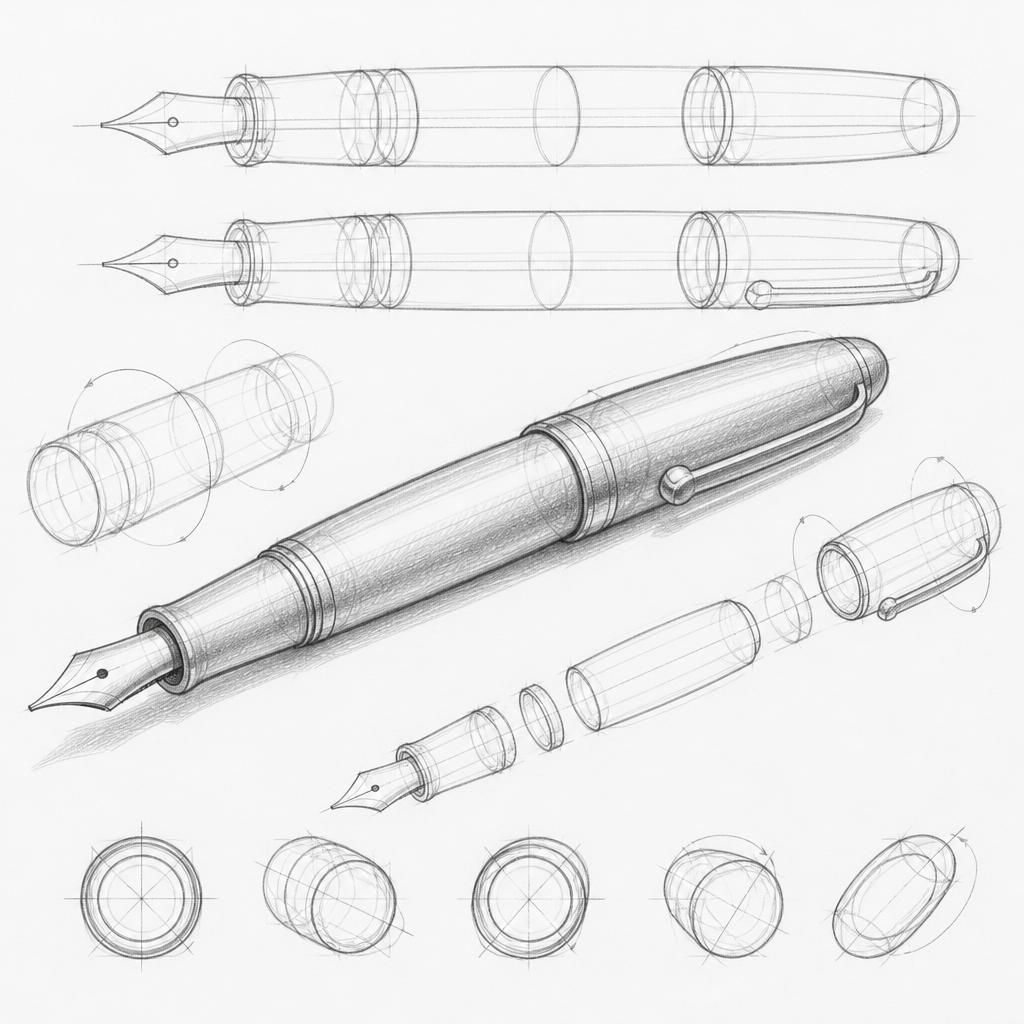
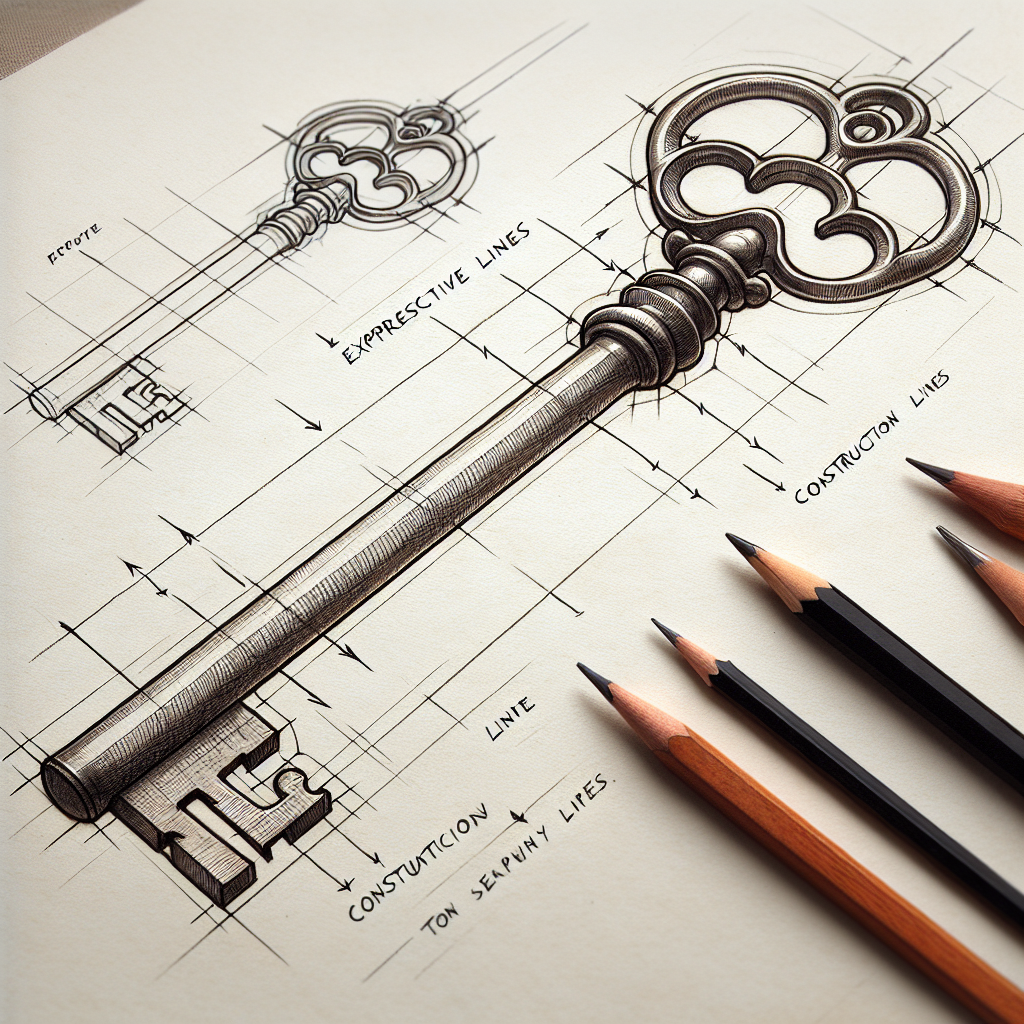
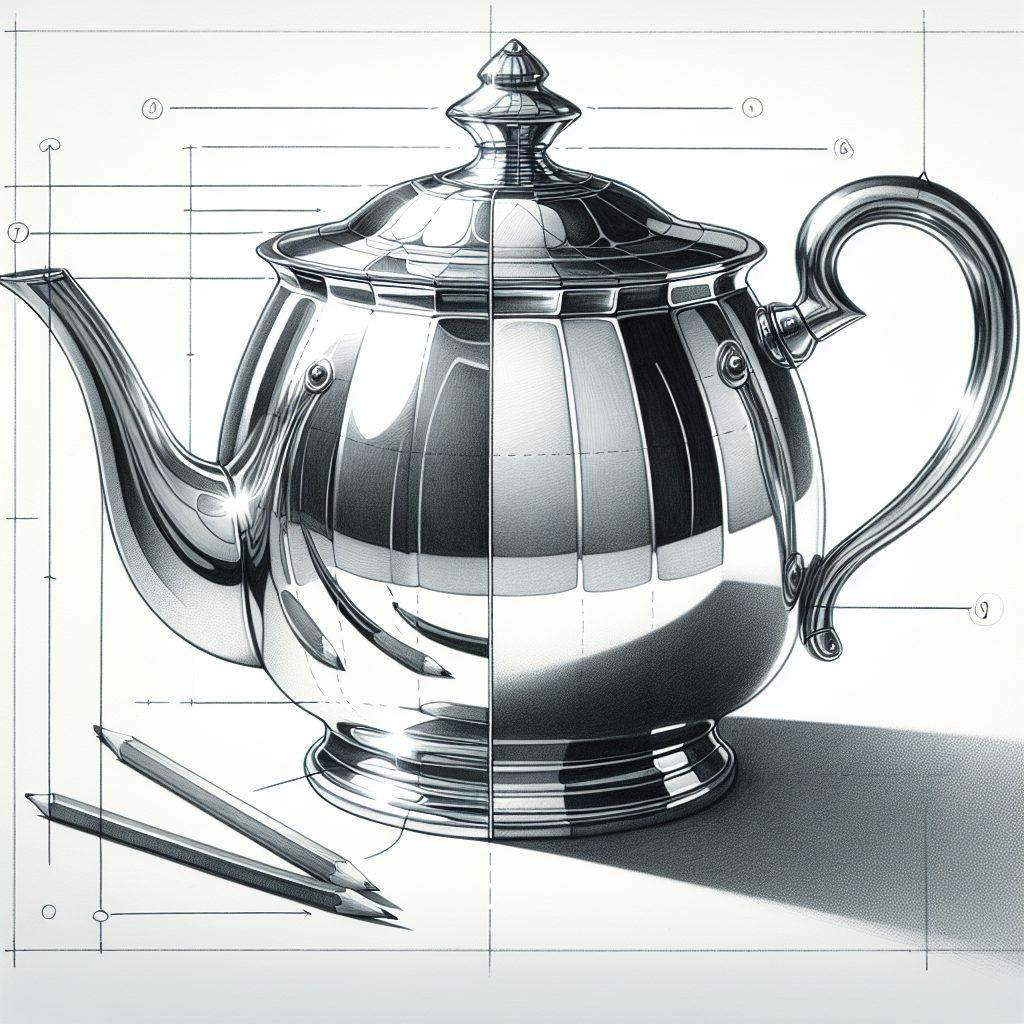
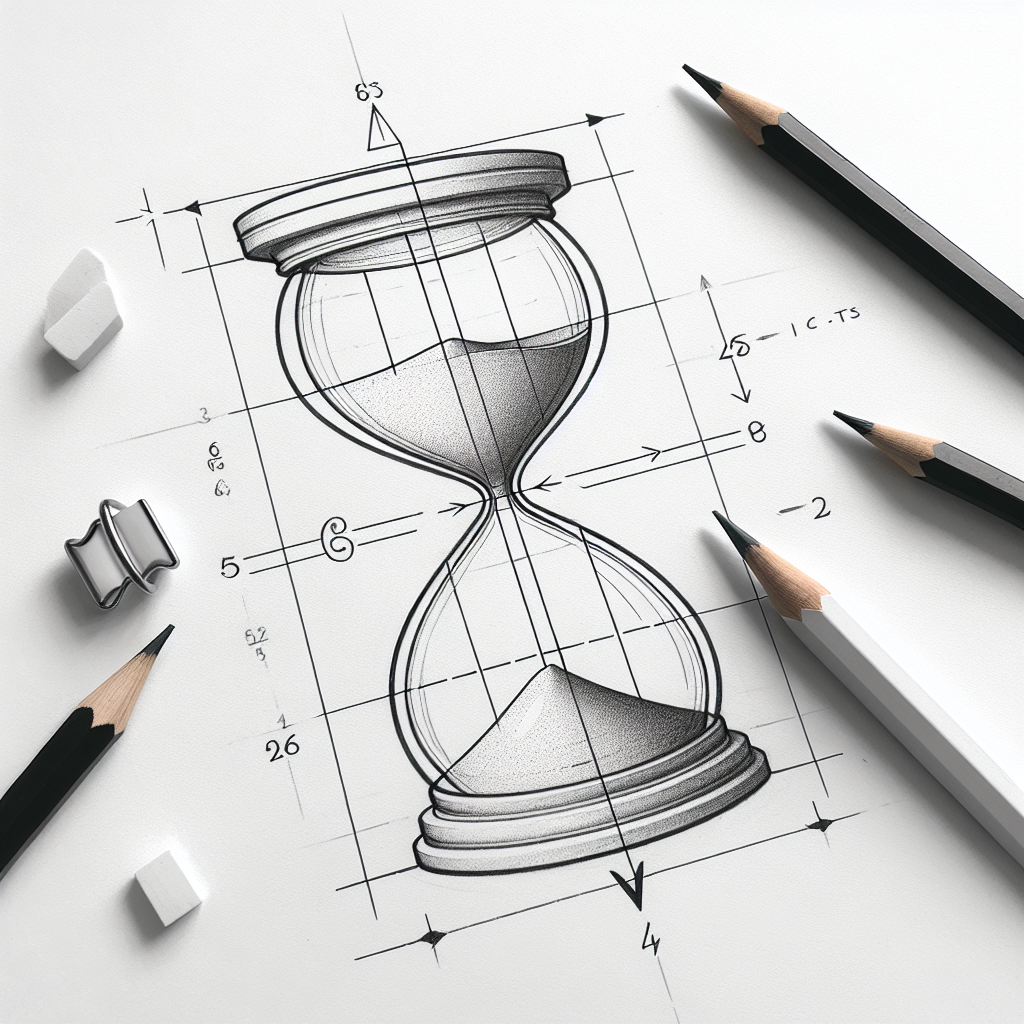
Advanced practice is rarely about learning a new trick. It is about control, judgment, and the small decisions that separate a competent drawing from a convincing one. These longer exercises target the subtleties: atmosphere, material, and the honest rendering of space.
Command depth and atmosphere
Distance drains contrast, softens edges, and lifts value, so a convincing sense of space comes from deliberately reserving your sharpest edges and darkest darks for whatever sits nearest the viewer. Foreshortening asks for the same discipline of trusting what you observe over what you know. A form aimed at you looks compressed and slightly wrong, and the job is to draw that strange shape honestly rather than the tidy shape you expect.
Make materials read
At this level a surface should announce itself as glass, brushed metal, worn leather, or wet stone before the subject is even named. That comes from studying how each material handles light, the tight high-contrast glint of chrome against the soft spread sheen of satin, and from restraint. Knowing which details to leave out matters as much as knowing which to render. Over-working every millimetre flattens the focal hierarchy you worked to build.
Where the ceiling actually is
There is no next tier to unlock here. The growth turns inward. Push for economy, the fewest and most decisive marks that describe the most form, and treat each drawing as a quiet critique of the last. Mastery at this stage looks like knowing exactly where to spend your attention, and having the nerve to leave the rest of the page alone.