How to Practise Observational Drawing14 lessons
Most people draw what they remember, not what they see. These lessons push you into careful, slow observation before any mark goes down.
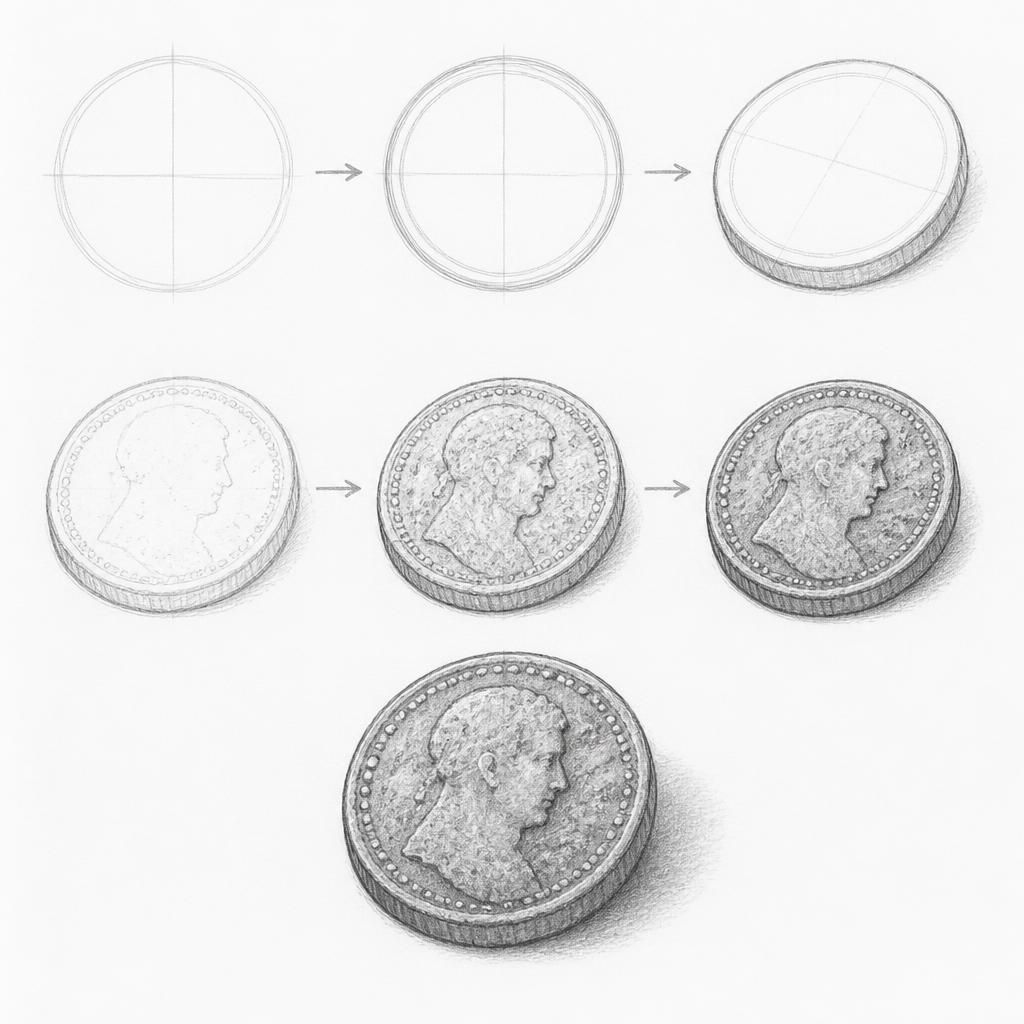
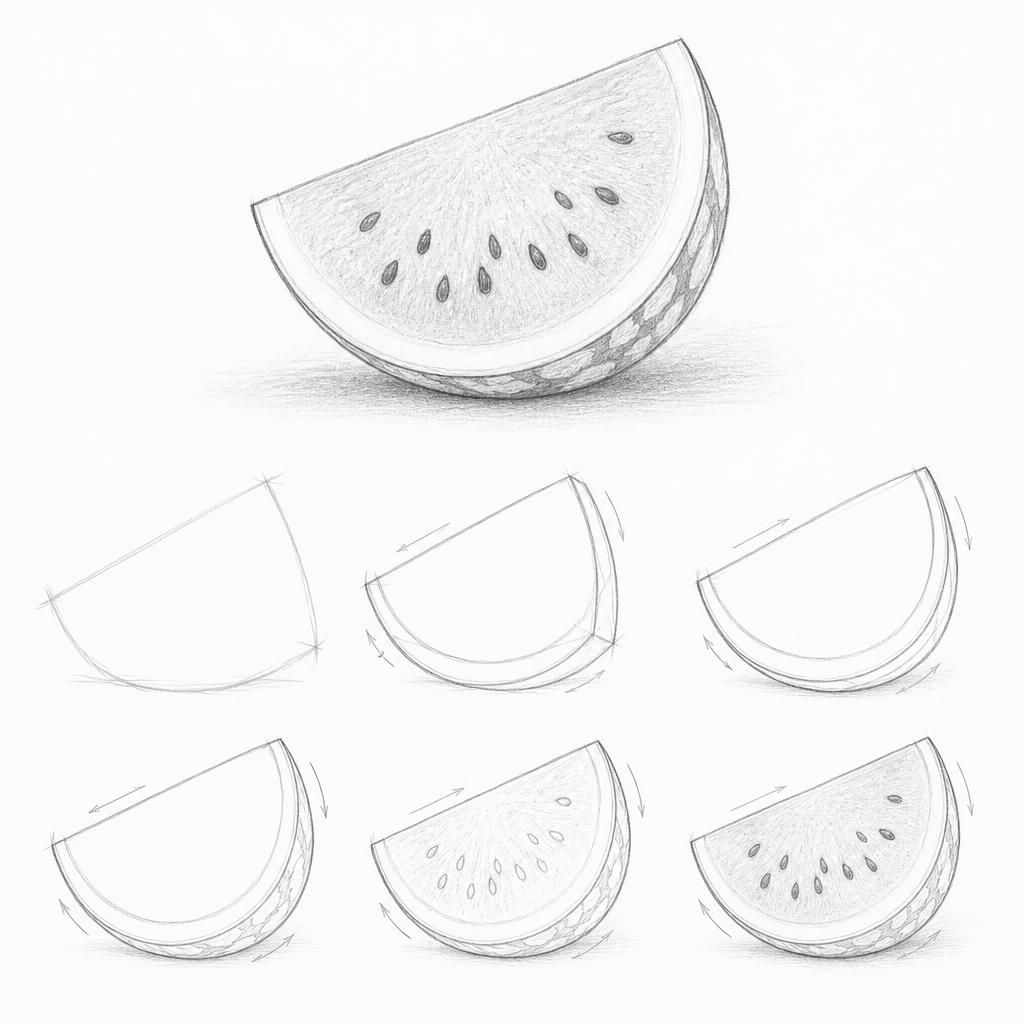
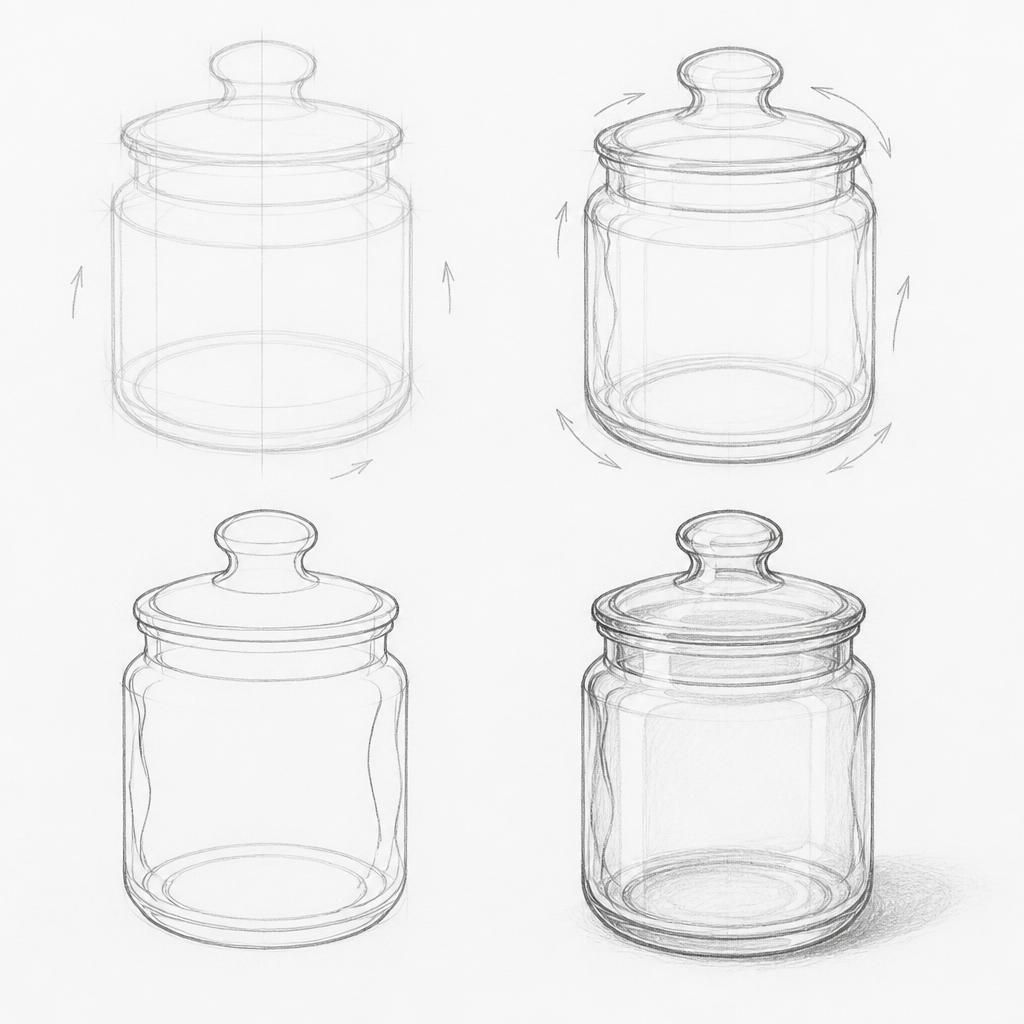
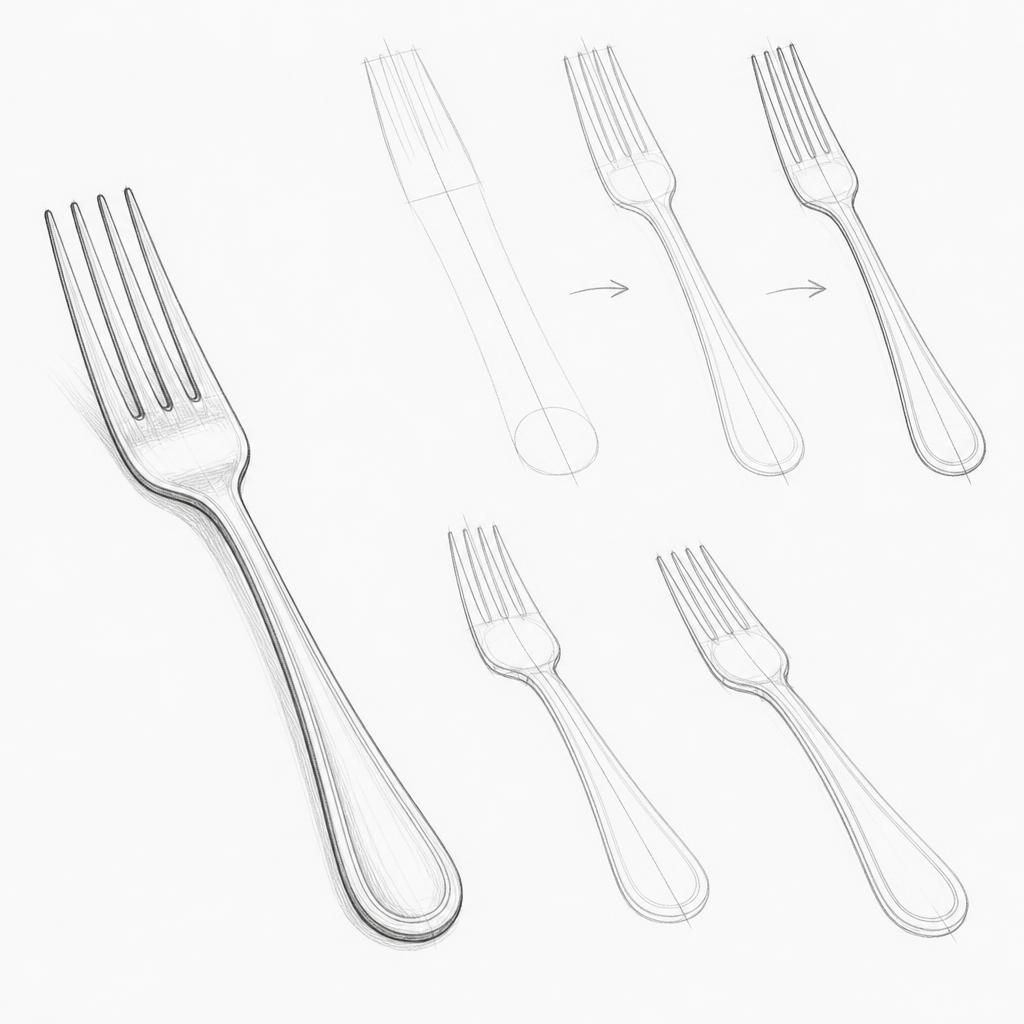
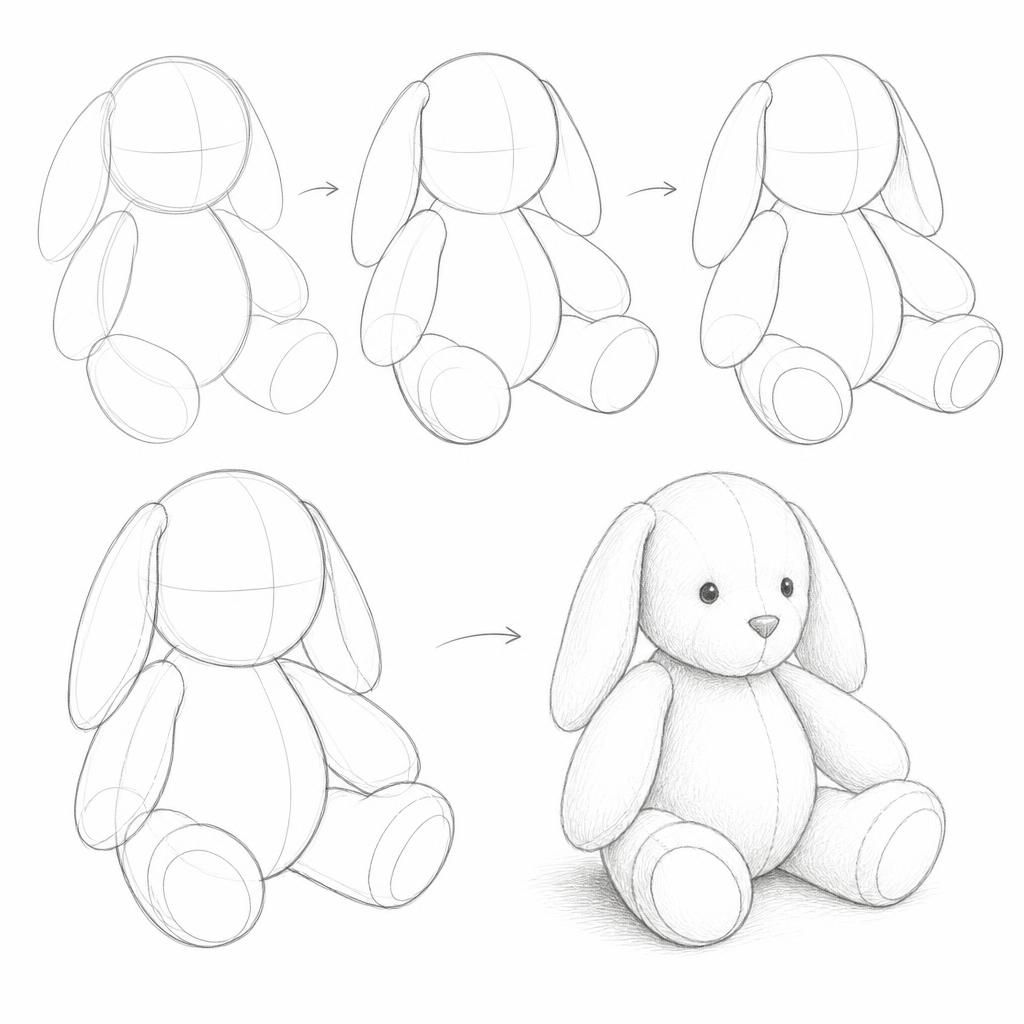
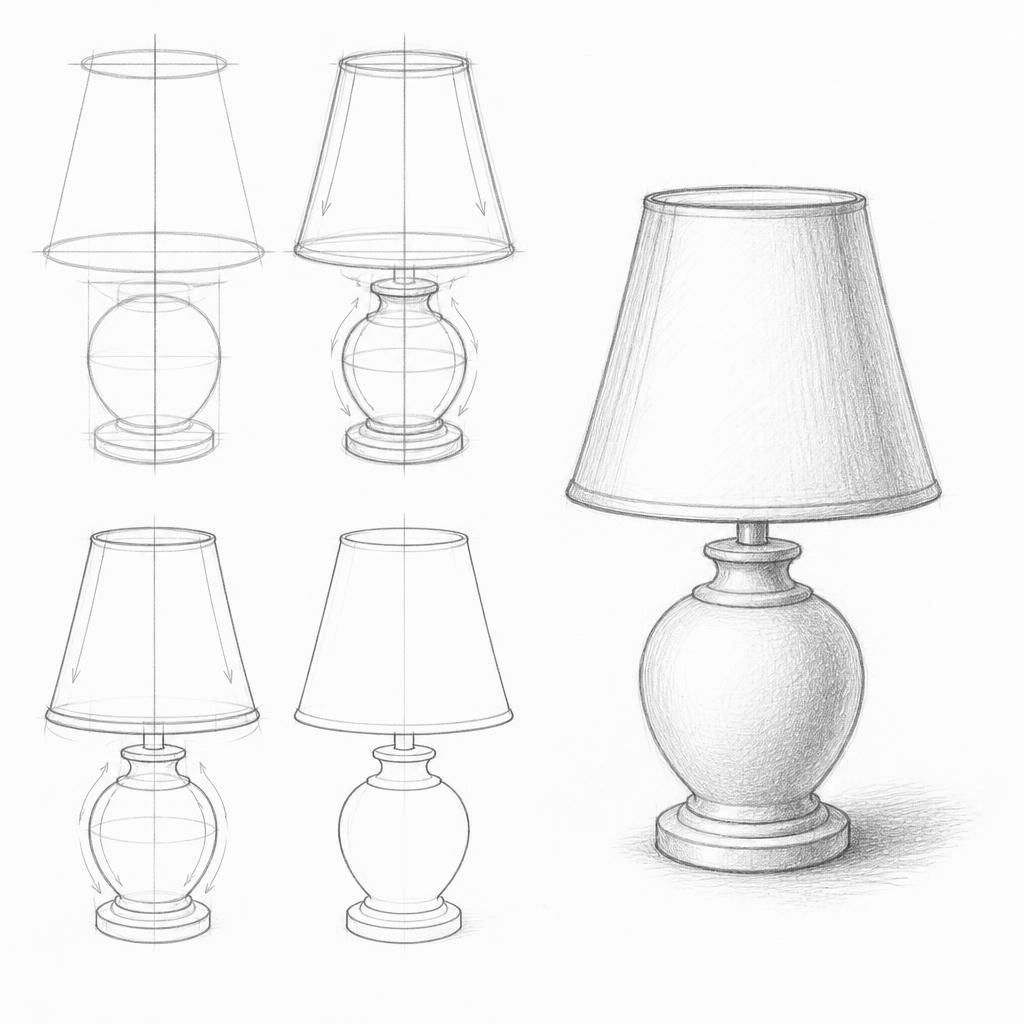
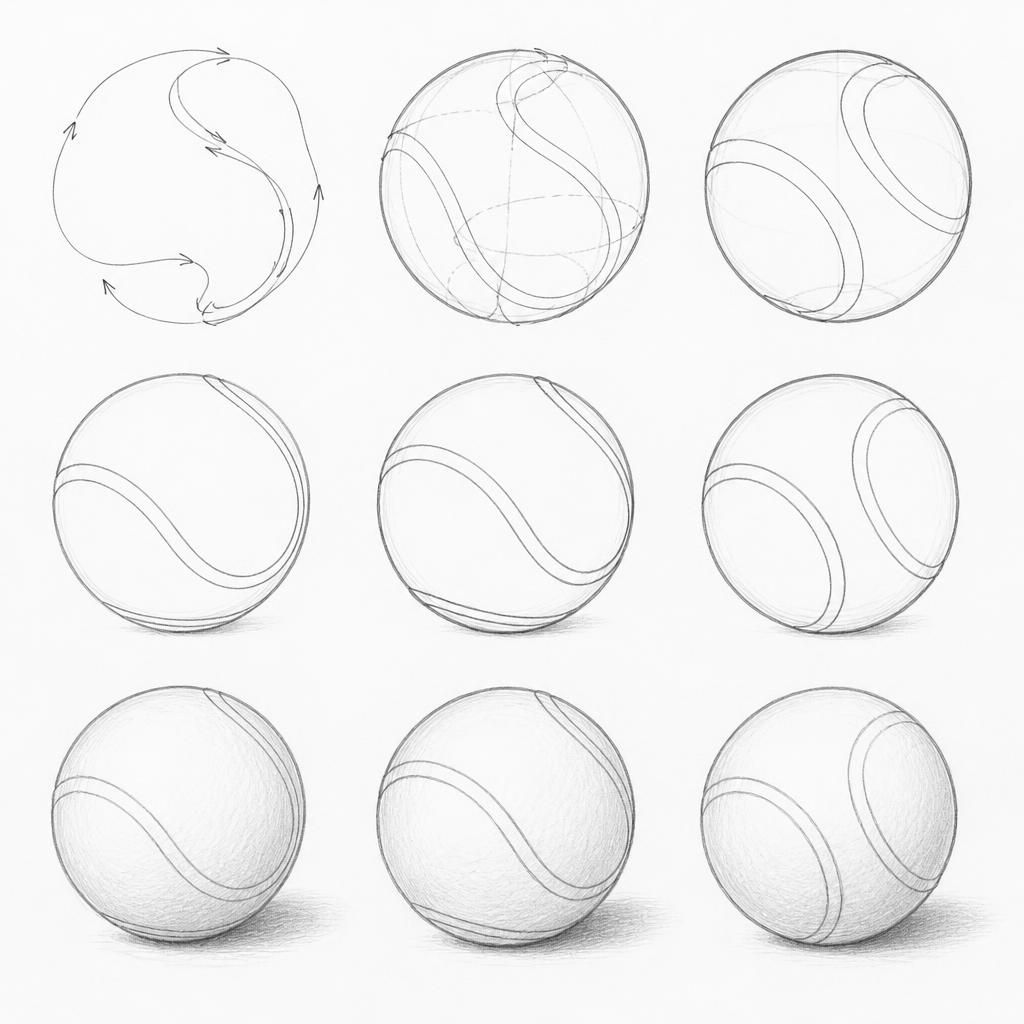
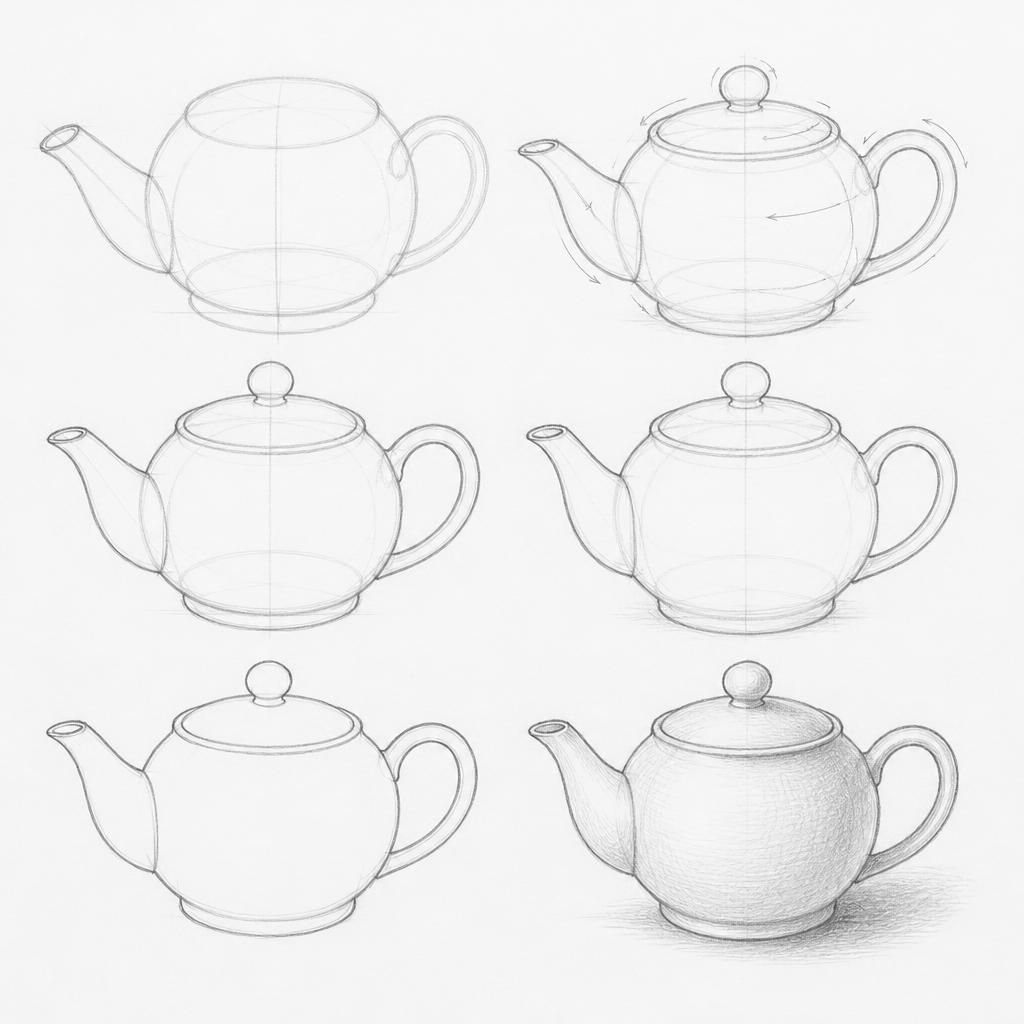
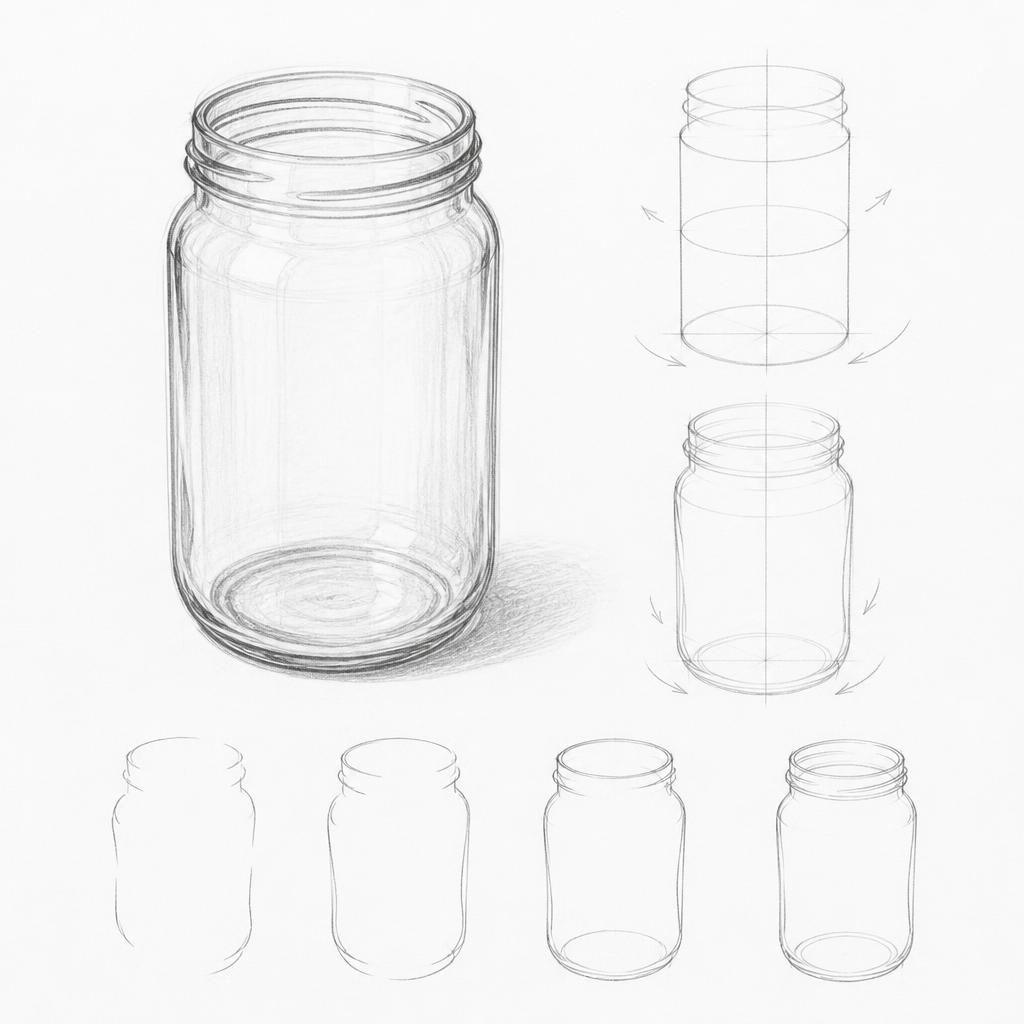
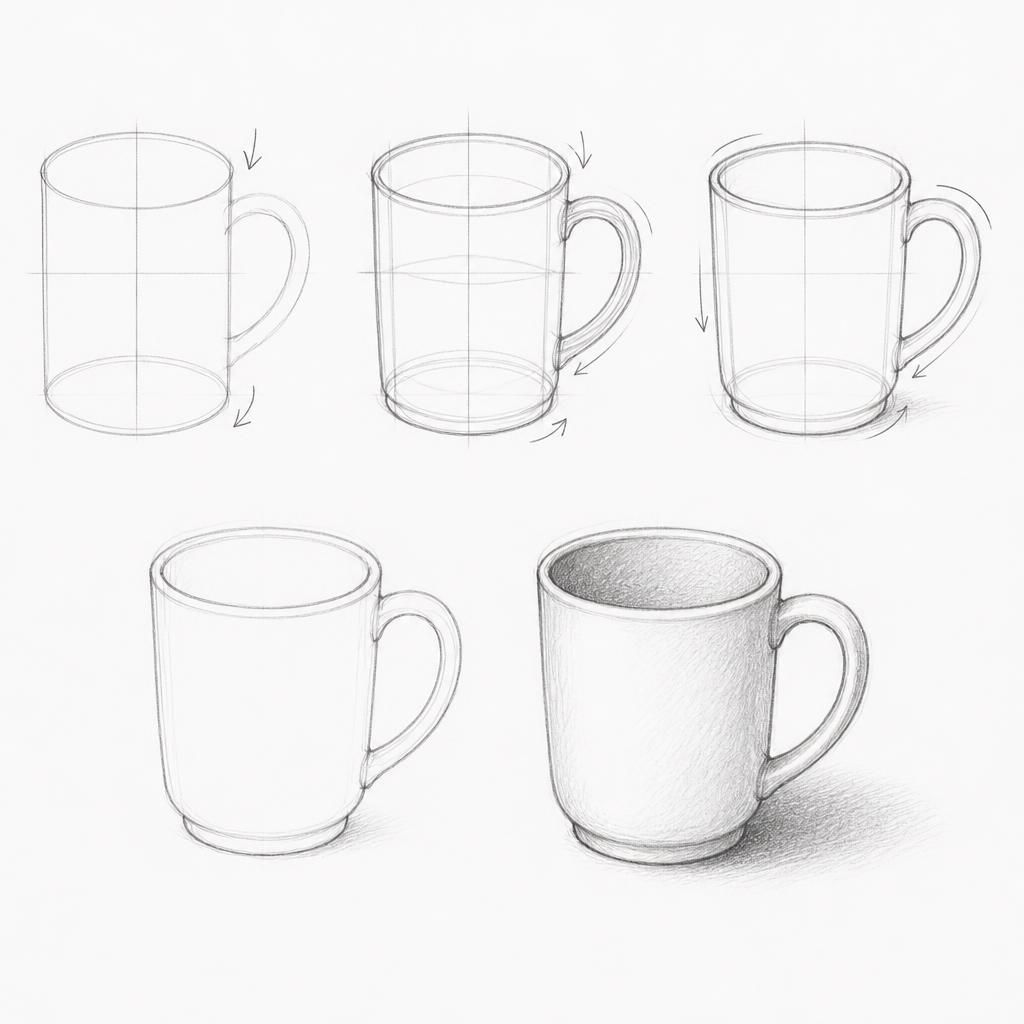
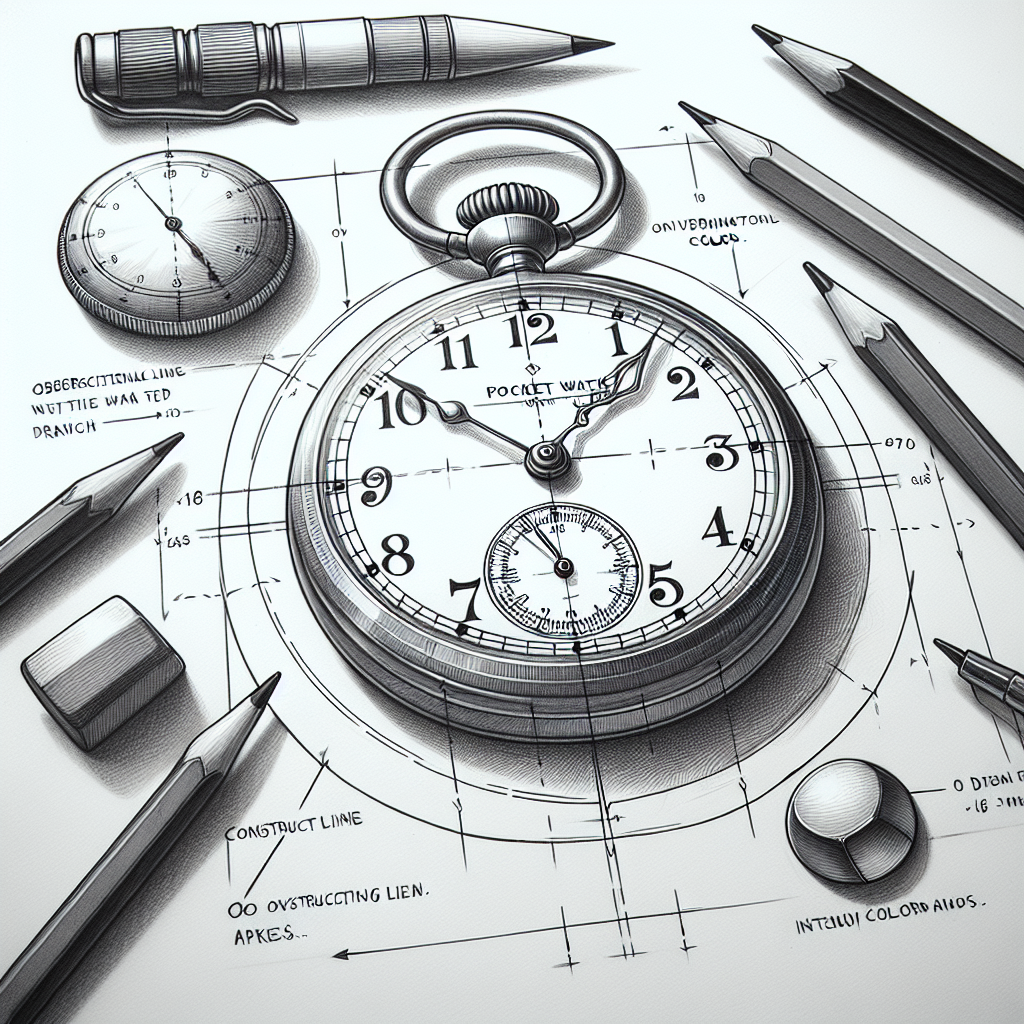
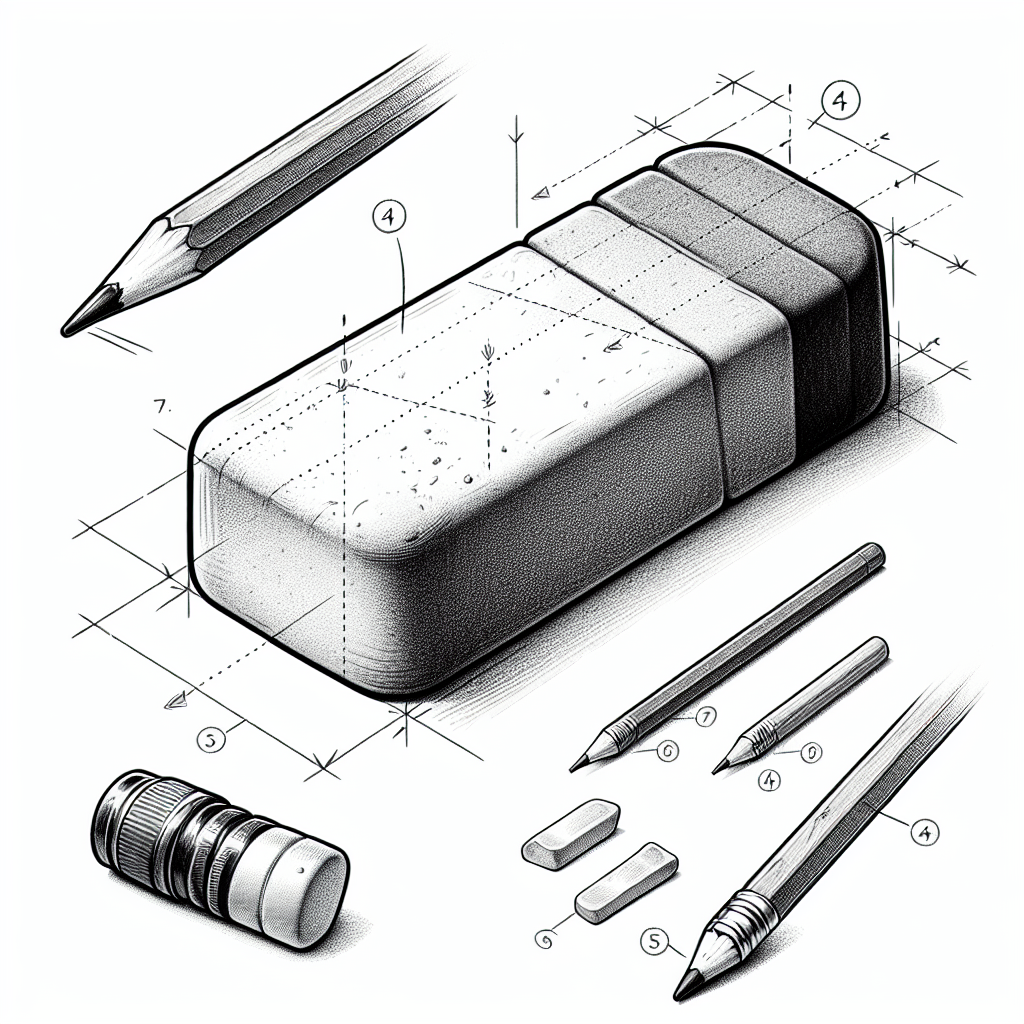
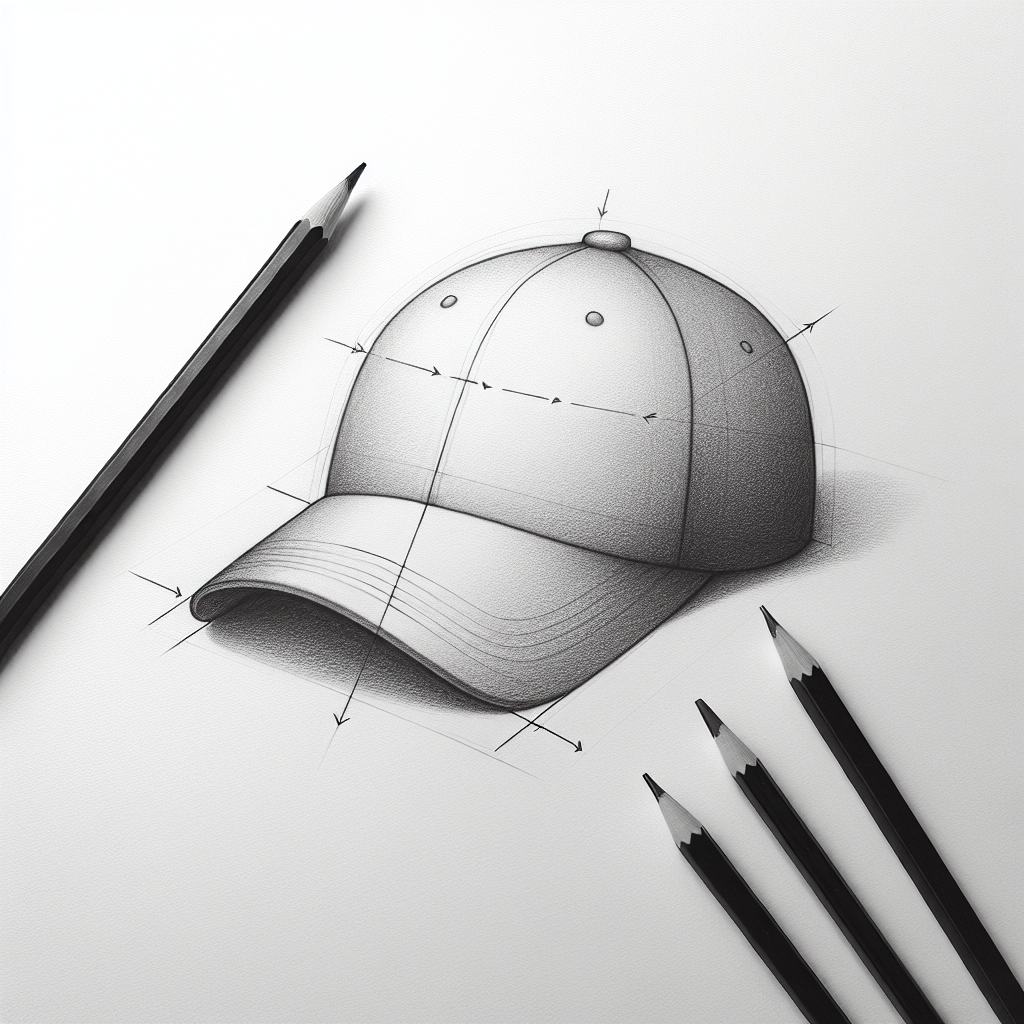
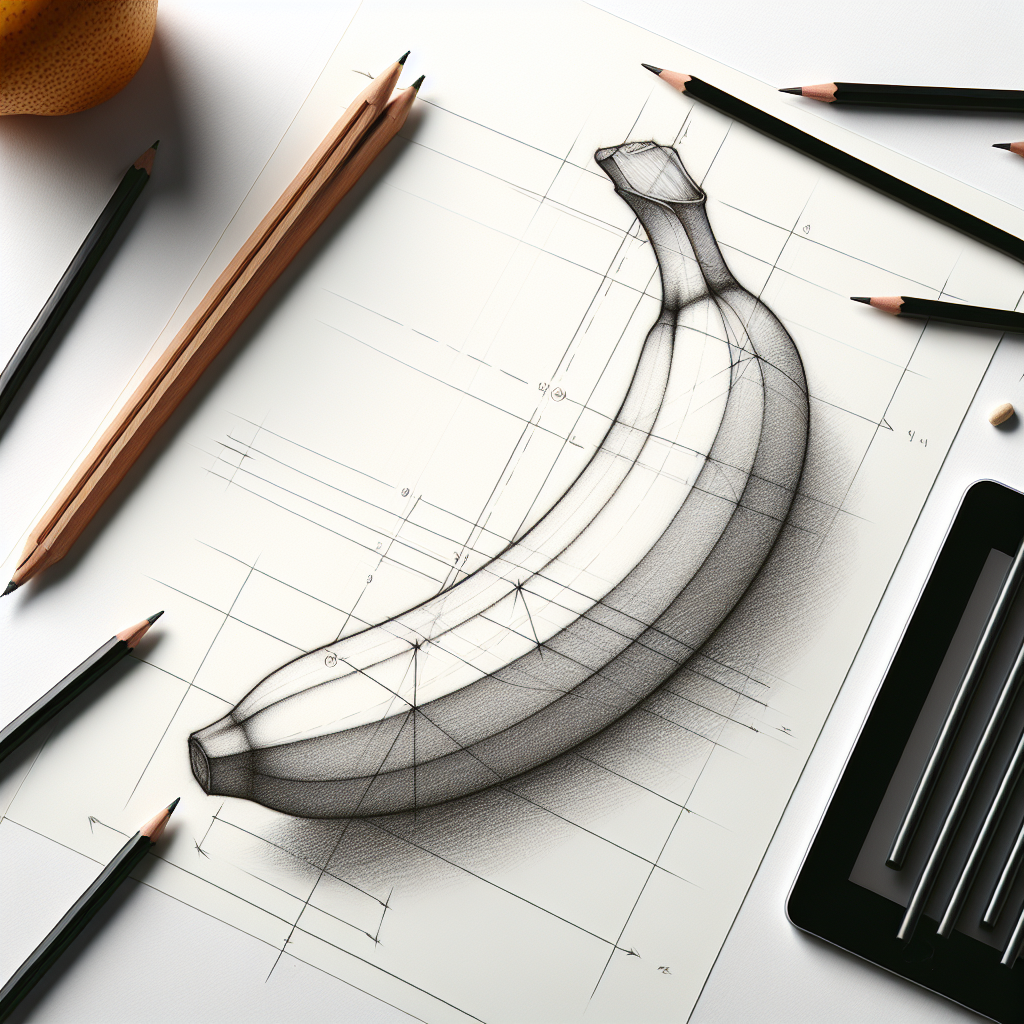
Most people draw a symbol of what they remember, not the thing in front of them. Observational drawing is the discipline of looking longer and harder than feels comfortable before you trust a single mark.
Spend more time looking than drawing
Aim to keep your eyes on the subject far more than on the paper. For stretches, watch the object and let your hand simply follow. Drawing largely from memory is why proportions drift and details turn generic. The uncomfortable truth of observational practice is that the answer is nearly always sitting on the subject, not in your head.
Draw what's actually there
Your brain wants to simplify an eye into a neat almond and a bottle into a tidy symmetrical cartoon. Fight it by noticing the specific, awkward truth: this exact curve, this uneven edge, this shadow that's warmer on one side. The particular, slightly wrong-looking observation is usually what makes a drawing feel alive and real.
Try a blind contour
Draw the outline of an object while looking only at it, never down at your page. The result comes out lopsided, but the exercise forcibly reconnects hand to eye and slows you down to the object's actual edges. Come back to blind and slow contour drawing whenever your marks start running ahead of your looking.