How to Practise Proportion & Volume18 lessons
Getting proportions right is mostly a matter of training the eye. These lessons use rounded, solid subjects to build a feel for relative scale and three-dimensional form.
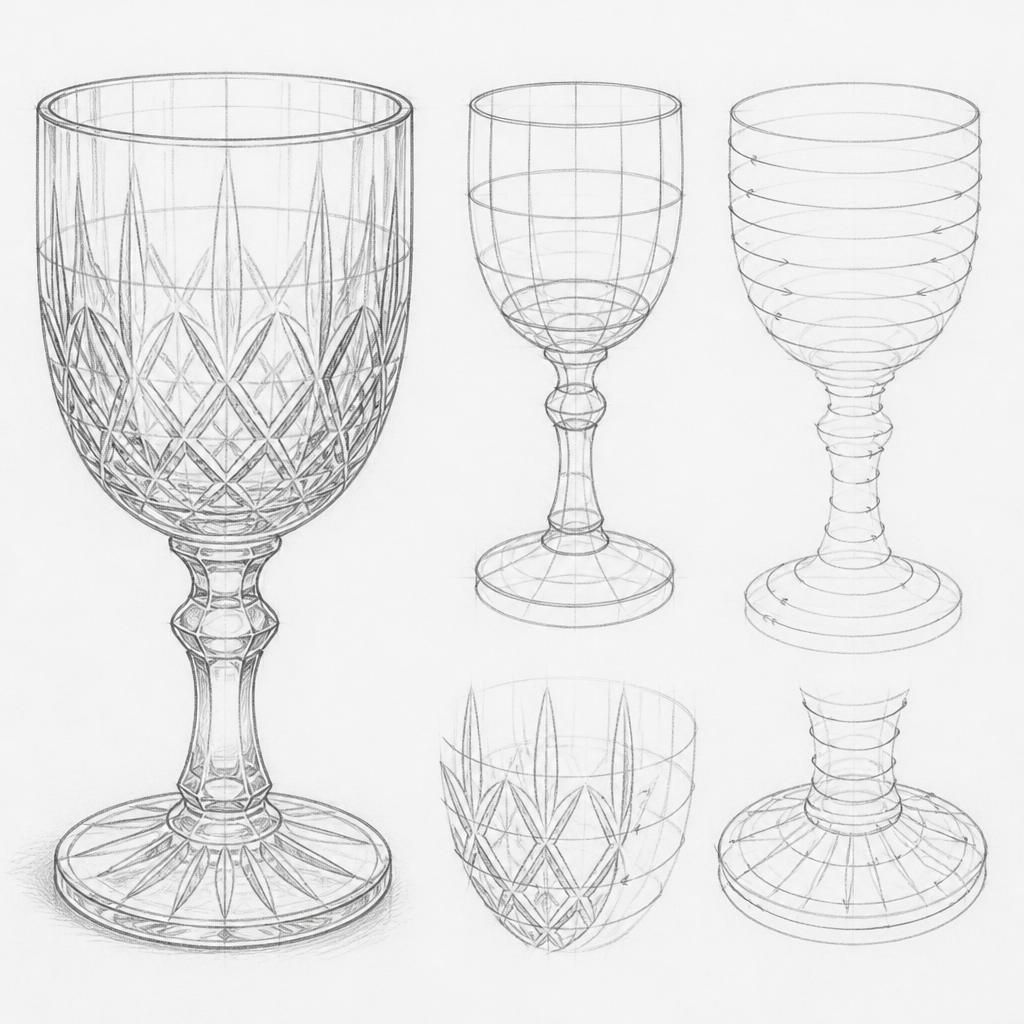
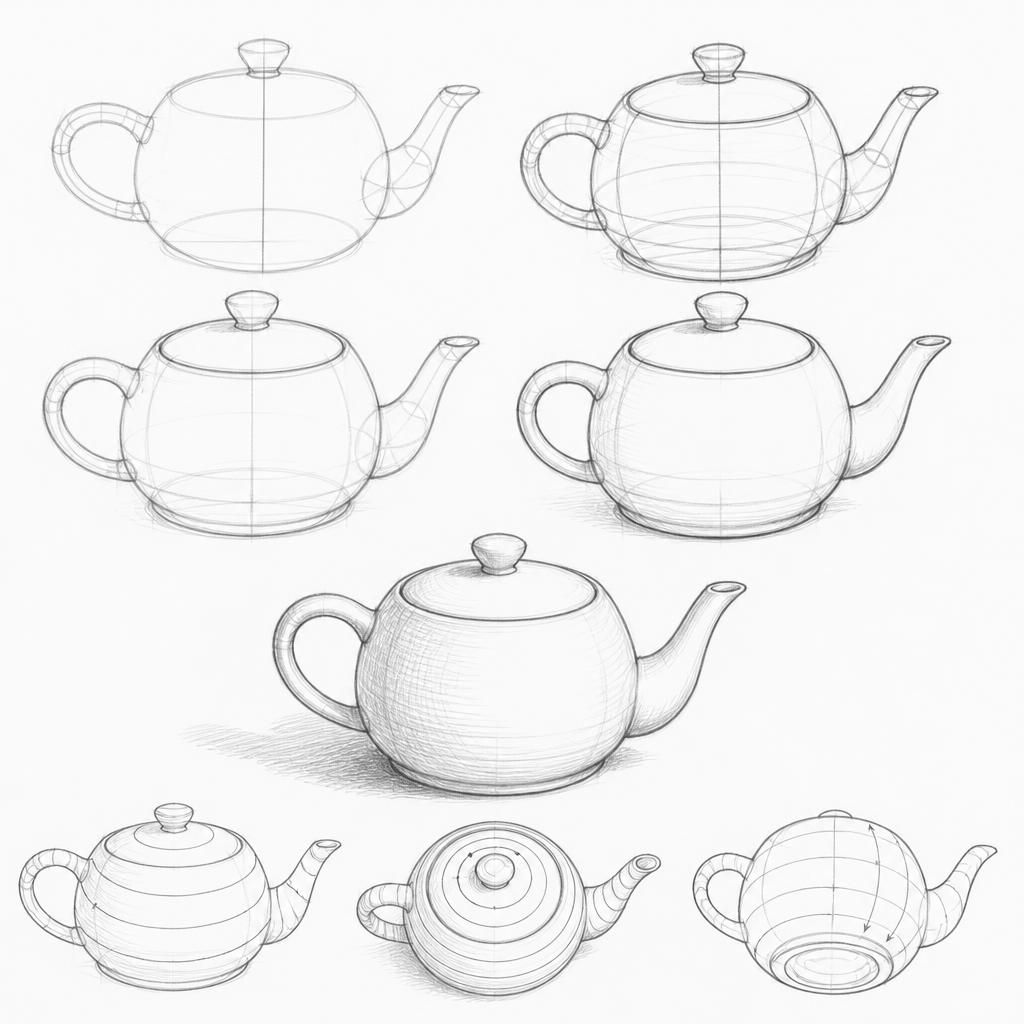
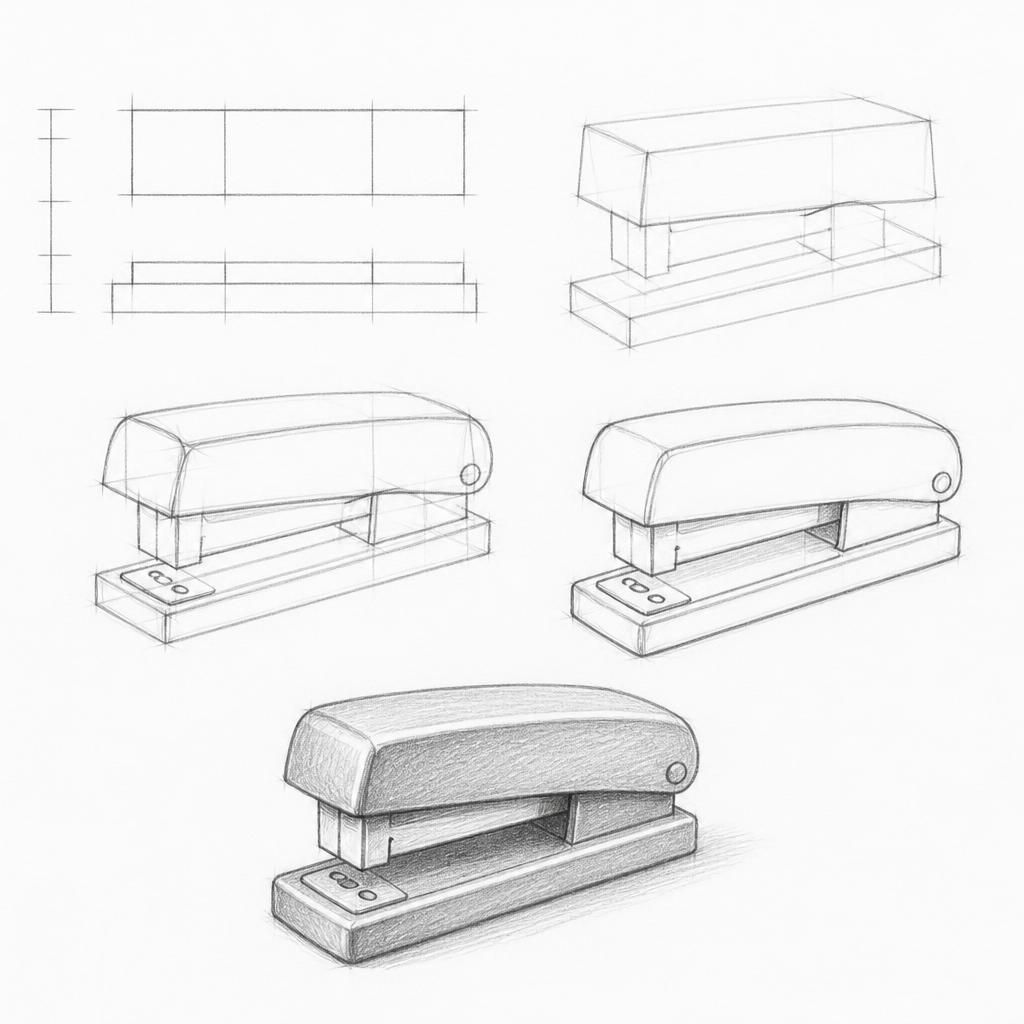
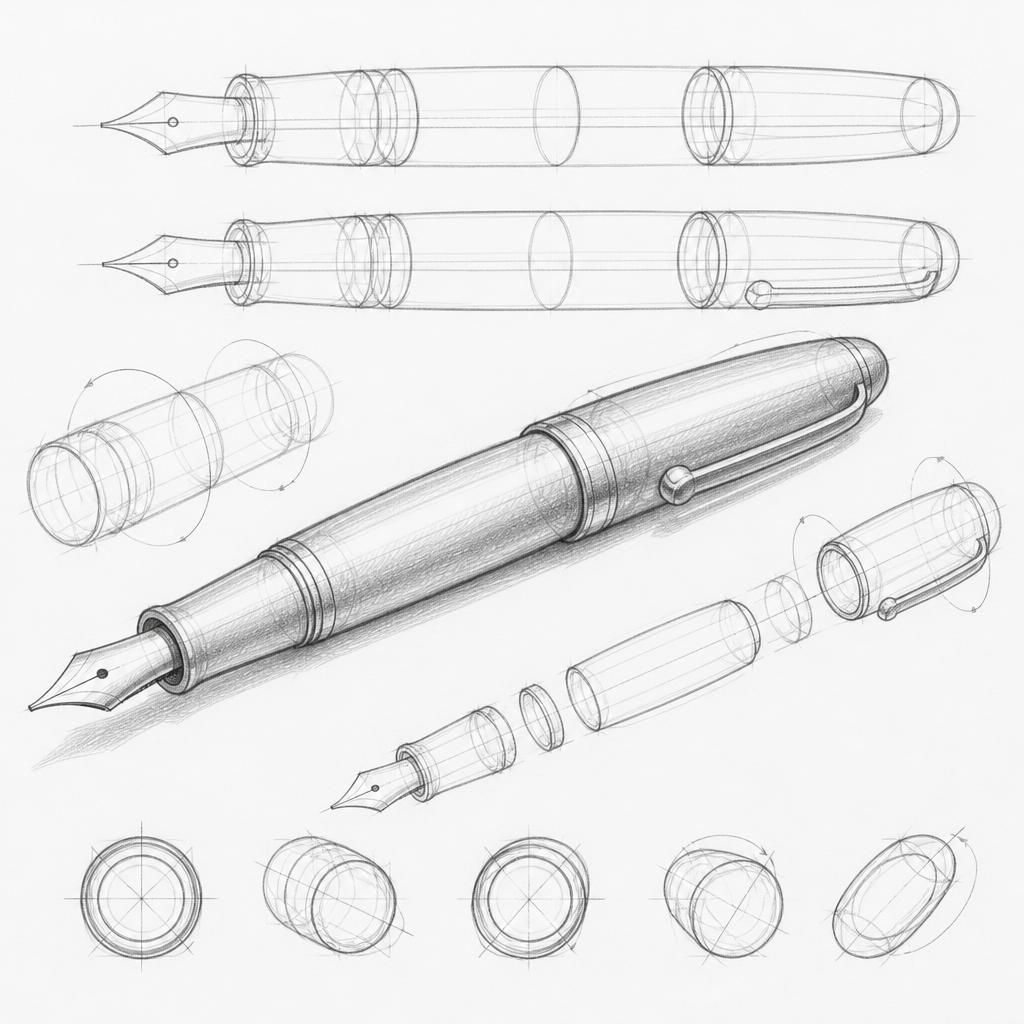
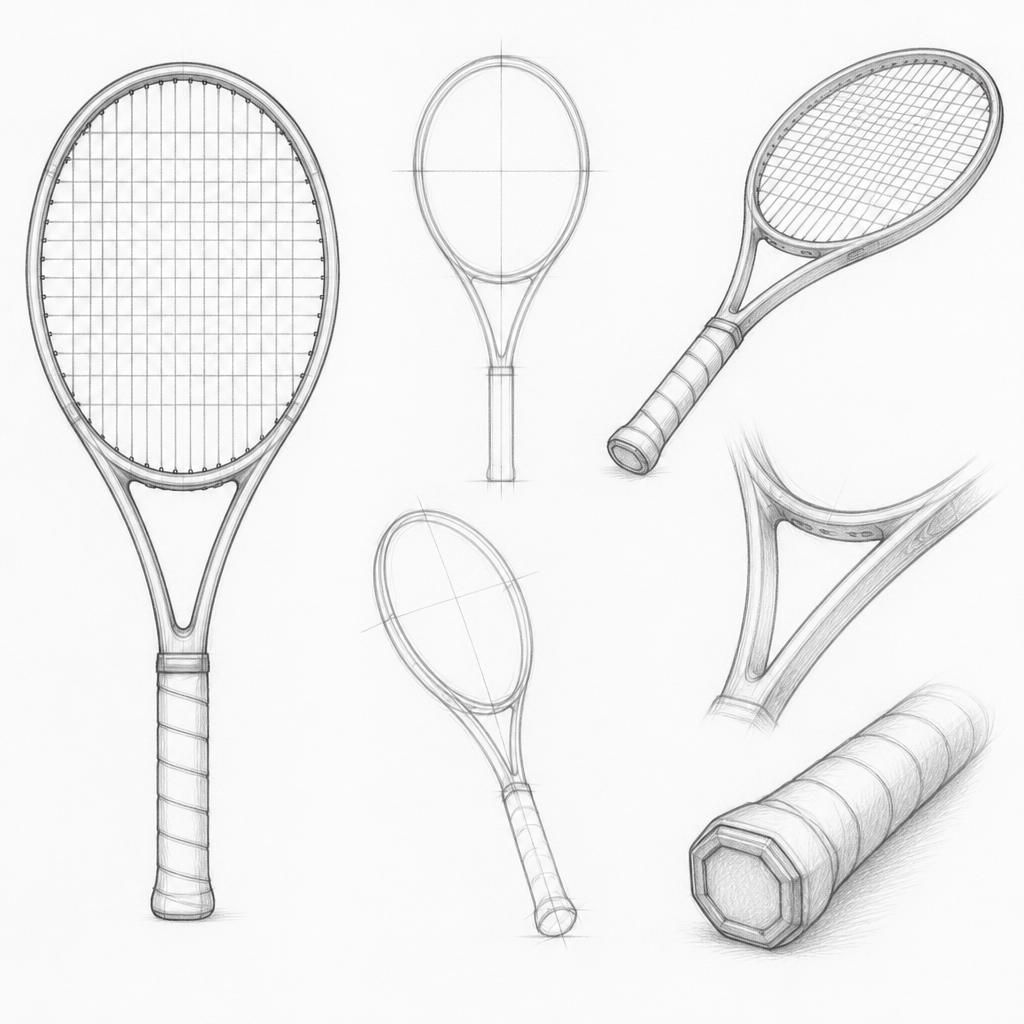
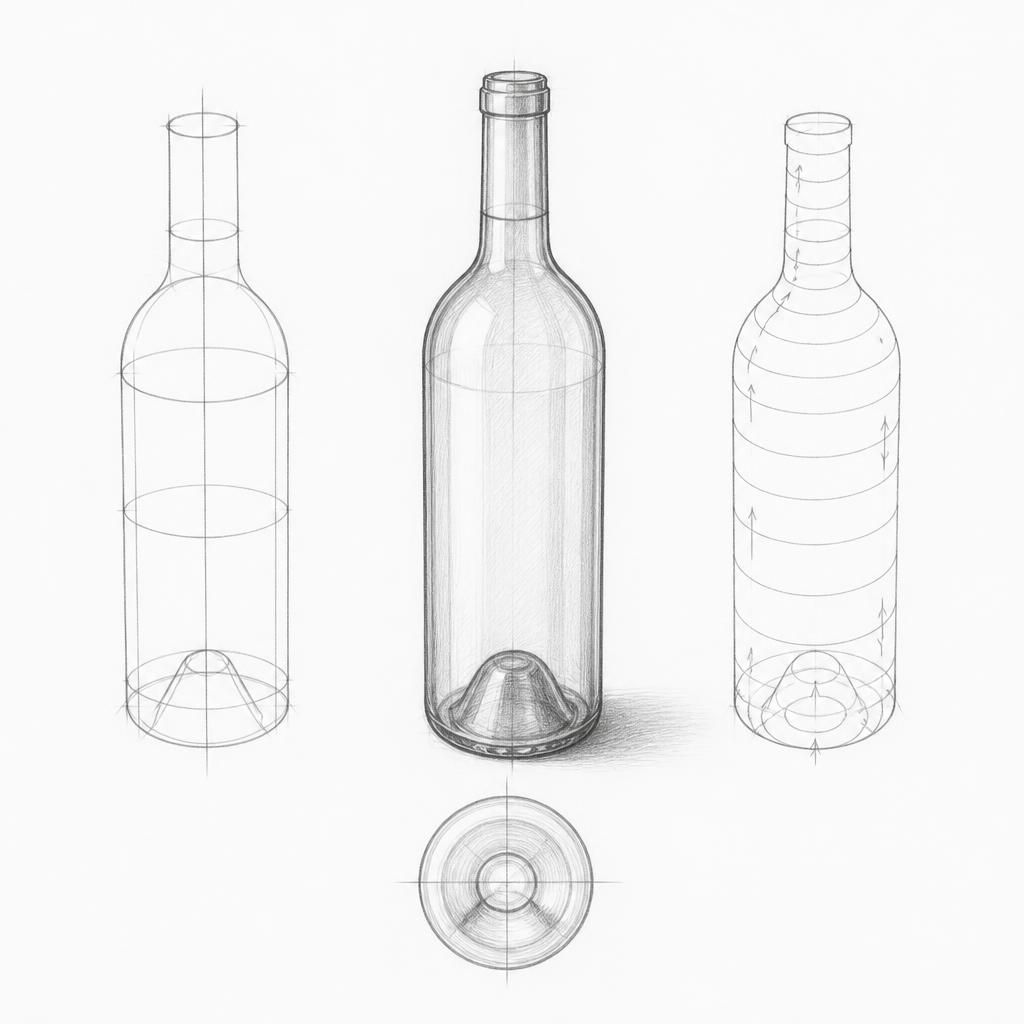
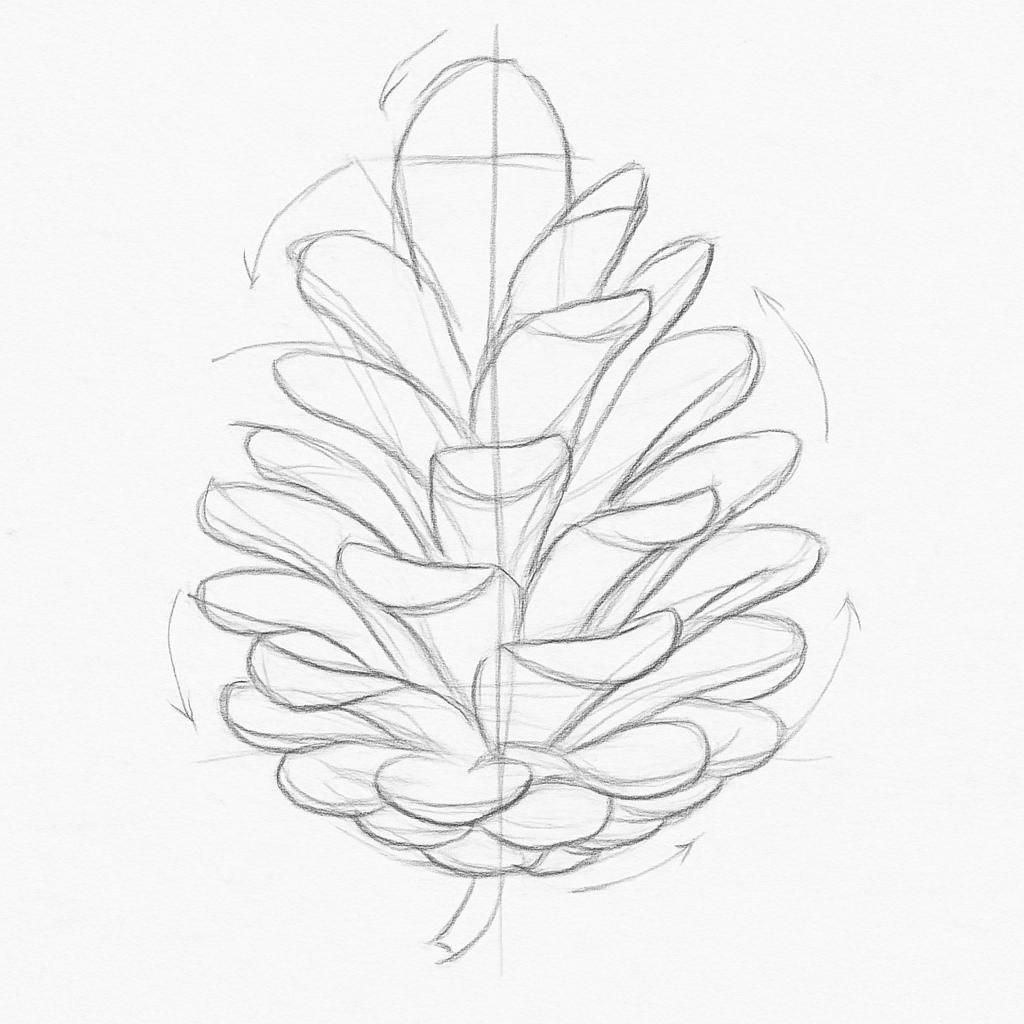
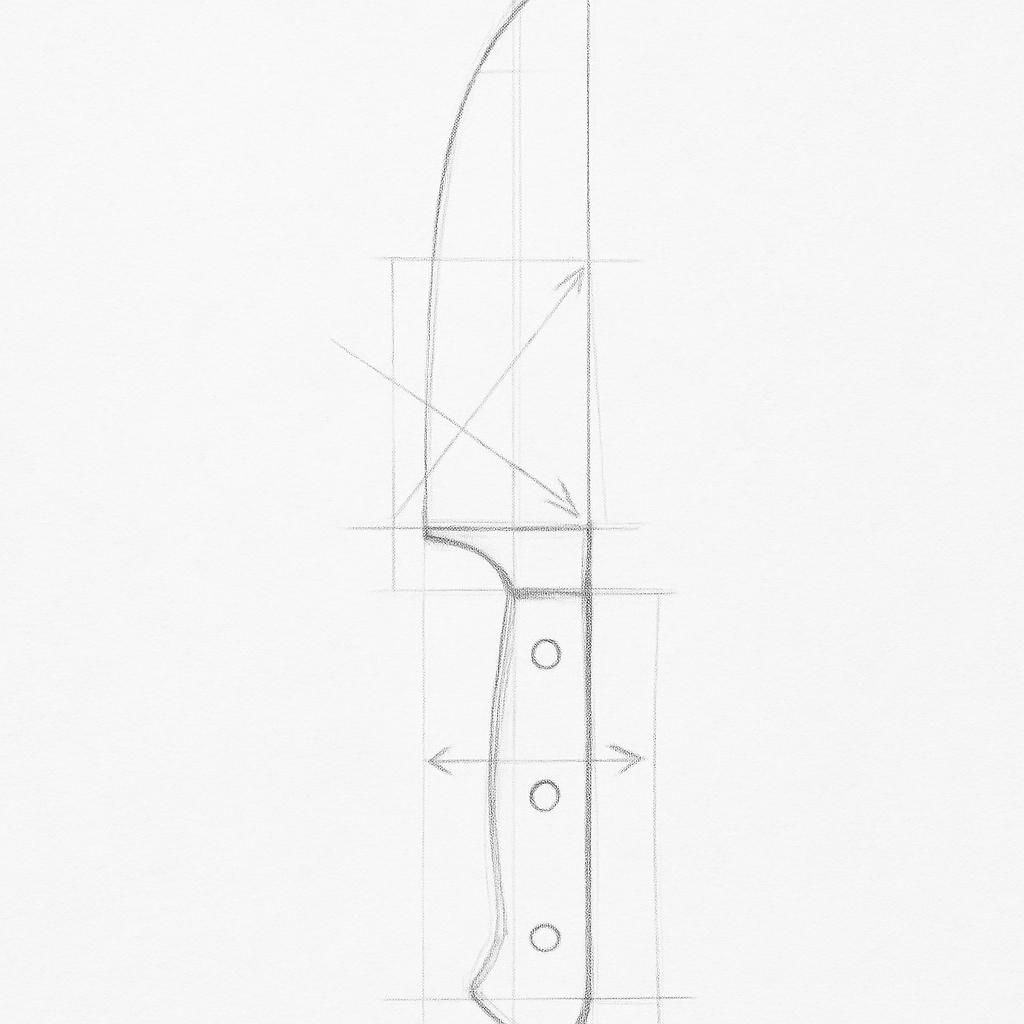
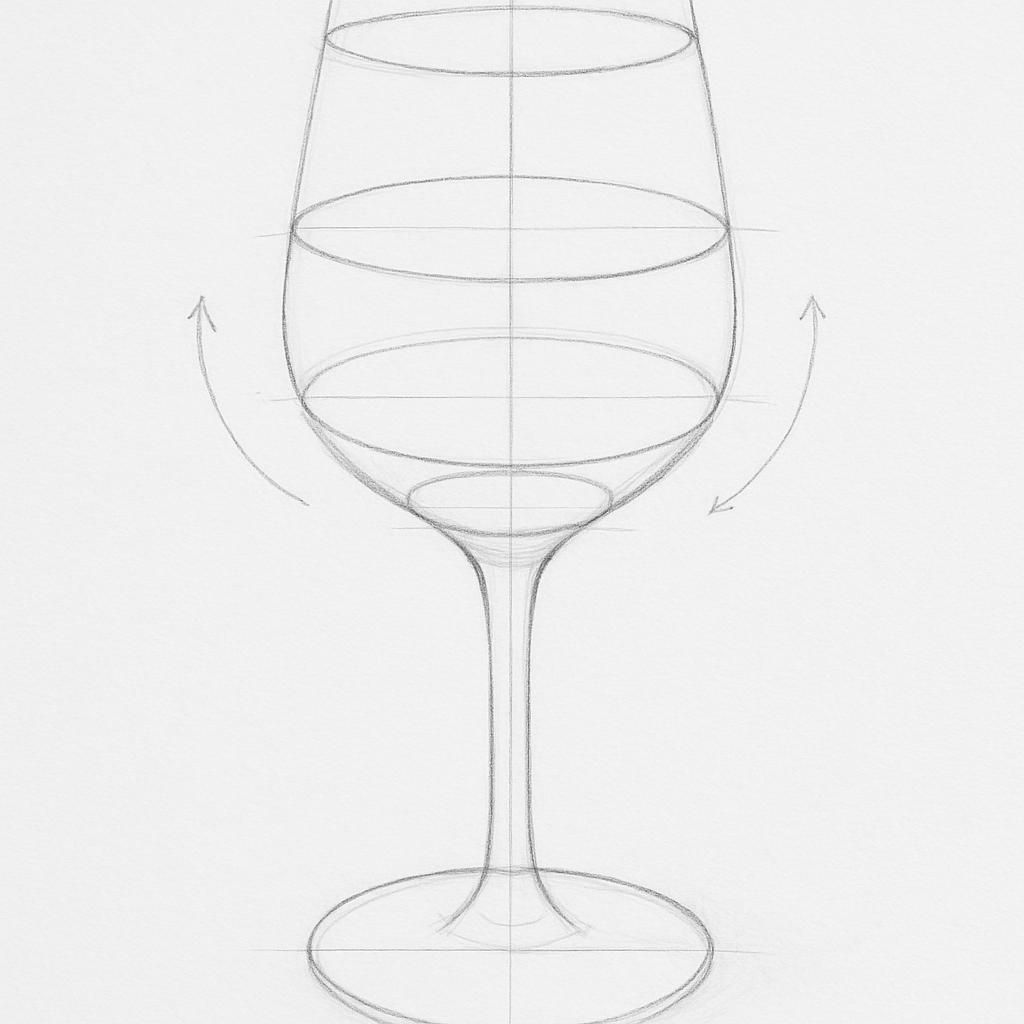
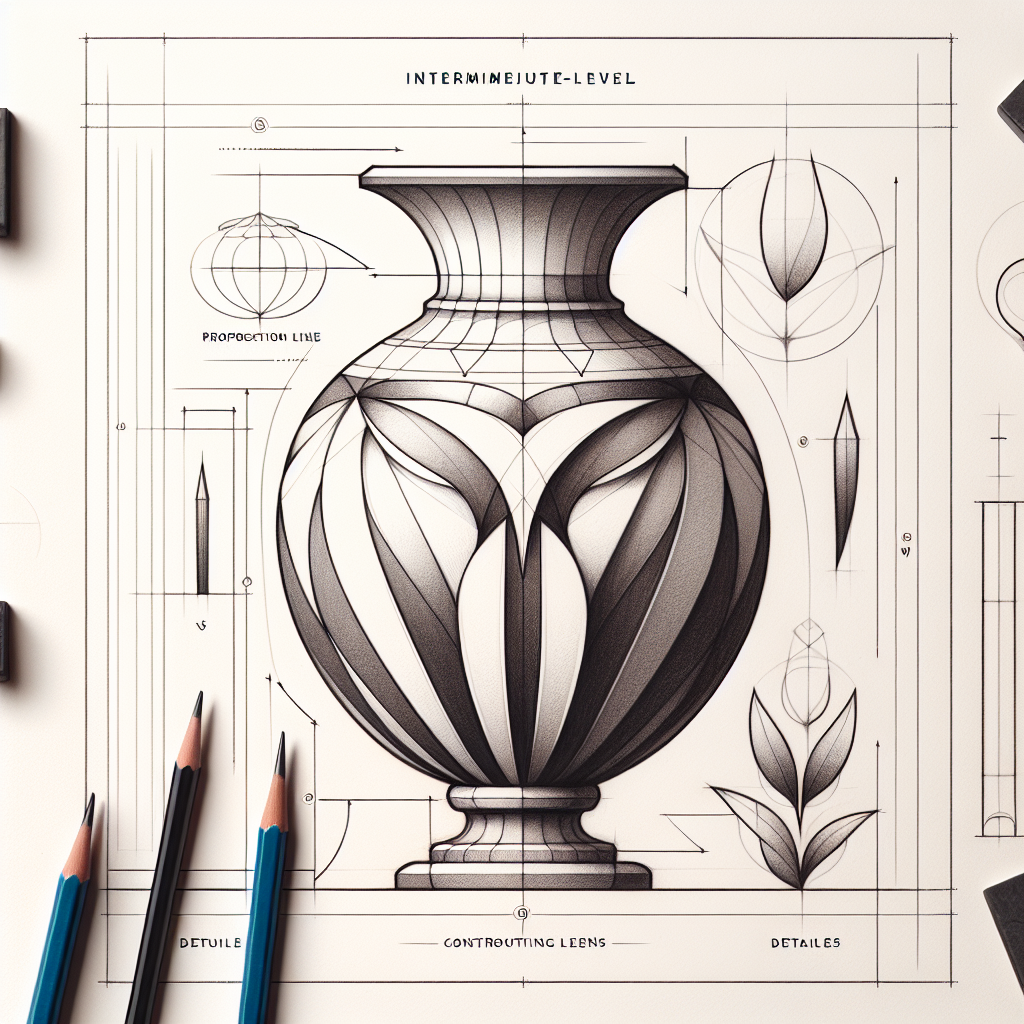
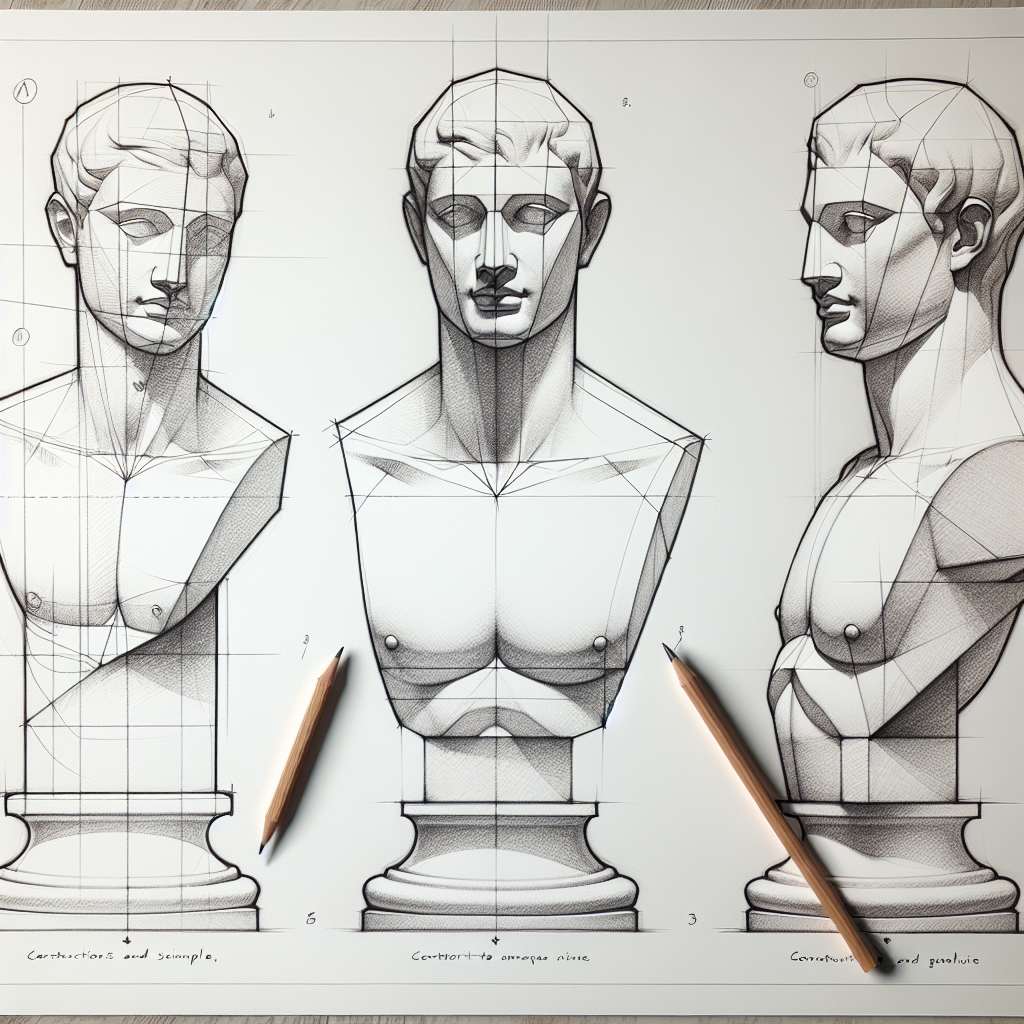
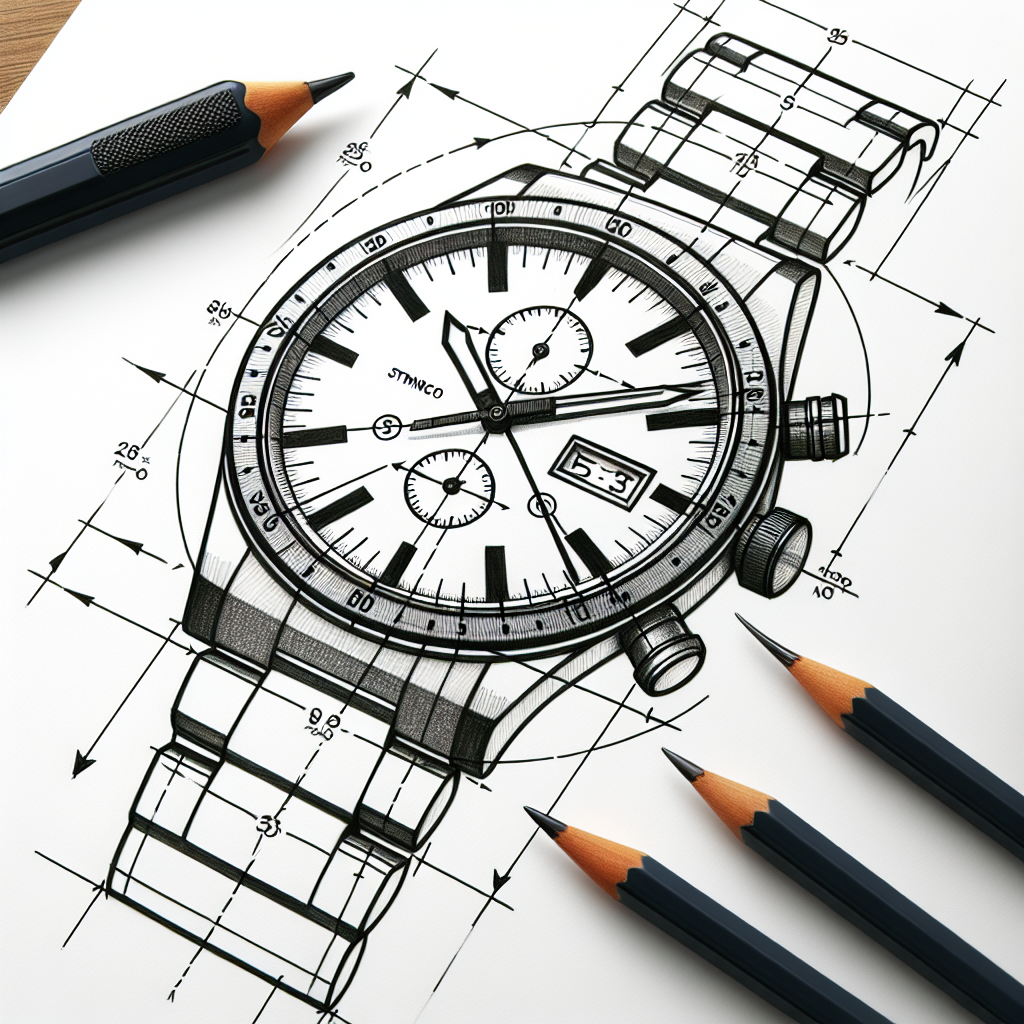
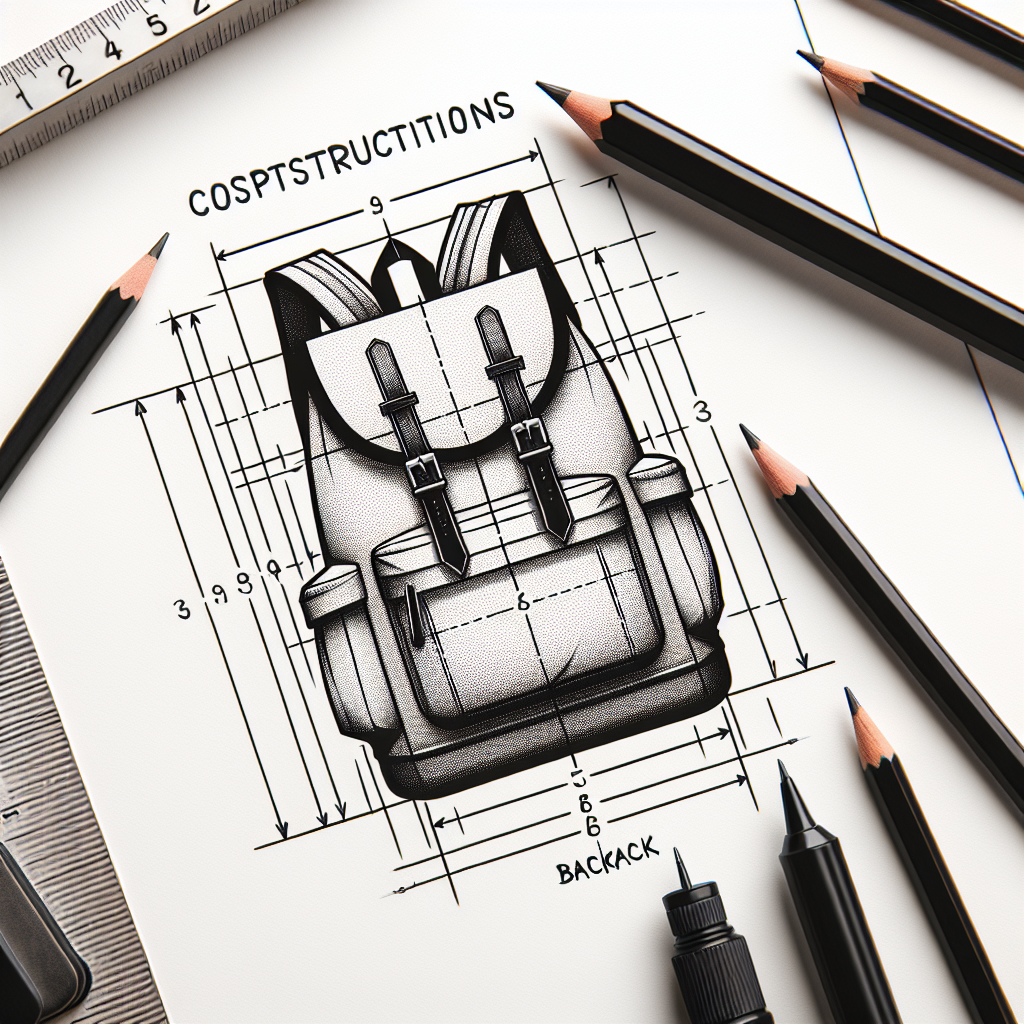
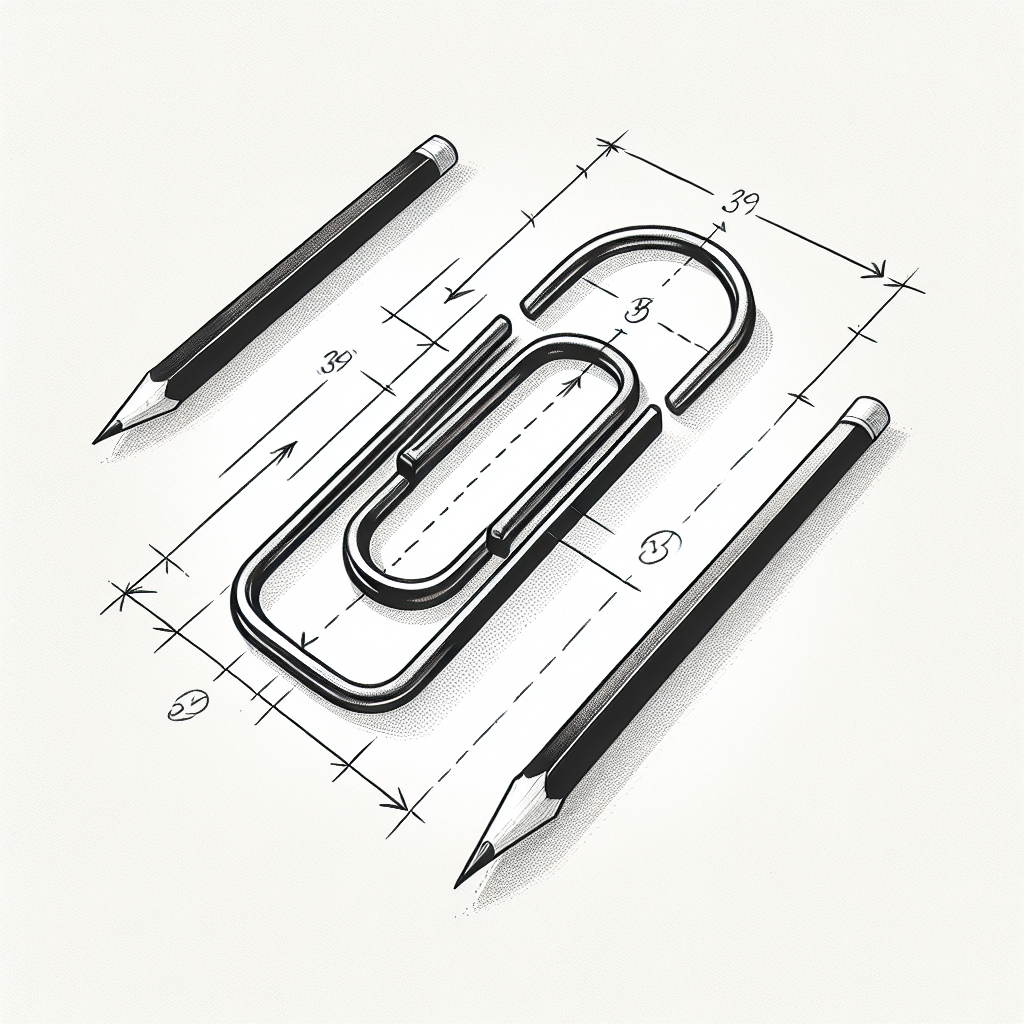
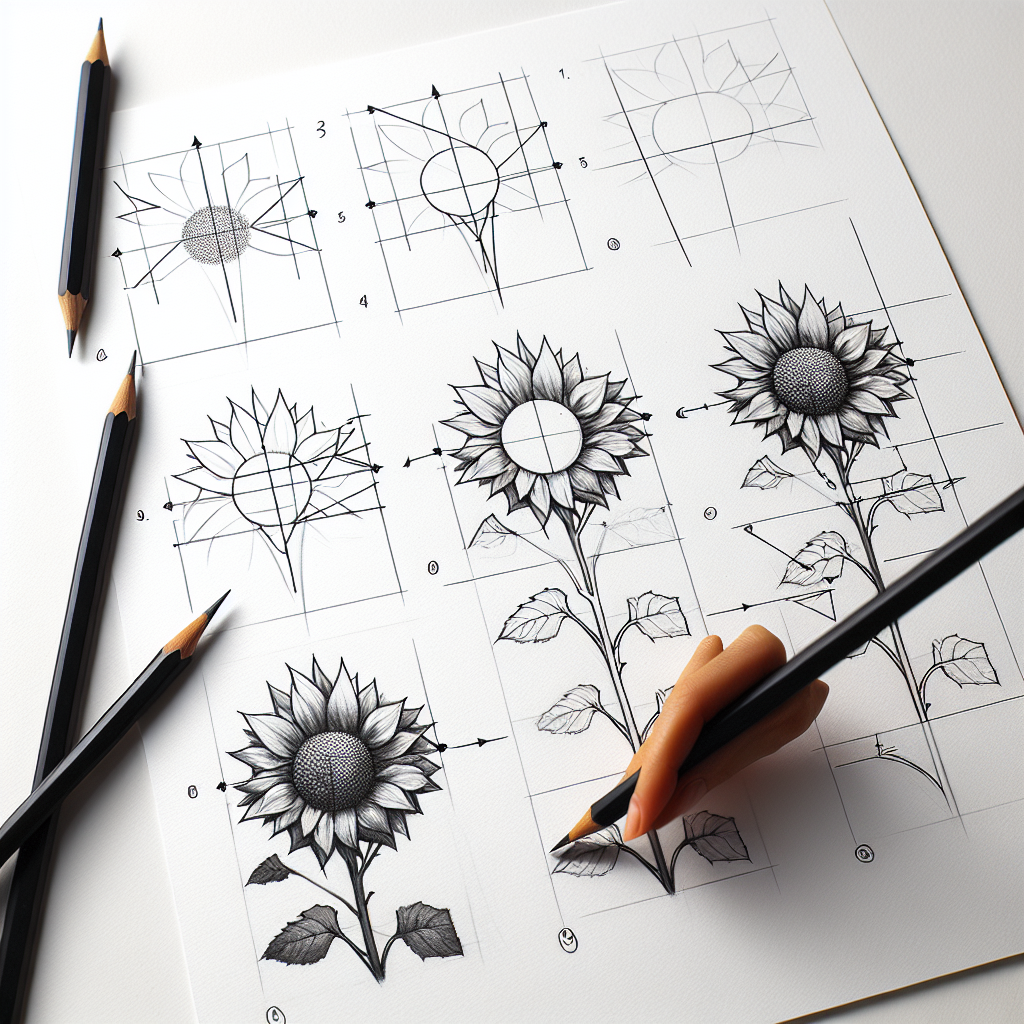
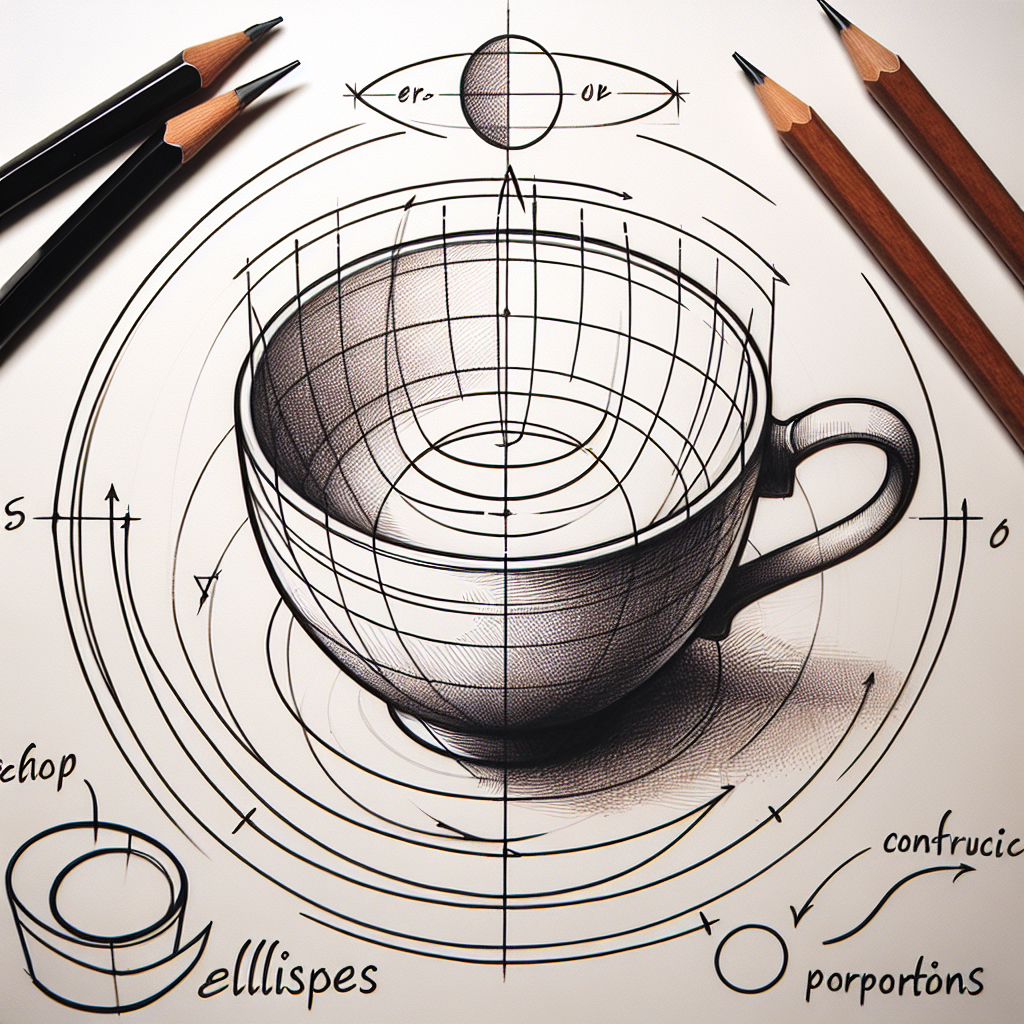
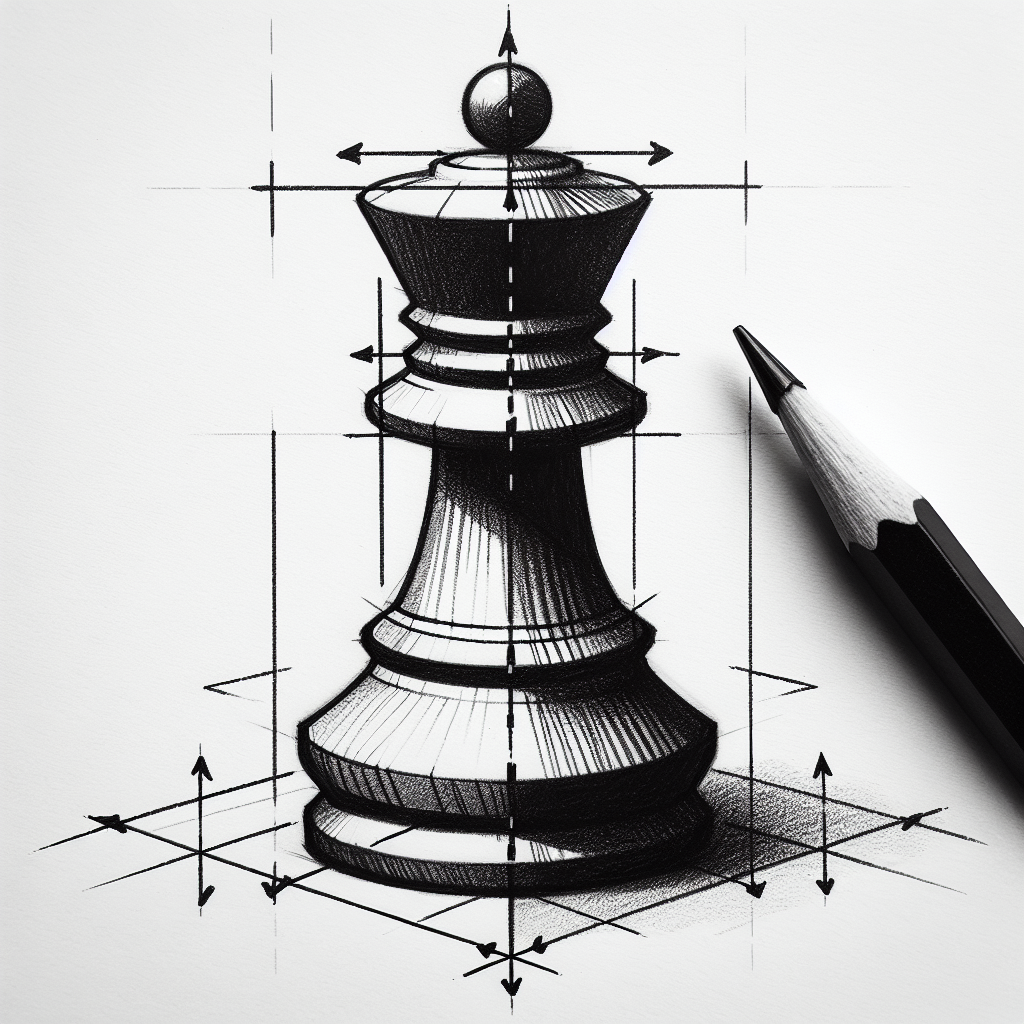
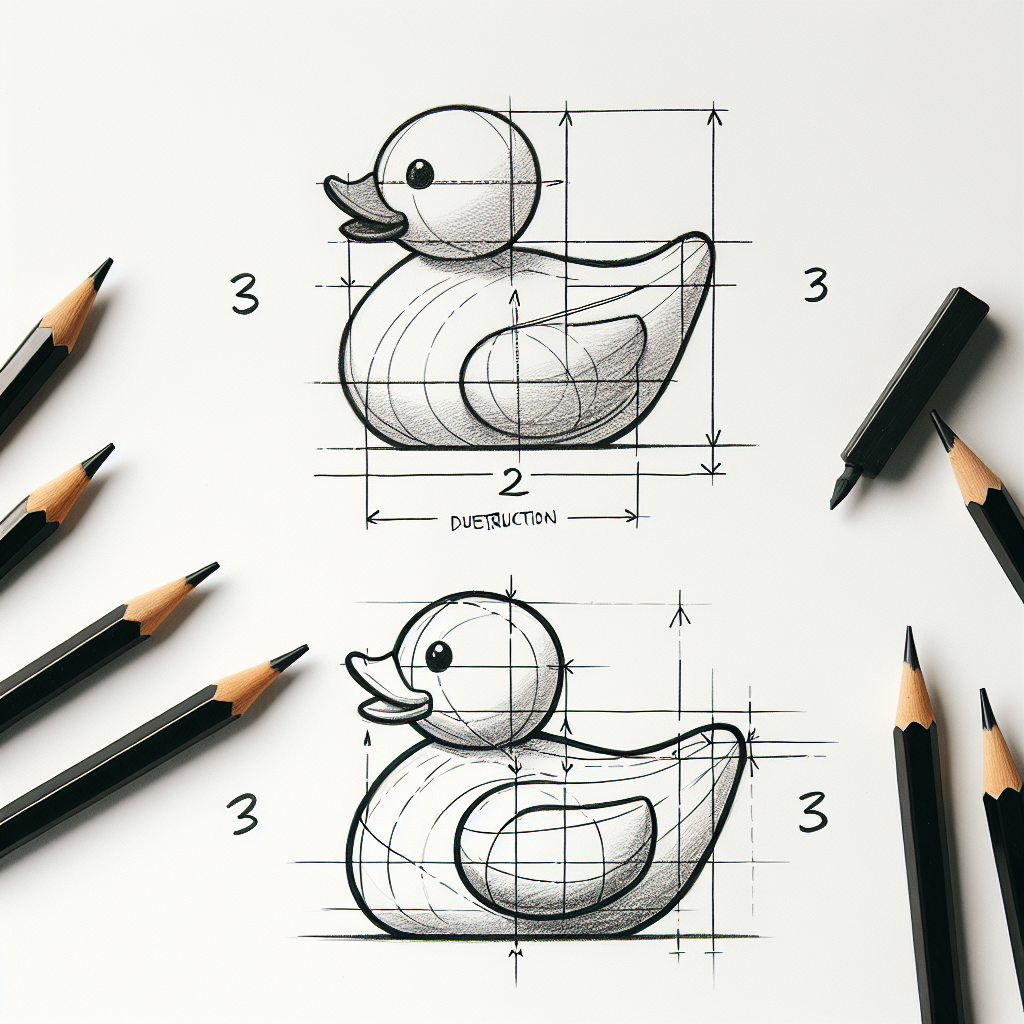
Getting proportion right is less about talent than about comparing, holding one measurement against another instead of trusting a first impression. These exercises pair that habit with a real feel for solid, three-dimensional form.
Measure everything against one unit
Pick a single dimension in your subject, the width of a cup or the height of an apple, and use it as the ruler for everything else. Ask how many of that unit tall, how far across, how wide relative to it. Comparative measuring catches the errors your eye glosses over, because a mistake in a relationship is far more visible than a mistake in any single line.
Block the big shape before the parts
Establish the overall envelope, the largest simple shape the whole subject fits inside, before committing to any edge. If the outer proportions are wrong, no amount of careful detail will rescue the drawing. Getting the biggest relationships right first is what stops a head ending up too small for its body or a handle too large for its pot.
Think in volumes, not outlines
Rounded, solid subjects like fruit, pots and pebbles train you to feel the mass behind the contour rather than tracing a flat silhouette. Picture the form's far side and the axis running through it, so your marks describe something you could actually pick up. Proportion and volume reinforce each other. A shape you understand in three dimensions is one you measure more accurately.