How to Practise Construction13 lessons
Breaking complex subjects into boxes, cylinders, and spheres is the single highest-leverage habit in drawing. These lessons drill it.
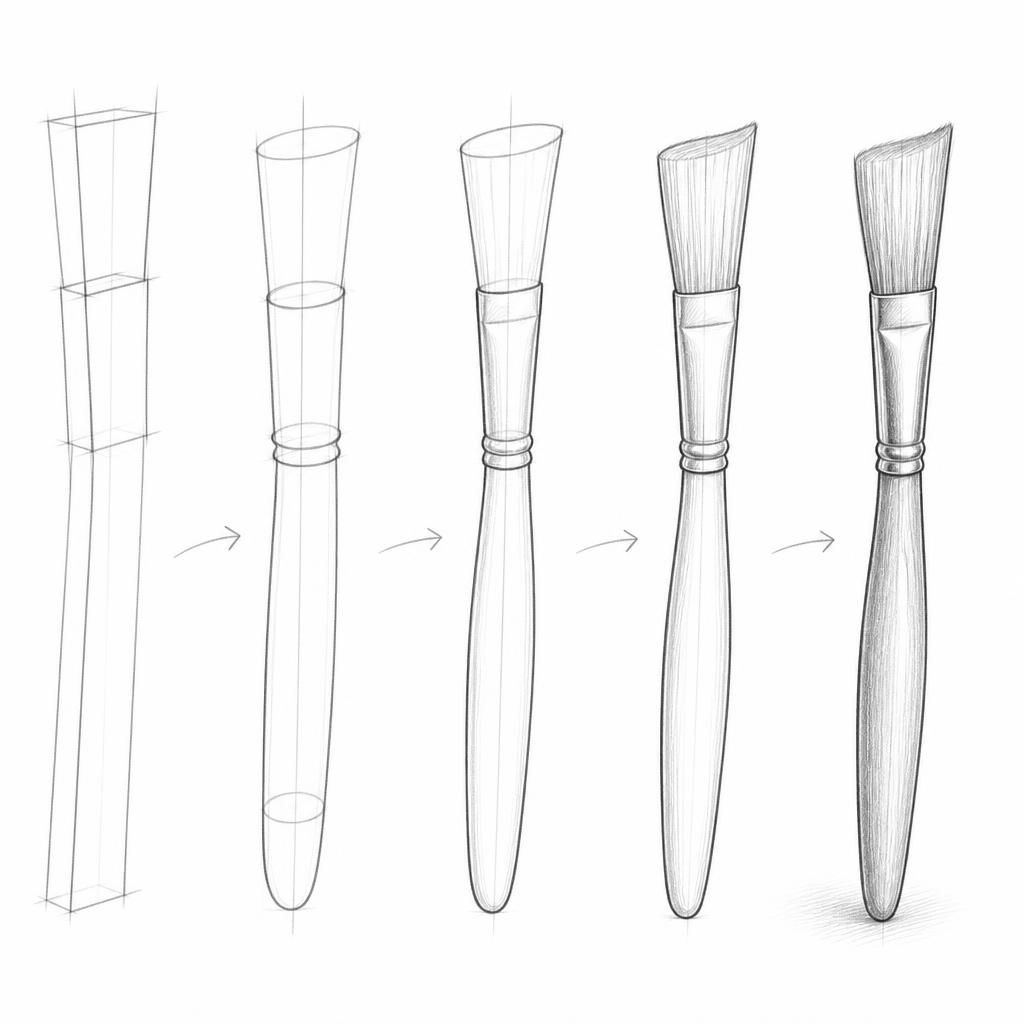
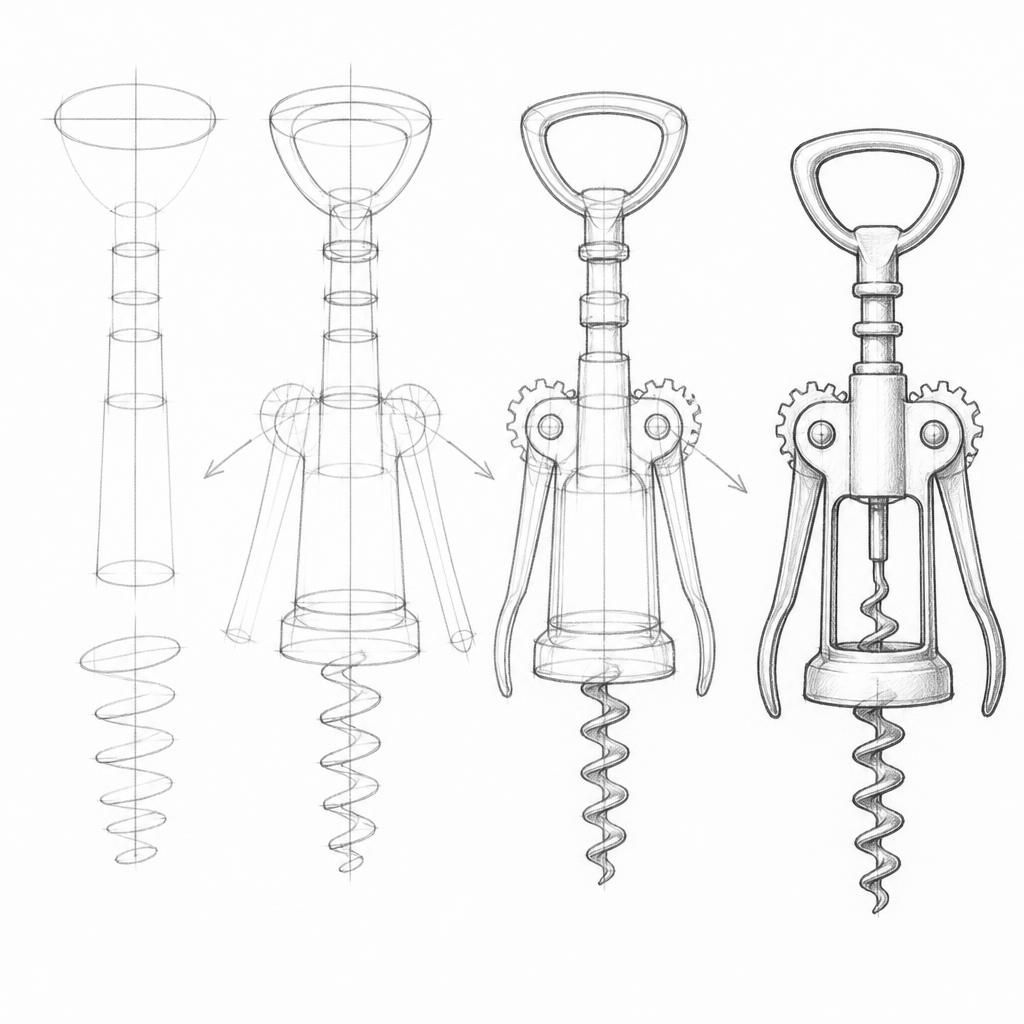
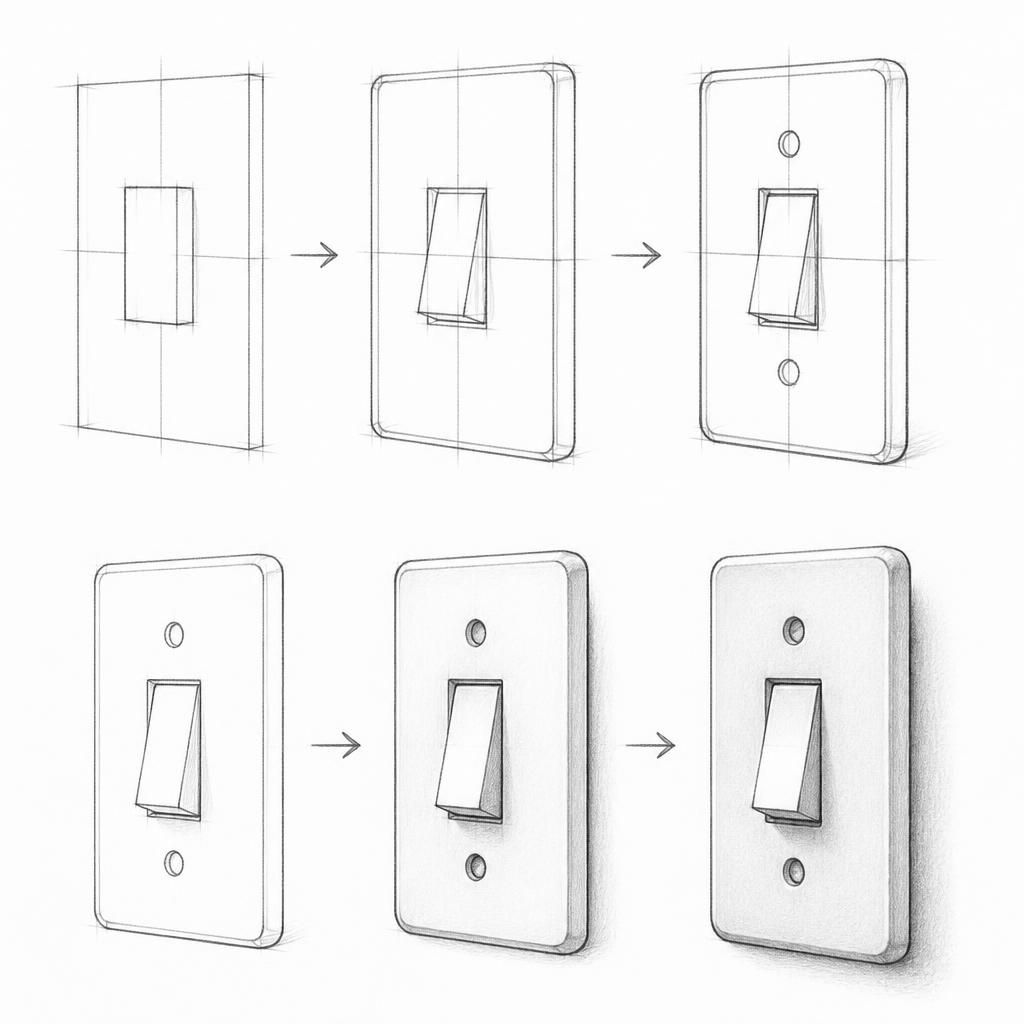
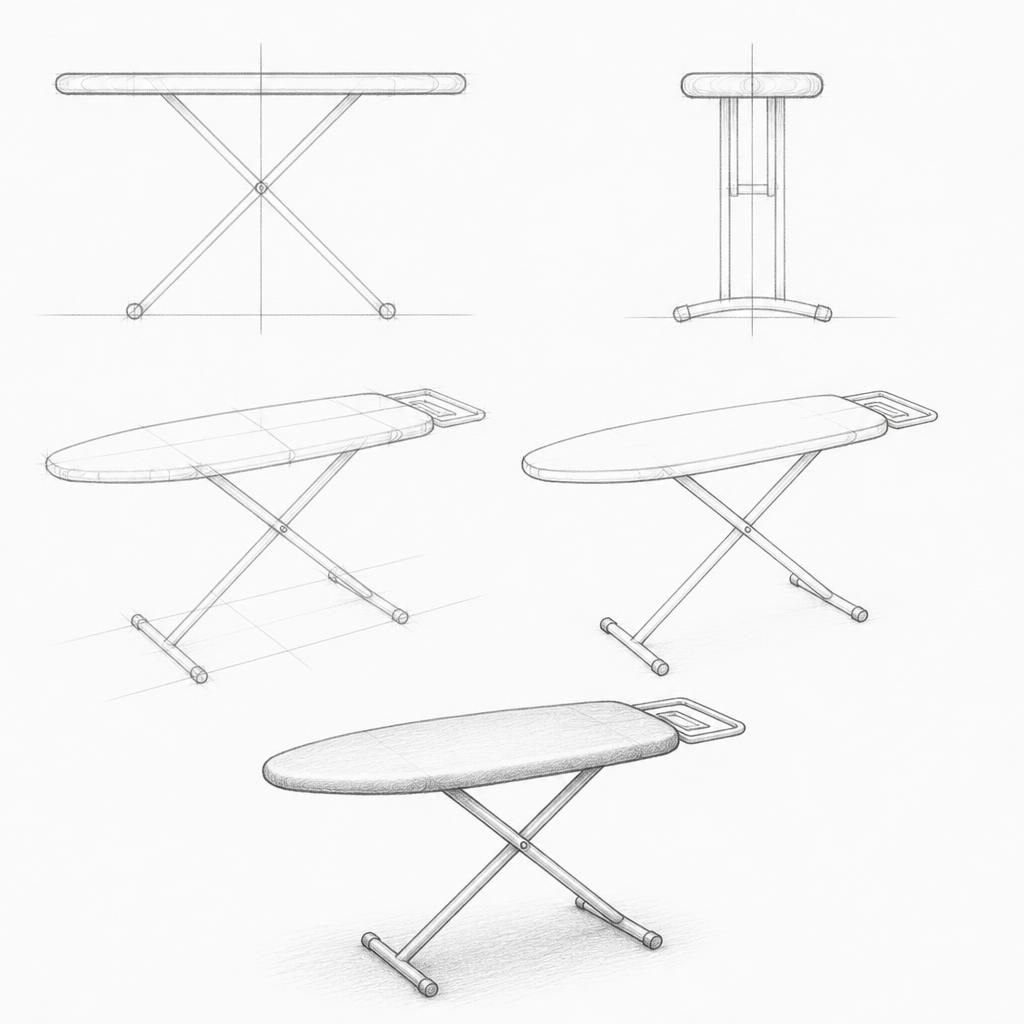
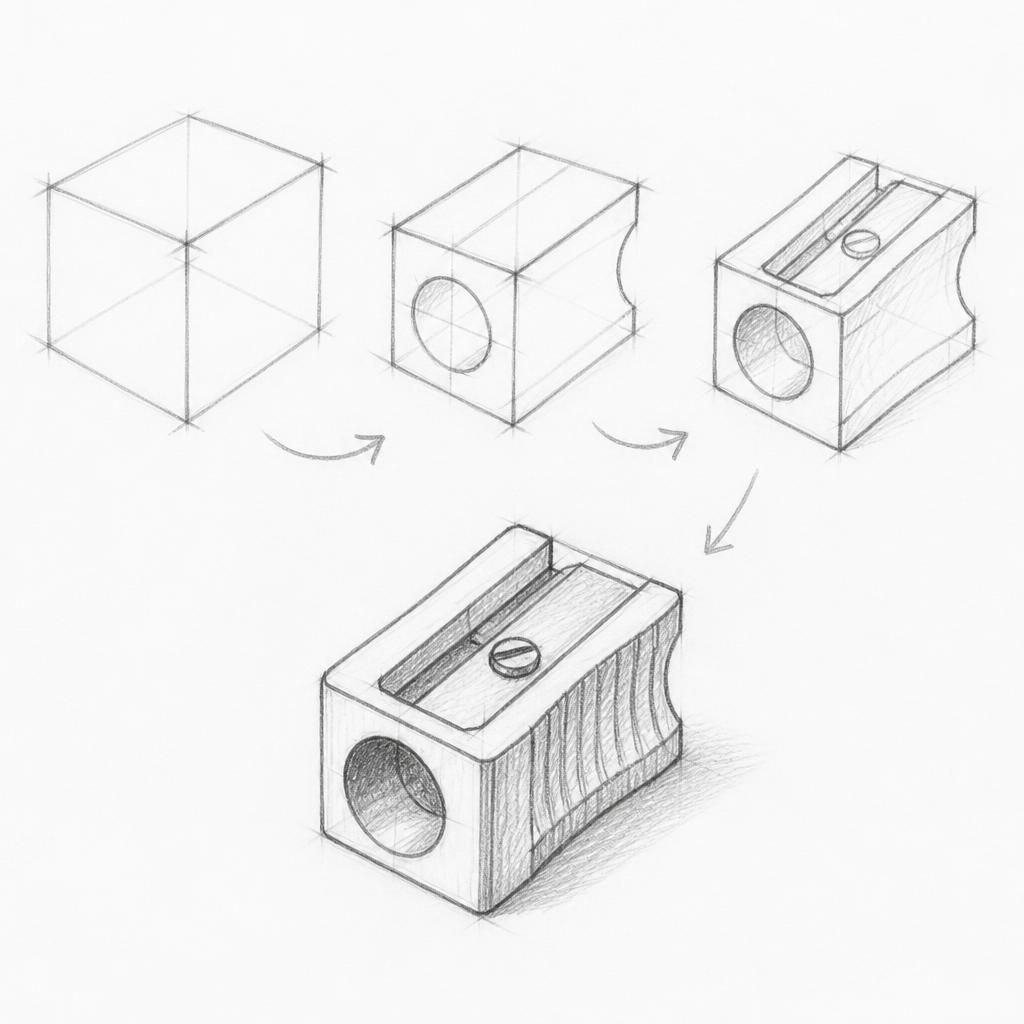
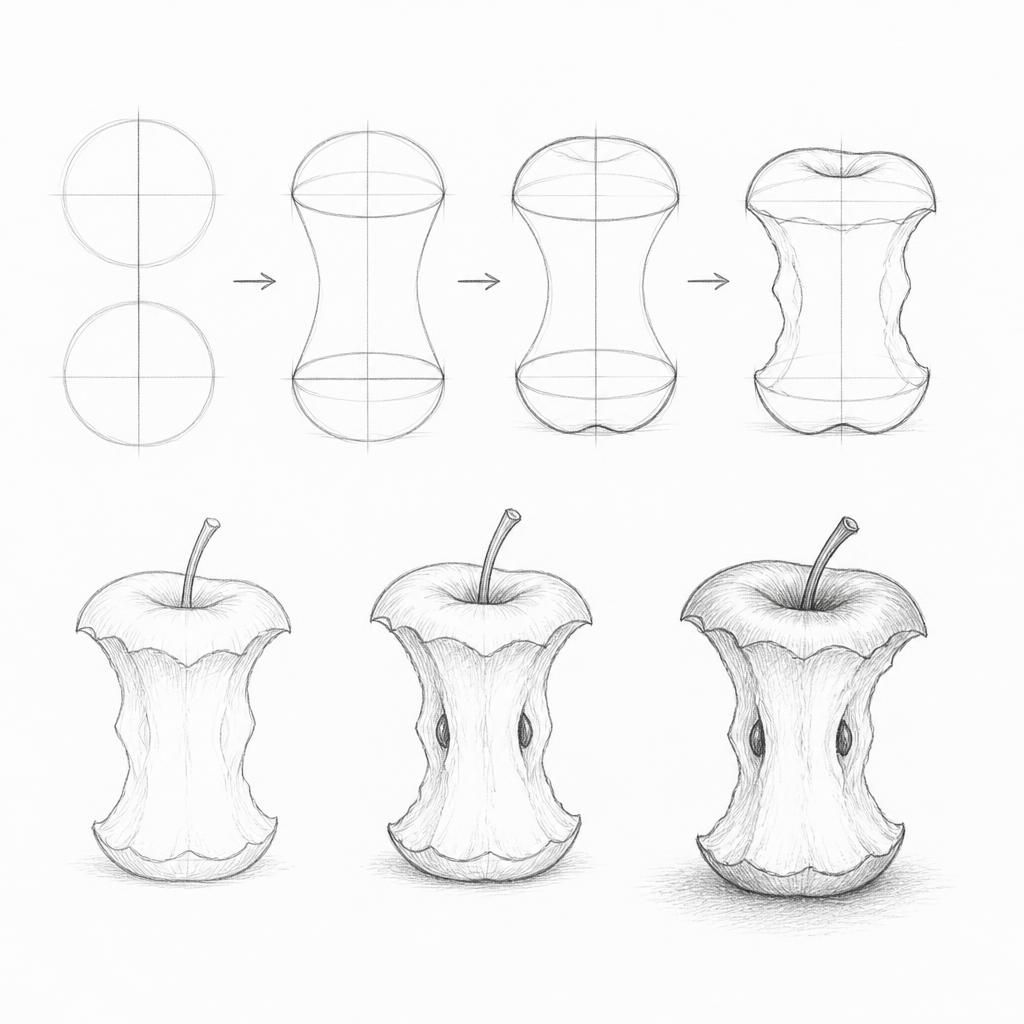
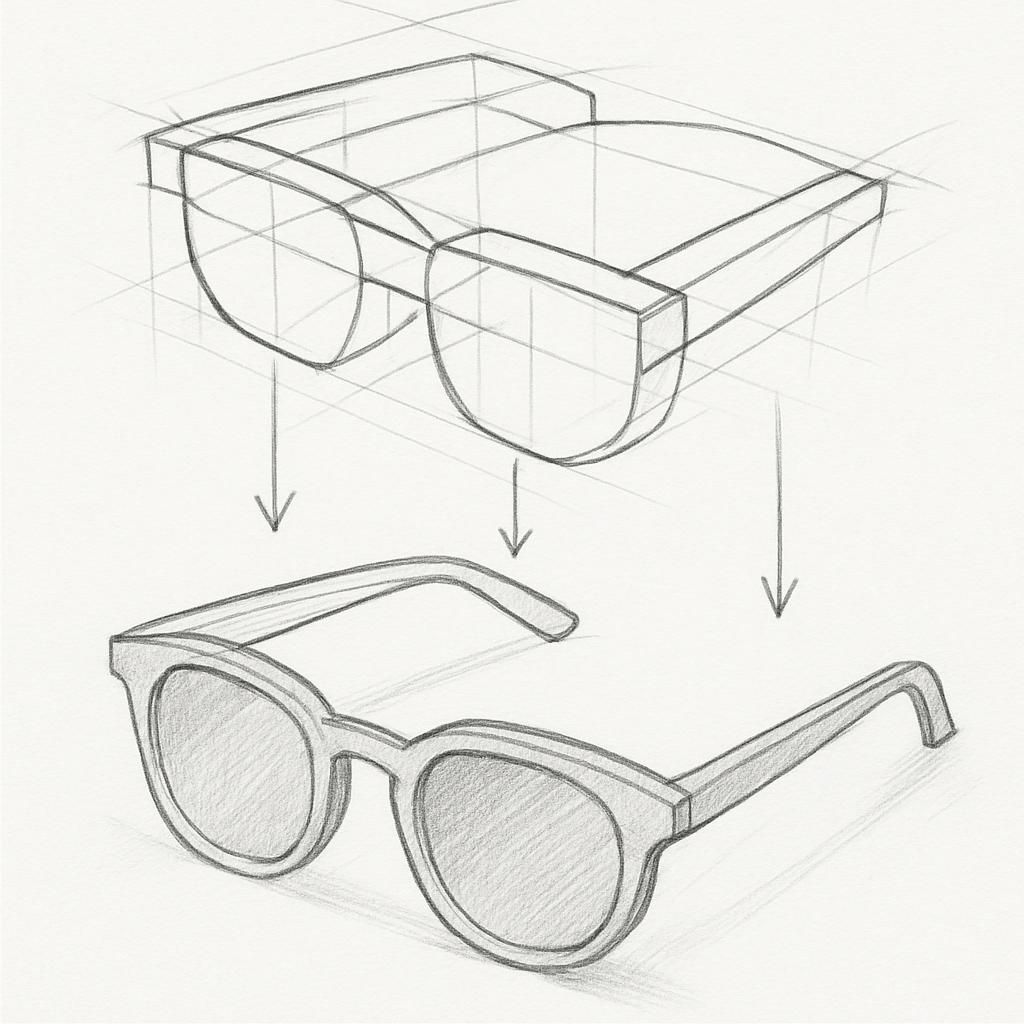
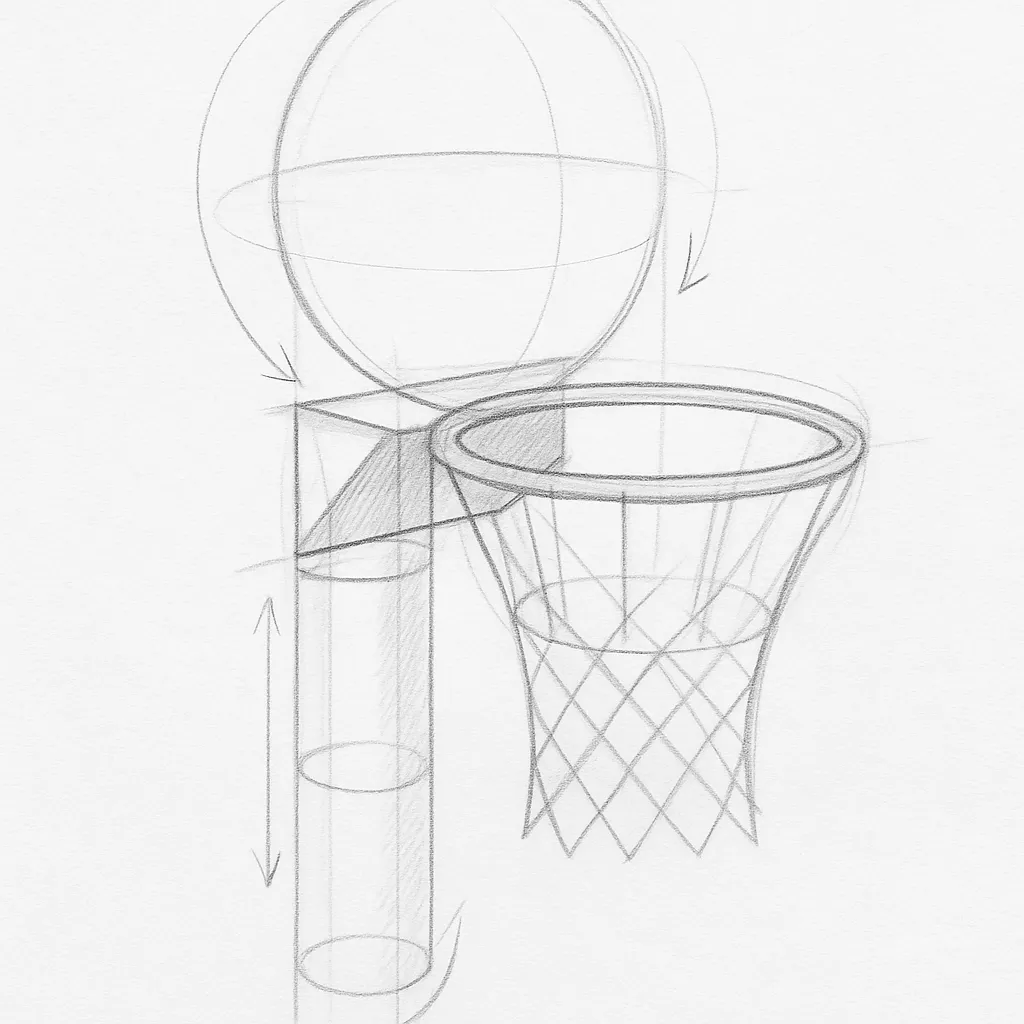
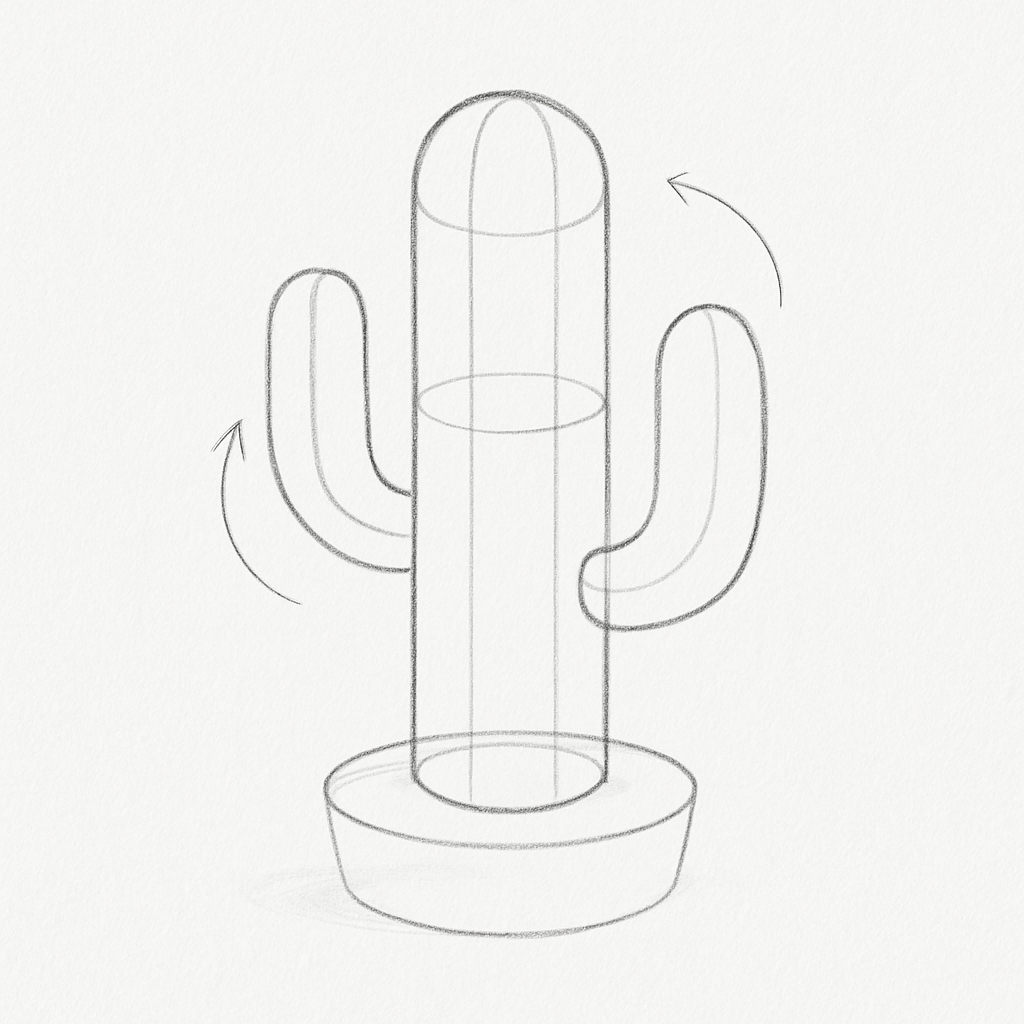
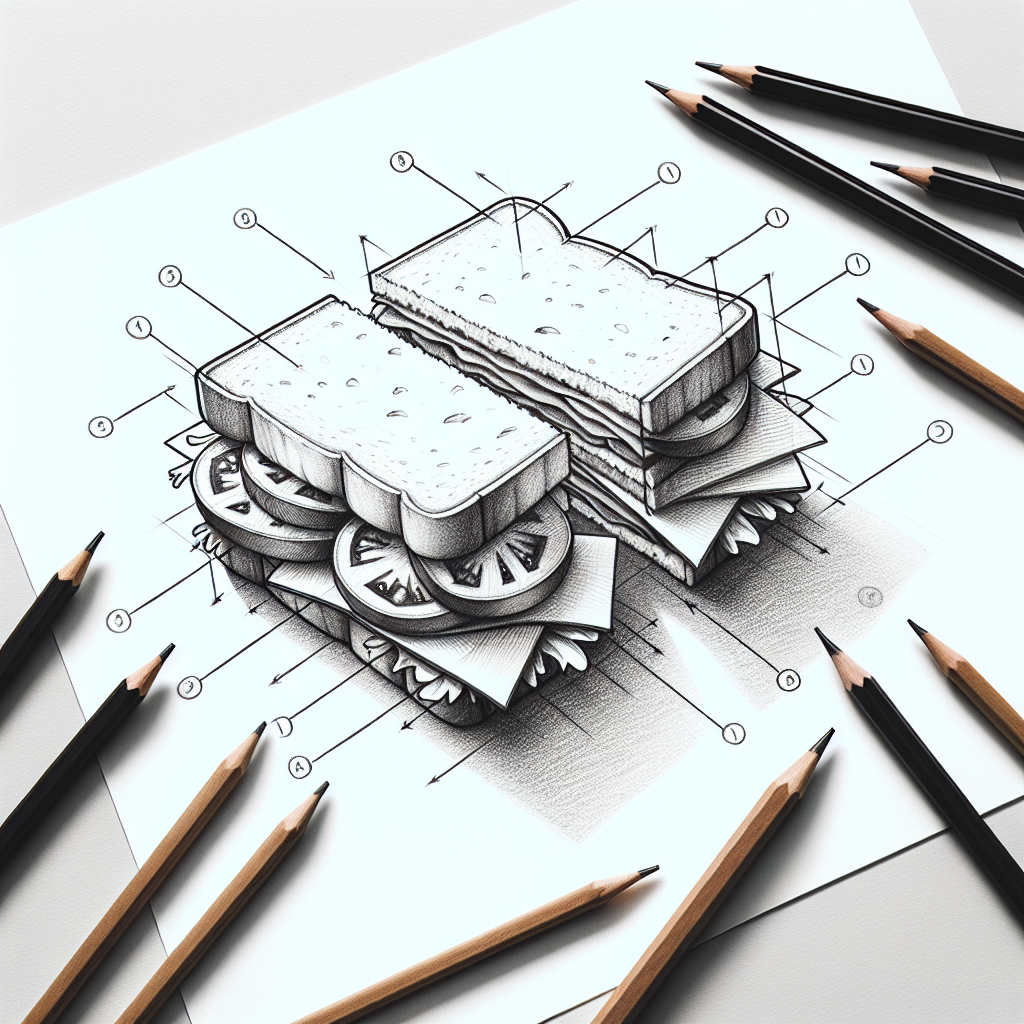
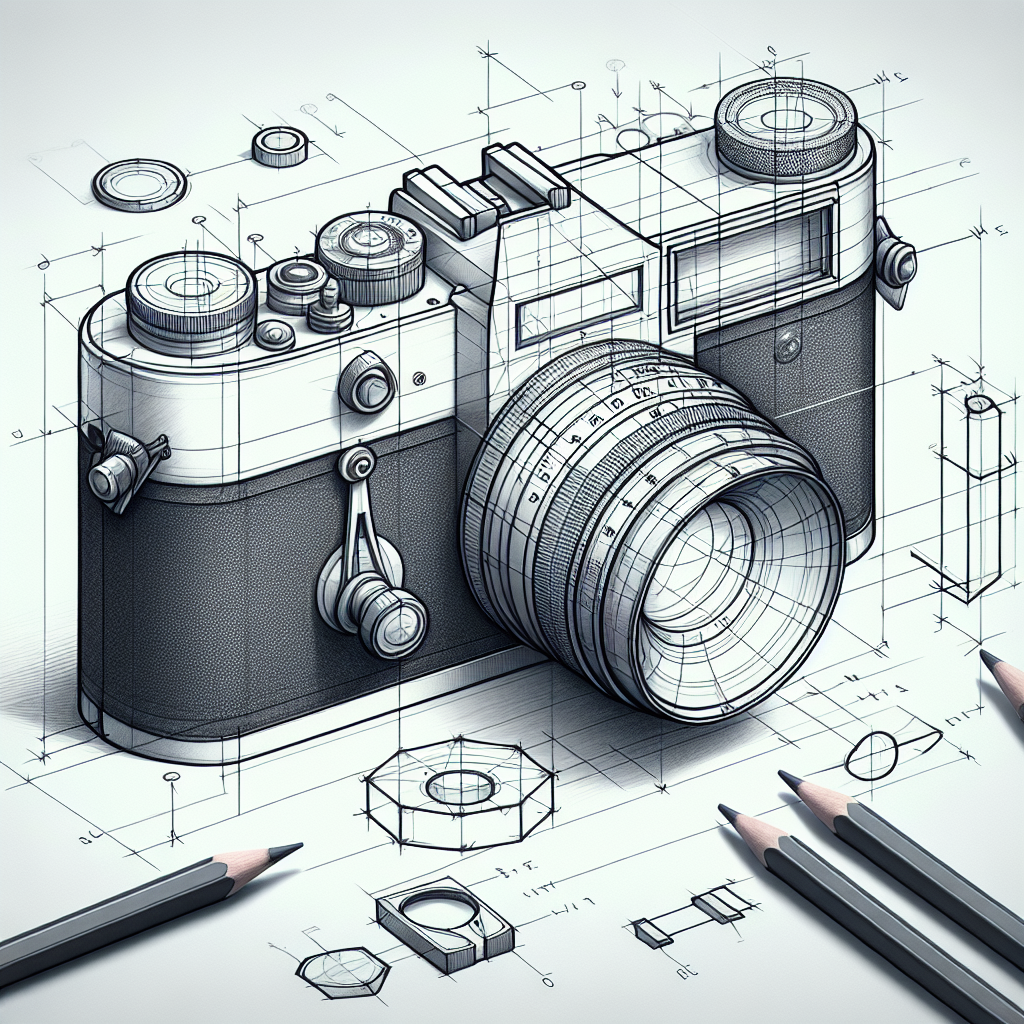
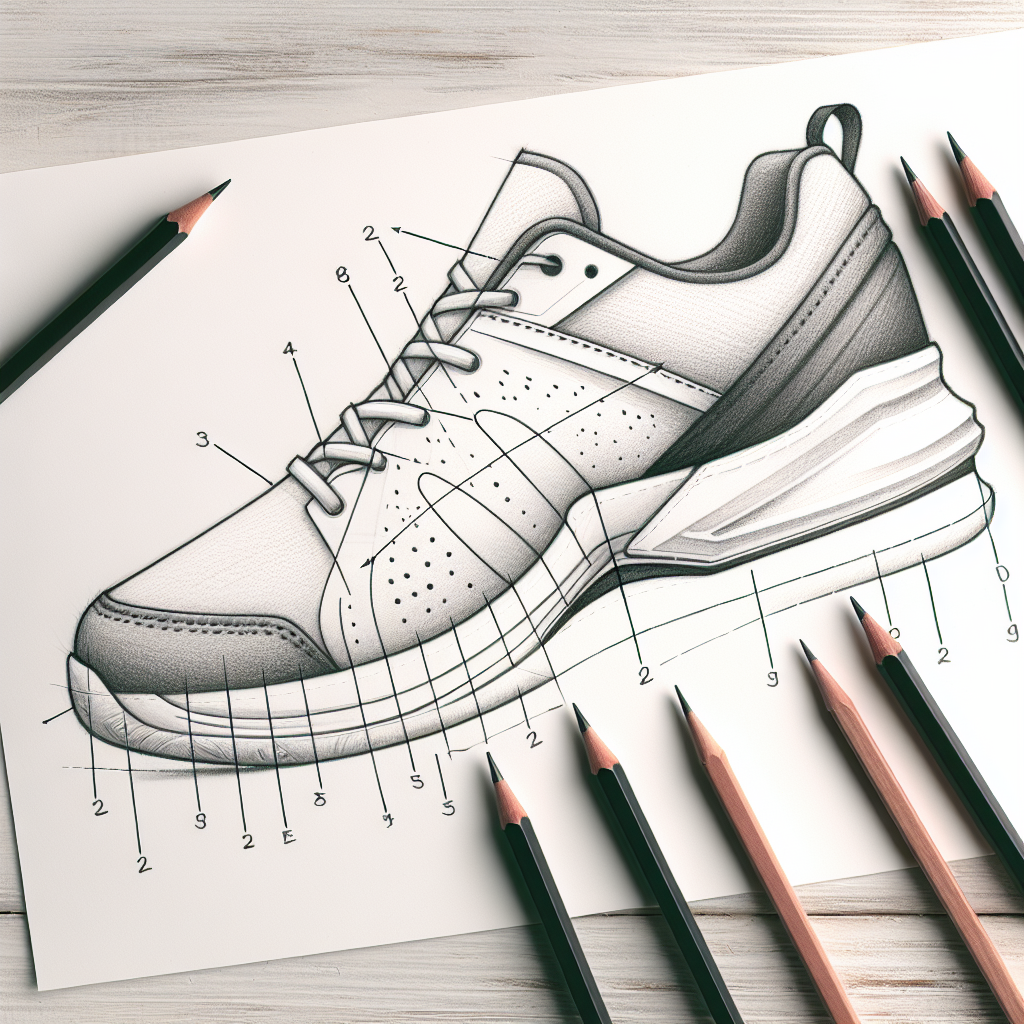
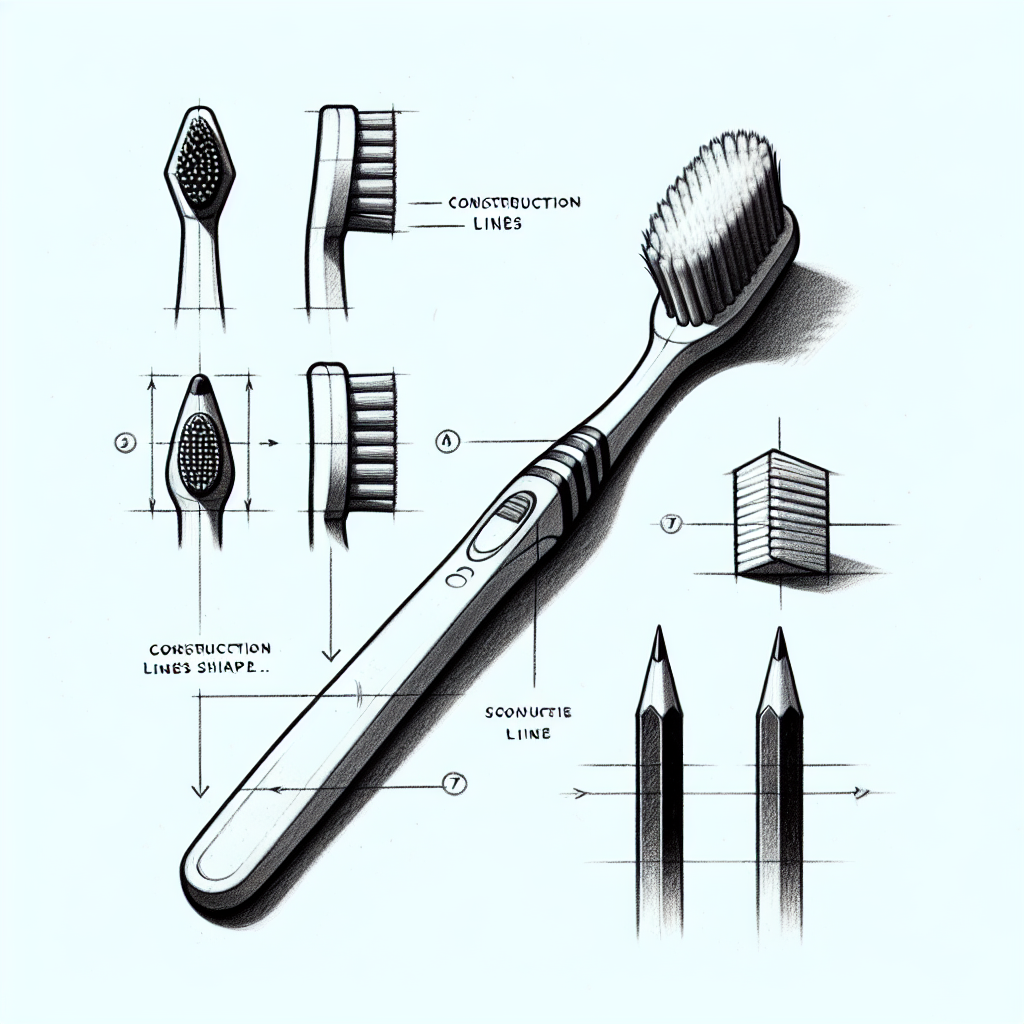
Almost any subject becomes drawable once you see the boxes, cylinders, and spheres hiding inside it. Construction is the habit of building that simple scaffold first and saving every detail for last.
Find the primitives inside the subject
Before any contour, ask what basic solids the subject is made of. An arm is a cylinder, a head an egg, a camera a stack of boxes. Rough those volumes in lightly and get their proportions and angles agreeing with one another. Complex objects stop being intimidating once you're only ever drawing a few simple shapes at a time.
Keep the scaffold three-dimensional
Draw your building blocks as see-through solids: a full box with its hidden back edges, a cylinder with the ellipse on its far end. Treating them as transparent forms keeps everything sitting in real space and makes it obvious the moment two parts don't line up. This is what stops construction from quietly collapsing back into flat outline.
Refine outward, in layers
Once the underdrawing's proportions hold up, wrap the true contours around it and only then start adding surface detail. Working big-to-small like this means mistakes surface while they're still cheap to fix. Resist the pull to render an eyelash before the skull it sits on is solid.