What you'll learn
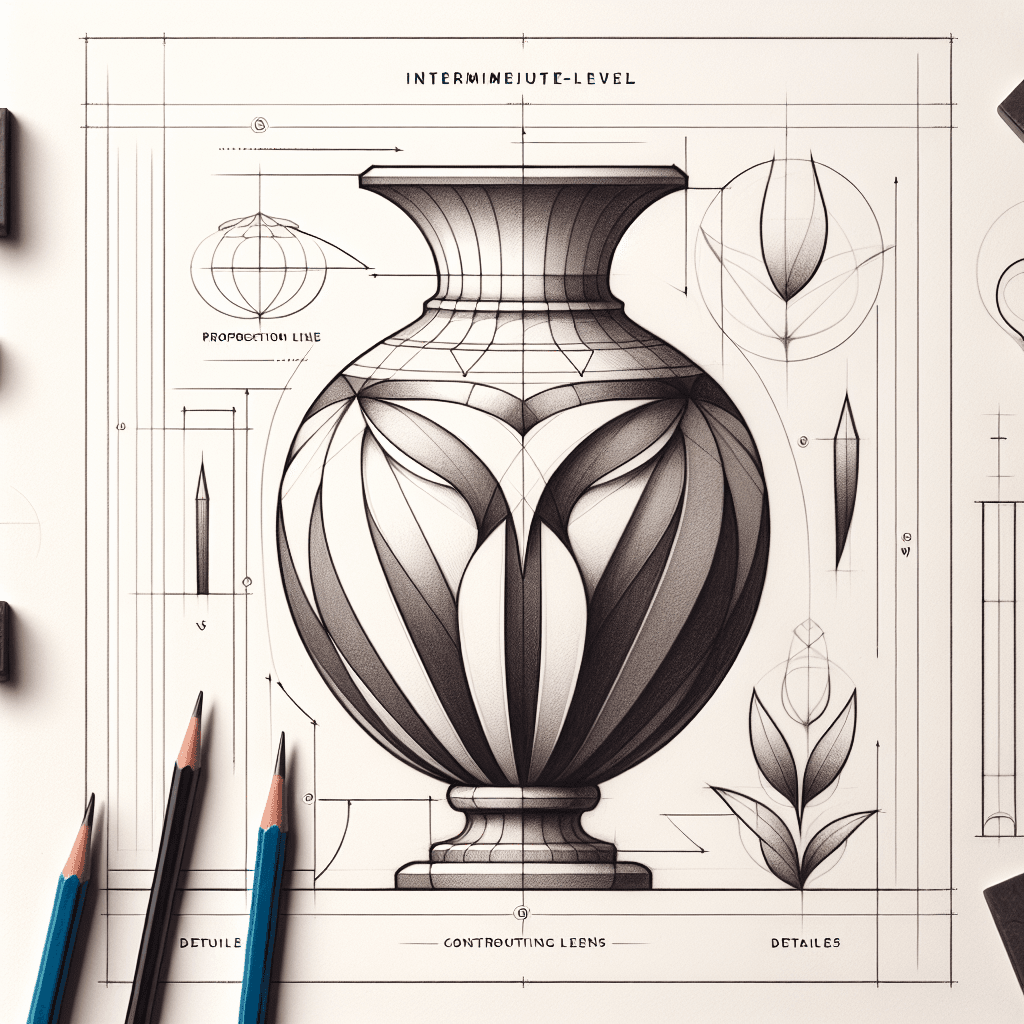
Drawing a decorative vase provides an opportunity to study the symmetry and proportion of curved forms. Capturing the volume requires careful attention to the contours that define its three-dimensional shape.
What you'll need
Step-by-step: how to draw decorative vase
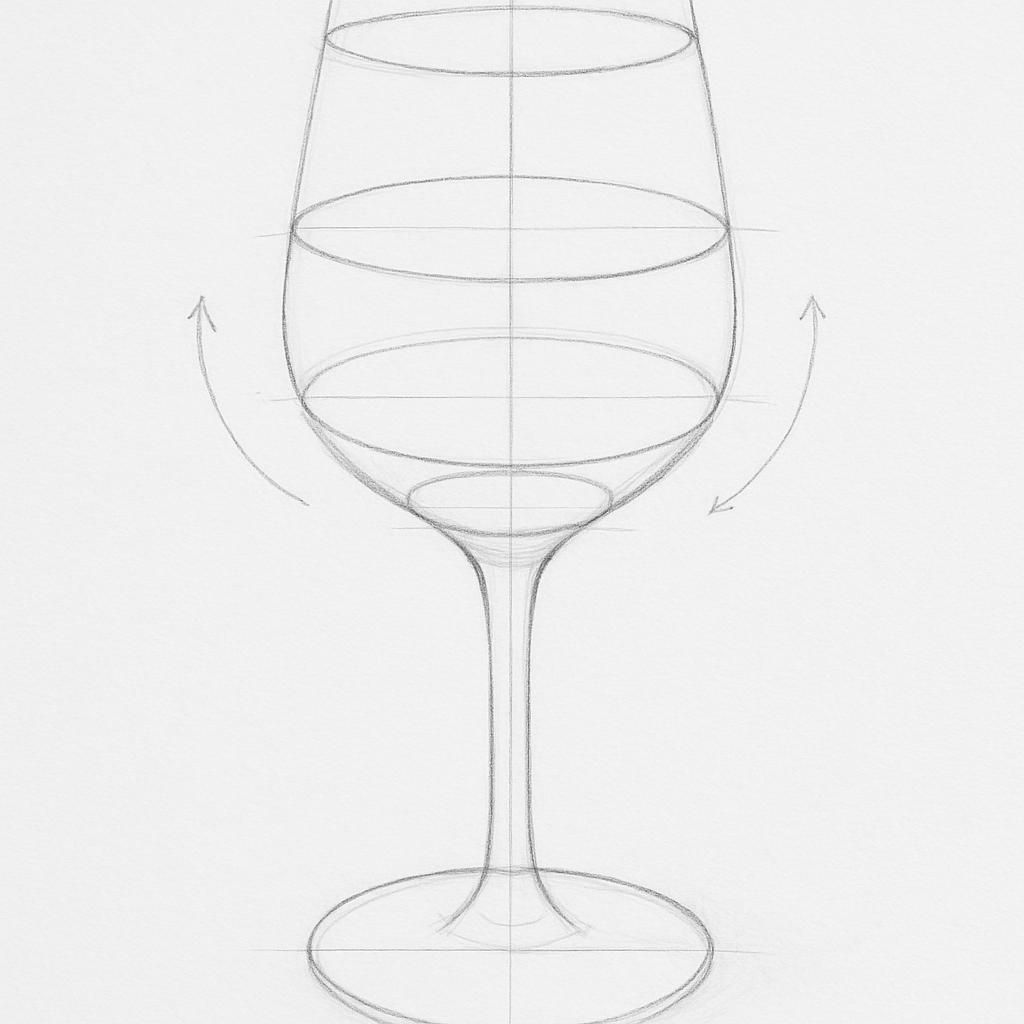
Begin by lightly sketching the central axis of the vase to ensure symmetry and balance.
Outline the major contours of the vase, paying attention to the proportions between the neck, body, and base.
Refine the contours by adjusting the curves to capture the volume and dimensionality of the vase.
Add subtle shading along the contours to emphasize the roundness and depth of the form.
Before you start: what to look at
Before drawing, examine the vase's neck and how it connects to the body. Notice the light source and where shadows fall on the curves, especially around the base. Observe the proportional relationship between the height of the neck and the width of the body.
Pro tips for drawing decorative vase
Common mistakes drawing decorative vase
Self-evaluation checklist
Check that the vase's proportions are consistent along the central axis and that the contours convincingly portray the object's roundness and depth.
Frequently asked questions
How do I maintain symmetry while drawing the vase?
Start by sketching a central axis lightly down the middle of your drawing surface. Use this as a guide to ensure both sides of the vase mirror each other in shape and detail.
What is the best way to capture the vase's volume?
Focus on the contours and how they wrap around the form. Use subtle shading along these contours to create the illusion of depth and roundness, emphasizing the vase's three-dimensionality.
How can I draw realistic reflections on a shiny vase?
Observe where the light source is located and how it creates highlights on the vase. Lightly sketch these highlights first, then gradually build up the surrounding tones to contrast against the reflections, maintaining their sharpness.
More drawing lessons
Get a new drawing lesson delivered to your inbox every morning, free.
Subscribe to Draw Daily →